
Books of Interest
Website: chetyarbrough.blog
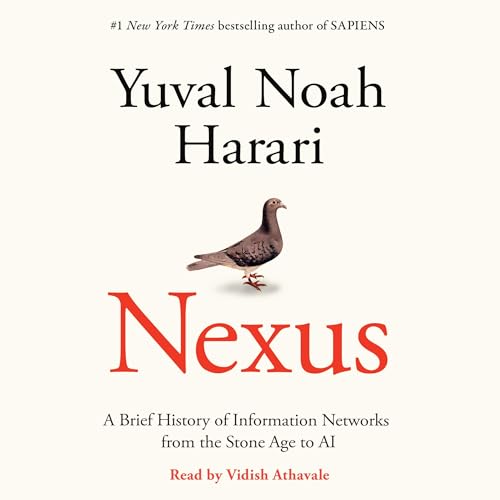
Nexus (A Brief History of Information Networks from the Stone Age to AI)
By: Yuval Noah Harari
Narrated By: Vidish Athavale
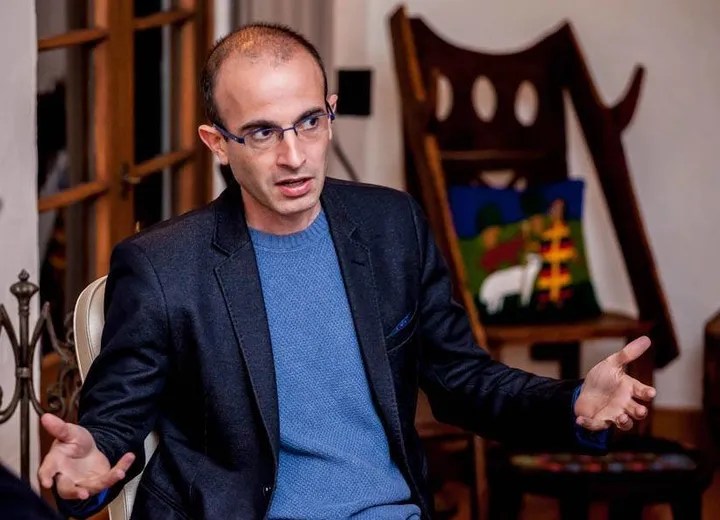
Yuval Noah Harari (Author, Israeli medievalist, historian, and public intellectual serving as a professor in the Department of History at Hebrew University of Jerusalem)
Yuval Noah Harari’s “Nexus” is a perspective on information networks and how they evolve from neanderthal grunts to the fundamental link of society. Harari dissects human history and information networks with an eye toward the existence and future of Artificial Intelligence. Harari’s point is that information networks create, control, and compel change. Civilization began with verbal, then written, then video, and finally digital information that brings human beings together into larger and larger groups.
Networked information creates interest groups. Harari explains these interest groups rise from the evolution of information networks.

With written documents and invention of the printing press, the influence of information spreads across the world. Reproduced documents like government Constitutions, the Bible, Quran, The Torah, The Vedas, The Tripitaka, The Guru Granth Shib, The Tao Te Ching, and The Bhagavad Gita create followers whose understanding of society is reenforced by bureaucratic organizations. Villages, towns, cities, and nations grow from religious organizations and government bureaucracies.

Harari notes how information network’s compel obeisance to group think.
Human conflicts may be based on the desire for money, power, and prestige, but Harari’s point is that the agency of change is the information network. Without cohesiveness of an information network, governments, rebellions, and invasions fail. Successful governments, whether formed from rebellions, or invasions succeed or fail based on bureaucracies that use information networks to influence and indoctrinate citizens of established or acquired territories. The power of information networks is exponentially increased by A.I.
The crux of Harari’s concern is the difference between autocracy and democracy and the harmful potential of a digital age that uses information networks to weaponize and control society with the addition of A.I.

The next great economic revolution, after the Agricultural and Industrial Revolutions is today’s Information Age. I would argue America nearly lost control of the great wealth it created by making the rich richer and the poor unchanged. American democracy’s inequality of opportunity remains a work in process.

America’s failure to provide income equality.
Providing equal economic opportunity is a complicated achievement because it begins with the birth of newborns, acceptance of legal immigration and an education system that fairly serves the needs of society. America is among the wealthiest nations in the world but unlike the Nordic countries and its northern neighbor, Canada, it ranks below the middle for income equality. America’s economic tide is not raising all boats. The Information Age provides an opportunity for America to get its economy right by using A.I. to create a more equal income opportunity for its citizens.
We are moving out of the industrial age.

We are entering the human services age. A.I. presents a second opportunity for America to address income inequality by educating young Americans, immigrants, and citizens to serve the needs of themselves and the people of society. America needs to smooth the transition from being just a product producer to both a producer of goods and services. As A.I. reduces employment for product production, workers should be reeducated to become workers in service to society.
Harari’s book is erudite, enlightening, and worth one’s time to read and understand. He advises of many things beyond what is mentioned in this brief review. Harari explains why bureaucracy is both a good and bad thing and that A.I. can mislead as easily as inform. A.I. should never be considered a decision maker but a tool for human understanding of a complex world.

 REVIEWS AND VIEWS OF LIFE