ECOLOGY

Brannen emphasizes the importance of understanding the science of geology, climate modeling, and shaping energy systems to mitigate environmental damage. None of his ideas seem likely to change the direction of world leadership. Thinking on a planetary scale is beyond the interest of world leaders, let alone the fictional “Tom, Dick, and Harry” or “Mohammed, Jose, Wie, and Ahmed”. (All stupid men, of course.)

Books of Interest
 Website: chetyarbrough.blog

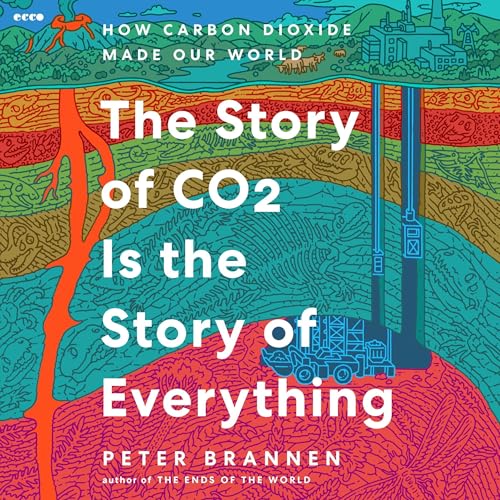
The Story of CO2 Is the Story of Everything (How Carbon Dioxide Made Our World)

AuthorPeter Brannen

Narrated By: Adam Verner

Peter Brannen (Author, Fellow at CU Boulder, science teacher, journalist who has written for The New York Times, The Washington Post, The Atlantic, The Guardian and other outlets.)

“The Story of CO2…” is a slog. Though Brannen’s points are important, the details are overwhelming. Brannen offers a view of global warming based on the history of carbon dioxide emissions and its role in earth’s mass extinctions caused by nature, human industrialization and capitalist growth. The scope of his 500+ page book addresses natural history and the advance of human civilization with so much detail that only a polymath would understand his vision of how “living things” end. On the other hand, even an inept reader will feel threatened by his detailed analysis of global warming’s risks to humanity.

On the one hand, it seems Brannen’s emphasis on CO2 discounts the roles of oxygen and water in the growth and survival of humanity but stick with his theme and you get it.
Brannen’s story is a frightening diagnosis of humanity’s risks. His book doesn’t offer much hope for civilization’s future. Brennen explains industrialization is driven by exploitation of energy and human nature. He notes these are the driving forces behind global warming that will end life on earth. It seems human greed is globalized whether political leaders consider themselves socialists or capitalist. Brannen explains societies of the world have exploited energy through release of CO2 in the atmosphere. That release of CO2 has raised living standards of civilization but, at the same time, polluted the world. Brannen argues civilization has little understanding of the truth that carbon dioxide release over eons of time have damaged the environment. Brannen details how that lack of understanding threatens life on earth. More seriously, many leaders of the world refuse to believe the science of global warming and continue to release CO2 into the atmosphere.
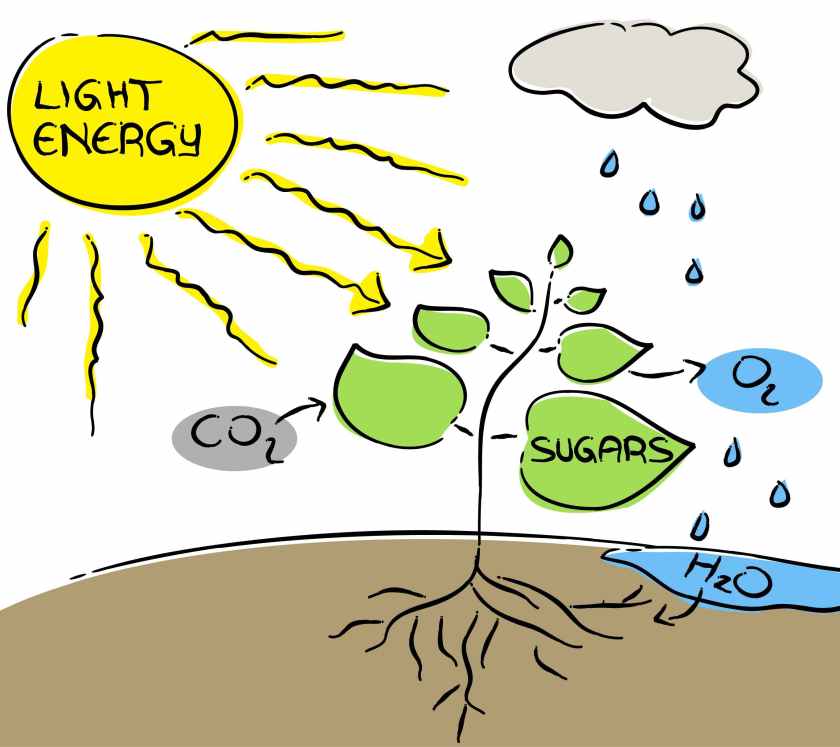
What is made clear in “The story of CO2…” is that photosynthesis by plants converts sunlight into energy which makes CO2 the basis upon which all life exists on earth.

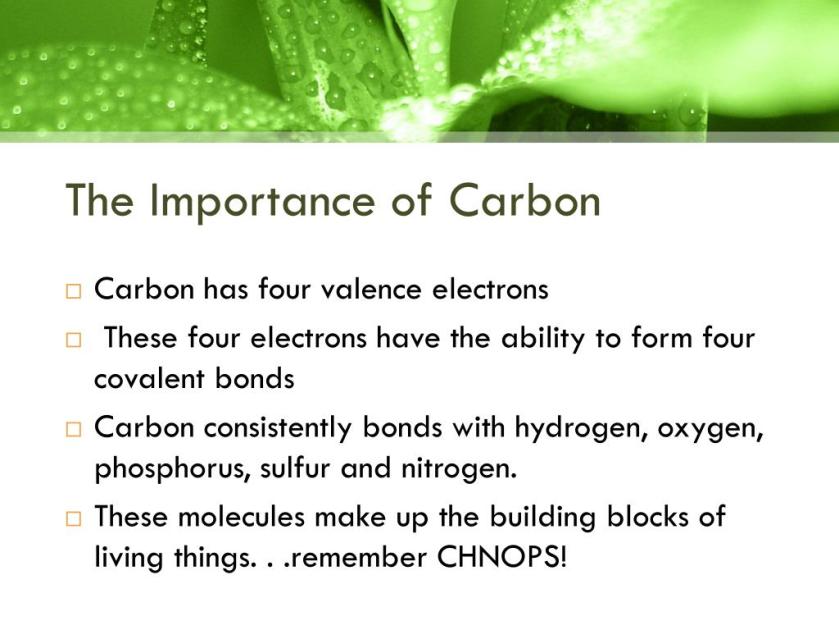
All living things are built from carbon. Humanity’s ability to release energy from carbon gave rise to industrialization, modern infrastructure, and global mobility. Living standards of society were raised, food production increased, lifespans were extended, and the public prospered. However, modern times show that excess production of CO2 threatens mass extinction. The irony is that CO2 seemed a free lunch in our early beginnings but now threatens life’s existence.

Global warming.
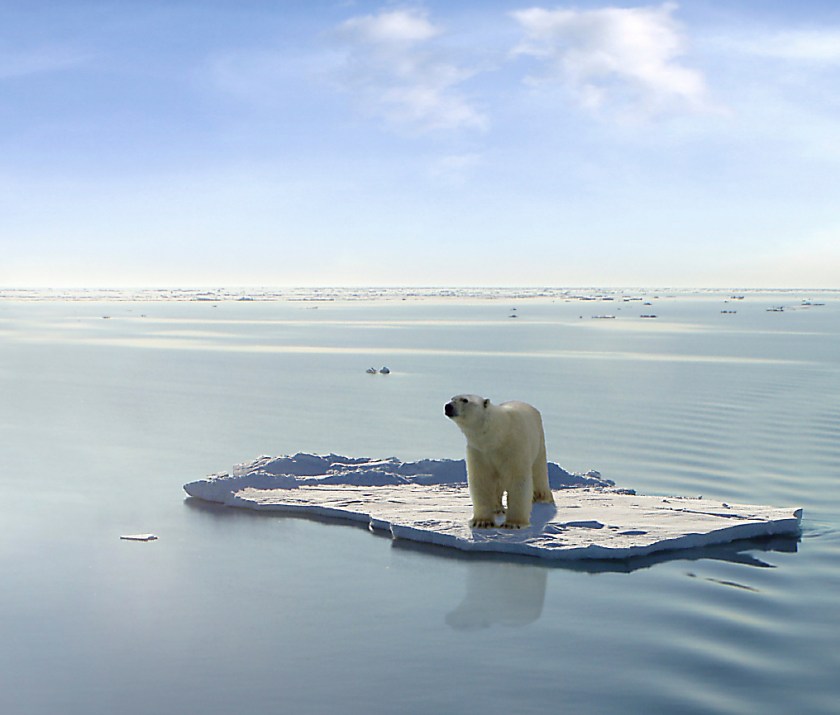
There are no easy answers to Brannen’s CO2 threat to life on earth. It is unrealistic to believe the world will abandon fossil fuel use. Some, like President Trump in the U.S., believe global warming is just a cycle of nature while supporting and encouraging continued development and use of fossil fuels like coal and oil. Though China has done more than any country to create renewable energy and clean transportation, neither China nor the world will achieve the Paris Agreement limit of a maximin 1.5-degree centigrade increase. In reality, China remains the largest emitter of CO2 with coal, petroleum and natural gas; despite being the largest clean energy investor in the world.

Brannen argues for understanding the true development direction of the world.

To reduce global warming, Brannen recommends a shift in economic and geopolitical systems with an alignment of economies based on ecological impact. He emphasizes the importance of understanding the science of geology, climate modeling, and shaping energy systems to mitigate environmental damage. None of his ideas seem likely to change the direction of world leadership. Thinking on a planetary scale is beyond the interest of world leaders, let alone the fictional “Tom, Dick, and Harry” or “Mohammed, Jose, Wie, and Ahmed”. (All stupid men, of course.)
HOPE VS. ACTION

Hannah Ritchie advises that a Sixth Extinction event, unlike former extinction events, can be stopped because it is manmade.

Books of Interest
 Website: chetyarbrough.blog

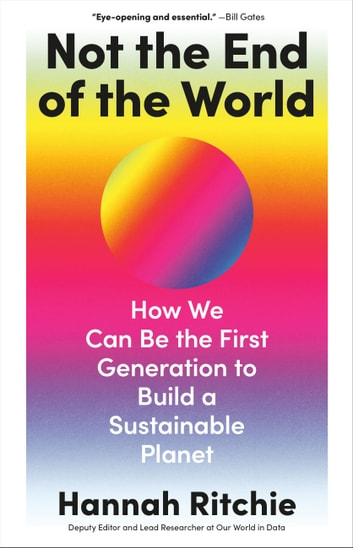
“Not the End of the World” (How We Can Be the First Generation to Build a Sustainable Planet)

By: Hannah Ritchie

Narrated by: Hannah Ritchie

Hannah Ritchie (Author, Scottish data scientist, senior researcher at the University of Oxford, undergraduate degree in environmental geoscience and master’s in carbon management, working on a Ph D.)

Hannah Richie is vilified by some environmentalist who suggest she looks at global warming as a problem on its way to resolution. They argue Richie offers an unreasonably optimistic view of global warming. She obviously believes global warming is real, but argues history shows humanity is dealing with the crises and is working on what must be done to survive the future.

A little history: Since 1850, the National Oceanic and Atmospheric Administration estimated the world temperature would increase by 2 degrees Fahrenheit per decade. However, in 2023 NOAA shows the actual average has been 2.43 degrees Fahrenheit per decade since the 1850s. The 10 warmest years have been in the last decade.

Though the exact temperature increase is disputed by other scientific studies, there is no rational disagreement on evidence of warming. Global warming is having an effect on world’ biodiversity.

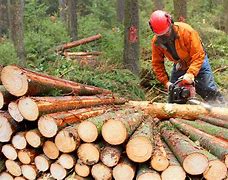
Richie notes loss of forest lands from farming and timber production adds to global warming because trees absorb carbon dioxide from the air.

Atmospheric carbon-load increases global warming. Counter intuitively, Richie argues the building of cities and concentration of populations improves the world’s environment by moving people into the city which aids biodiversity in the country. She argues population services in a city reduces inefficient travel, conserves energy, encourages mechanized farming, reduces the environmental load of human’ waste disposal, and promotes community-wide water conservation.

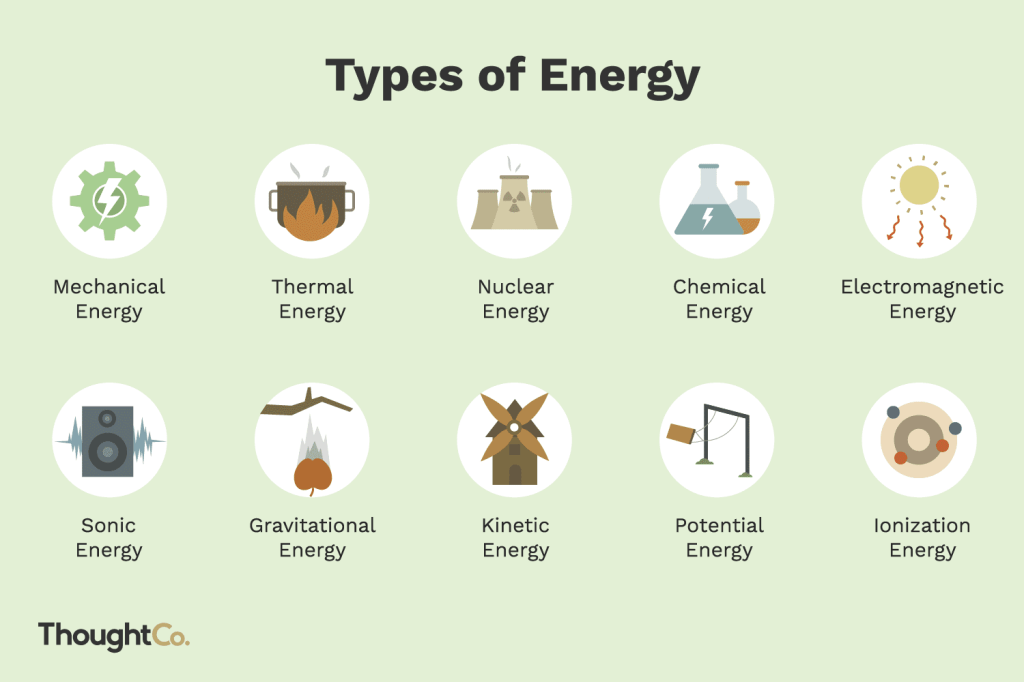
As noted by many historians, sources of energy that are polluting the atmosphere have changed over the centuries. With few exceptions, these energy sources required burning. The world has moved from wood burning to coal to oil to non-burning energy sources like nuclear and alternative energy sources that have reduced carbon in the atmosphere. Richie notes each stage of energy development has incrementally reduced pollution, but global warming continues because of population increase and the continued use of fossil fuels in industrial production.

Richie notes the rate of world population increase has incrementally decreased and continues to decline with fewer babies being born per family.

Richie believes earth’s human population will plateau at around 10 billion people. At the same time the machine age and technology will improve efficiency of fossil fuel use to reduce the rate of environmental pollution. Richie infers the hope of limiting earth’s warming to 1.5 degree centigrade in this century (3 degrees Fahrenheit) is unlikely to be achieved. Still, she remains optimistic based on human history’s technological improvements since the agricultural and industrial revolutions. Richie is a proponent of nuclear energy because of its efficiency and clean energy potential. She discounts nuclear accidents by noting even with the worst nuclear accident at Chernobyl, deaths were minimal. (Less than 40 people were killed in the disaster with some disagreement about the number of deaths from indirect exposure.)

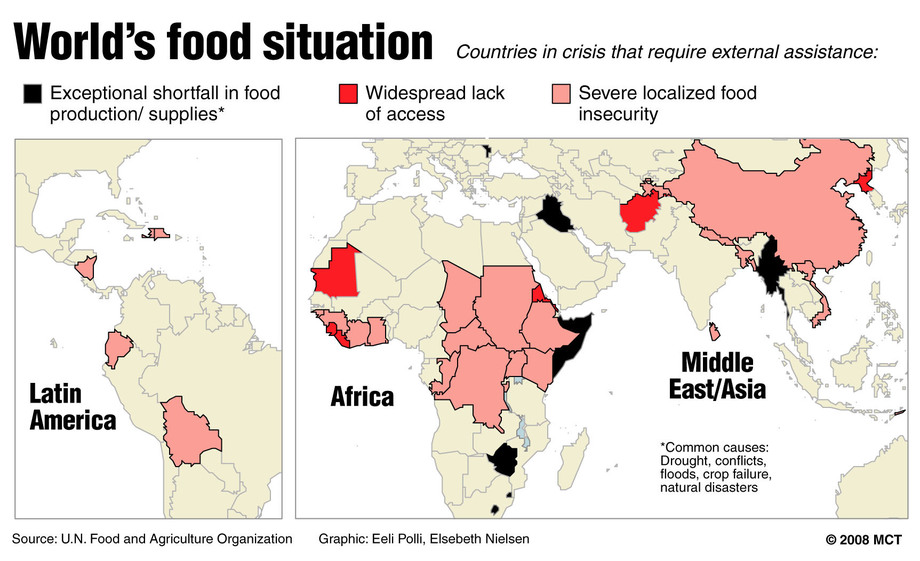
What is off-putting to many people is Richie’s argument for societal change. She argues the world population must become more vegan because of the negative environmental consequence of raising beef and sheep for food. Richie argues food shortages are the greater risk to human survival. To sustain the lives of ten billion people in the world, Richie believes there is not enough arable land to raise livestock and feed the hungry. She implies only with the advance of agricultural research and produce, including the creation of nutritious meat substitutes, can the world’s future population be sustained.

The threat Richie gives at the end of her book is that that speed of today’s individual extinction of species is a clear warning of what may be the sixth mass extinction, the Anthropocene Extinction, the death of humankind. She advises that a Sixth Extinction event, unlike former extinction events, can be stopped because it is manmade. Richie explains how a Sixth Extinction can be un-manmade by human beings’ actions. Richie argues humans are responsible for despoiling earth and it is up to humans to change nature’s degradation and its potential for a Sixth Extinction.

Richie offers solutions for global warming that are in the hands of humanity. She may be overly optimistic but hope changes to reality with action.