The Autobiography of Benvenuto Cellini is not a great piece of writing, but it is an interesting perspective on the progeny of Florence, the violence of the 16th century, and the great art that came out of the Medici era.
Books of Interest Website: chetyarbrough.blog
The Autobiography of Benvenuto Cellini
By: Benvenuto Cellini
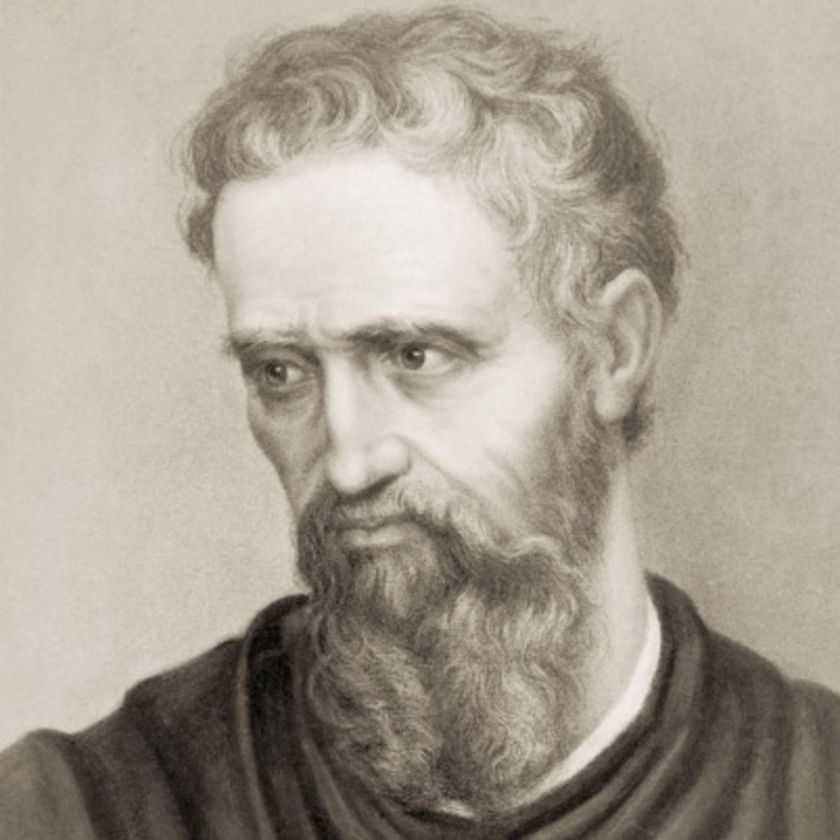
Benvenuto Cellini (Author, Italian goldsmith, sculptor, and contemporary of Michelangelo, died at age 71.)
This autobiography is alleged to have been dictated to a teenager by Cellini in the 16th century. The book is a mess but oddly interesting because of the volatile life of its author. The dictation is believed to have occurred when Cellini was in his fifties. He was born in 1500 and lived until 1571 with his death at the age of 70. Considering his volatile life and the average age of death as 30 or 40, Cellini lived a long life. Of course, the average age at death is skewed by high infant mortality, but Cellini’s autobiography shows him to be a resilient survivor.
Michelangelo, a Florence native. (1475-1564, died at the age of 88.)
Cellini tells of surviving the plague, escaping assassination, being imprisoned, escaping, and, participating in several battles as a soldier where he was wounded but recovered. However, Cellini was also an amazing artist from the same city as Michelangelo. In contrast to Michelangelo, Cellini seems to have been quite boisterous; however, like Michelangelo he was strong willed and resistant to authority. The two men new each other. They shared experience as patrons of the powerful Medici family. Cellini appears to admire and like Michelangelo in his biographic recollection. They both did work for Pope Clement VII and Cosimo I de’ Medici.
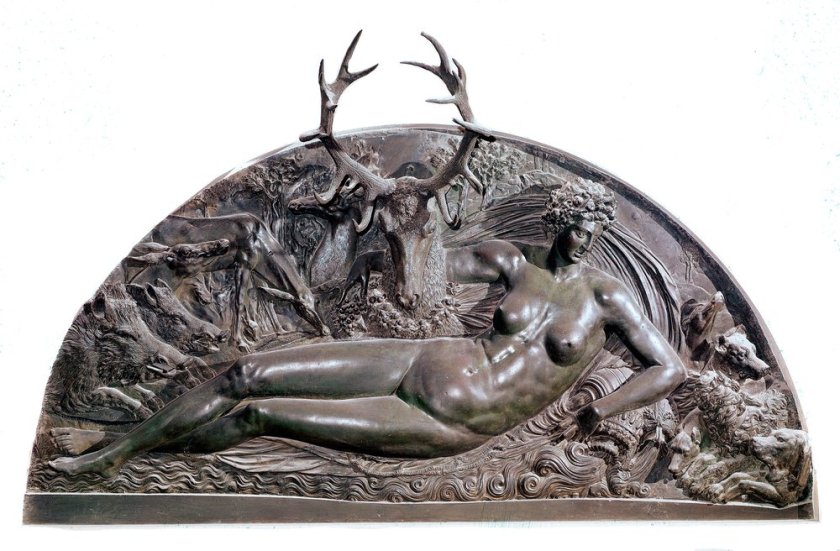
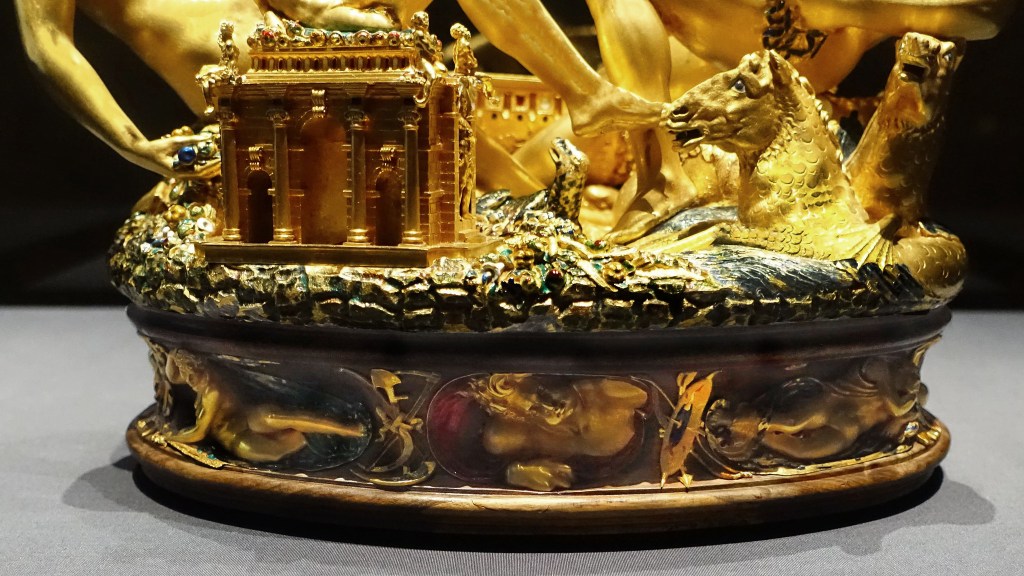
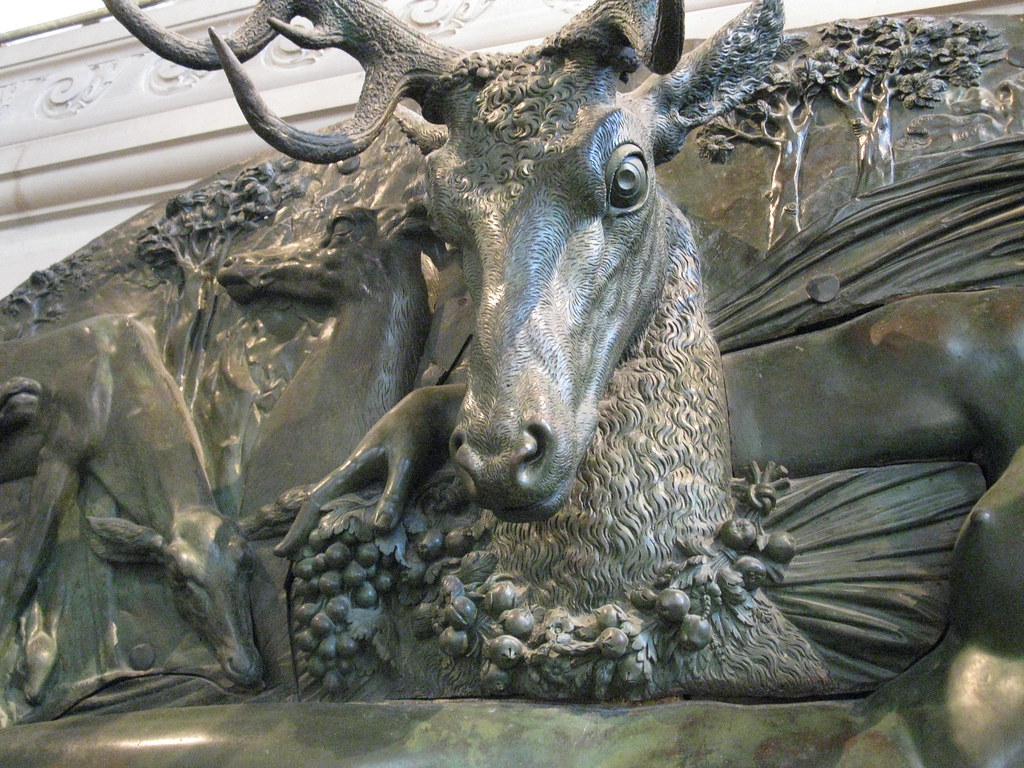
DetailDetailDetail
Cellini appears to have traveled as much as Michelangelo because of his life as a soldier as well as artist. Two of his greatest artistic accomplishments are the “Salt Cellar” and “Nymph of Fontainebleau” done for King Francis I of France. However, he also completed “Perseus with the Head of Medusa” for Cosimo I de’ Medici in Italy.
As a soldier, Cellini tells of the attack of Rome by troops of Charles V, the Holy Roman Emperor. The leader of the attack forces, the Constable of Bourbon, was shot by Cellini according to Cellini’s autobiography. Though Cellini seems never to have been wounded in battle, he tells of several violent encounters that could have ended his life.
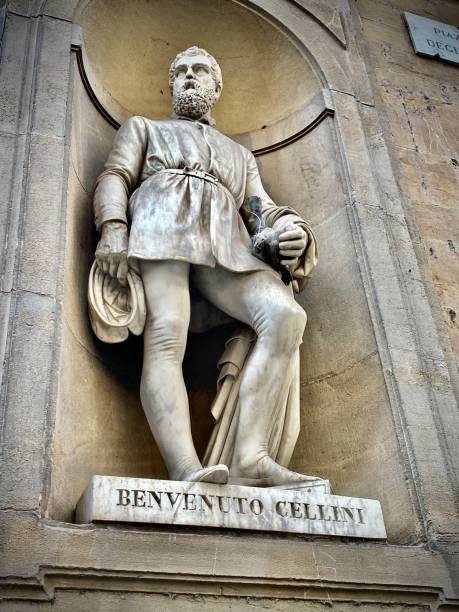
Statue of Cellini in Florence.
The Autobiography of Benvenuto Cellini is not a great piece of writing, but it is an interesting perspective on the progeny of Florence, the violence of the 16th century, and the great art that came out of the Medici era.
The story of Michelangelo ends with the return of the Medicis to power. It is for Michelangelo–a journey of “…Agony and Ecstasy”–of love for his work, the daughter of a Medici, and the tumult of his time.
Books of Interest Website: chetyarbrough.
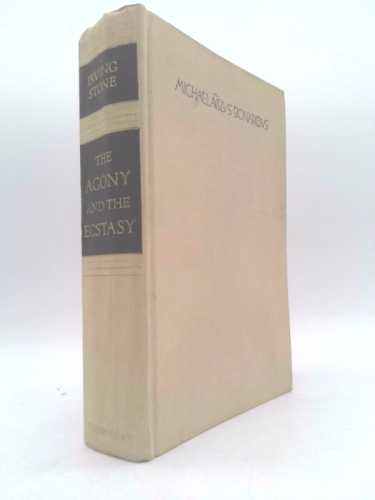
The Agony and the Ecstasy (The Biographical Novel of Michelangelo)
By: Irving Stone
Irving Stone (1903-1989, died at the age of 86, American writer of biographical novels about artists, politicians and intellectuals.)
Irving Stone’s novel is an entertaining book and an historically supported story of the famous artist, Michelangelo. Michelangelo was a Florentine born in Florence, an influential city at the heart of the Italian Renaissance. The Medici family was in control of Florence’s political and cultural life in Michelangelo’s youth.
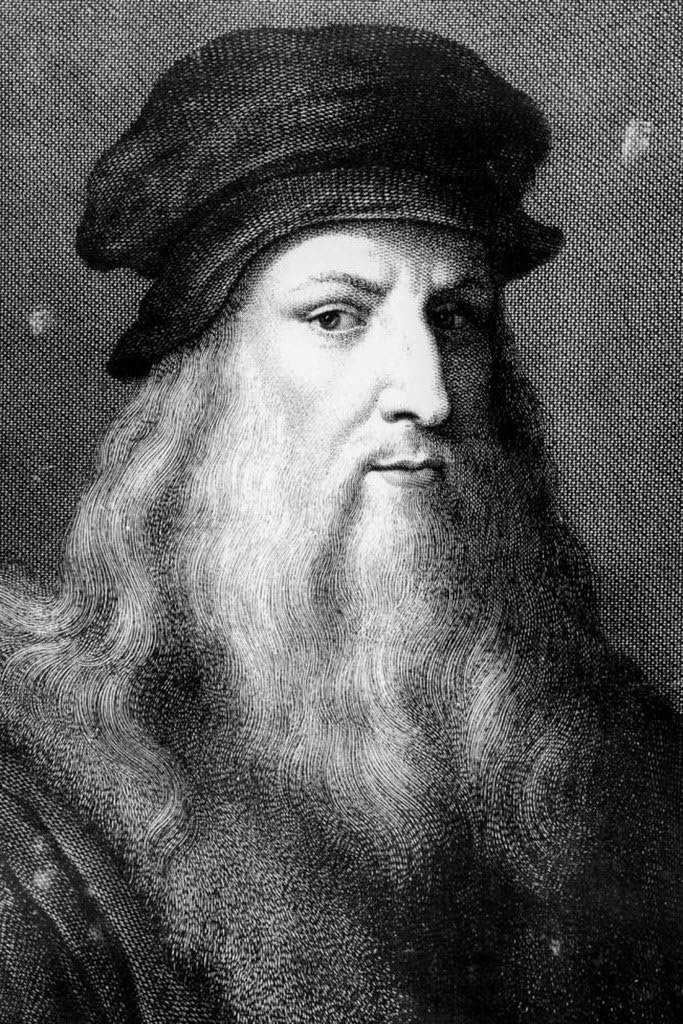
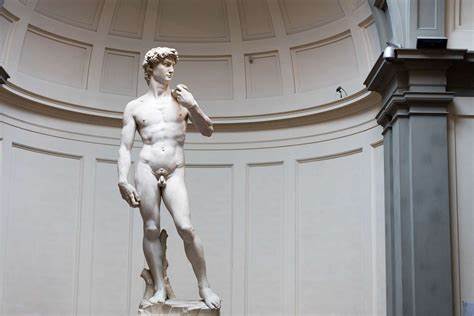
Two of the most famous artists of all time, Leonardo Da Vinci and Michelangelo Buonarroti created two of the most famous art works of the world in Florence, i.e. da Vinci’s “Adoration of the Magi” and Michelangelo’s “David”. However, their personal relationship began roughly in their brief contact in Florence. In 1504. Leonardo da Vinci was 52 years old. Michelangelo was 29.
“Adoration of the Magi”“David”
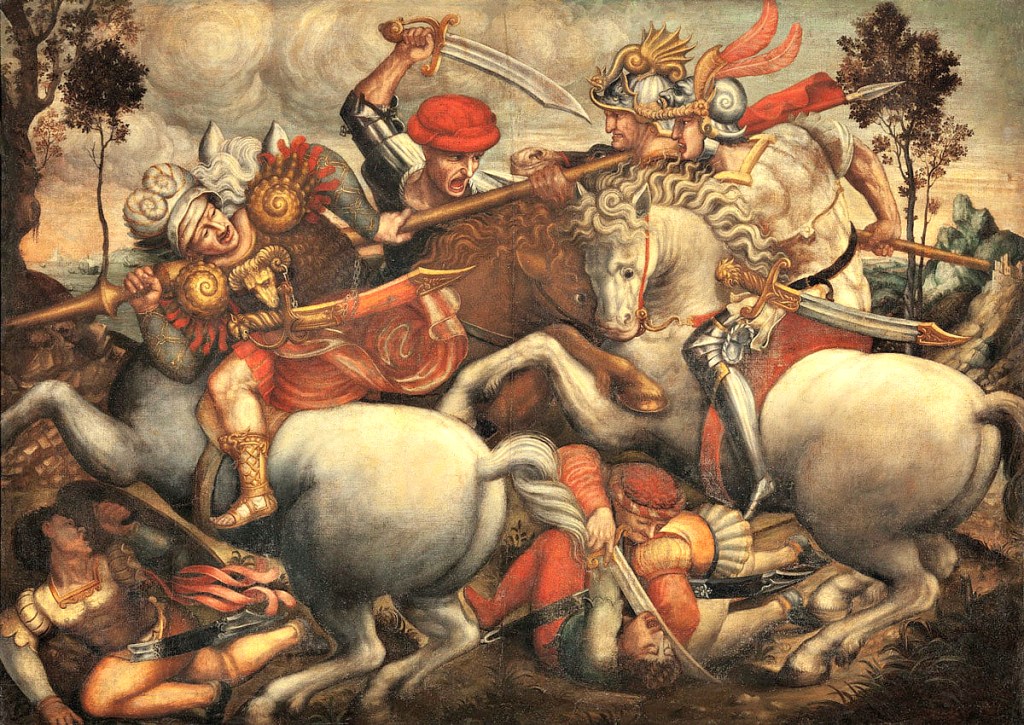
They had both been contacted to paint murals in the Hall of Five Hundred in the Palazzo Vecchio. Leonardo had already made his reputation as a master painter, polymath, and diverse genius. Michelangelo was considered a sculptor more than a painter. However, in a casual conversation da Vinci alludes to sculpture as a less prestigious form of art. The younger Michelangelo is offended and is alleged to have said harsh words to da Vinci with a challenge to paint a competing fresco in the Palazzo Vecchio. Neither completed their planned paintings but their preparatory works were preserved and considered important developments of the High Renaissance. Irving Stone suggests they meet later in life and Leonardo apologizes for what he felt was a misinterpretation of his words about the art of sculpture.
Leonardo’s Unfinished WorkMichelangel’s Unfinished Work
Stone suggests Michelangelo is more of an ascetic than da Vinci. Leonardo as noted by other authors, had many interests beyond art. Michelangelo prefers sculpture to any other form of art and when he is contracted for his artistic genius, he grudgingly takes commissions for his skill as a painter. “The Agony and the Ecstasy” is a title that captures Michelangelo’s artistic conflict.
Stone shows Michelangelo pursues human dissection, just as Leonardo is said to have, to more fully understand the construction of the human body for an artist to make painting or sculpture appear more real. Human dissection is not legal in Michelangelo’s time in Florence, so he secretly works at night when no one is around to see what he is doing.
Stone addresses the political turmoil of the time and how Michelangelo is hired by the Medici family when he is a young man. This is before the Borgias replace the Medici family in Italy. Michelangelo remains close to the Medicis even in their exile but is attracted to Rome in 1496 by Cardinal Raffaele Riario, a relative of Pope Sixtus IV. In Rome, Michelangelo creates “Bacchus”, the god of Wine.
Michelangelo’s Bacchus, the Roman god of agriculture, wine, and fertility.
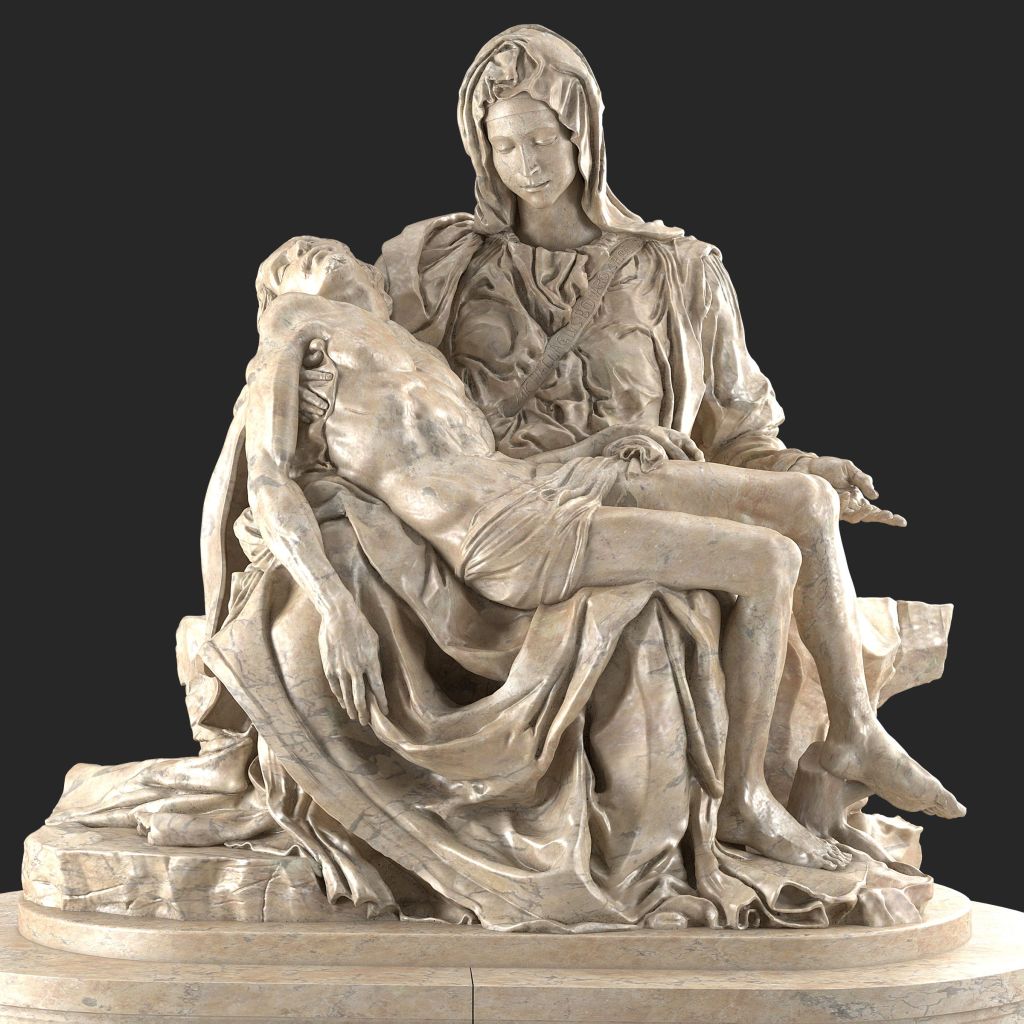
After creating “Bacchus, a French cardinal commissions the “Pieta” for St. Peters Basilica. Michelangelo gains the reputation of being a master sculptor.
Michelangelo’s Pieta depicting Mary holding the body of Christ.
Stone suggests the Pope asks why Mary appears so young and Michelangelo explains it is because she is the mother of a divine.
After the Pieta, Michelangelo is commissioned by overseers of the Office of Works of the Cathedral of Florence. This is not clear in “The Agony and the Ecstasy” but it reinforces Irving Stone’s recognition of Michelangelo’s deep connection to Florence. He returns to Rome, but his heart is in Florence. Much of Michelangelo’s time in Rome is uncomfortable and does not calm down for him until the Medicis return to power.
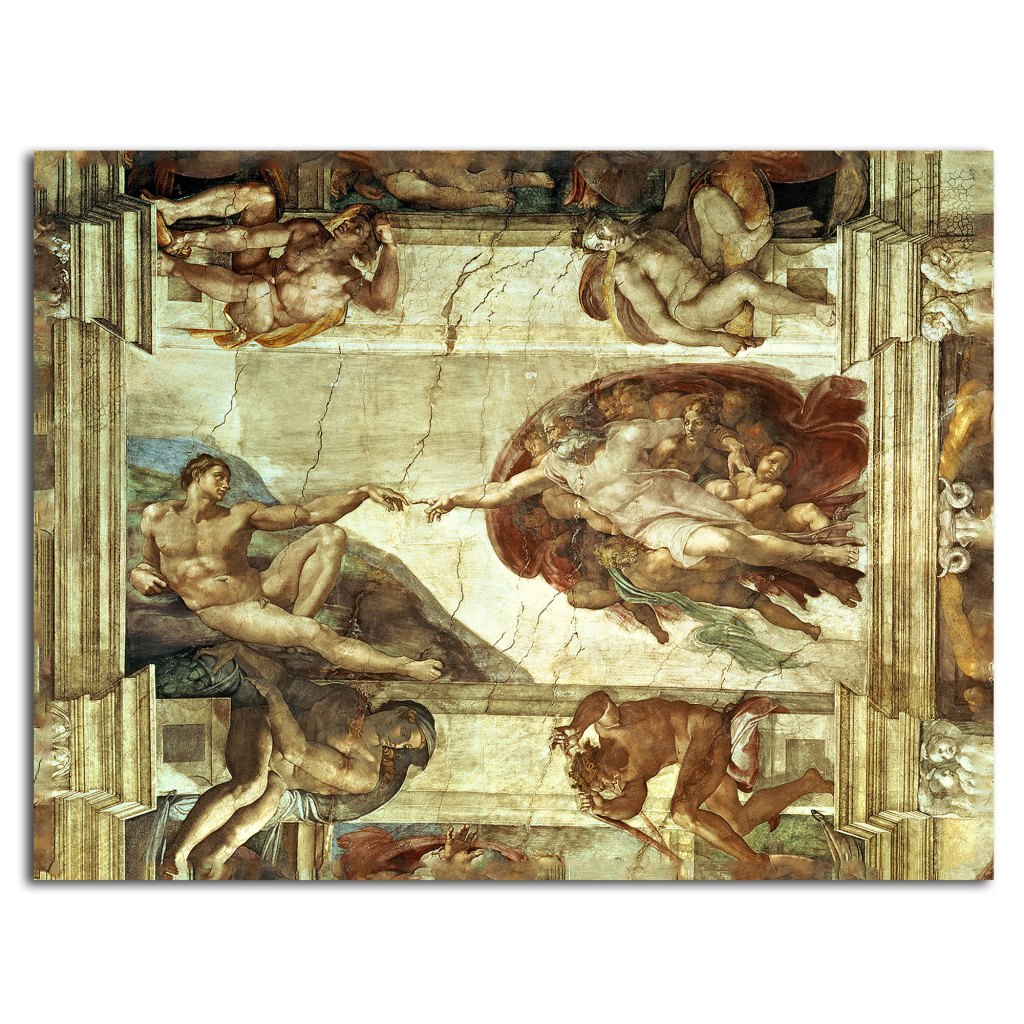
The warrior Pope, Pope Julius II heads the church from 1503-1513. Irving Stone explains; this Pope demands Michelangelo paint the ceiling of the Sistine Chapel at the Vatican in Rome. Of course, Michelangelo resists because he wishes to be remembered for sculpture, not painting, because it is an art that gives him joy. The forceful Pope insists, and Michelangelo makes a false start that changes into a history of the birth of the world on the ceiling of the Chapel. He works on the ceiling of the Chapel from 1508 to 1512.
Birth of the world.God touches AdamDetail of the touch.
Sistine Chapel painting by Michelangelo between 1508 and 1512.
The story of Michelangelo ends with the return of the Medicis to power. It is for Michelangelo–a journey of “…Agony and Ecstasy”–of love for his work, the daughter of a Medici, and the tumult of his time. Michelangelo never marries and dies at the age of 88 in 1564.












 REVIEWS AND VIEWS OF LIFE