MUSICAL CLASSICS

Pleasure in a classical performance can appeal to one who is familiar with the technical aspects of a production and to another for its emotional impact. Both Greenberg and Plotkin offer valuable insights to the relevance and reason for attending classical music performances in this ever-changing world.

Books of Interest
 Website: chetyarbrough.blog

Classical Music 101 (A Complete Guide to Learning and Loving Classical Music.)

Author: Fred Plotkin

Narrated By: Fred Plotkin
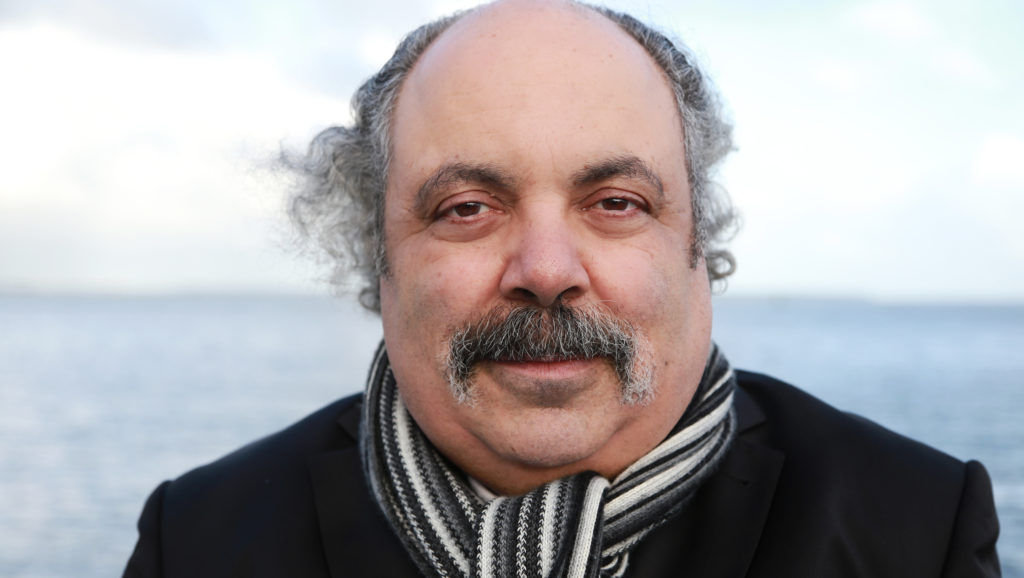
Fred Plotkin (Author, speaker, consultant on food, opera, and Italian culture.)

This is an informative overview of classical music but would have been better if some of the music referred to had been included in an audio version of Plotkin’s book. It is an interesting contrast to Professor Greenberg’s “Great Courses” lectures about classical music. Both writers offer insight to a non-musician’s interest in classical music. Both address Western classical music. They offer sketches of major figures like Bach, Mozart, Beethoven, and others. Greenberg introduces more information about musical grammar to offer a vocabulary of understanding while Plotkin focuses on how to listen and how modern renditions of the classics can be different from their original performances. The added dimension offered by Plotkin is the emotive qualities of particular musical instruments in a musical production.

Plotkin’s book is a more intuitive introduction to classical music productions than Greenberg’s lectures.

Plotkin’s music review is about the sensual message that classical music offers listeners. Greenberg, though equally insightful, offers a technical explanation of a classical’ composers or performers production. It would have been helpful to hear the difference between an original classical production and a modern interpretation, but Plotkin chooses not to use that audio tool. Plotkin’s high praise for Beethoven’s ninth symphony would have been a welcome audio addition to his insightful book.

Greenberg’s lectures are historical and chronological while Plotkin’s story is more about musical interpretation by different instruments in classical music productions.

Music, Opera, and History

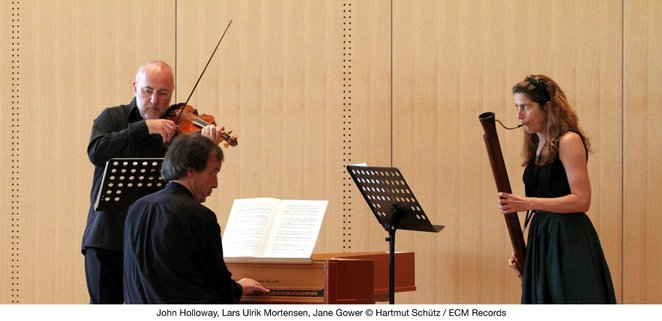
Plotkin delves into the change in performances based on newly invented music instruments and different interpretations by performers of classic pieces. A piano began as a harpsichord in the 1700s which plucked strings like those on a tightly drawn bow. This evolves into an escapement that has hammers striking taught strings evolving into today’s pianos. The range of sounds grows with the addition of foot pedals and framed strings evolve from wooden infrastructure to cast iron frames that allow tighter strings and richer sound. (See the review of “Chopin’s Piano“) The number of keys is standardized at 88 by the late 19th century. From these earlier changes, digital pianos are created in the late 1900s and soon hybrid pianos are made with both acoustic and digital features. Musical instrument evolution explains why Plotkin suggests listeners compare an original classical piece of music in a modern format. It may become emotively different from older recordings because of instrument focus in the music or change in the instrument of presentation. Plotkin notes there are experiential and interpretive differences in modern performances of the classics. Here is where an audio example would have been helpful.
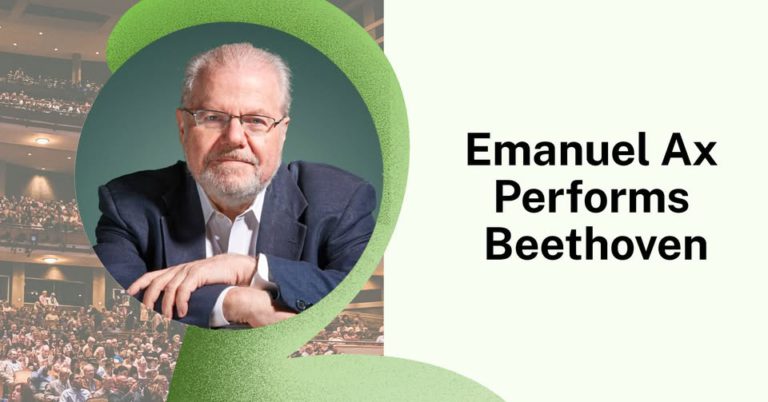
Plotkin notes that difference in musical performances go beyond changes in musical instruments. He notes interpretations of the classics change. He explains artists like Emanuel Ax and Marilyn Horne use tempo, and phrasings dynamics that offer different experiences to a listener. (Another example of why it would have been easier to understand if there was an audio example.) Plotkin endorses listening to recordings of musical productions because they offer clarity and access to a wider audience. However, Plotkin notes that a live performance offers more spontaneity and emotional immediacy than a recording.

It is feelings of a modern audience that excites Plotkin’s imagination

Plotkin makes the point that an historical original may or may not be the best that a composers’ creation offers to a modern audience. However, it is feelings of a modern audience that excites Plotkin’s imagination. In Plotkin’s opinion, a classics’ meaning is not to be cast in stone because times change, and yesterday’s history may not resonate with today’s events. What Plotkin is driving for is the cultivation of expert listeners who can appreciate yesterday’s classics because they resonate with today’s events, though composed in a different era, they offer new perspective to modern events.

One who has listened to both Greenberg’s lectures and Plotkin’s book recognize both want to reach an audience of non-specialists to nurture their interest in classical music.

Both believe classical music is an interpretive exercise based on an orchestra’s performance. They are peas in a pod when it comes to wanting to see emotional transformation in a person listening to a classic’s performance. Both Greenberg and Plotkin believe the classics are meant to be a sensual experience. Greenberg educates his audience on the structure and historical complexity of classical music. Plotkin focuses on classical musical instruments and performances that remain classics because of their emotive relevance to the present as well as the past.

Different points of view about classical music.

One presumes Greenberg’s and Plotkin’s two views of classical music may come into conflict in the changes from the original intent of great composers who have created what Greenberg may argue is a timeless masterpiece. Greenberg’s technical understanding of composition may seem more important than a transitory emotional response from a less knowledgeable audience. Here is where a detailed presentation of Beethoven’s ninth could have clarified the values of the classics noted in Plotkin’s excellent book. One wonders how a modern performance of Beethoven’s ninth might be different from an earlier version.
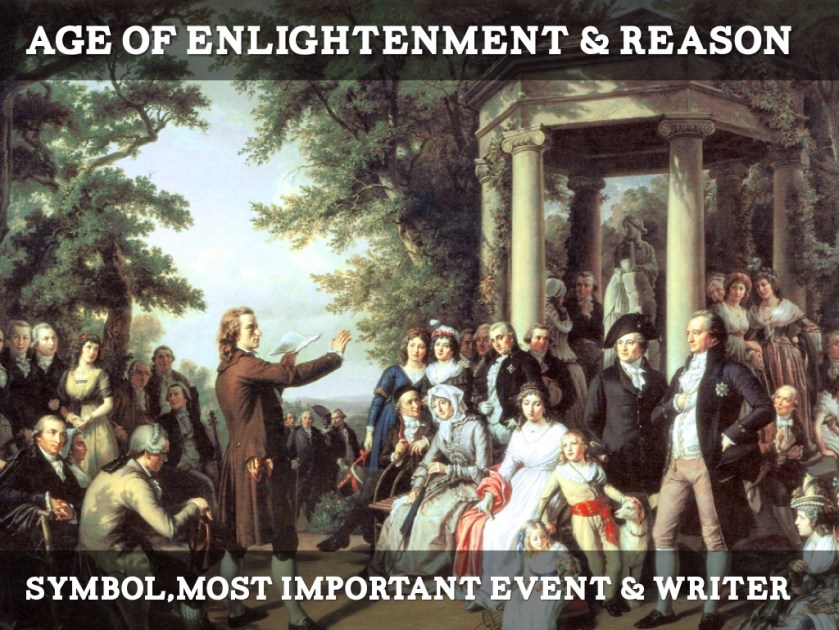
Value of musical classics.

Both Greenberg and Plotkin offer equal enlightenment on the value of musical classics. Audiences will always have different understandings of classical performances. The goal of a great classical performance is to please its audience. Pleasure in a classical performance can appeal to one who is familiar with the technical aspects of a production and to another for its emotional impact. Both Greenberg and Plotkin offer valuable insights to the relevance and reason for attending classical music performances in this ever-changing world.
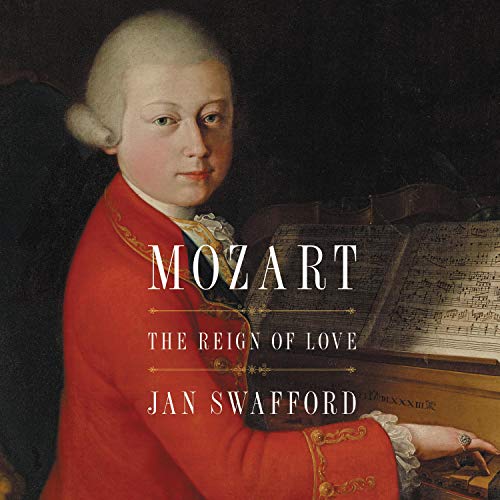
MOZART

This review does not do justice to Swafford’s excellent history of Mozart. One of the most revelatory and entertaining parts of Swafford’s history is the bawdy, funny, and clever poetry that Wolfgang’s letters reveal about his personality. Genius takes many forms.

Books of Interest
 Website: chetyarbrough.blog

Mozart (The Reign of Love)

By: Jan Swafford

Edited By: Tim Cambell

Jan Swafford (Author, American composer, lecturer and writer.)

Jan Swafford has written a magnificent biography that diminishes and reinforces the comedic/tragic/brilliant characterization of Mozart in the film Amadeus. By any measure, Mozart is shown by Swafford to be a funny and brilliant musician while widely considered by musicologists as one of the greatest composers of all time.

Tom Hulse as Mozart in the movie “Amadeus”.

Vaguely remembering the film, the comedy enacted by Tom Hulce was hilarious, but Swafford shows how truly remarkable Mozart was as a violin and piano musician who began at the age of seven to tour Europe with his eleven-year-old sister, and their father, in 1762. The film is entertaining but misses the immense talent of this family’ trio in his book “Mozart”.

Maria Anna Mozart (1751-1829) Sister of Wolfgang Mozart was a highly talented musician who played piano and toured with Wolfgang when he was 7 and she was 11.

Though Maria Anna Mozart may not have been a genius like her brother, Swafford explains she was a piano prodigy as a result of her father’s guidance as a music teacher. Leopold Mozart may have been a helicopter father who dominated his children’s lives but his contribution to their success is made clear by Swafford.

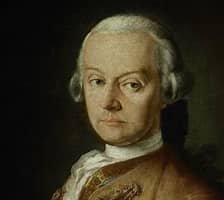
Leopold Mozart (1719-1787, father of Wolfgang and Maria Anna Mozart.)

Though Leopold Mozart is criticized by some as an over controller of his son’s life, it seems unlikely that Wolfgang Mozart would have become such a great musician and composer without his father. Wolfgang came to revile his father’s control of the family’s income that is largely a result of his daughter’s and son’s talents. Swafford shows how instrumental Leopold was in creating Mozart’s legendary abilities. Leopold was a great teacher who adjusted his teaching methods to the innate interests of his son and daughter. His daughter’s precocity did not reach the level of her brother’s success, but one wonders how much of her fame and ability is related to societal misogyny?

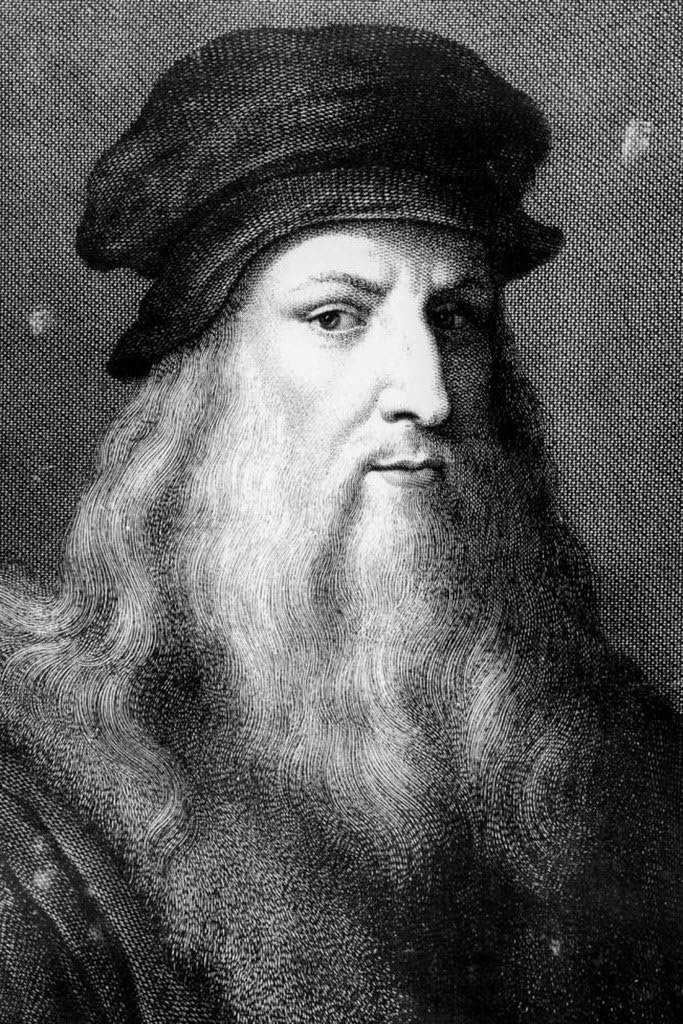
This remarkable history of the Mozart family makes one wonder what makes the difference between geniuses like da Vinci, Newton, Einstein, Dickinson and others and those of us who are ordinary. One presumes it is a combination of genetic disposition, education, and luck. All of these circumstances are presumed and revealed by Swafford in Wolfgang Amadeus Mozart’s life.

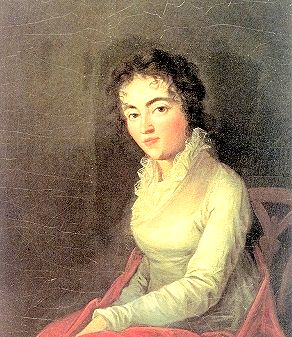
Swafford notes two women in Wolfgang’s life that were important. They were sisters. In 1777, Wolfgang sent a letter to his father about Aloysia Weber (on the left) and the possibility of her traveling with him to Paris. Aloysia is alleged to have rejected his advances, but Wolfgang’s father wrote a letter that vociferously objected to his son’s dalliance with the Weber’ daughters. Leopold implies Aloysia was a gold-digger and would ruin Wolfgang’s career. One may interpret the letter as more of a concern with Leopold’s son’s ability to raise money for the family, i.e. not the scandal of her travelling with Wolfgang. In any case, Wolfgang marries Constanze Weber (on the right), the younger sister, in 1782. It has been characterized as a marriage filled with love and mutual support.

Swafford explains why Wolfgang leaves Salzburg for Vienna, Austria in 1781.

Mozart felt his music was undervalued and constrained by the archbishop he worked for in Salzburg. To the disappointment of his father, Wolfgang moves to Vienna to pursue his career. His father’s disappointment was both financial and social. Because Leopold had been a guiding force in Wolfang’s life and career, not to mention the wealth he brought the Mozart family, his move to Vienna became a break from his father’s influence. They continued to correspond, but the familial and financial bond were broken with growing hostility felt by Leopold toward his son.

Wolfgang Amadeus Mozart (1756-1791 died at the age of 35.)

Wolfgang lives until 1791. His exact cause of death is unknown, but he had endured many illnesses in his 35 years of life. There is speculation that it was a recurrence of rheumatic fever or complications of strep throat. Some suggest it may even have been poisoning. The reality of that time is that the average life expectancy in the 18th century was 25 to 40 years of age. Some certainly lived to 50 or 60 but they lived most of their lives within a wealthy or privileged group. Wolfgang had some wealth in his last years of life, but not without a great deal of hard work as a master musician, composer and son of a near-do-well father.

One of the most revelatory and entertaining parts of Swafford’s history is the bawdy, funny, and clever rhymes that Wolfgang’s letters reveal about his personality. Two examples: “Oh my dear little cousin, I send you a thousand kisses, And if you don’t like them, Send them back with your wishes.” or “To every good friend I send my greet feet; addio nitwit. Love true true true until the grave, if I live that long and do behave.”

As noted in an earlier audio book review of Professor Robert Greenberg’s lectures on classical music the innovations of great composers were greatly enhanced by audio supplements.

This review does not do justice to Swafford’s excellent history of Mozart. Swafford’s audio book would be hugely improved for lay listeners with audio examples of Mozart’s noted contributions to classical music.

TODAY’S SYMPHONY

One will never listen to Beethoven’s Symphony No. 5 without thinking of Greenberg’s lecture that reflects on a troubled time in the world that bodes well for the future but awakens fears of the present.

Books of Interest
 Website: chetyarbrough.

Great Courses-How to Listen to and Understand Great Music, 3rd Edition (A Cultural History)

By: Robert Greenberg

Narrated By: Professor Greenberg

Robert Greenberg (Great Courses Professor, historian, composer, pianist, speaker, and author.)

This 25-hour audiobook is daunting and cannot be completed in one listen. It should not be rushed through because of its relevance to our 21st century world. Without doubt, Greenberg’s lectures give pride of place to Mozart as the greatest classical composer in history. This is not to diminish the huge contribution of other composers, but Greenberg seems particularly appreciative of Mozart. “How to Listen to and Understand Great Music” is an educational tour de force.

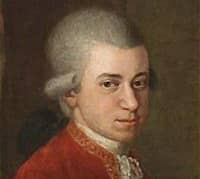
Wolfgang Amadeus Mozart (1756-1791) Greenberg argues Mozart as one of the greatest composers of all time.

Greenberg’s analysis of Beethoven’s Symphony No. 5 in C minor, Op. 67 reminds one of today’s American governance. This symphony was composed several years after the French revolution, but it is presented by Greenberg as a summation of the terrible times created by the revolution. Listening to Greenberg’s dissection of this masterpiece, one may see what is happening in America today is similar but not as violent as the political revolution of 1789. To this audiobook reviewer, Trump is a less intellectual Robespierre playing a role in a milder reification of the Reigh of Terror. Trump is a skilled orator but unprincipled and poorly suited for reinforcement of the ideals of the American Constitution.

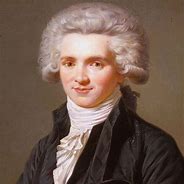
Maximilien Robespierre (1758-1794) A key figure in the French Revolution of 1789.

Greenberg’s lectures about Beethoven’s Symphony No.5 gives one hope that these next four years will only be the beginning of the threatening opening motif of “da-da-da-daah” that is like a knock on the door to a scene of destruction. Greenberg’s analysis of Beethoven’s famous symphony reminds this listener of Trump’s actions that are disrupting American governance. America seems at a moment of profound change.

A generation from now, one suspects Trump will be remembered as the Robespierre of America.

One will never listen to Beethoven’s Symphony No. 5 without thinking of Greenberg’s lecture that reflects on a troubled time in the world that bodes well for the future but awakens fears of the present.

MUSIC APPRECIATION

Listening to the examples of Professor Greenberg’s views on music make this audiobook an immense pleasure. It is a long audiobook but one who takes long walks will be highly entertained by the Professor’s insight to music of the world.

Books of Interest
 Website: chetyarbrough.

Great Courses-How to Listen to and Understand Great Music, 3rd Edition (A Cultural History)

By: Robert Greenberg

Narrated By: Professor Greenberg

Robert Greenberg (Great Courses Professor, historian, composer, pianist, speaker, and author.)

This is a history of Great Music by a remarkable professor who fully utilizes the value of audiobooks in his teaching. Though this is a long audiobook, every lecture is a pleasure for a listener who knows little about the history or styles of music. Professor Greenberg’s enthusiasm and pointed opinions about music and its evolution are informative, clearly explained, and fabulously entertaining, particularly for non-musicians.

The professor’s storytelling is highly entertaining. He reviews the history of music anecdotally, interspersed with musical examples (some of which are his own piano playing) and precise definitions of words used in music that offer clarity and entertainment to his audience.

The span of history which Greenberg covers is from ancient music traditions to the progressive development of Western music. He helps one understand what to listen for when attending musical presentations. He spans Renaissance, Baroque, Classical, Romantic, and 20th-century music. From Bach’s Baroque musical production to Shostakovich’s politically tinged symphonies, one learns how music is exemplified and amplified by history.

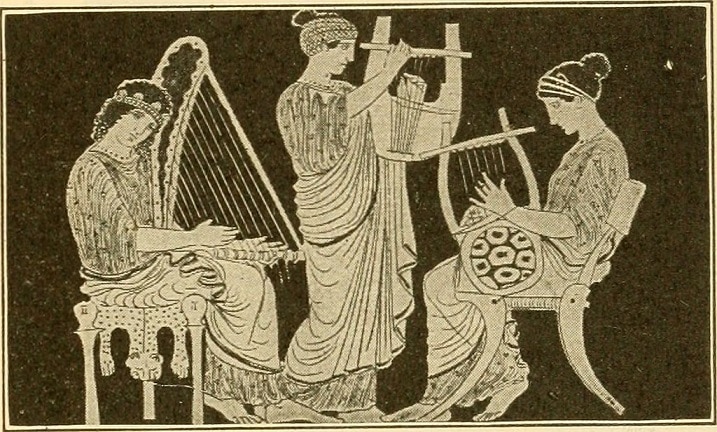
Greenberg begins with ancient Greek and Roman music.

He explains the role of music in Greek tragedies and offers examples of Gregorian chant and medieval polyphony (two or more independent melodies that are interconnected). He notes Bach’s fugues as polyphonic hallmarks of Western classical music that rose in the Renaissance and Baroque periods.

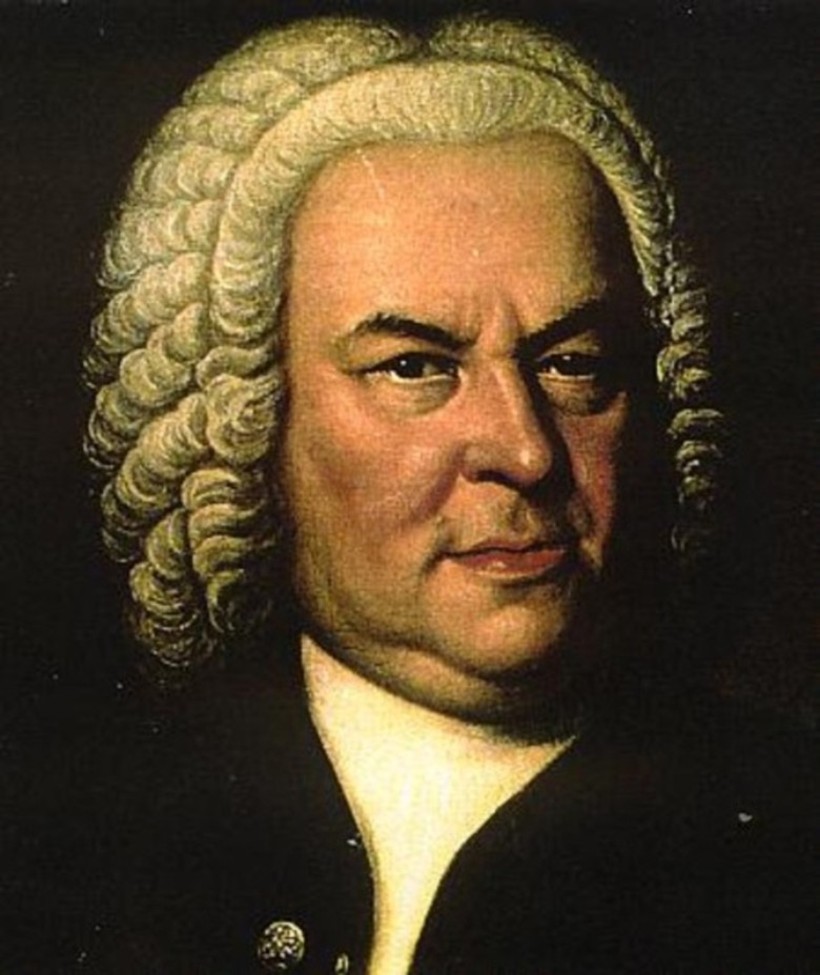
Johann Sebastian Bach (1685-1750, German composer and musician of the late Baroque period.)

Greenberg provides examples of a fugue and concerto. A fugue is a musical composition with a theme that is interwoven with overlapping voices. He offers the example of Bach’s music.

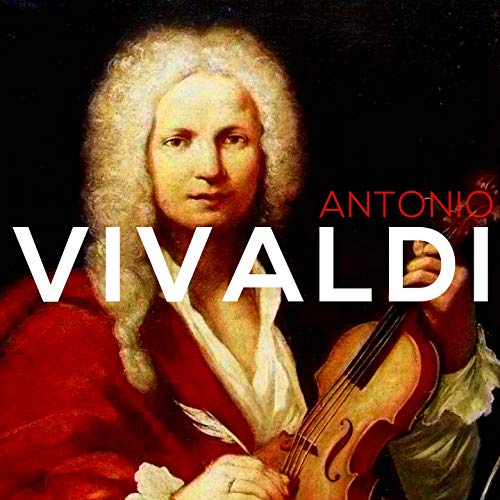
Antonio Vivaldi (1678-1741. Italian composer, virtuoso violinist of Baroque music.)

In contrast, concerto is a solo instrument (or a group of soloists) offering an orchestral presentation infused with dialogue. The Four Seasons by Vivaldi would be an example but the fascinating point is that the dialogue is in music, i.e. no words, but a clear representation of the seasons in an abstract way. You hear the sounds of spring, summer, fall, and winter.

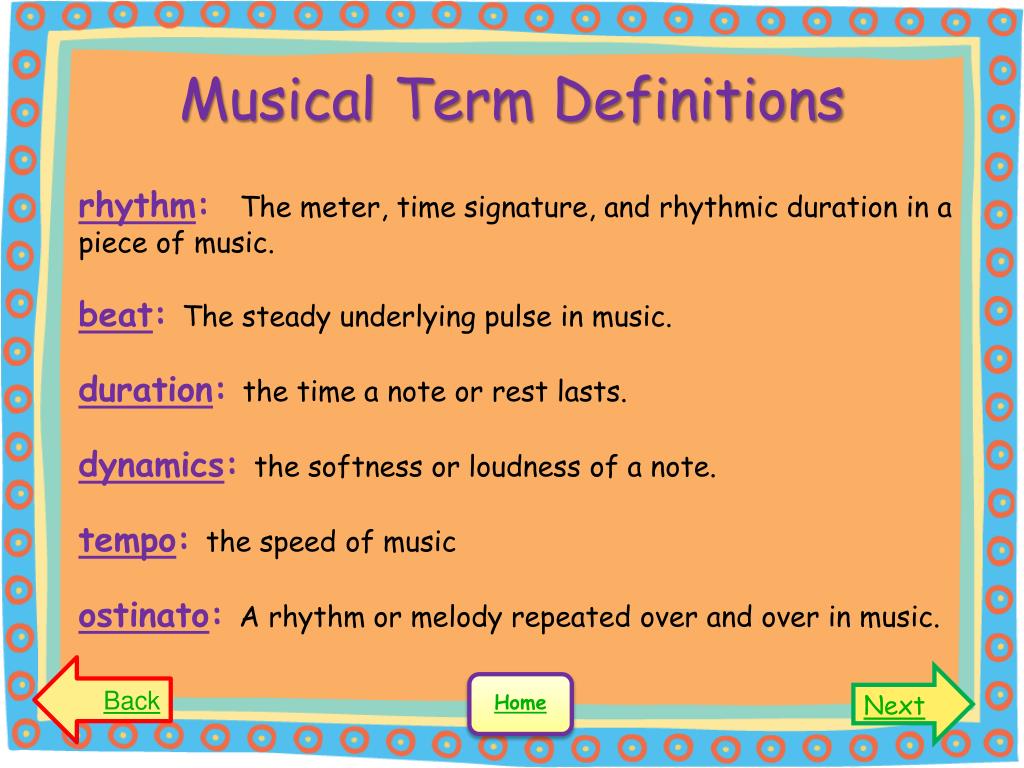
Greenberg offers definitions of musical terms.

Greenberg also defines a number of musical concepts and terms:

Melody: A sequence of musical notes that are perceived as a single entity, often referred to as the “tune.”

Harmony: The combination of different musical notes played or sung simultaneously to produce a pleasing sound.

Polyphony: Multiple independent melodies played or sung simultaneously, creating a complex and interwoven texture.

Sonata Form: A musical structure commonly used in the first movements of symphonies and sonatas, typically consisting of an exposition, development, and recapitulation.

The Professor notes the fundamental difference between German and Italian classical music.

The Italians created opera to illustrate the emotions of life through operatic story telling. Germans highlight intellectual depth and structural complexity. Greenberg notes Italians celebrate the melodic beauty and operatic flair of music. This difference is exemplified by the Catholic church’s sale of indulgences.

Martin Luther (1483-1546)

Greenberg recounts the history of the Reformation. He notes the impact of Martin Luther (1483-1546), the key German figure in the Protestant Reformation who posted the 95 Thesis that criticizes the Catholic Church’s practice of selling indulgences for sinners to get into heaven. The 95 Thesis was a direct challenge to the authority of the Pope to use indulgences to raise money for the Catholic Chruch. Luther believed only faith, an emotionally grounded intellectual belief, could pave one’s way to heaven.

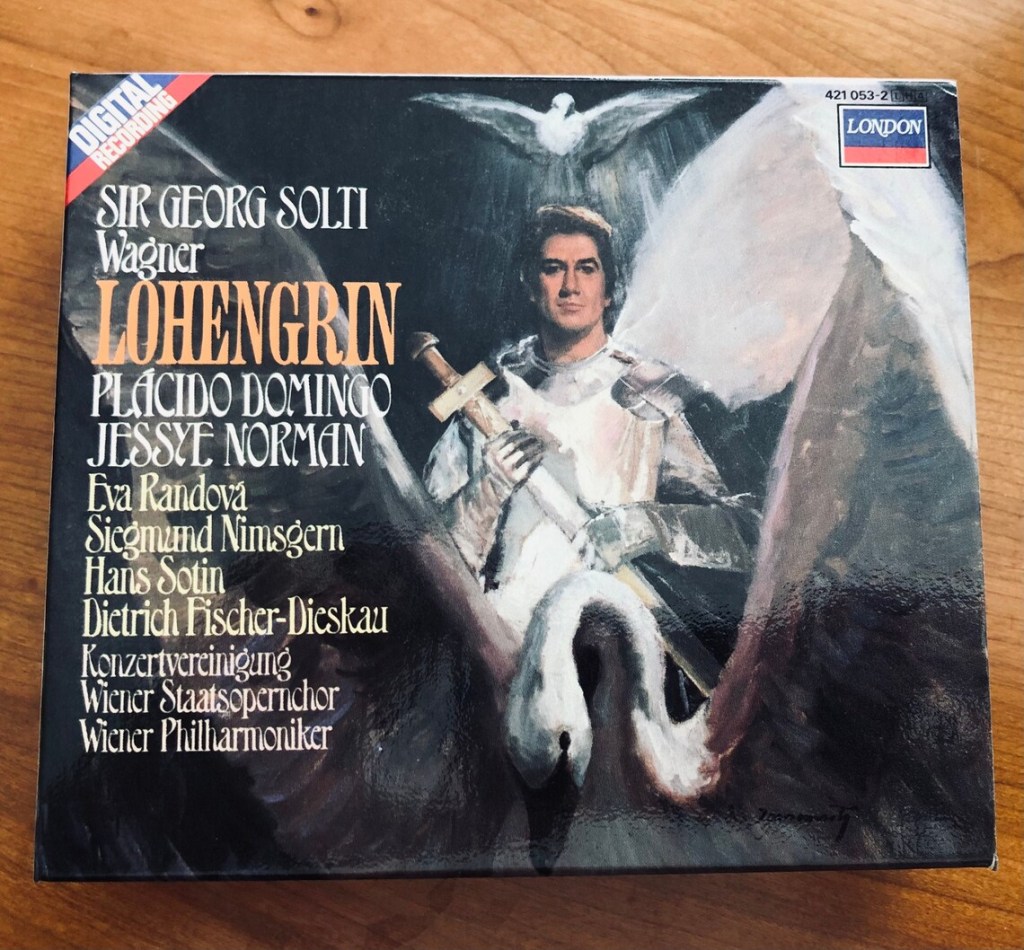
Rather than an Italian Rossini or Puccini opera, German operas have complex narratives with composers like Wagner and Straus who are exploring ideas like destiny, heroism, and the human condition. Both German and Italian operas engage emotions, but German operas tend to explore philosophical, mythological, or psychological themes while Italians focus on heart-wrenching human emotions.

Listening to the examples of Professor Greenberg’s views on music make this audiobook an immense pleasure. It is a long audiobook but one who takes long walks will be highly entertained by the Professor’s insight to music of the world.