
Travel
By Chet Yarbrough
(Blog:awalkingdelight)
Website: chetyarbrough.blog
Turkey in 2019
Written by: Chet Yarbrough

Turkish school visit 2019

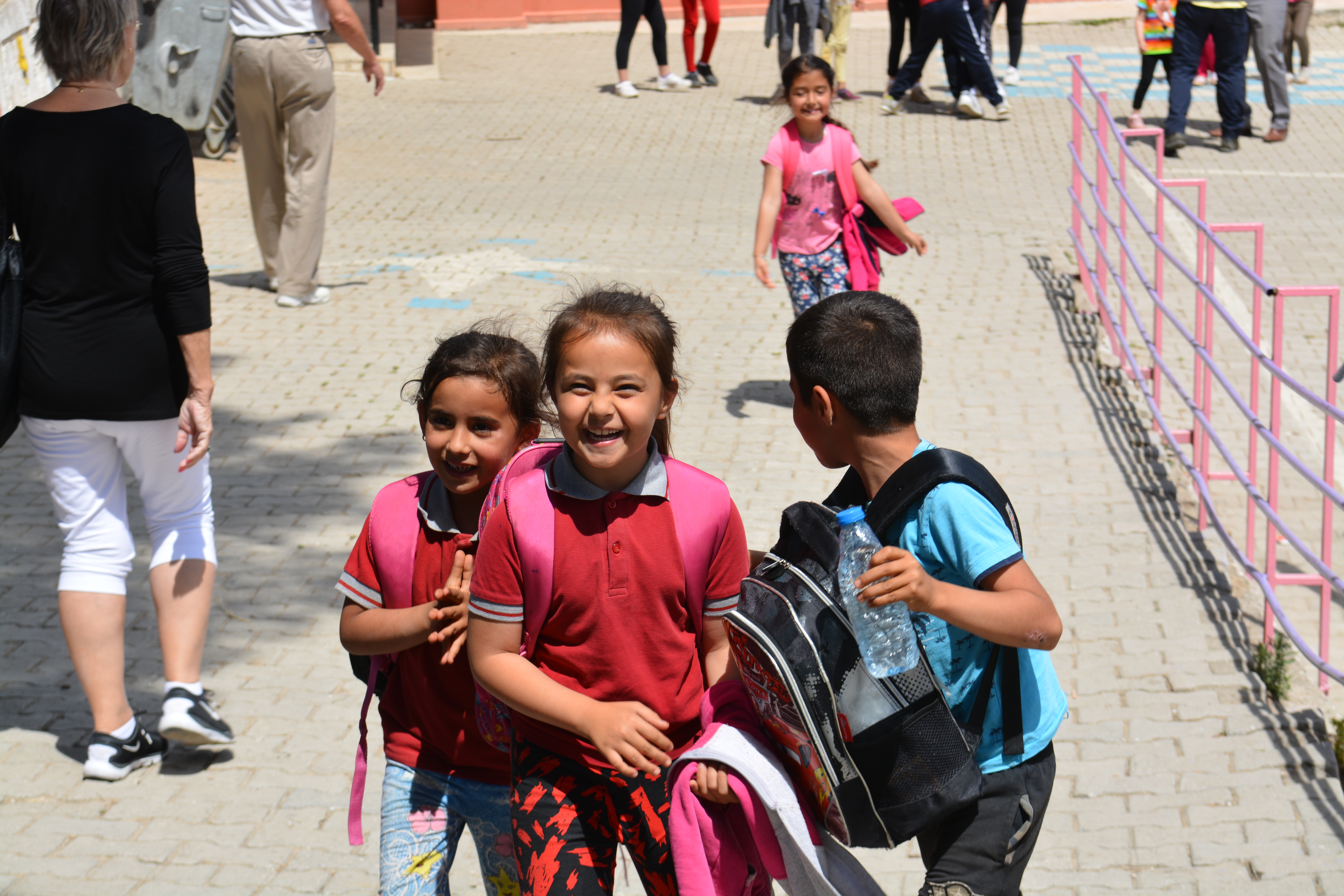

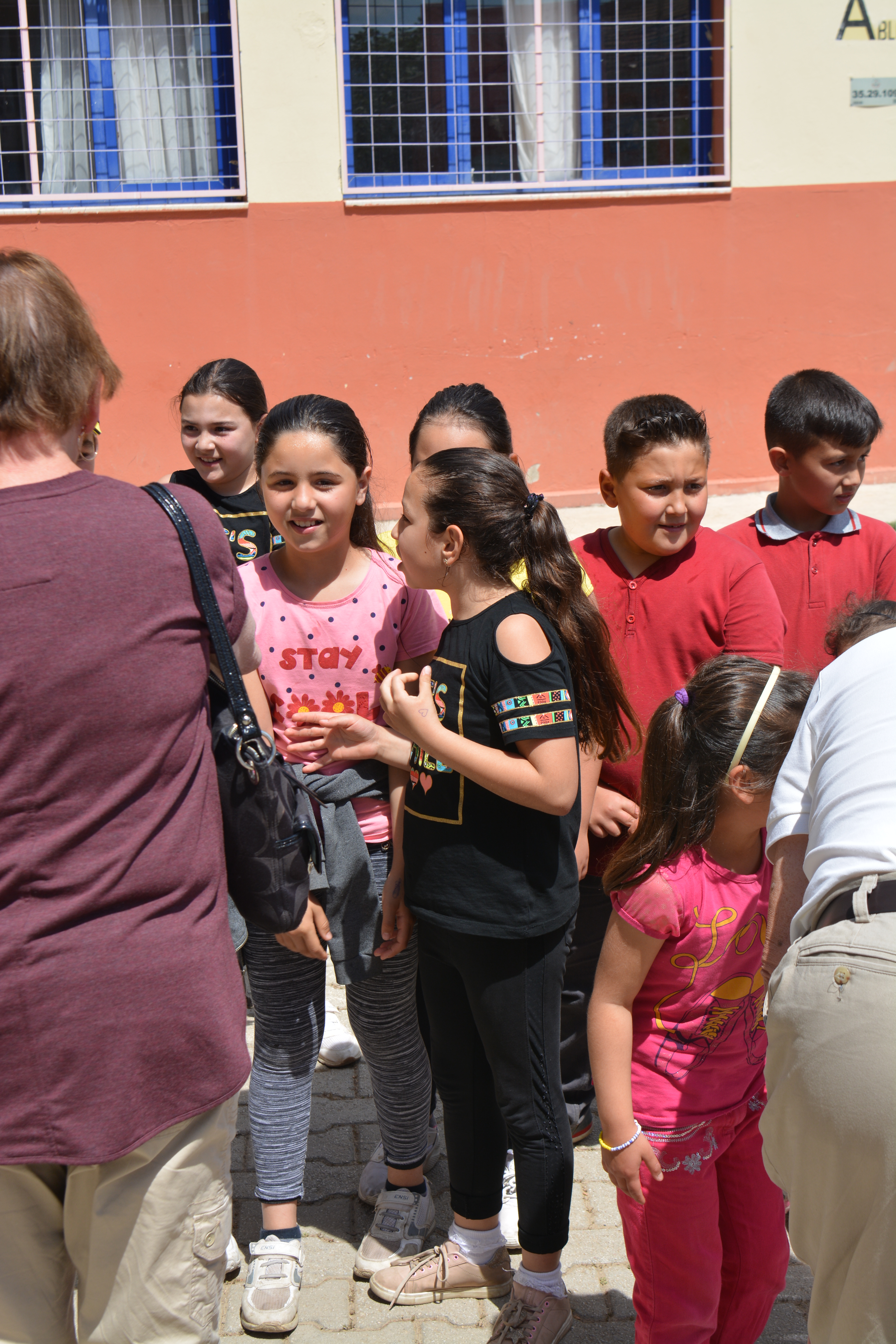

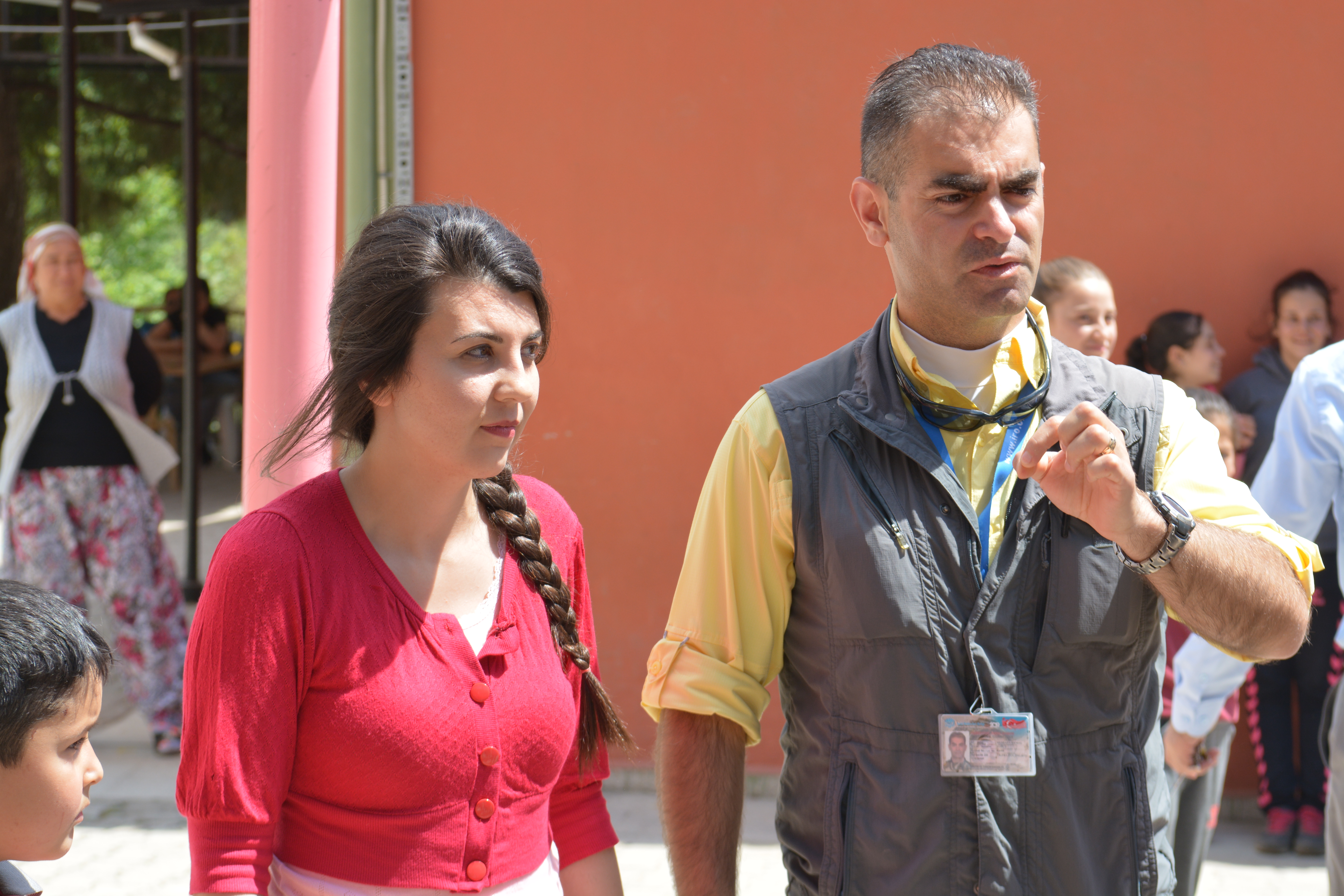

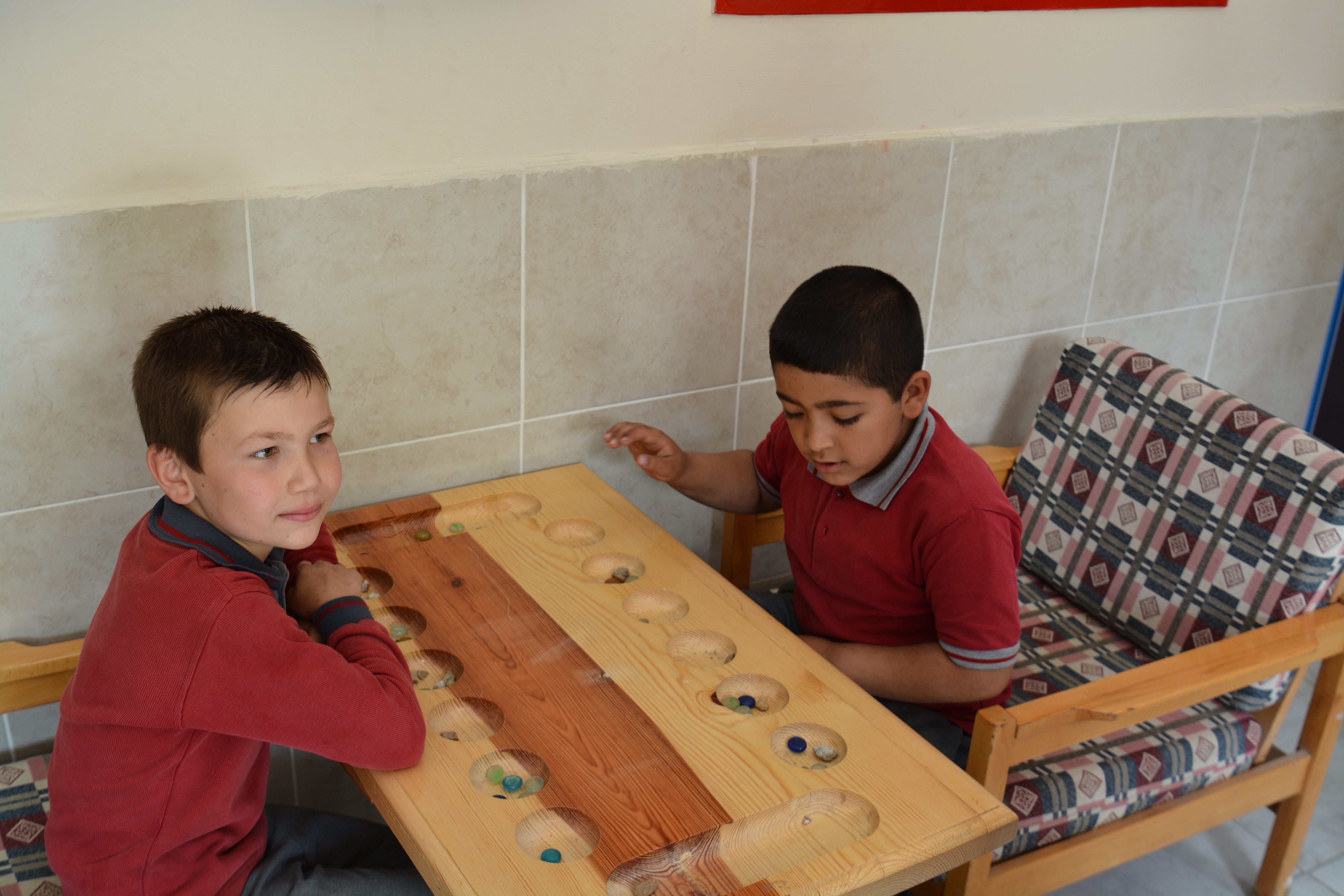

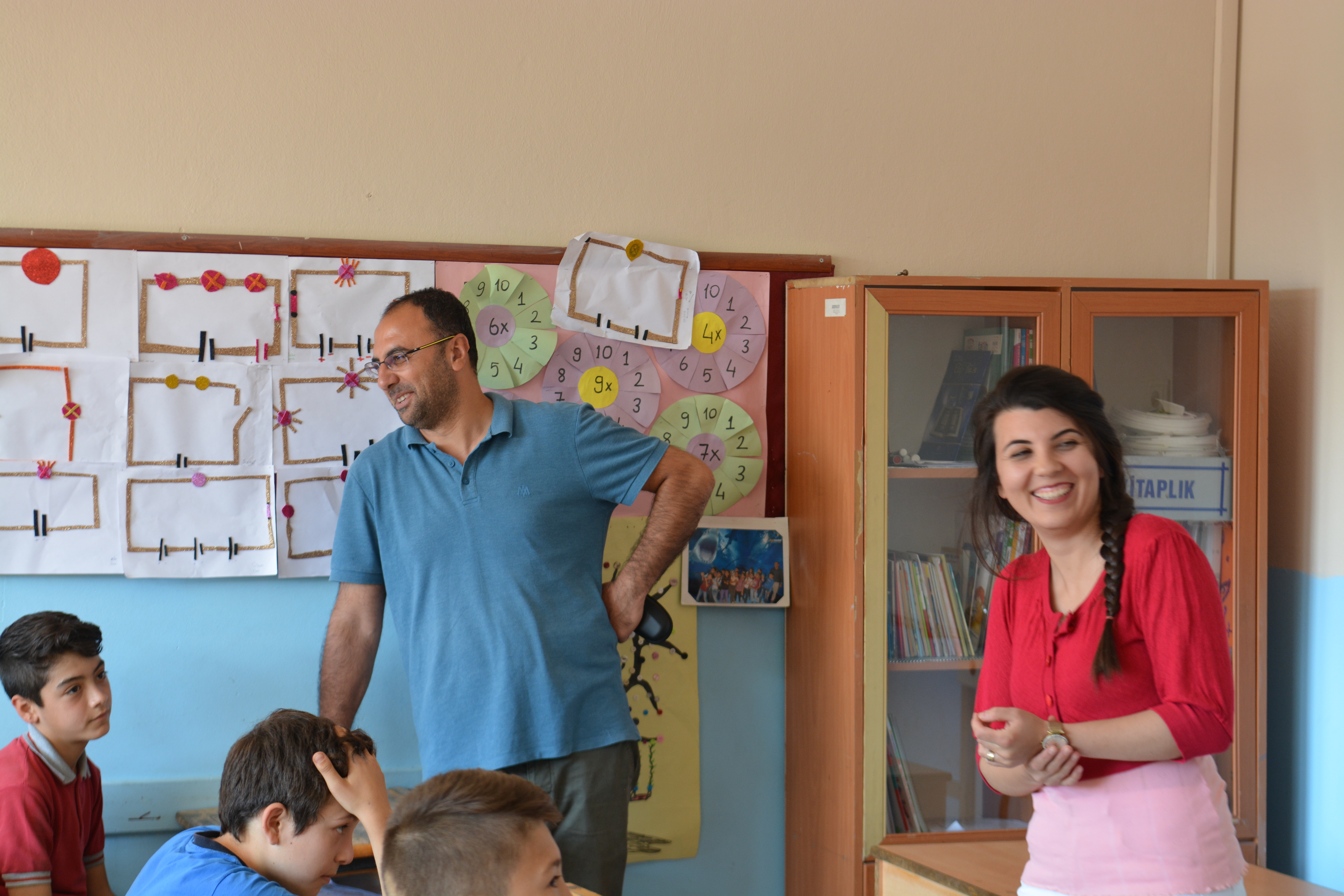
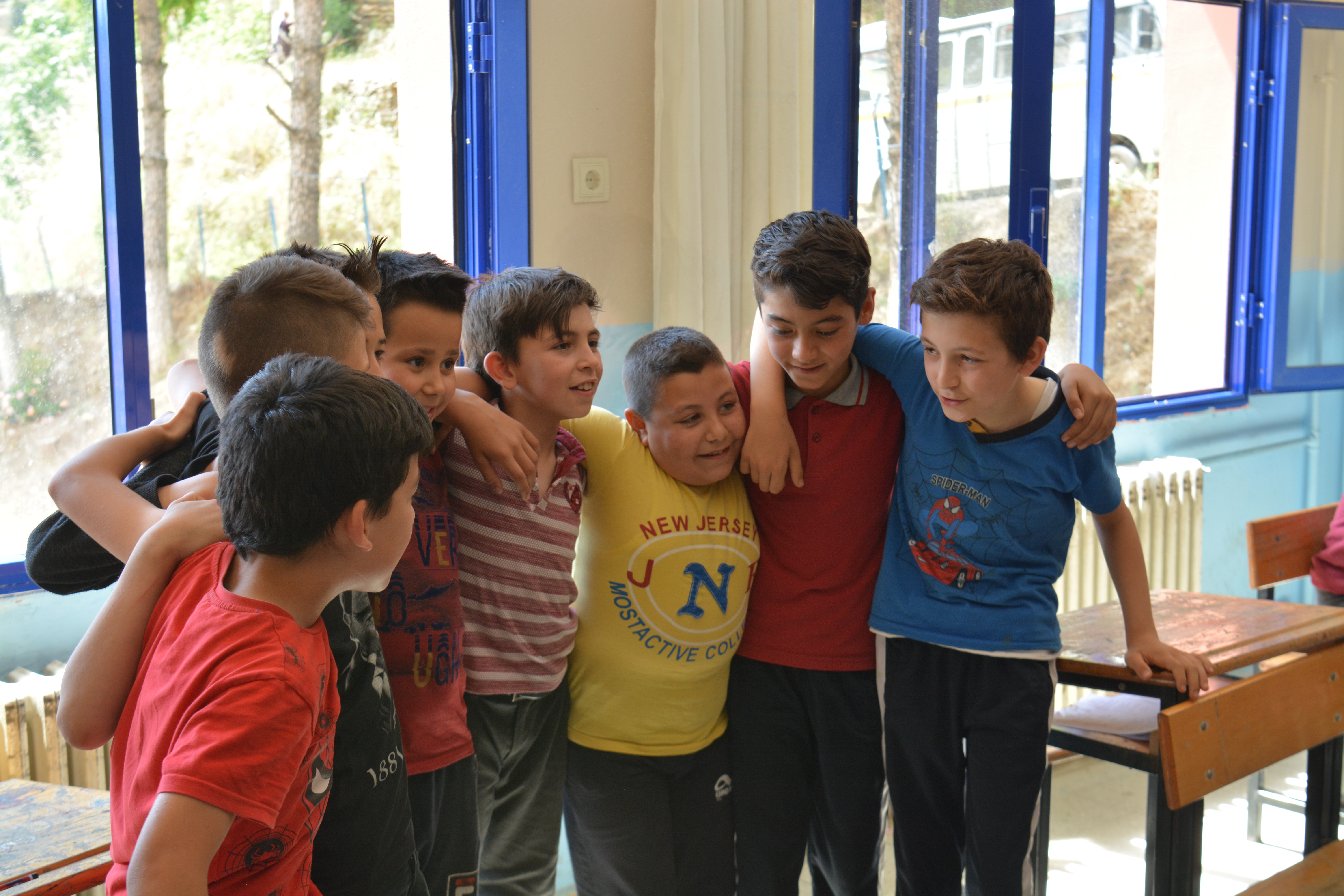

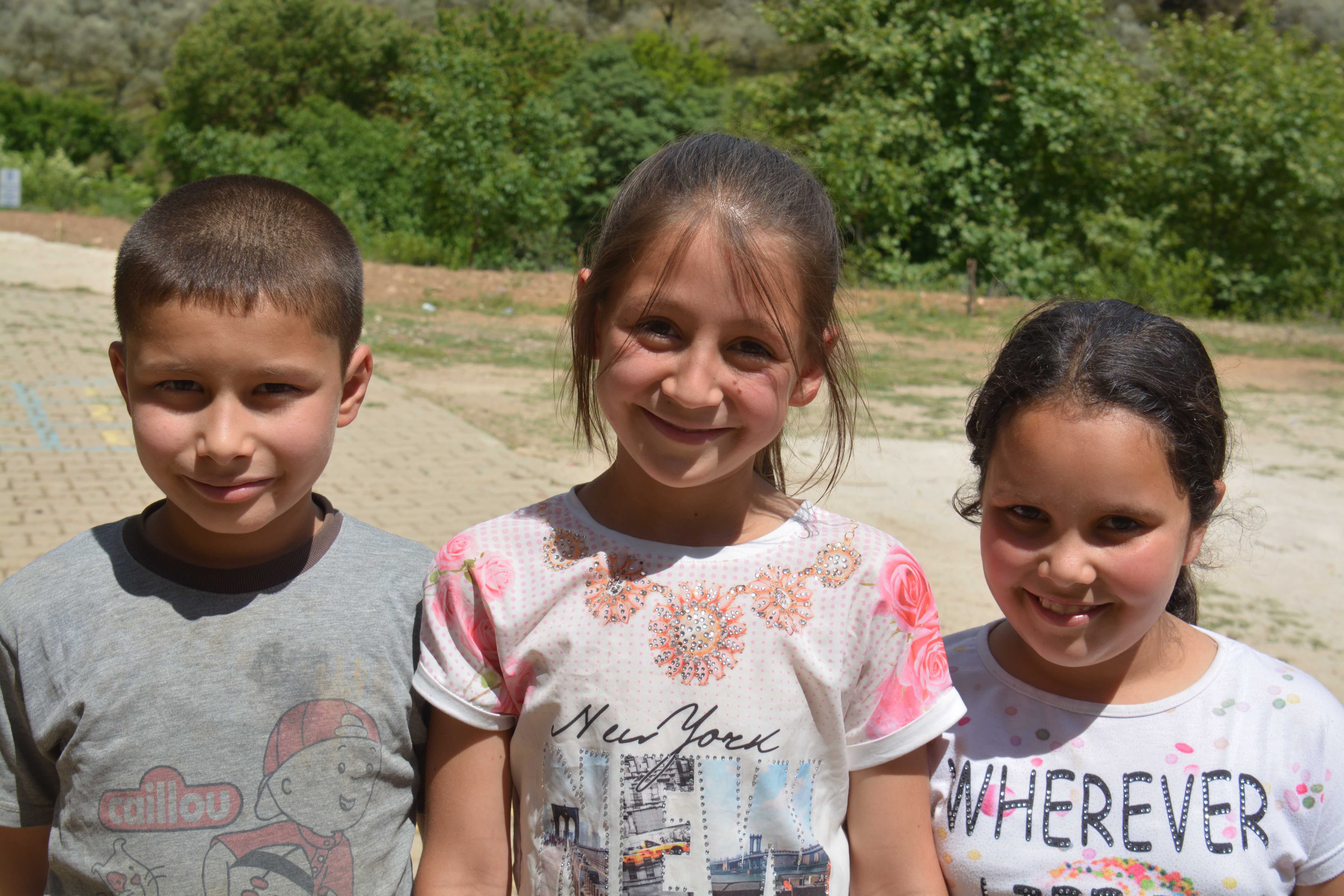
Spending three weeks is not enough time to learn much about a country. However, with the help of local guides, and O.A.T.’s policy of travel, there is a glimmer of what life is like in whatever country you visit.

O.A.T. provides educated local guides, a school visit, shopping opportunities, artisan worker experiences, historic site hikes, controversial subject presentations, and dinners at numerous local eateries in their programmed trips abroad. Emphasis is placed on cultural immersion. There is an opportunity to have dinner with a local family and to meet local business people.
O.A.T.’s professional guides explain the history of ancient sites and answer questions about current events while traveling between cities and towns. Travelers gain first-hand views of a country’s culture and history.
Prior to leaving, our guide to Turkey suggests reading “Birds Without Wings” (reviewed earlier in this blog) as an introduction to Turkish society. This historical novel offers a record of Turkey’s ascendance as an independent nation; just before, and after WWI. Turkey is a complex state; re-defined by its Turkish heritage after the war.

In every Turkish city and town, there is an image or statue of the founder of the Turkish Republic. His name is Mustafa Kemal Ataturk.
Ataturk is Turkey’s George Washington. He is revered in the same manner as America’s first President. The formation of an independent secular state is what the founder of the Republic demanded. Leaders of Turkey, since Ataturk, have insisted on Turkey’s independence and a government unrestricted by religious belief.

There is an historical continuity in Turkey that seems poorly understood in America. That continuity is the secular nature of its government.

In 1923, Ataturk founded the republic as an independent and secular state. Even before modern times, when Turkey is part of the Ottoman Empire, emphasis is on government’s independence from religion. The Ottoman Empire’s history of diversity in religion is clearly shown by remains of Christian relics, churches, and seminaries in a tour of Turkey’s older cities, and towns.
Turkey is often perceived as a singular Islamic state. Yes, over 98% of its population identifies itself as Muslim. However, America’s population classifies itself as over 70% Christian. Just as American government is not a theocracy, Turkish government is not defined by its religion. Turkey is not a theocracy like Iran, Afghanistan, Yemen, or Saudi Arabia.

Neither America nor Turkey could deny religion’s influence on culture, but day to day life is primarily an economic; not religious struggle.


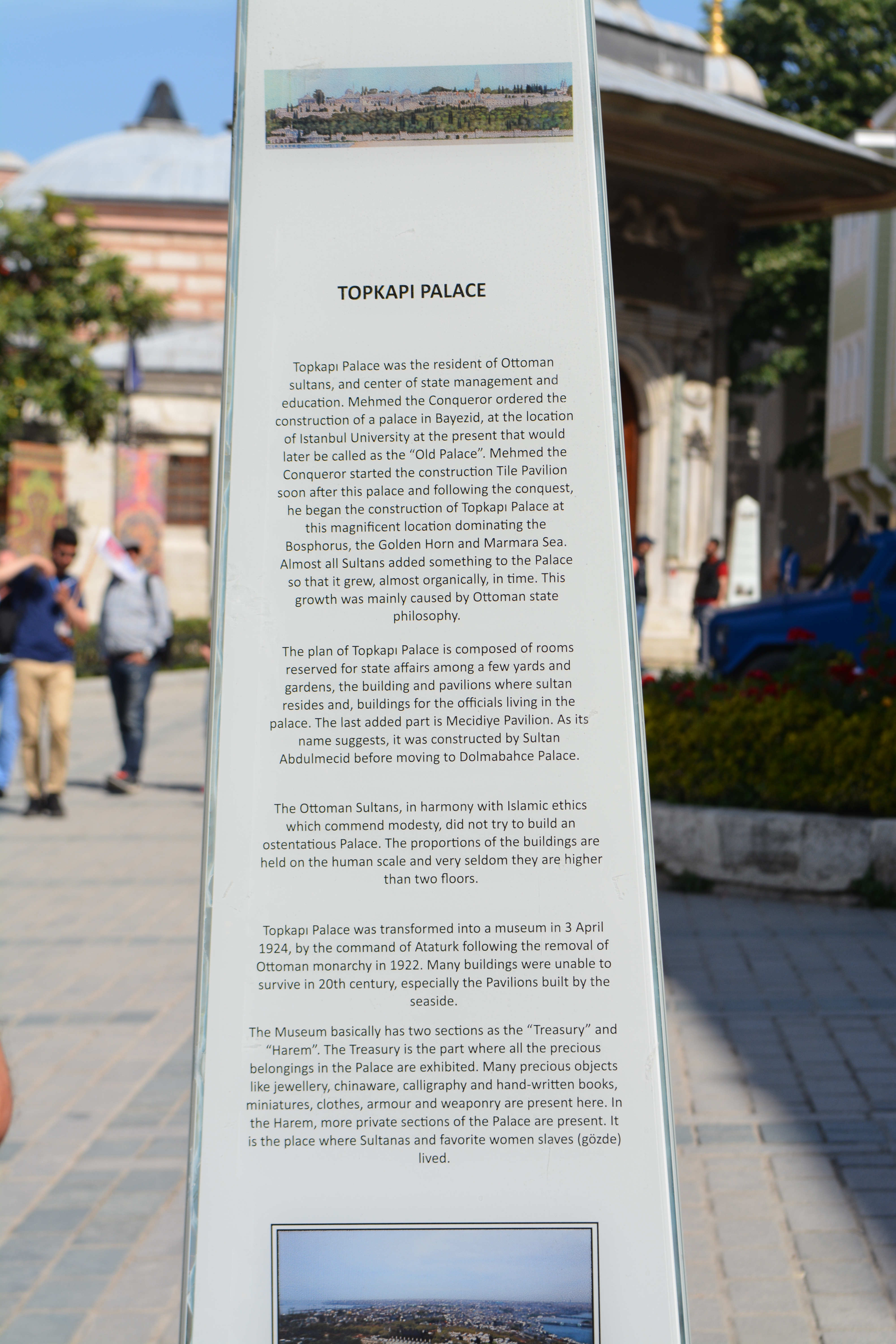
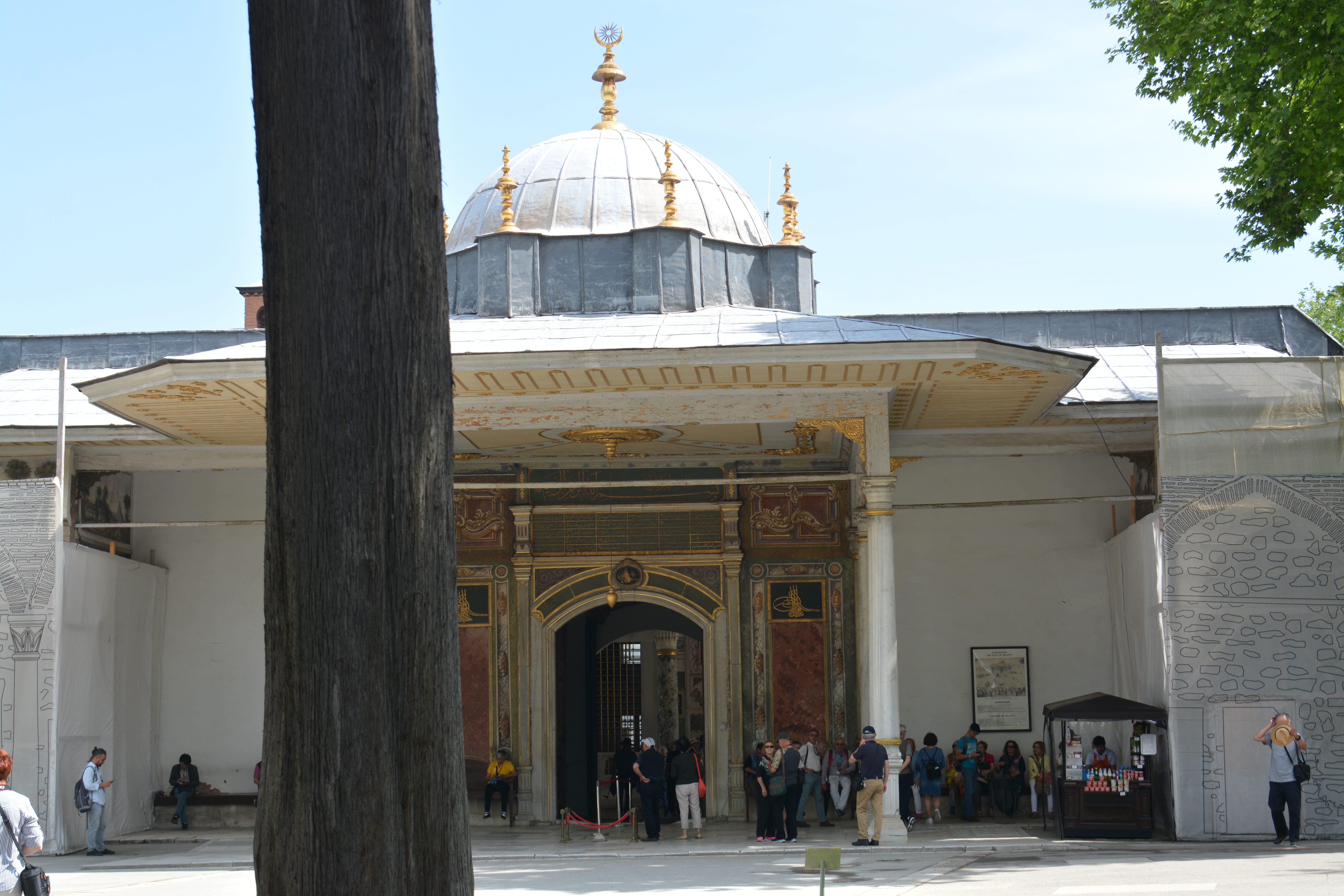

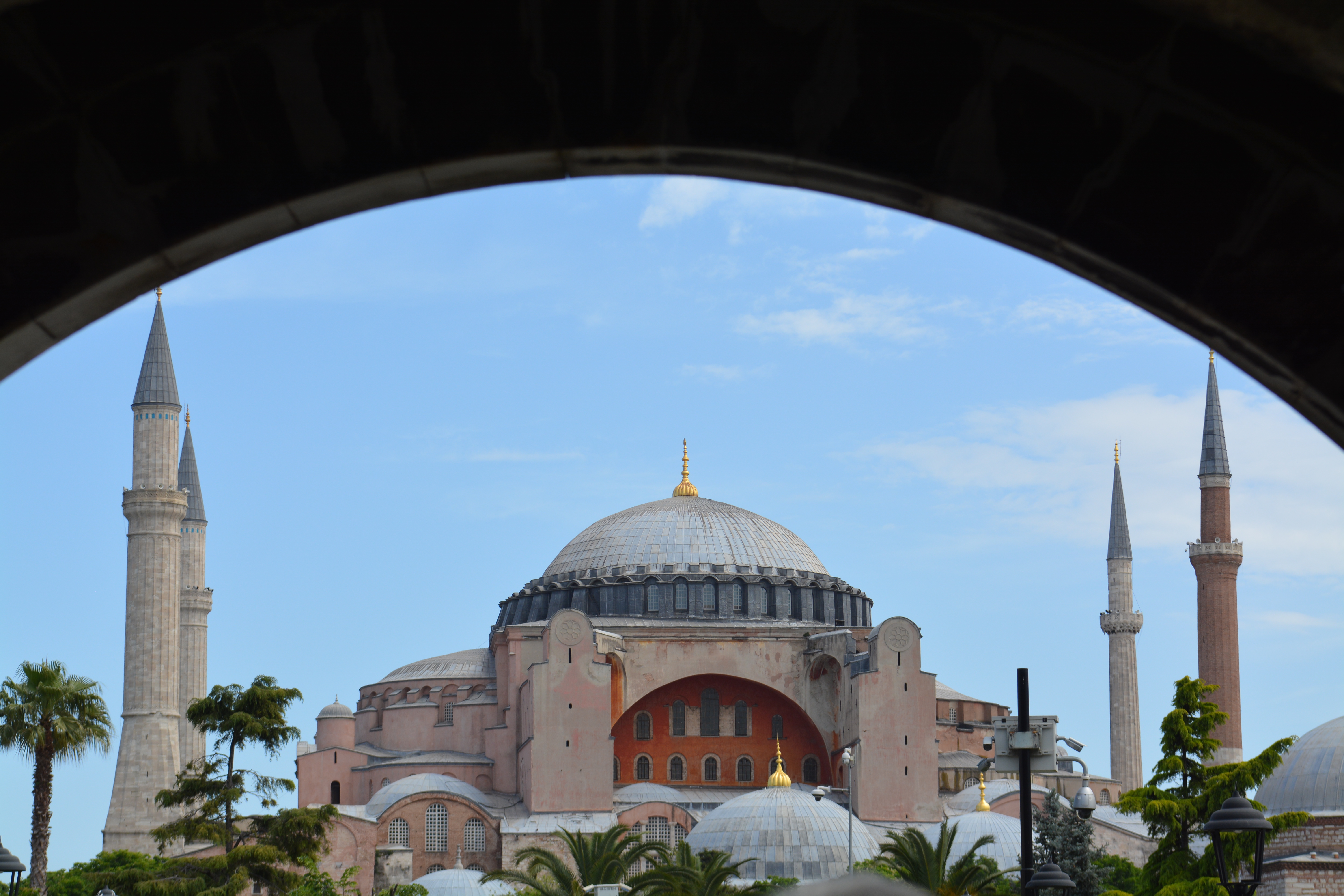
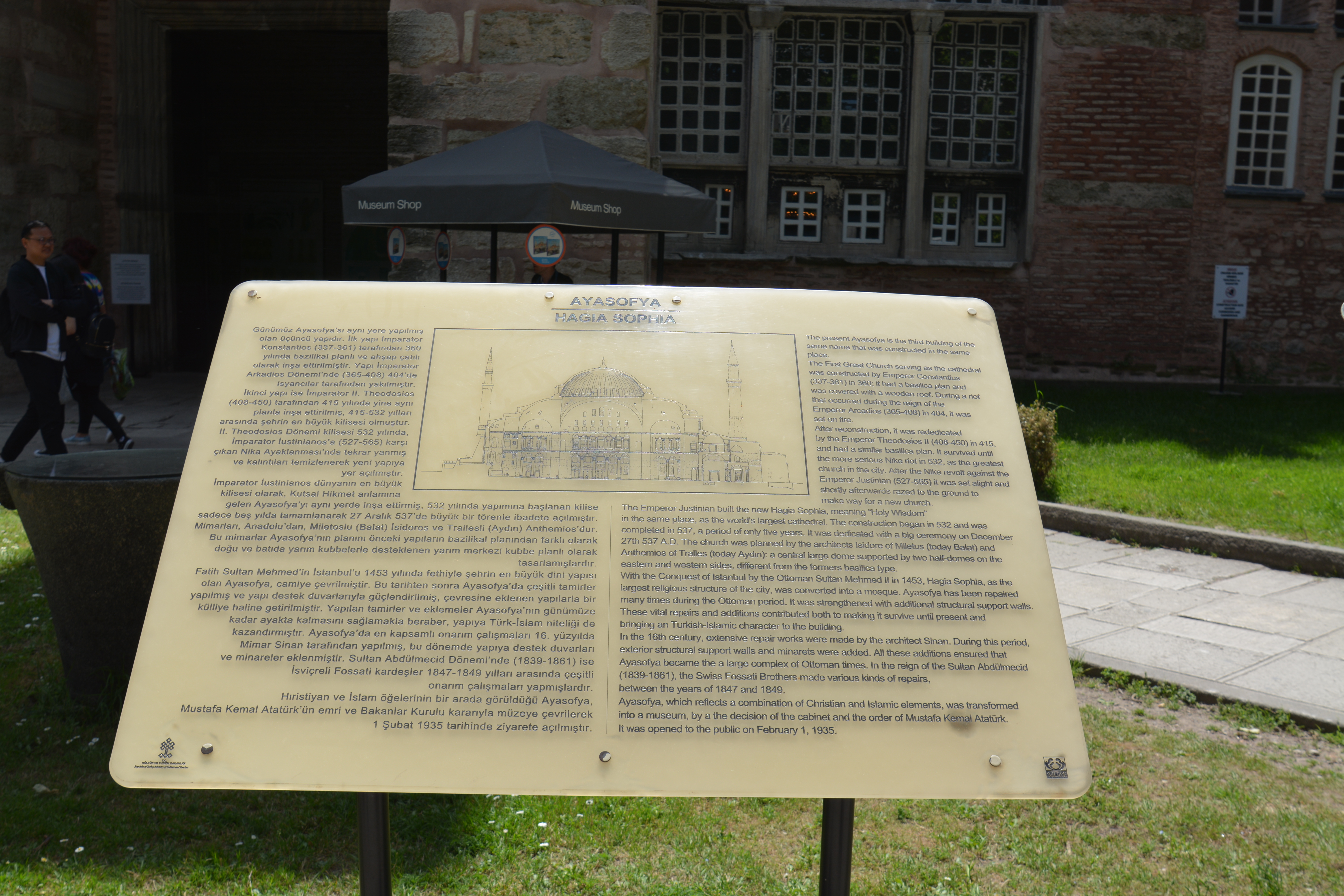


Though one cannot deny Muslim cultural influence, Turkey tightly controls religious radicalization of its citizens. Like America, the Turkish government has never been dominated by a religious faction.
At worst, religion becomes a crutch used by both Turks and Americans to gather followers who desire power; not religious enlightenment. At best, religion in both Turkey and America is a refuge from the hardship of life.
Ironically, the creation and evolution of a singular Christian faith is shown in many ancient Turkish sites. At the time of the Greco/Roman era, when Christianity began its conversion of pagan and Jewish followers, many churches and monasteries dotted the Mediterranean coast of what became Turkey. Religious Saints like Saint George, Nicholas, Stephen, Peter, Paul, and John were born or preached in Turkey. St. John spent the last 23 to 30 years of his life in Turkey. St. Paul visited Turkey in all three of his missionary journeys.
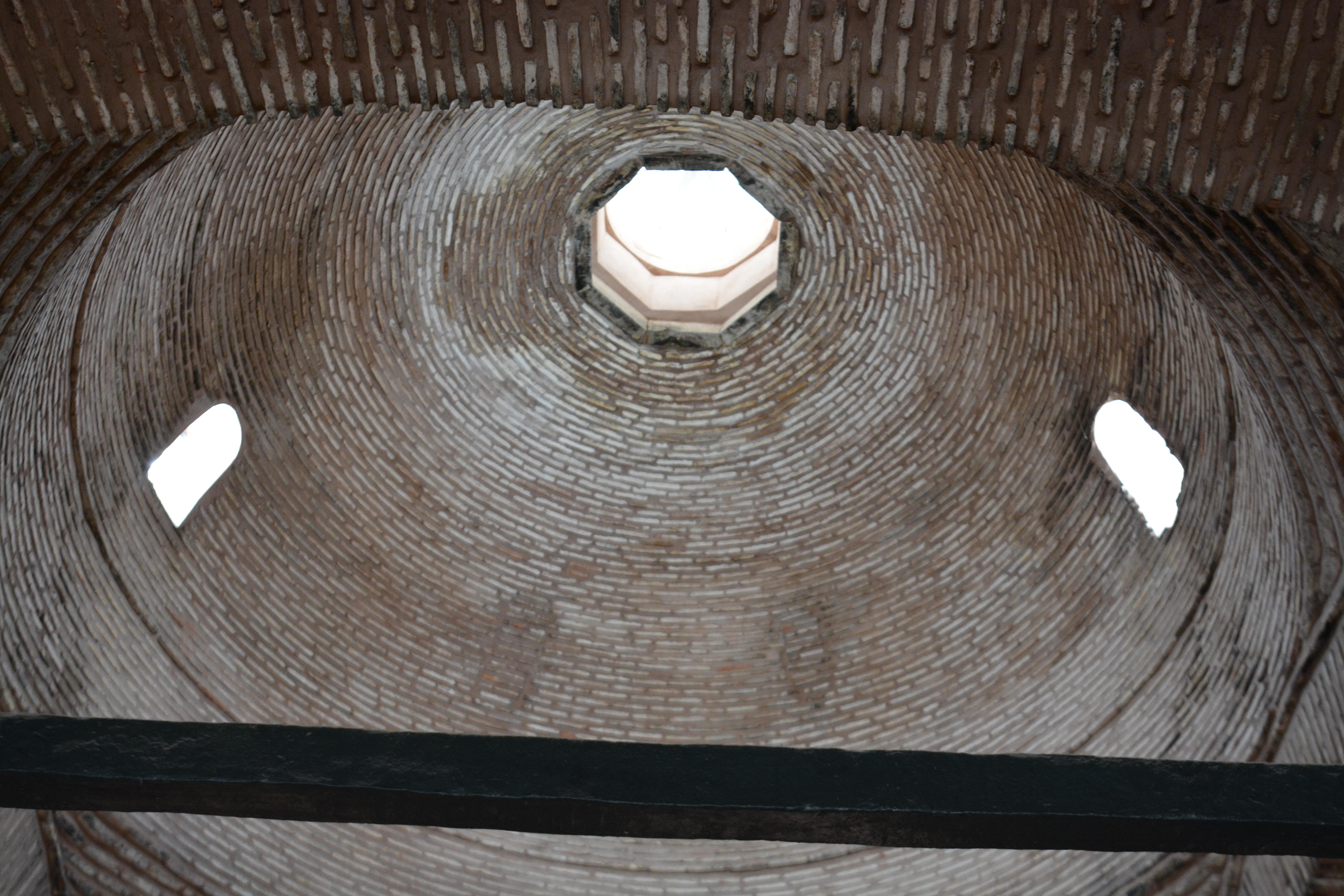


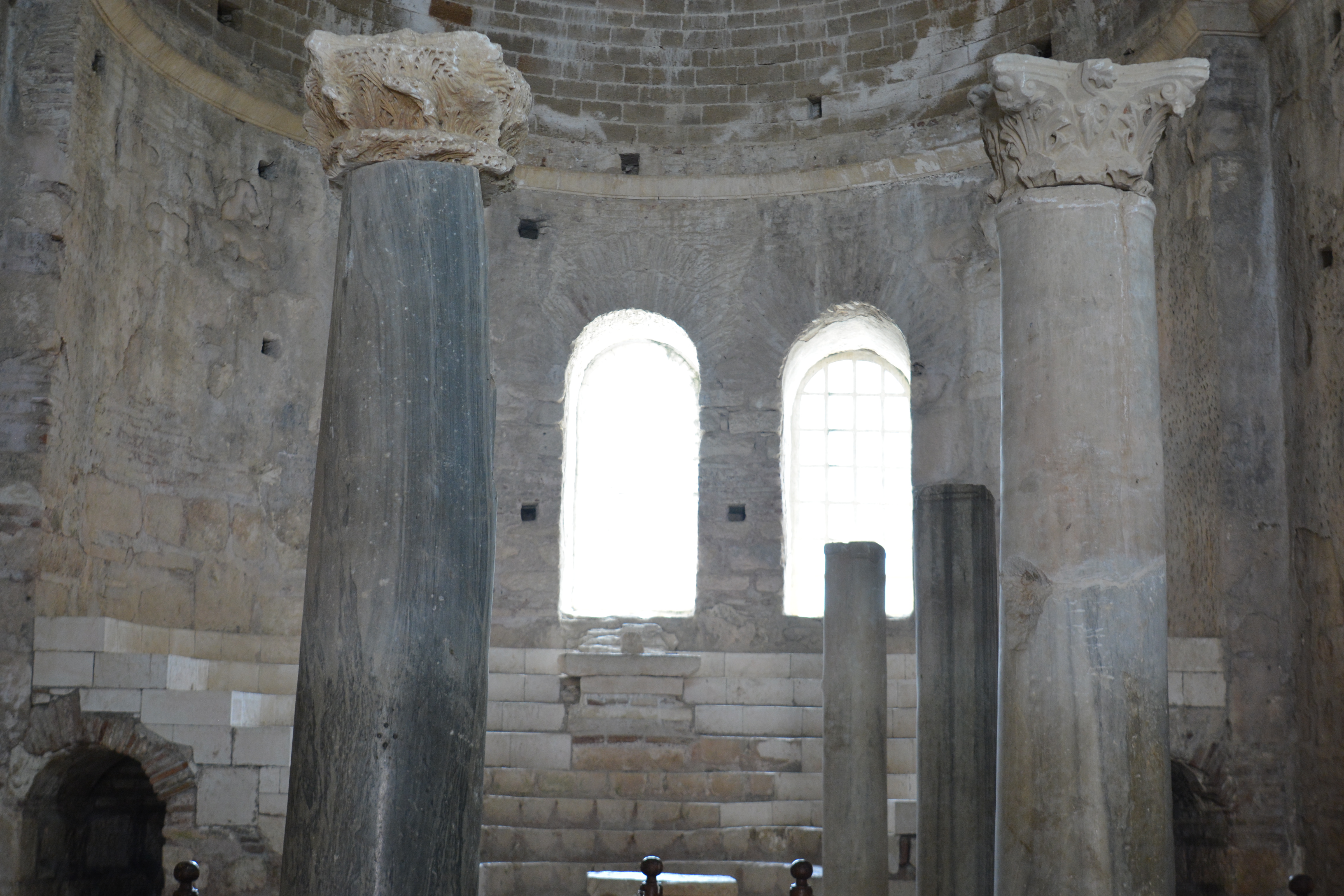
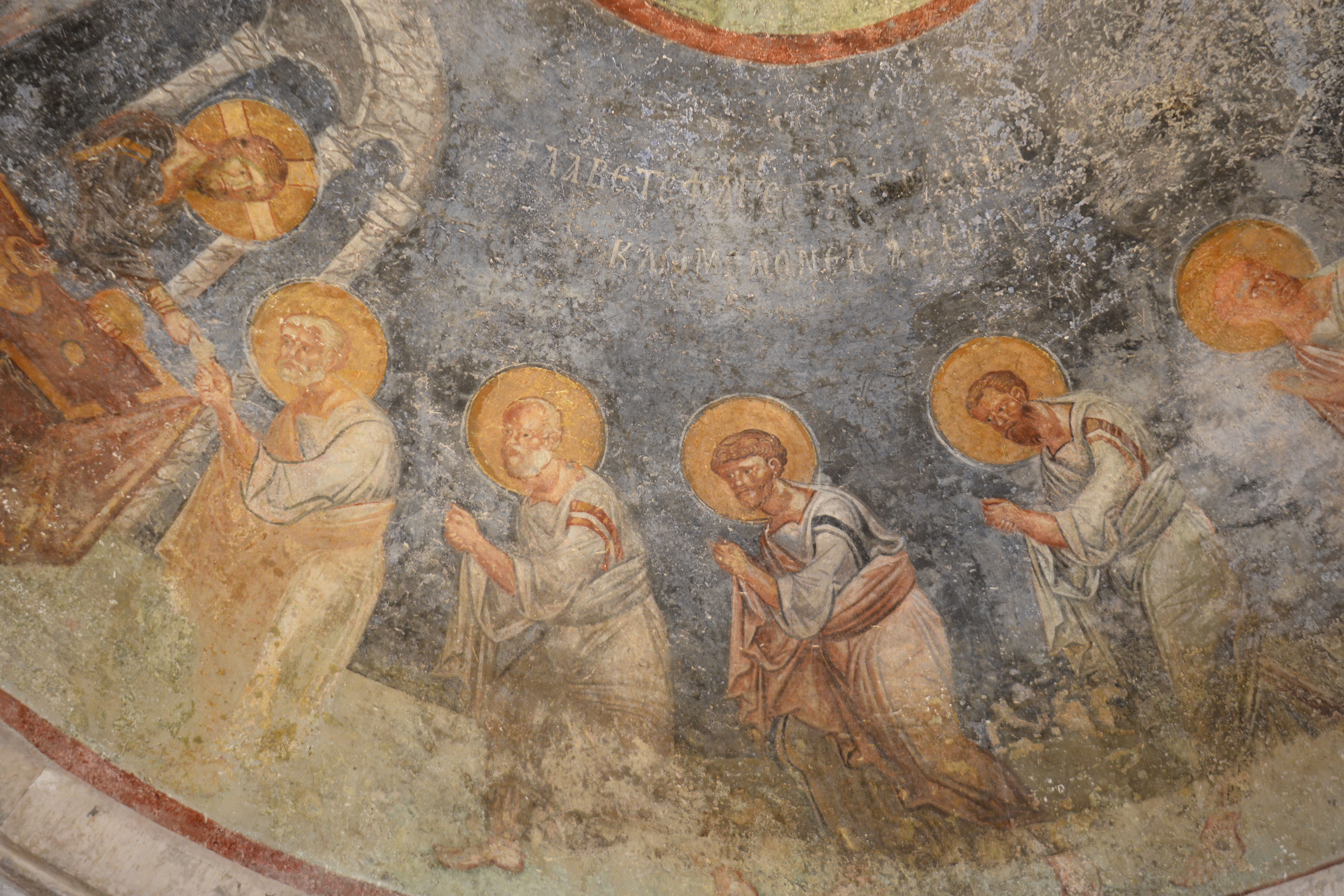

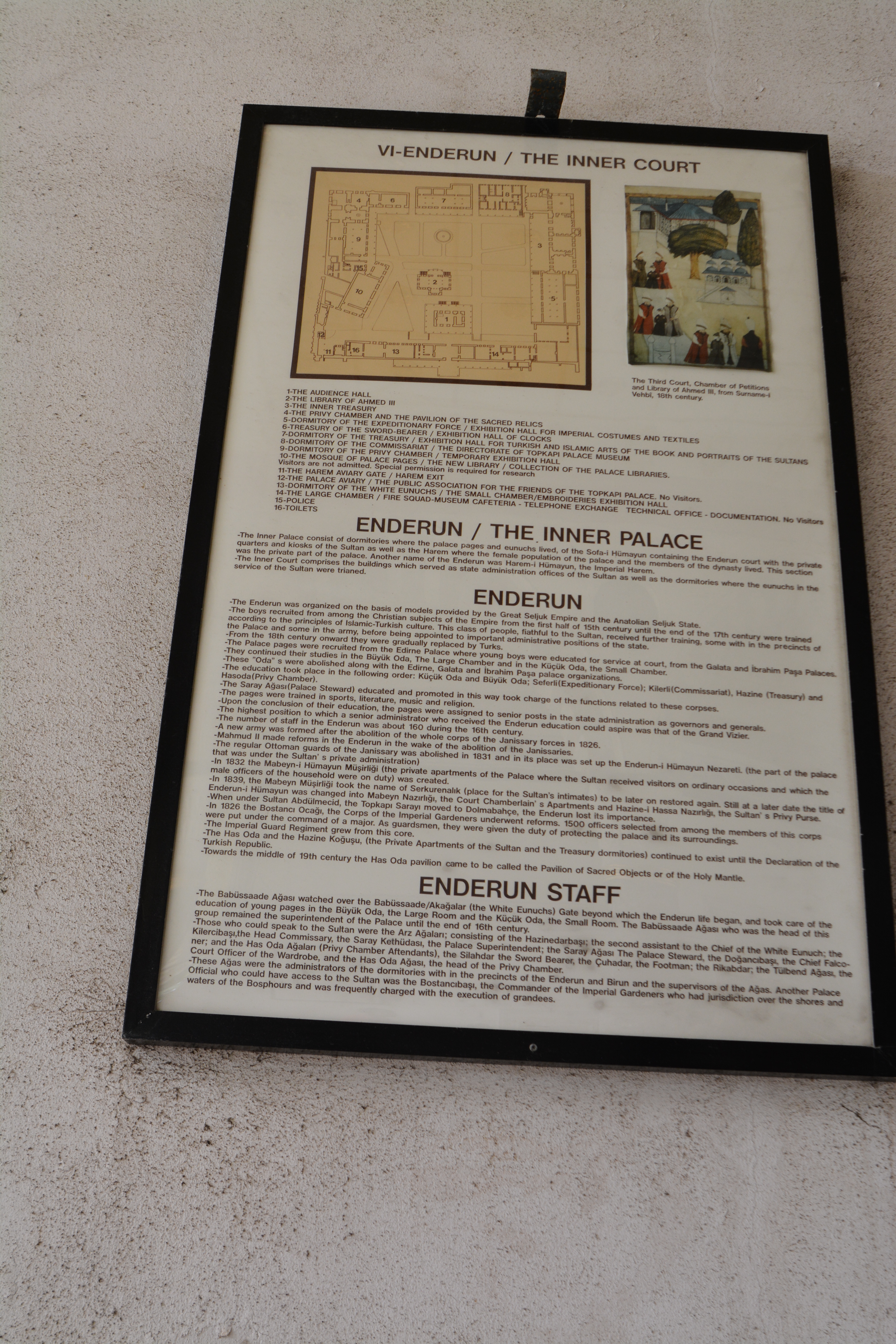
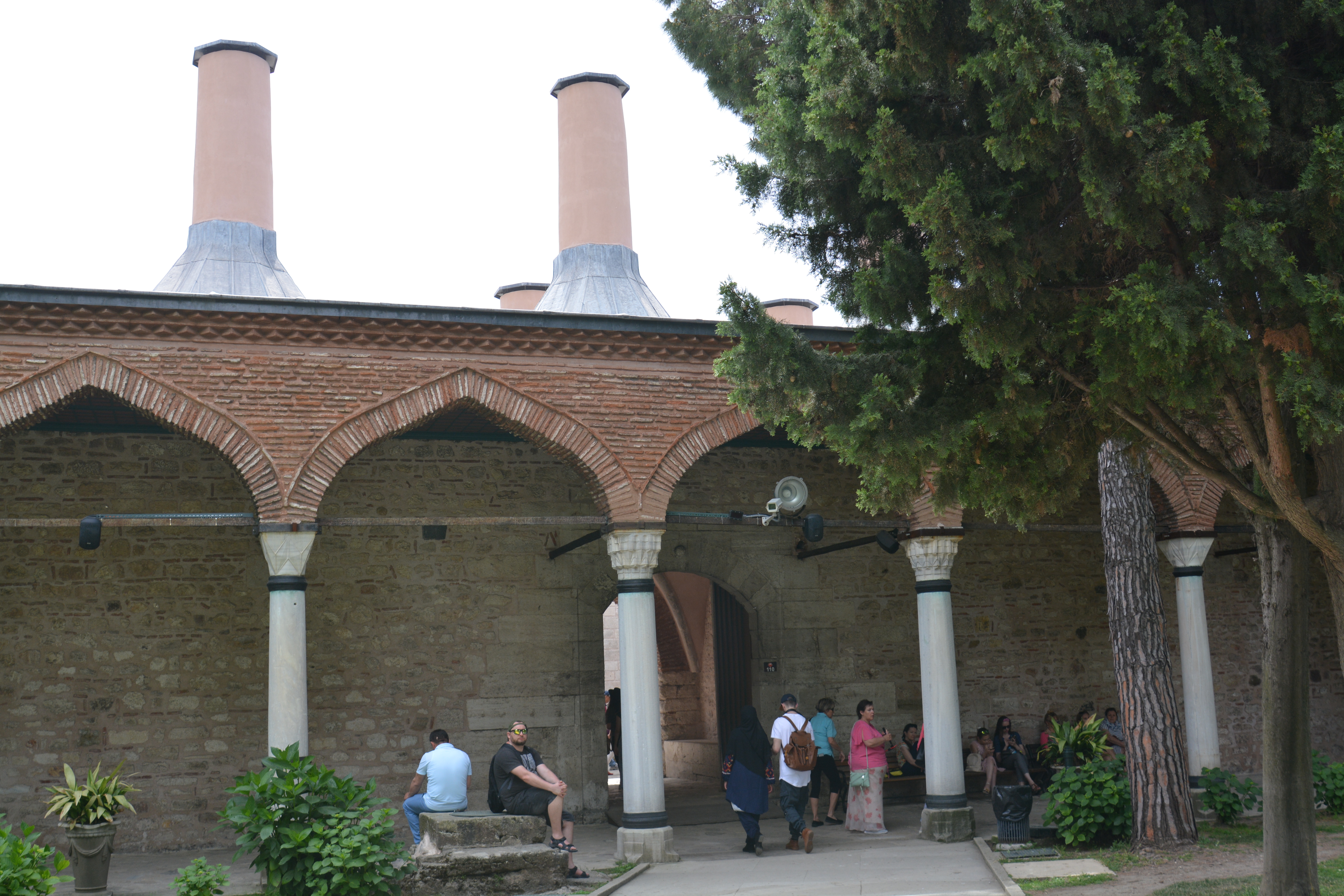


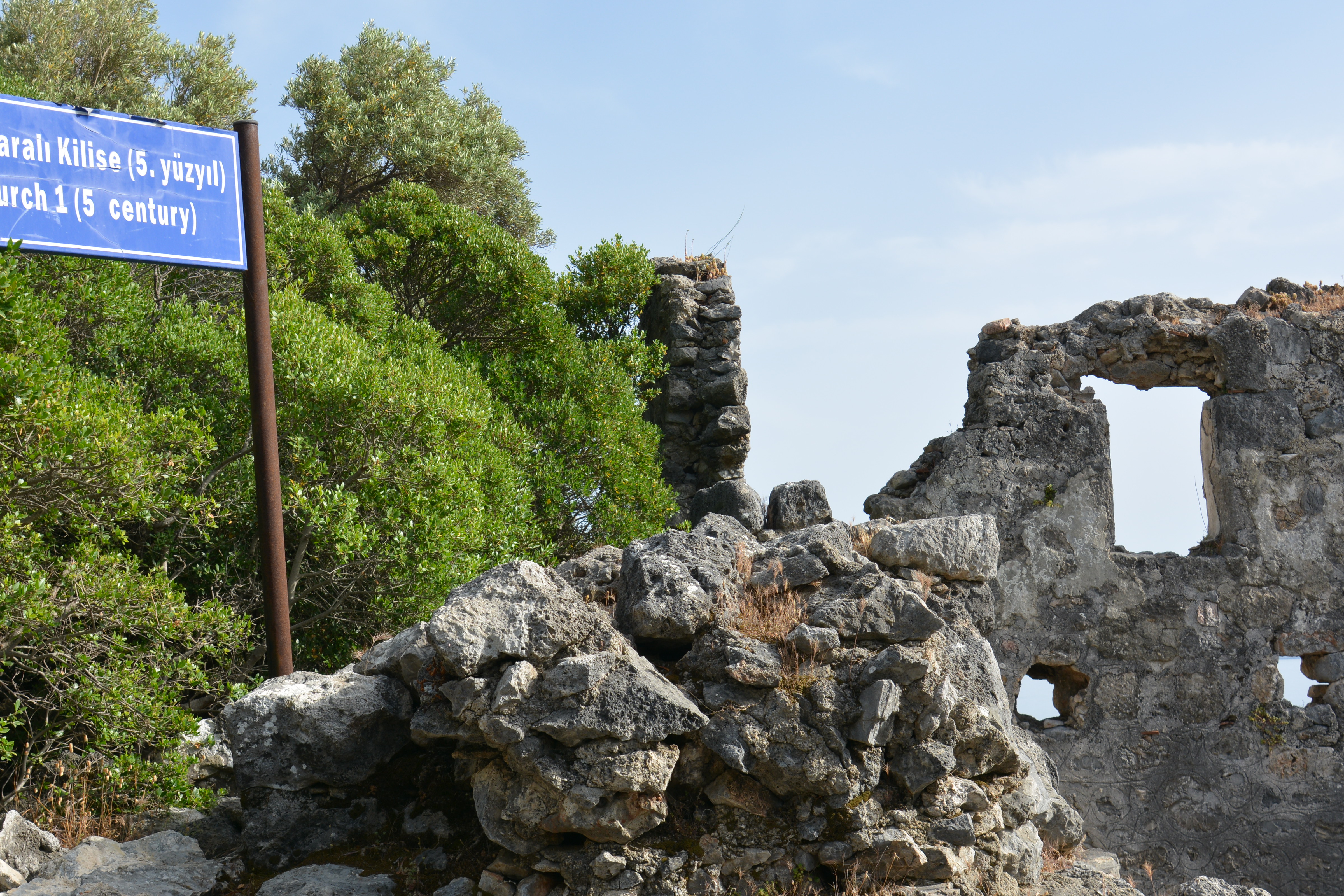
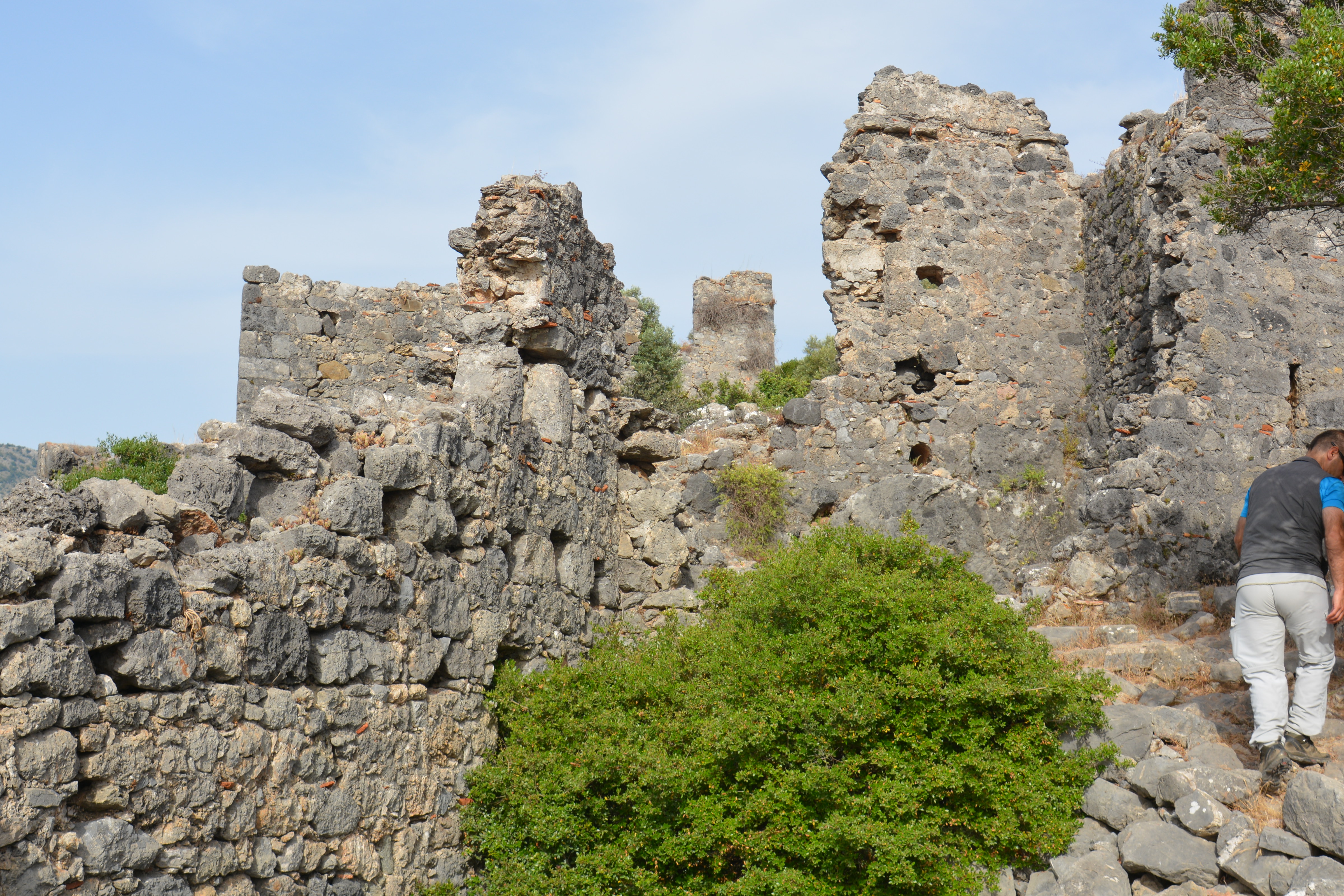


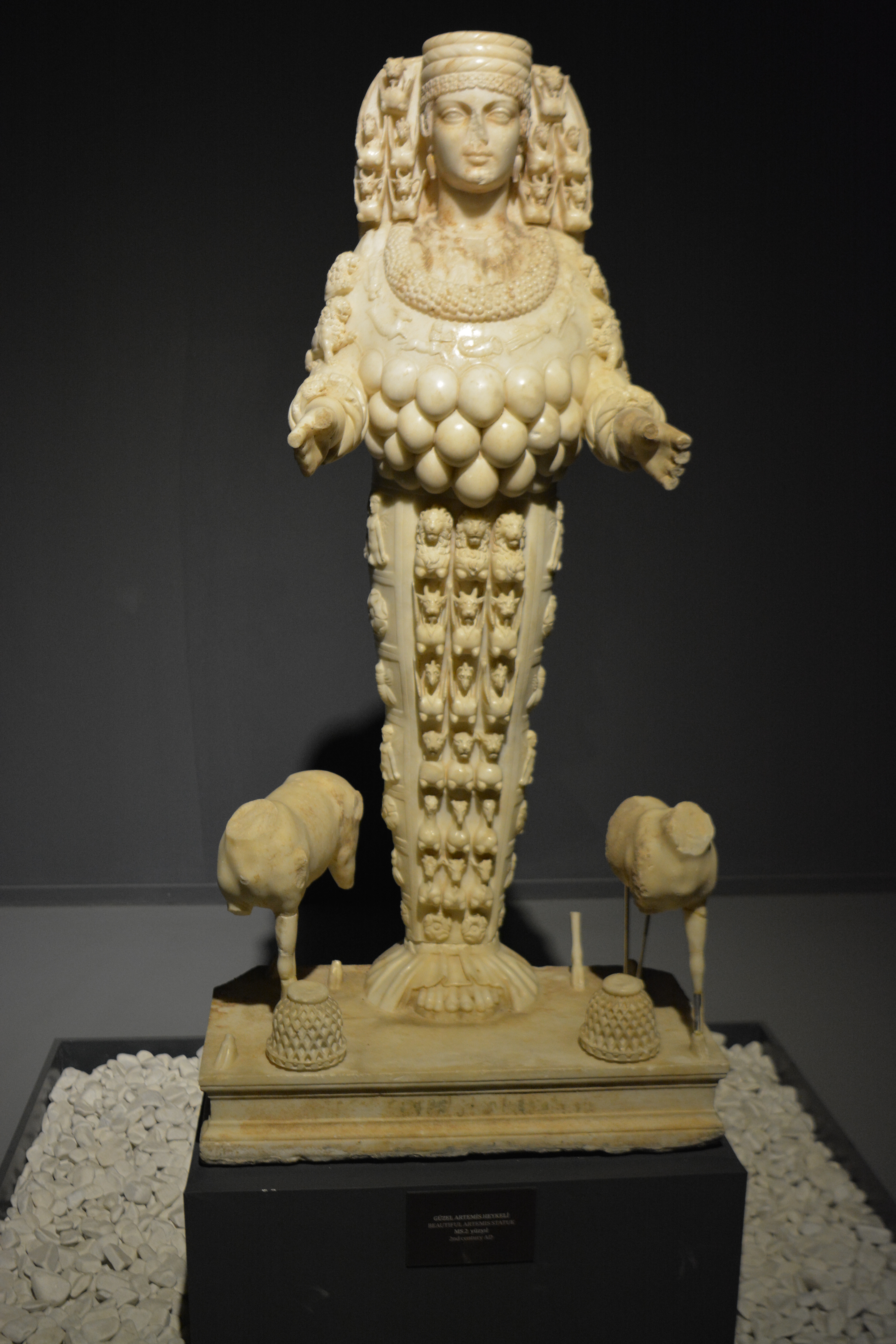
The history of Turkey, though not known by that name before the early twentieth century, goes back to the pre-Christian era. Artifacts and relics of the past are everywhere in Turkey. Some reflect on an age before Christianity. Most reflect on the world’s conversion from pagan belief of many gods to belief in one God.
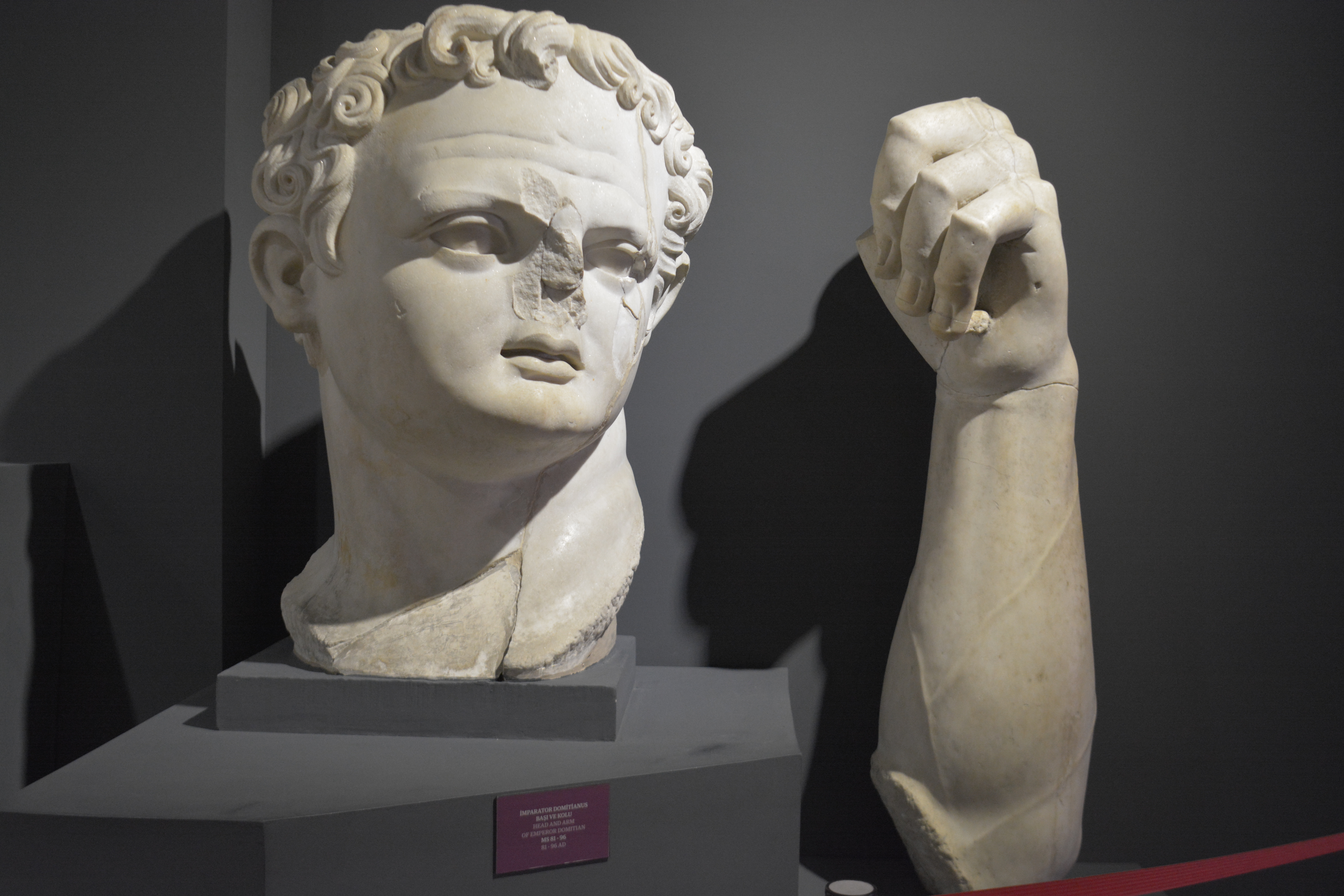
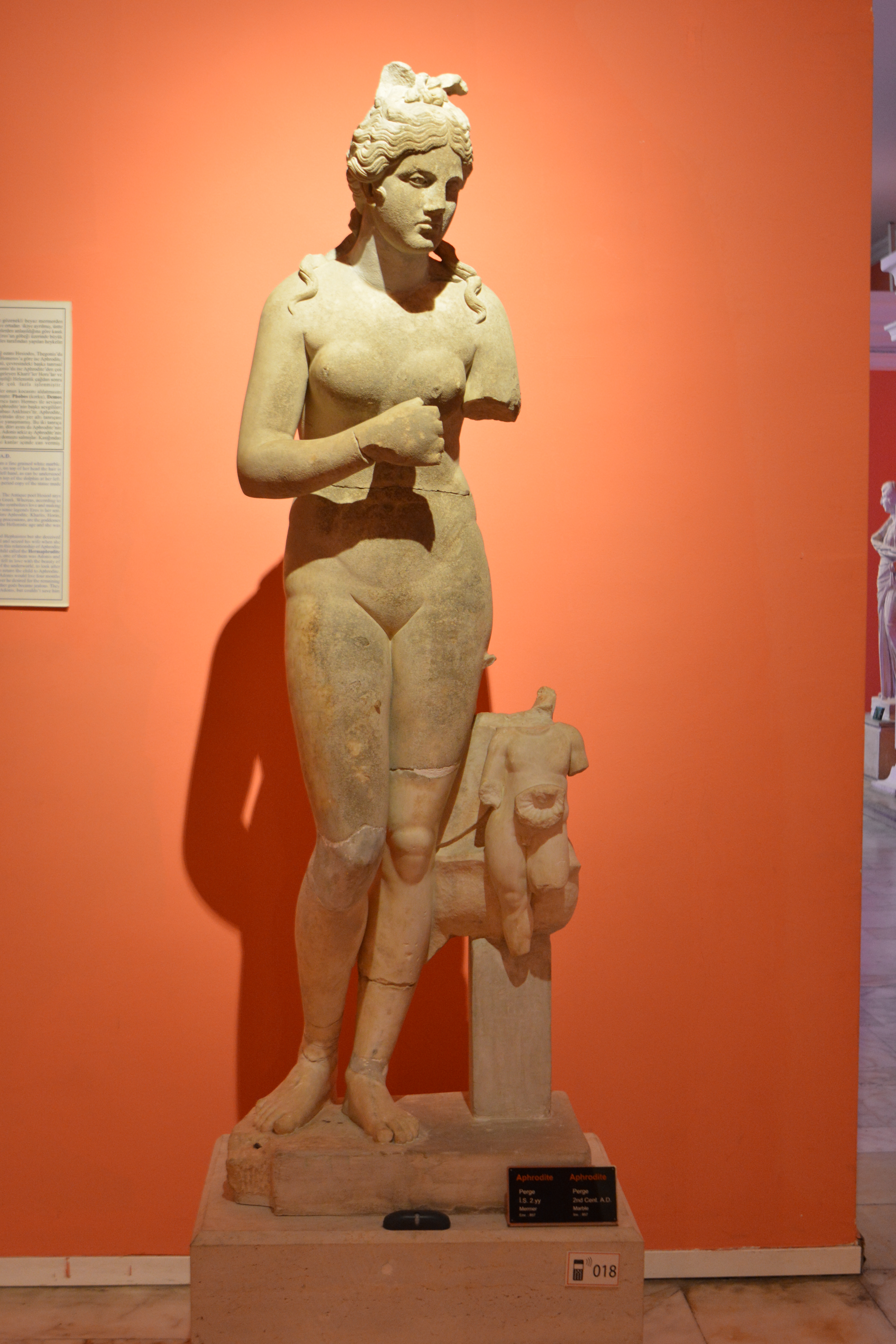
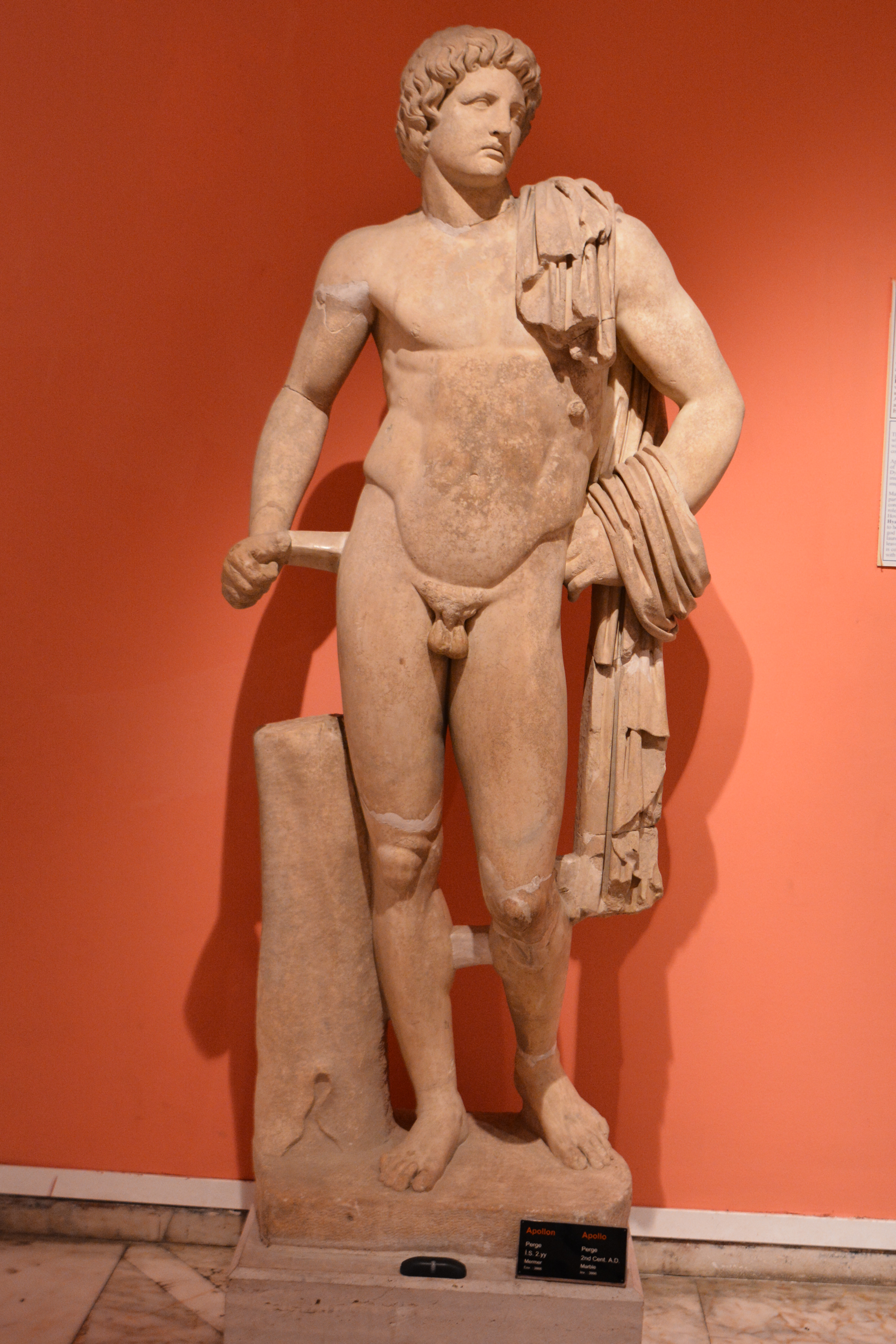


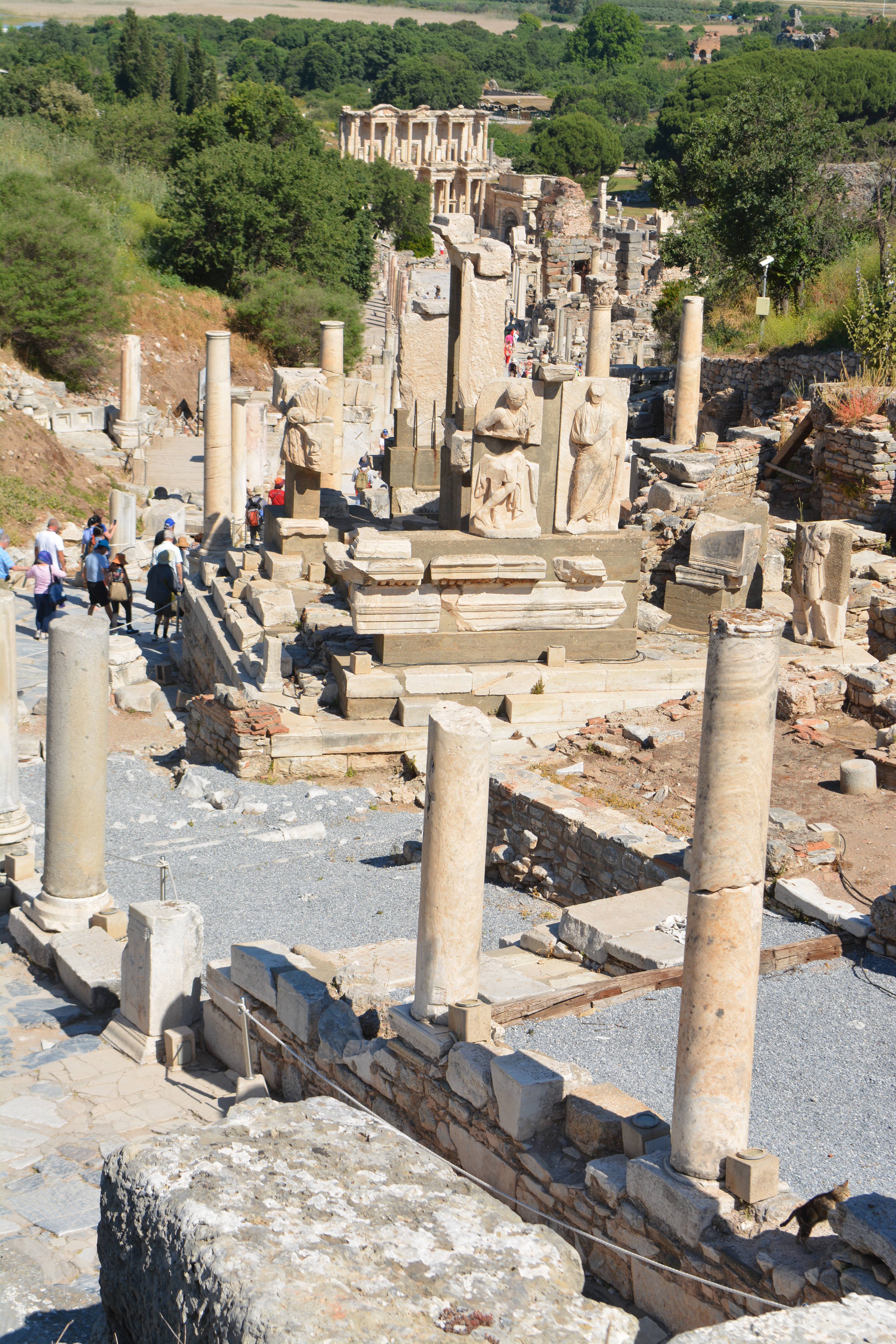

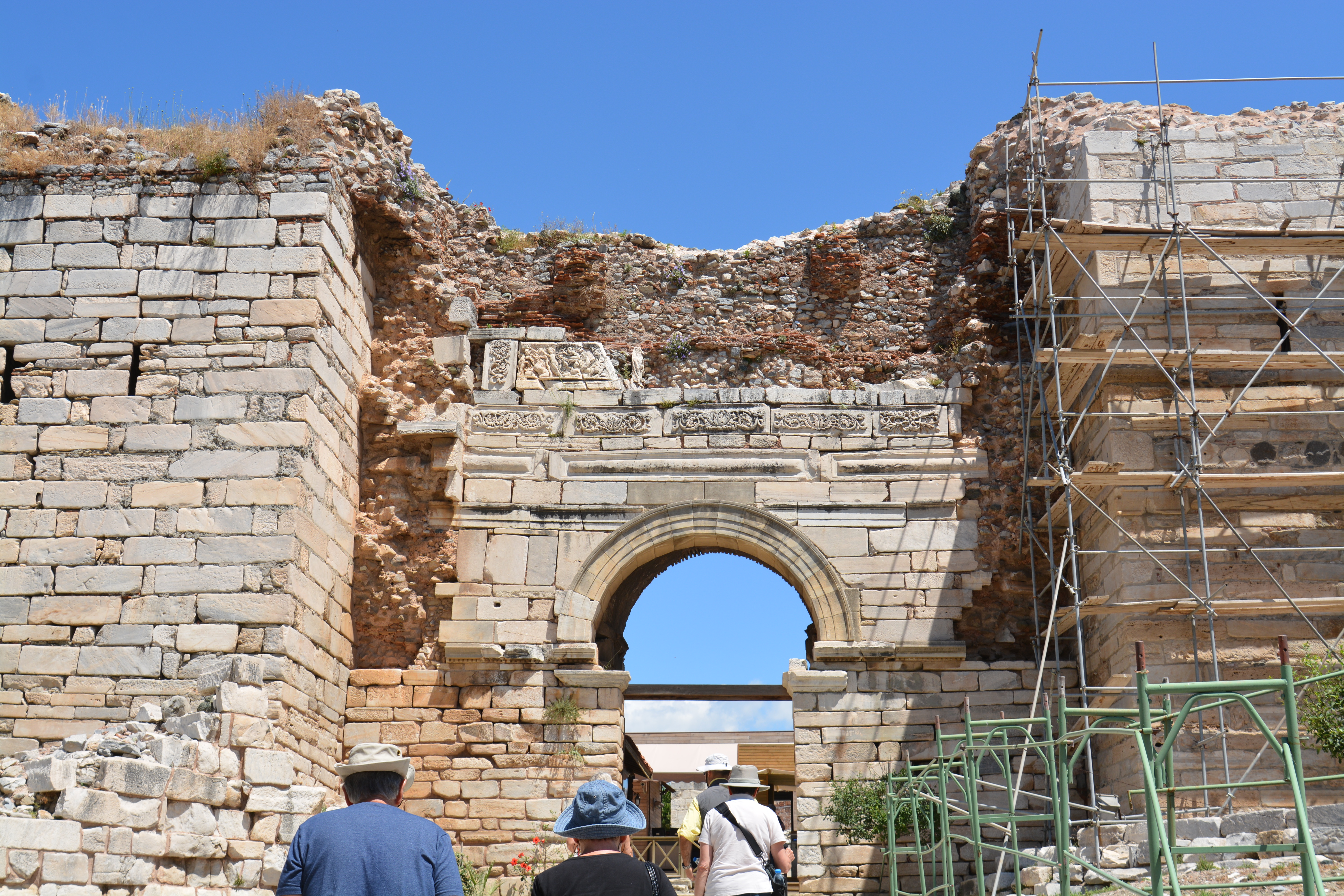
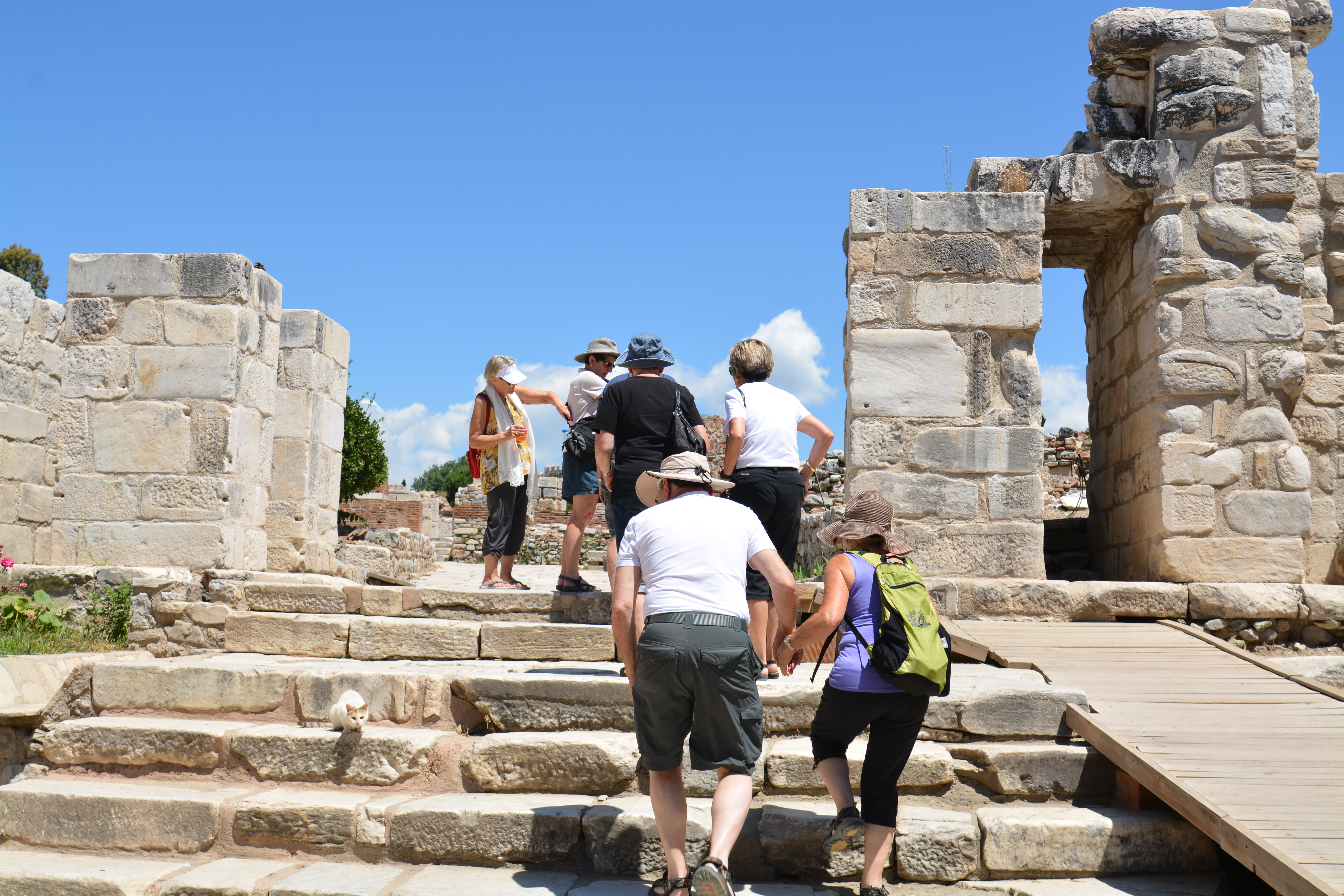
Aside from the extraordinary history of Turkey, our guide explains his view of current affairs. We pepper our guide with many inane, and a few (hopefully) interesting questions. The following paragraphs are personal opinions rather than objective truths of what modern Turkey looks like.

Ruling Turkey, as is true of all nations, is complicated. The current leader of Turkey is President Recep Tayip Erdogan. He is not the first popularly elected head of state (there was Menderes in the 50 s, Demirel in the 70 s, and Ozal twice in the 20th century), but Erdogan is the first popularly elected President in Turkey’s 21st century.
Like a lion tamer, Erdogan manages his country with one lion on the right; one on the left, and his country’s lion in the middle. Russia, China, India, Great Britain, the European Union, and the United States (among others) are important trading partners for Turkey. Each country takes its position on the left and right in the lion’s cage, while the leader of Turkey focuses on the middle lion (Turkey’s citizens).
American news media suggest Erdogan is maneuvering to be the modern world’s Muslim leader. Two flaws in that ambition are Erdogan’s troubled economy and his reluctance to condemn China’s treatment of the Uighurs.
In 2022, Erdogan demonstrates his power and influence in international relations by using the tools of realpolitik in the Russia/Ukrainian war. As a NATO member state, Erdogan cleverly objects to Sweden’s and Finland’s application for membership.
According to the New York Times, Erdogan is not flatly vetoing the NATO application. By “sitting on the fence”, Erdogan places himself in a position that might lead to a negotiated peace between Russia and Ukraine.

An estimated 80% of Turkey’s energy comes from fossil fuels. Gas and oil comprise most of that energy. Significantly, more than 70% of that gas and oil is imported from Russia and Iraq, with Iran playing a major role.
The spat between the U.S. and Turkey over military equipment ignores the reality of Turkey’s energy and defense needs. Russia and Iraq supply much of the energy Turkey needs for economic growth. Erdogan must walk a tight rope that offers a satisficing solution to two opposing world powers; Russia and the U.S., which are important players in Turkey’s future.
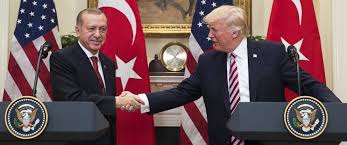
One doubts President Trump cares about the realpolitik situation of Turkey’s leadership.
Nationalism is the order of the day for many world economic powers. “America First” is Trump’s rallying cry. President Erdogan joins that nationalist movement with a revised Turkish constitution.

Erdogan changes the constitution to enhance Presidential control of government. Like Trump, Erdogan attacks internal dissension by weakening checks and balances offered by other branches of government.
Because of Turkish Constitution changes, Erdogan acquires a more powerful and longer-term leadership role in government. Though Erdogan is the first democratically elected President, his first elections show an anemic 36% and 47% winning vote for office, and less than 52% vote in his most recent election as President.
In the case of Ataturk, his recommendation for democracy in Turkey was a moment of “do what I say; not what I do” because Ataturk came to, and retained, power without democratic election. Multi-party democracy arrives in 1950 when the first truly democratic election is held., 12 years after Ataturk’s death.
Since its founding by Ataturk in 1923, Turkey has had a unitary form of government; i.e. a political organization with a central supreme form of government. However, the 2017 Constitution, adopted in a 2018 vote (some say, a controversial vote), weakens the judicial branch of the Turkish government.
Erdogan became a political power as mayor of Istanbul from 1994 to 1998. In 2003, he became Prime Minister of Turkey. With changes in the Constitution, which is approved in 2018, Erdogan became Turkey’s first popularly elected President. The parliamentary form of government in the pre-2018 Constitution changes the “head of state” from Prime Minister (a less powerful leadership position) to President of the Republic. The significance of the change is that Erdogan can now serve up to two five-year terms.

Erdogan’s recent imprisonment of alleged revolutionary conspirators is evidence of the judiciary’s weakened position.
Without trial, and often because of association rather than volitional act, citizens are accused and jailed for a surmised conspiracy to overthrow the government. The judiciary has been able to get some “guilt by association” prisoners released but it is a procedural, long term struggle; reminiscent of repressive government. It can take months if not years for the falsely imprisoned to get a hearing before the court.

Erdogan voided Istanbul’s recent election for mayor. The voided election showed an 83.86% turn out with Ekrem Imamoglu getting 48.77% of the vote while the Erdogan party’ candidate received 48.16%
Erdogan’s seeming loss of support in Istanbul implies rising discontent with his leadership.
A possible successor to Erdogan might be the Istanbul opposition-party’ candidate, Imamoglu, who seems to have been popularly elected in the voided election.
As Lord Acton, the historian, said “Power tends to corrupt, and absolute power corrupts absolutely.” There is the risk that Erdogan is travelling down that road. Some may argue the same for President Trump. Erdogan’s position may be threatened at the next election if he persists in unjust incarcerations. Add that to a weakening economy, and 2017’s change to popular elections, Erdogan may lose his second Presidential bid for office.
AMERICAN WALL STREET JOURNAL ARTICLE PUBLISHED 6/14/2019:

To be fair, leadership of any popularly elected national government is difficult and complicated. One must experience the complexity of democratic leadership to truly understand its difficulty. America’s experience is that “check and balance” are an essential ingredient of good democratic government.
Autocratic judgement by one leader may result in Stalinist purges with false arrests, torture, bogus confessions, and executions without a check and balance on Presidential fiat. One wonders if Erdogan is as far-sighted as Mustafa Kemal Ataturk in recognizing the importance of democratic governance.

An interesting side note is Turkey’s interest in becoming a part of the European Union. Based on the nationalist movement evidenced by Brexit and present/past expenditures of Turkey to secure their borders, it seems unlikely it will become part of the E.U. any time soon.
Joining the E.U. may have economic value but nationalism gets in the way of practical economics, and open borders.
Our guide invited a Syrian refugee to tell us of his journey to Turkey across the Syrian border. His story is harrowing in that he came with little, did not know the language, and had to rely on the kindness of Turkish citizens to survive. He is a Kurd. His family remains in Syria.

One final aside is the temporary housing afforded by Turkey to Syria refugees.
Some may presume Syrian refugees are as likely to be Isis revolutionaries as citizens escaping the terror of war. The billions of dollars spent by Turkey to house these refugees, and close monitoring of citizen’s status as residents or refugees, offers hope that fleeing Syrians are being properly cared for and fairly treated. All arms are taken from those crossing the border, but beliefs cannot be controlled. No publicly revealed records are kept of any past actions of Syrian refugees. Even without weapons, the power of ideas can resurrect Isis ambitions.
E.U. membership would offer some help in covering the cost of refugee camps, but current costs far exceed the amount offered by E.U. membership. Some suggest E.U. membership is being denied to Turkey because of the size of its Muslim population. This is an interesting but weak reason for denial because Turkey has always been a secular state. The irony of that concern is that open borders (required by E.U. membership) could mean Christians would return to Turkey after their WWI ejection. How would the Turkish population feel about repatriation of the long absent Christians?
All of this E.U.’ conjecture seems moot because it seems likely that Turkey’s nationalists would reject any offer to join the E.U. Maybe, when nationalism becomes less important, and people realize we are all part of the human race, there will be no borders between nations. Ha.

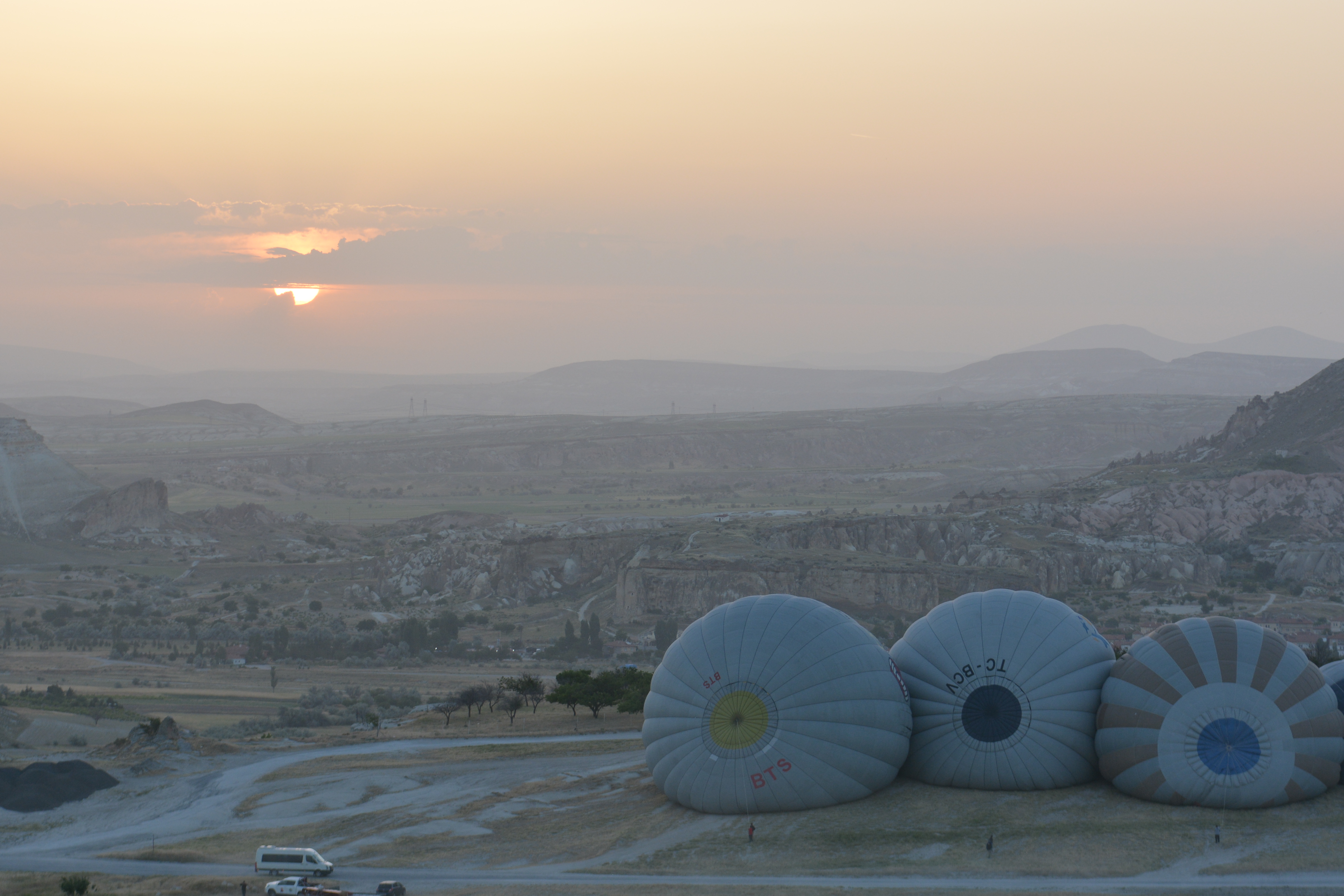


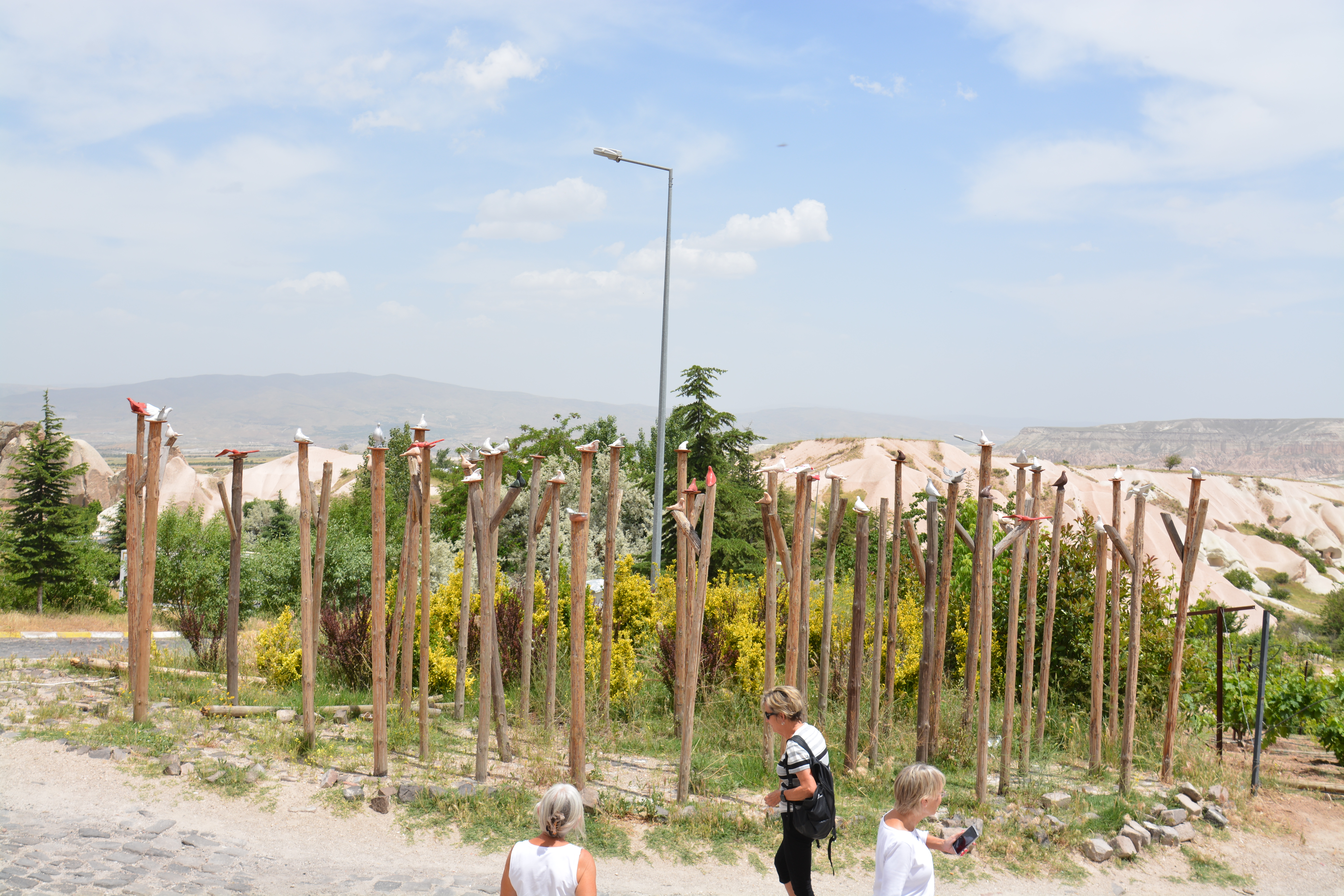
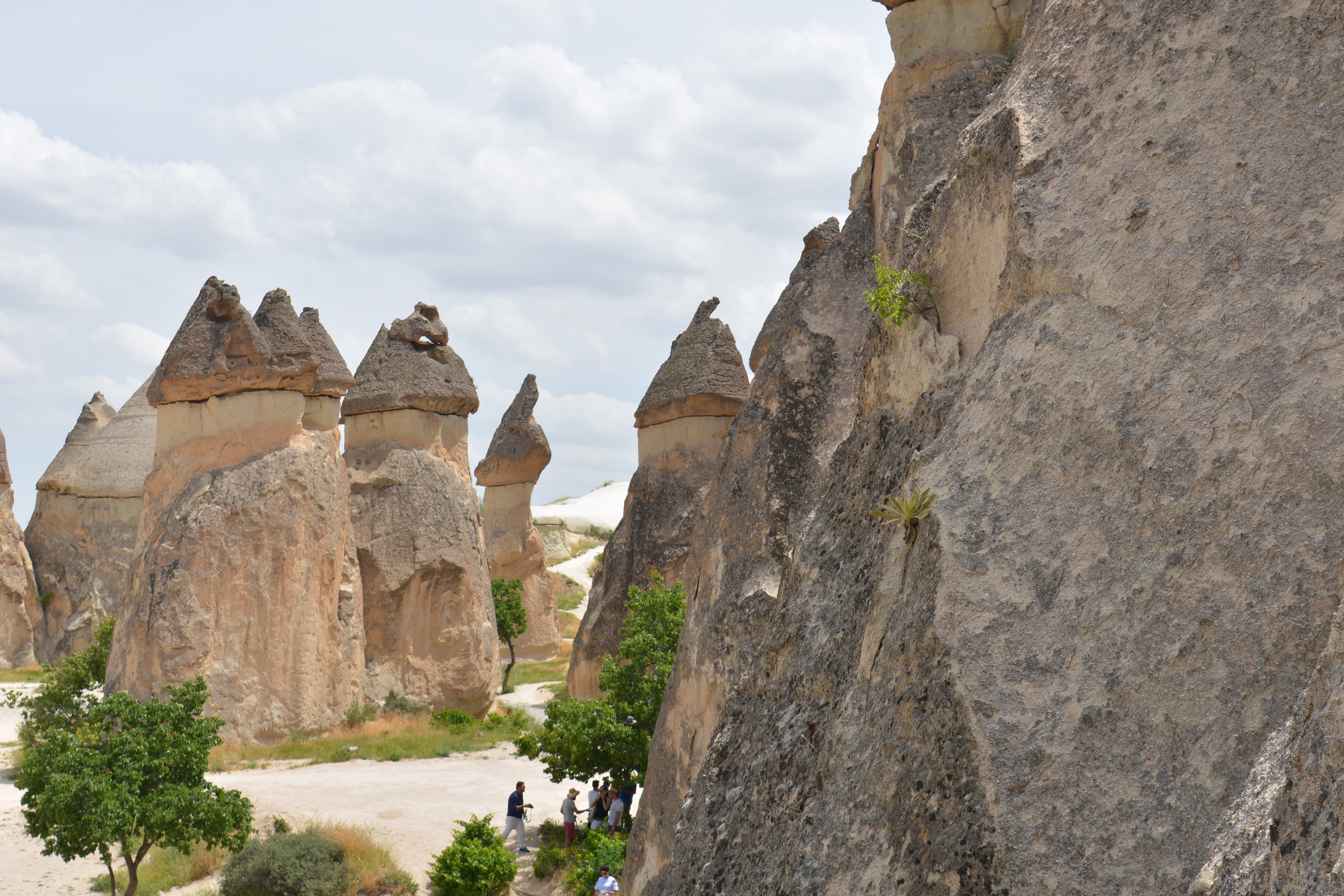


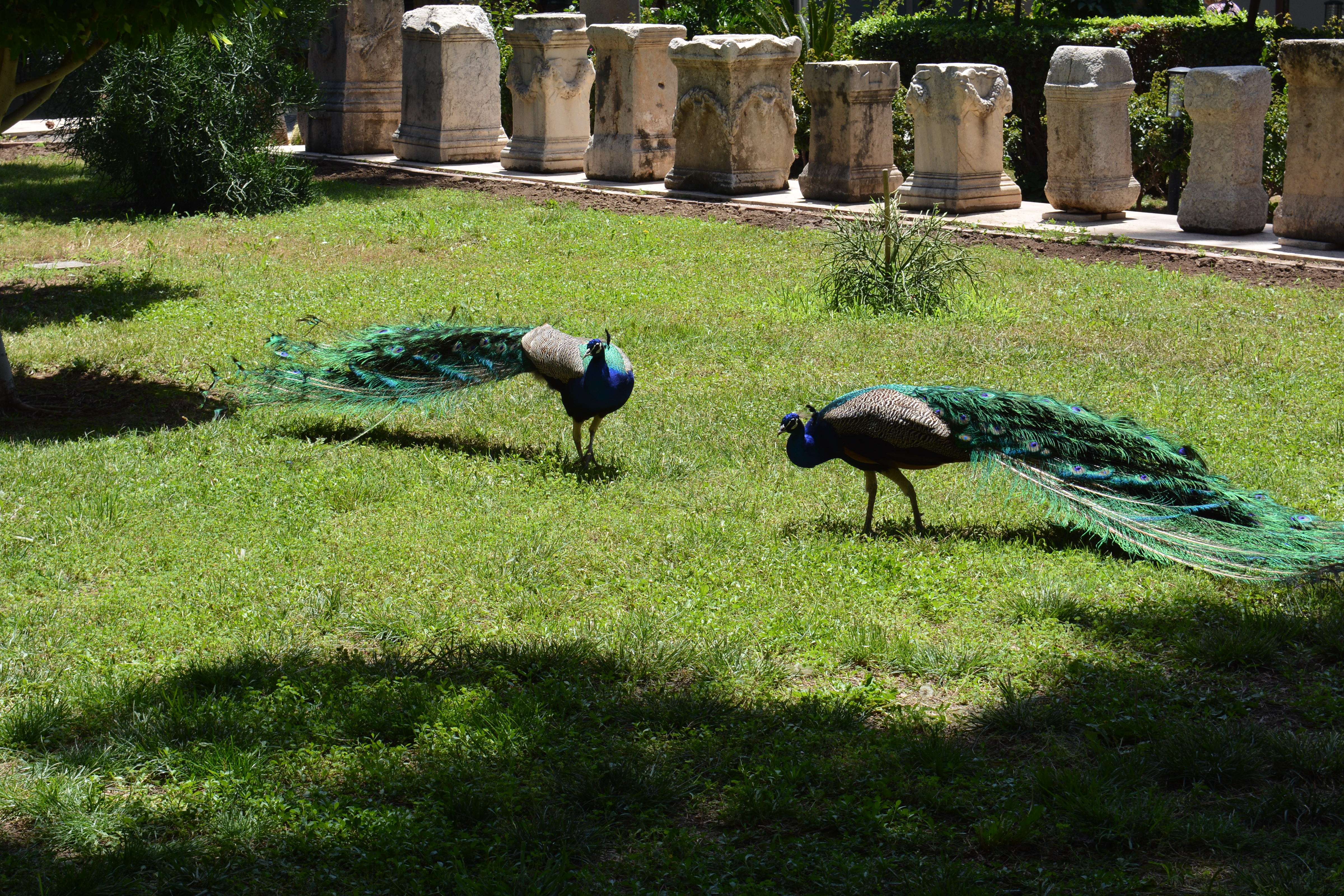

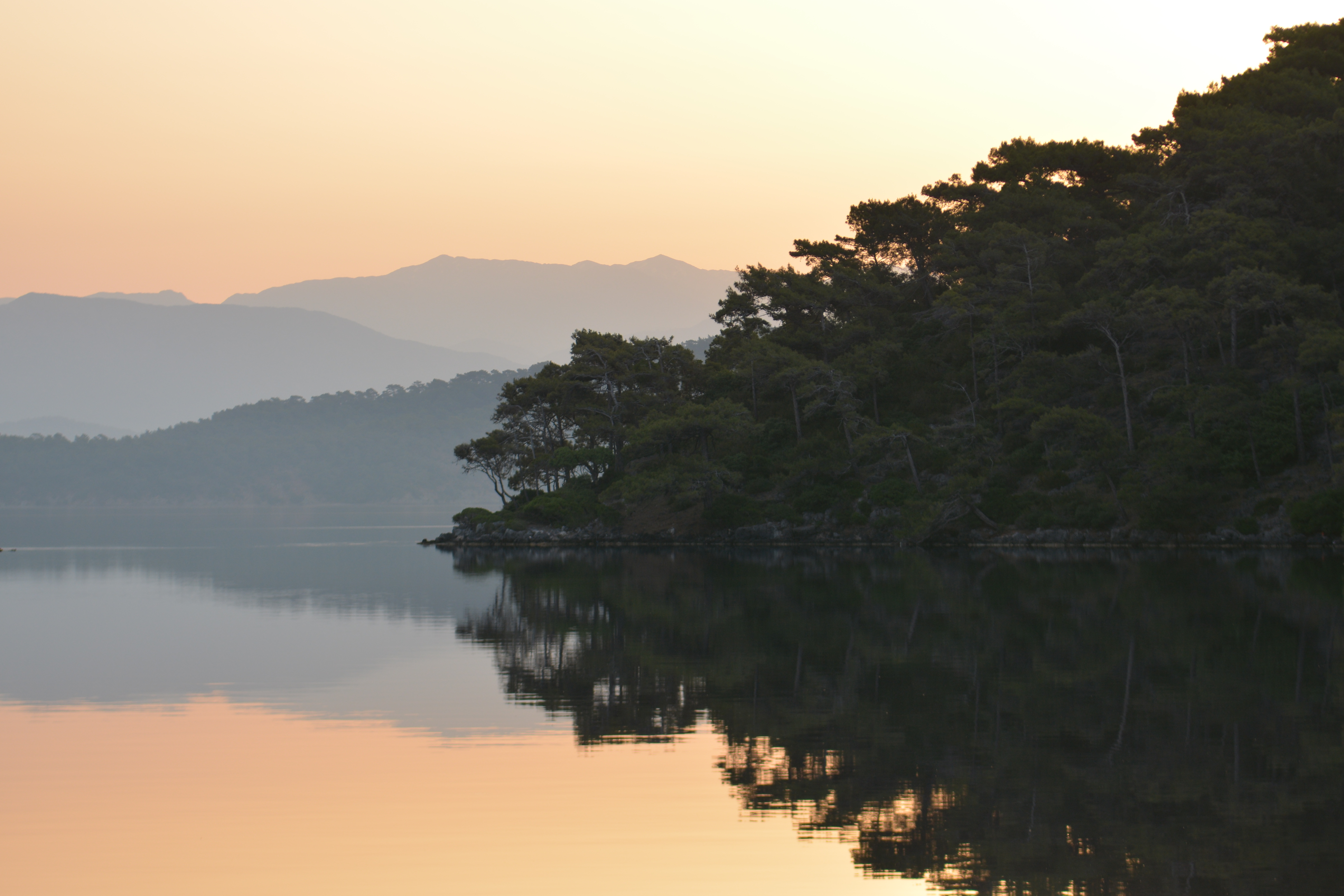


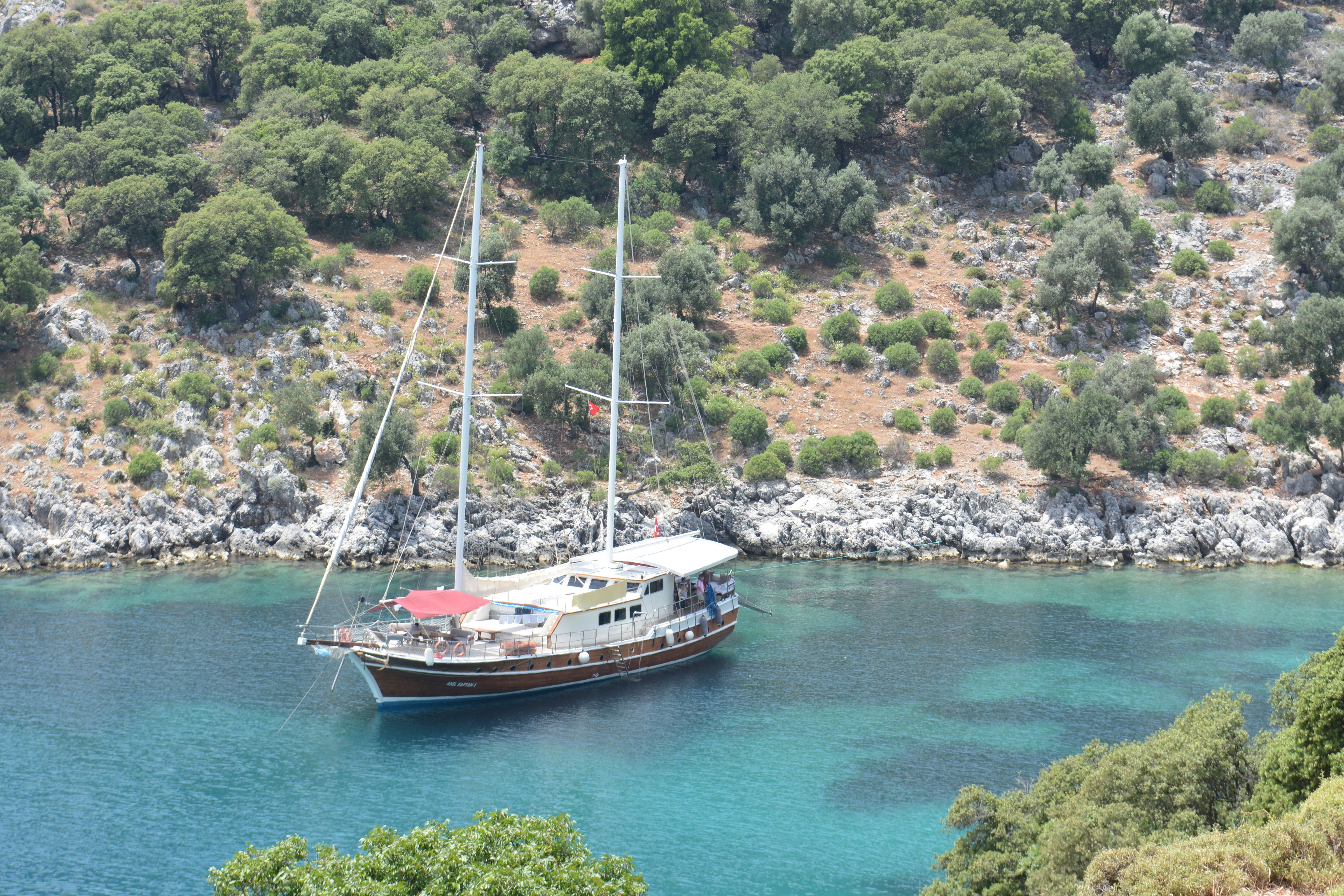
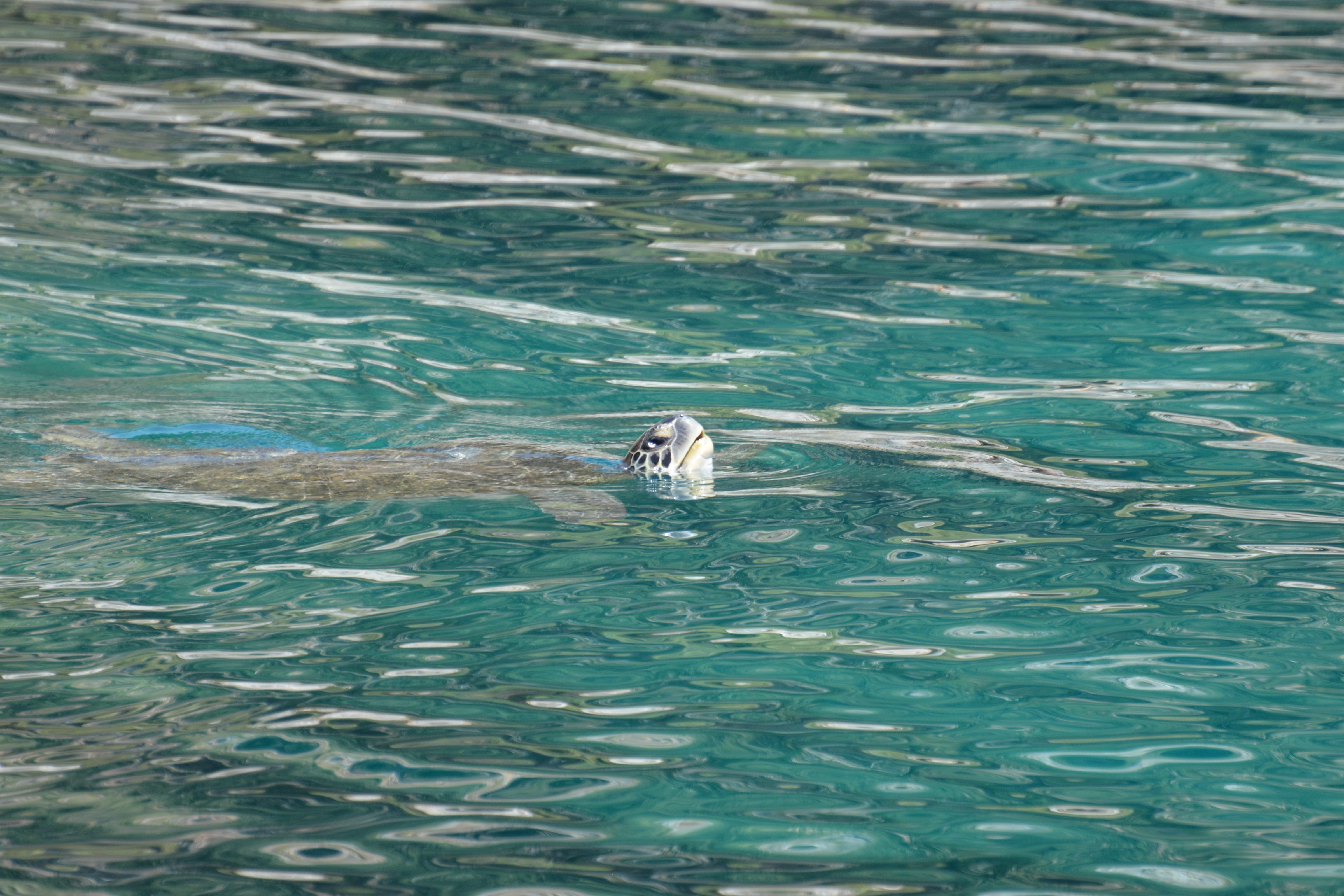
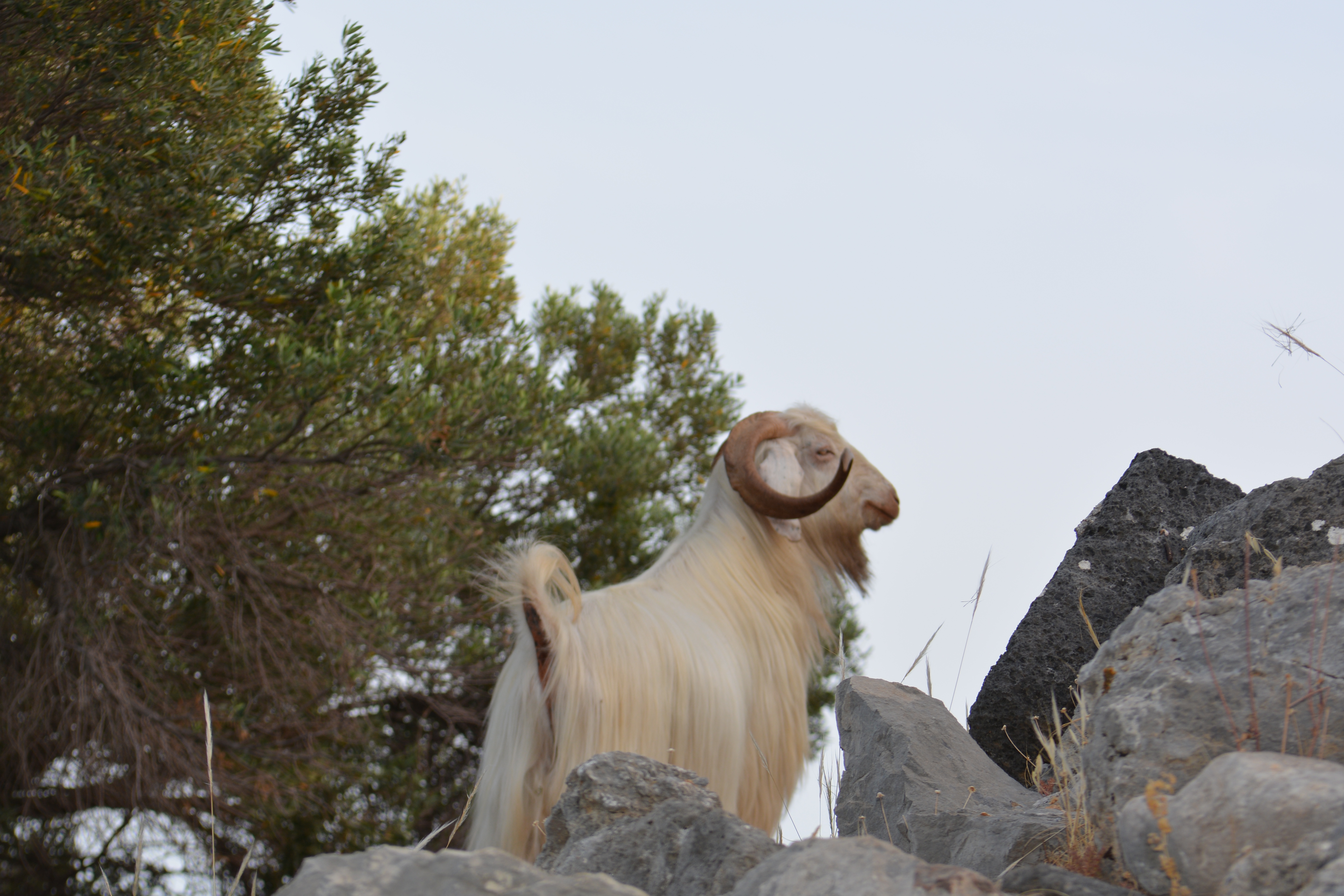
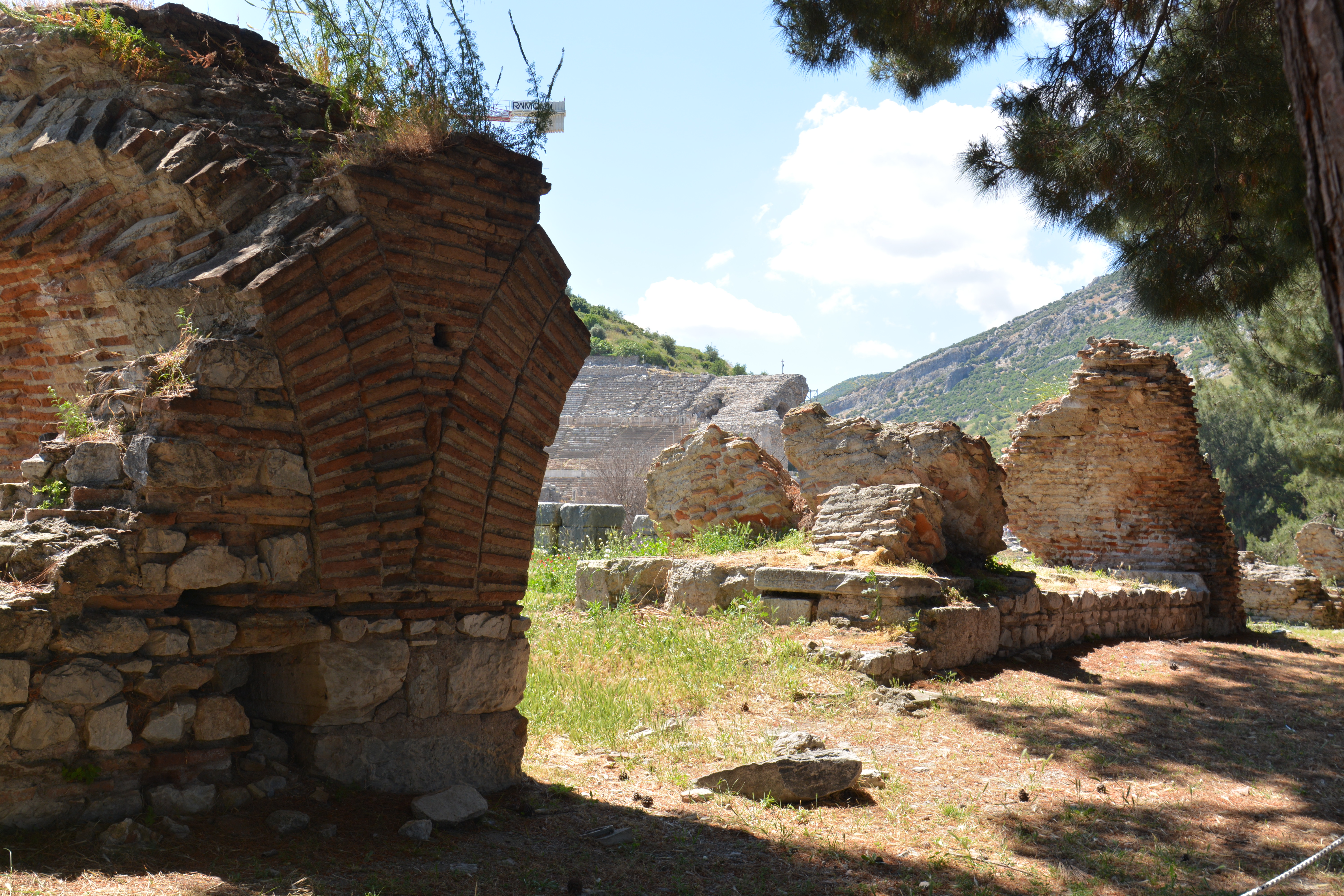



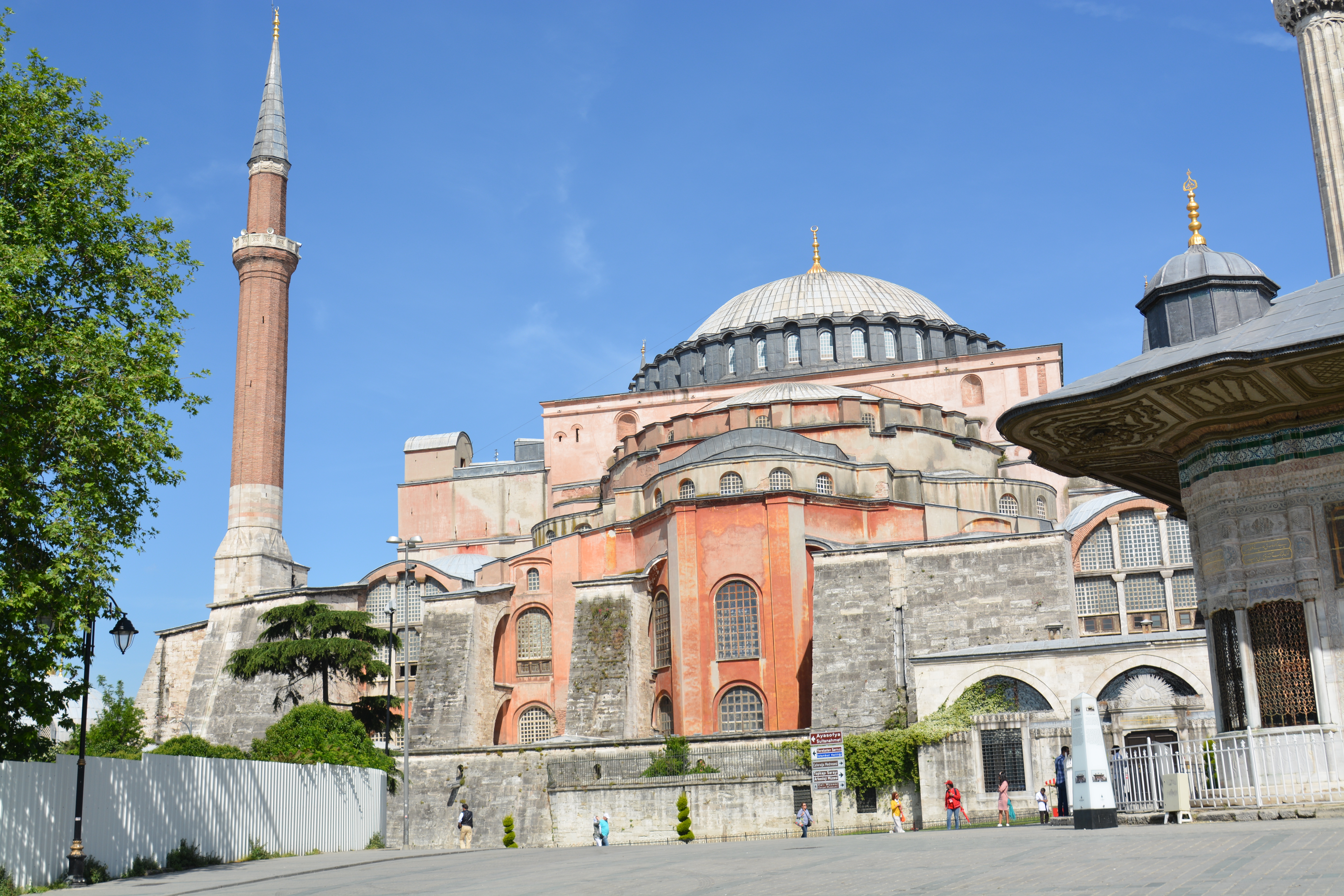
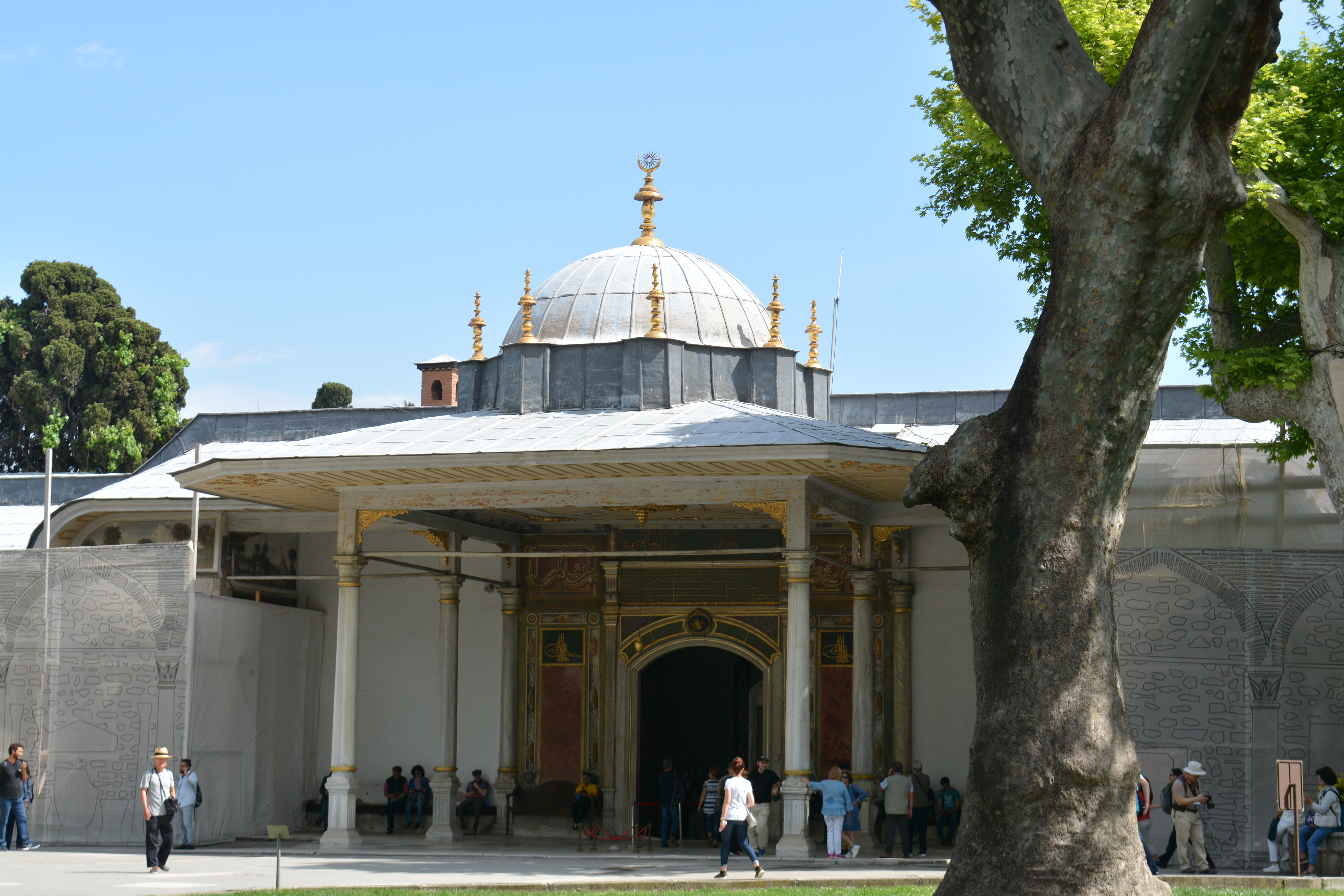

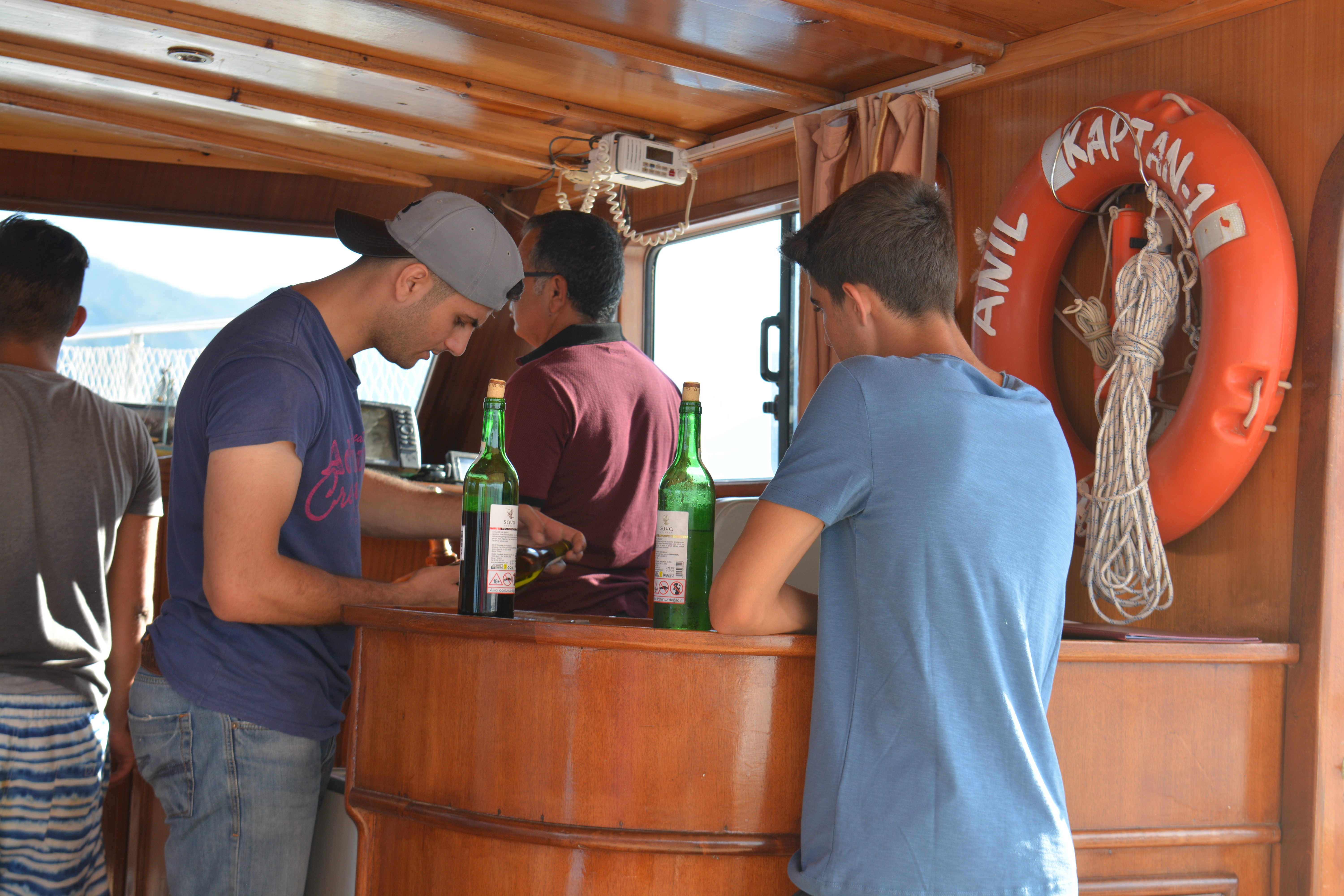
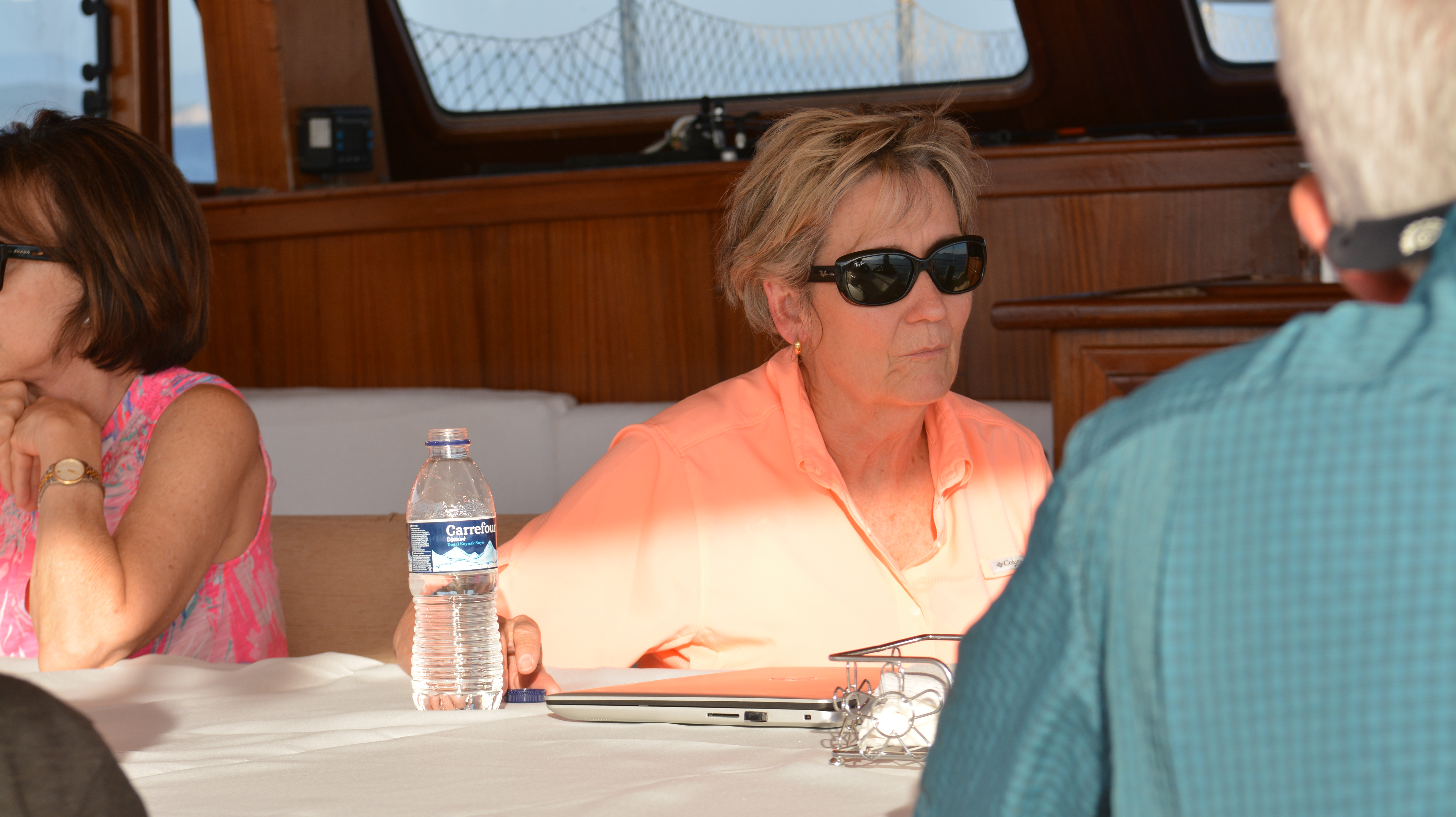
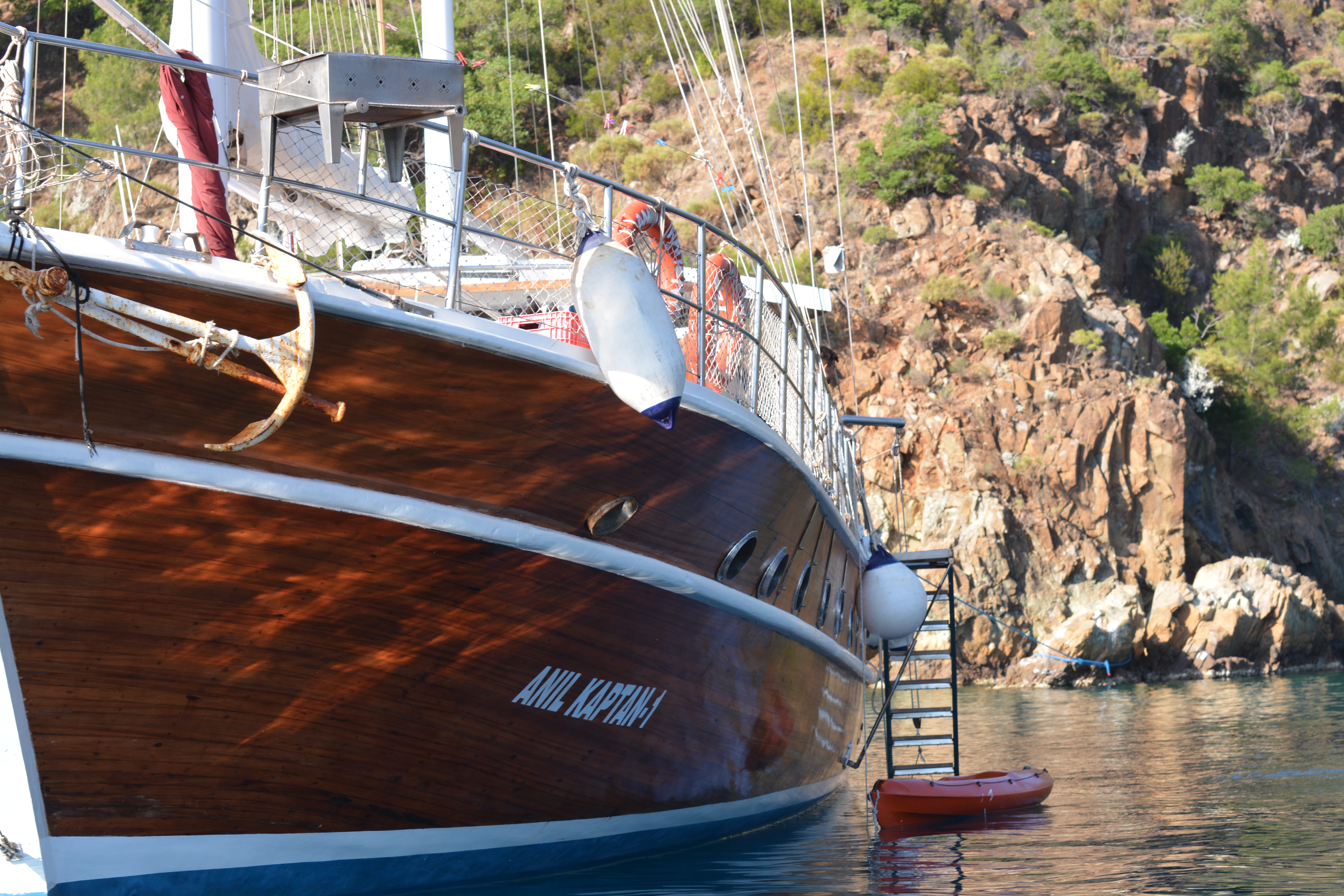

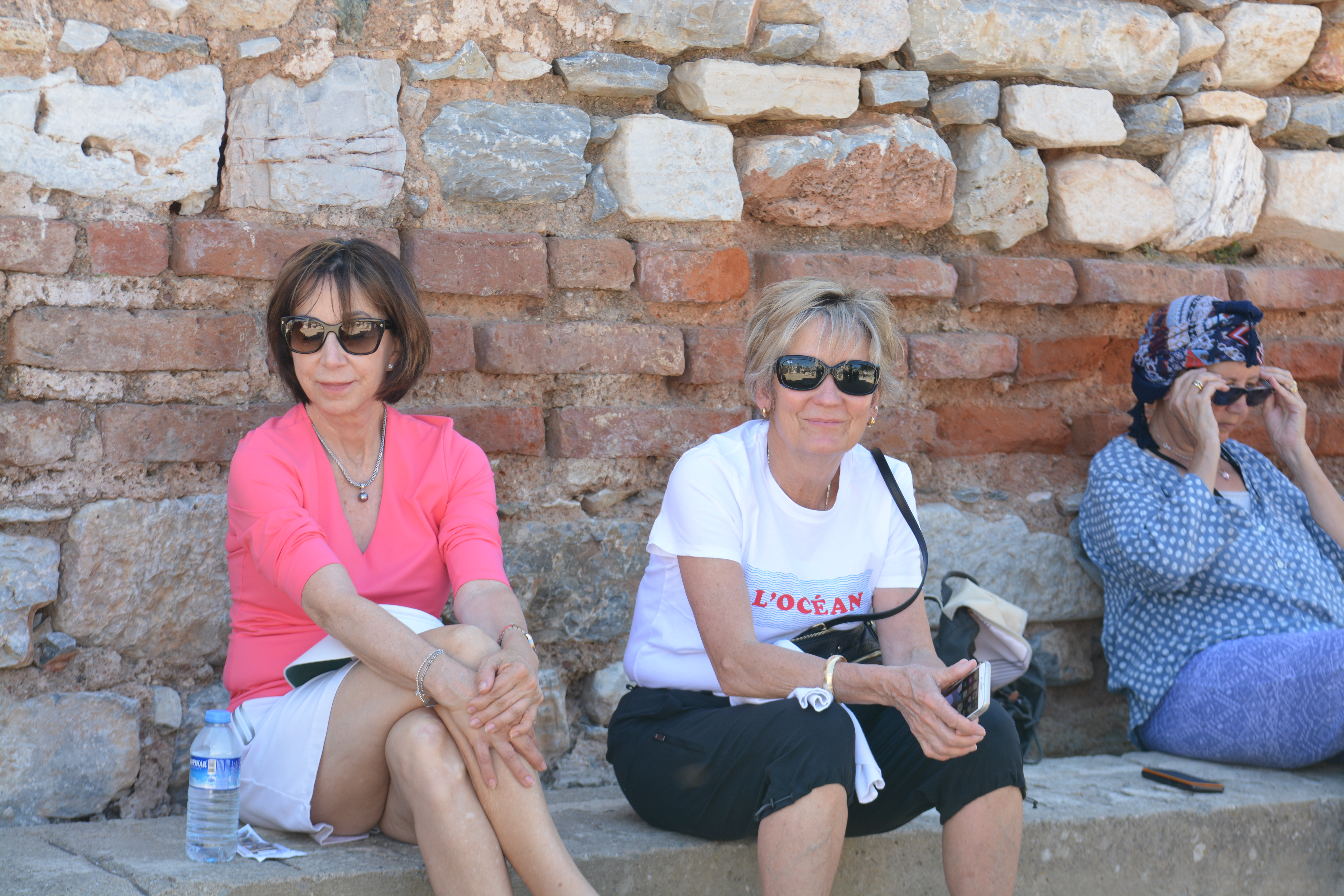
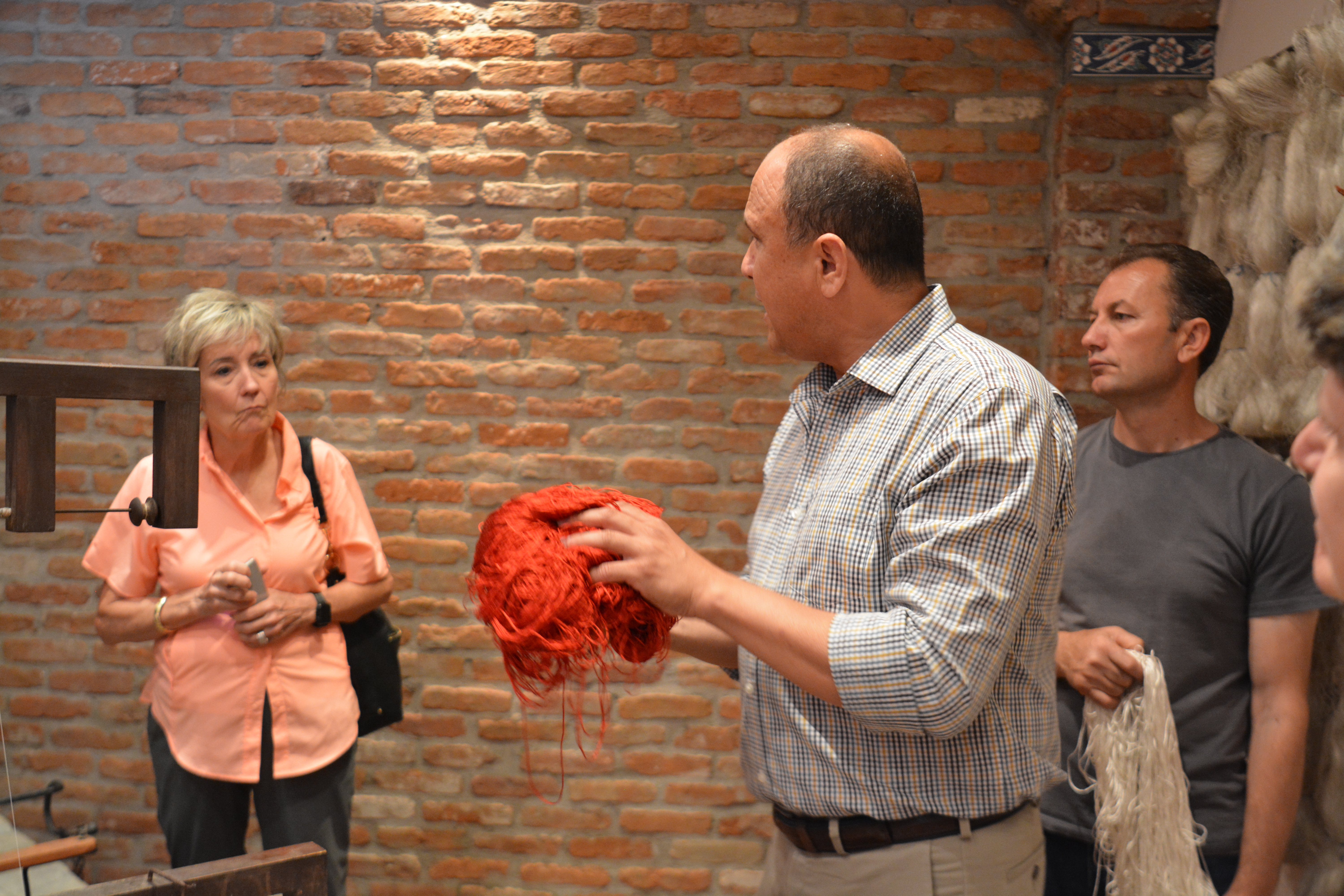

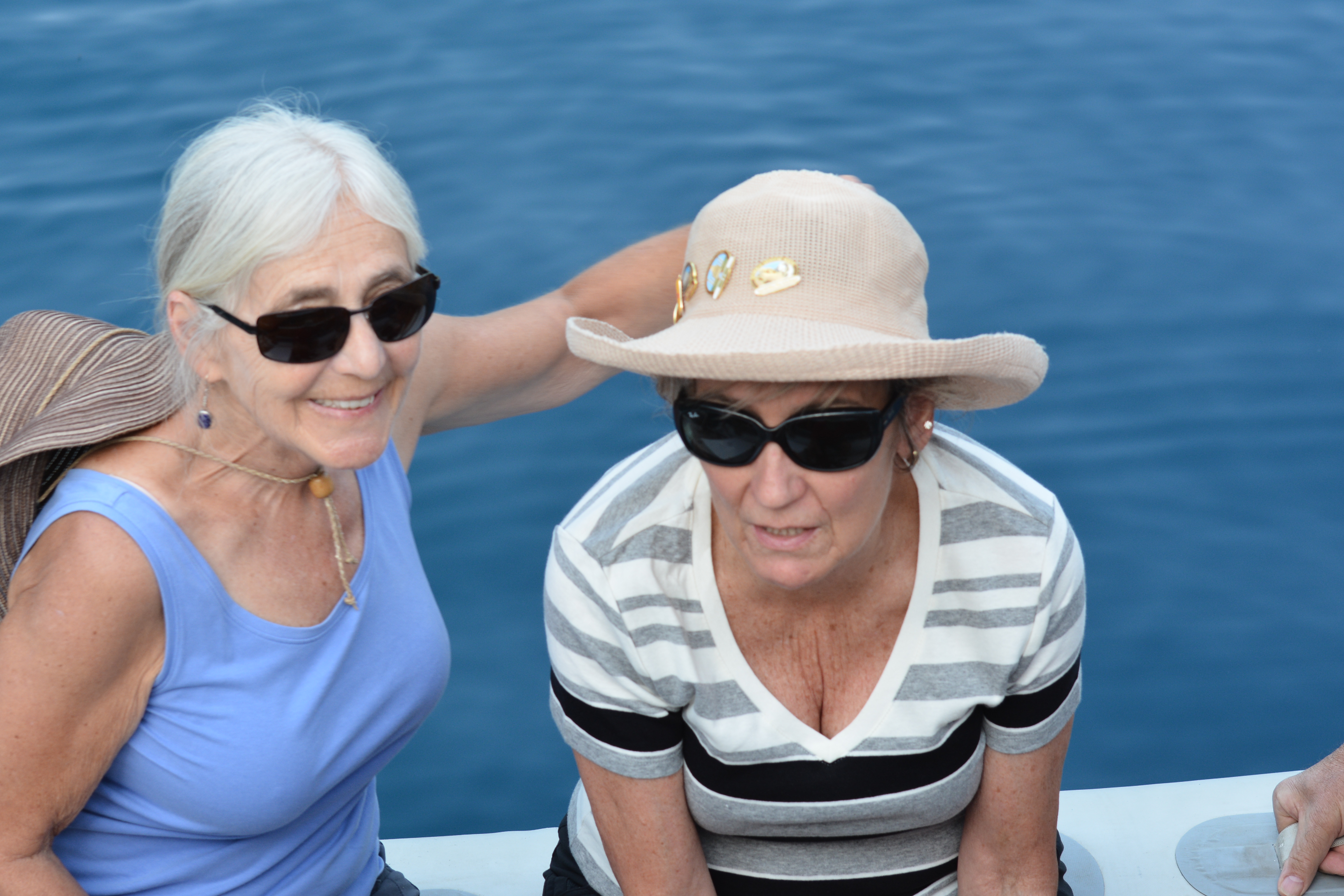


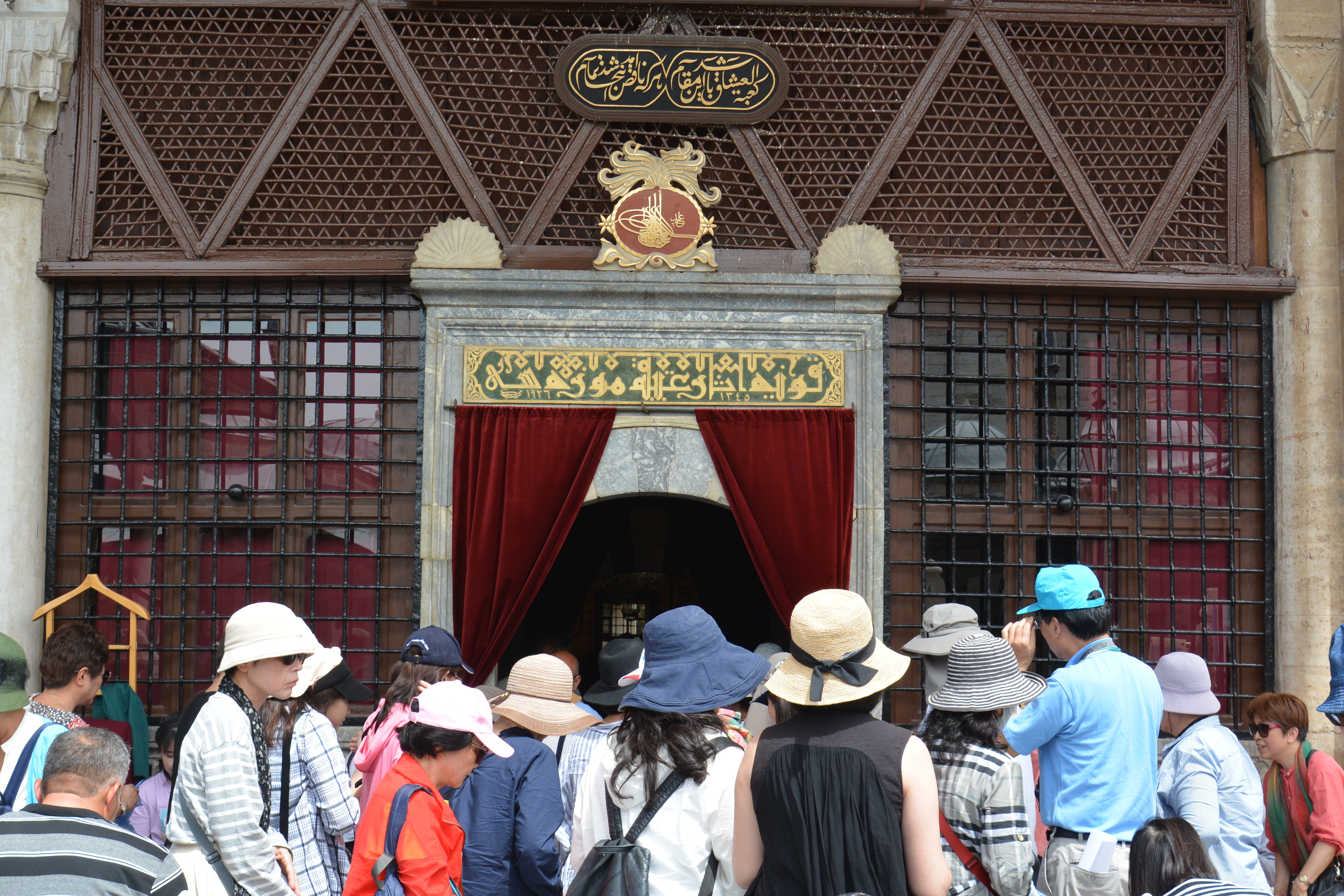
Our trip to Turkey is in our memories and hearts. Thank you Mustafa Kemal Topcu. You represent your country with love, and show unwarranted respect for tourists’ foolish and impertinent questions. Turkey is a beautiful country; with a remarkable history and welcoming people.





























![Red-Rock-Canyon-Vicinity-Map-273x300[1]](https://chetyarbrough.blog/wp-content/uploads/2018/08/red-rock-canyon-vicinity-map-273x3001.jpg)












 REVIEWS AND VIEWS OF LIFE