NUCLEAR POWER

Audio-book Review
By Chet Yarbrough

(Blog:awalkingdelight)
Website: chetyarbrough.blog

Atomic Accidents: A History of Nuclear Meltdowns and DisastersAtomic Accidents

By James Mahaffey

Narrated by: Tom Weiner

Listening to Atomic Accidents, the first thing that comes to mind is point-of-view, second the author’s qualification, and third writing skill.  Mahaffey’s book is historically fascinating, and enlightening.  And happily, Mahaffey writes well.

DR. JAMES MAHAFFEY (AUTHOR)

Doctor James Mahaffey’s professional career is founded on the nuclear industry.  Educated at the Georgia Institute of Technology, Mahaffey holds a bachelor’s degree in physics, a master’s in science, and doctoral in nuclear engineering.

Mahaffey is well versed in the science, engineering, and mechanics of nuclear energy.  Because of education, one presumes Mahaffey is a proponent of the nuclear power industry.  After dissection of several atomic accidents, a listener becomes unsure of Mahaffey’s point of view.  By the end, his point of view is clear.  

nagasaki bombing aftermath
The best known nukes, Big Boy and Little Boy, were dropped on Hiroshima and Nagasaki at the end of WWII.

America has dropped and lost nuclear bombs around the world.  The best known nukes, Big Boy and Little Boy, were dropped on Hiroshima and Nagasaki at the end of WWII.

Less known bomb drops were in peace time.  Nukes were accidentally released on remote military bases, in sparsely populated residential areas, and in the sea.  Some of those dropped in the sea remain unrecoverable.  None of the peace time bombs exploded.

America chose to keep nuclear secrets from Great Britain after WWII because of concern over nuclear bomb proliferation.  Because of America’s secrecy and  lack of cooperation, Mahaffey  suggests design mistakes were made.

In reviewing the history of nuclear energy, Mahaffey notes English scientists and engineers designed graphite nuclear power plants that were inherently dangerous.  Graphite catches fire at high temperatures and is notoriously hard to extinguish.  However, graphite nuclear plants became widely copied throughout the world.

Mahaffey’s stories of nuclear mishaps range from dumb to dumber; i.e. from wind fans that feed graphite nuclear plant fires to technicians that ignore rules of reactor management.  Nuclear accidents seem inevitable and insurmountable.

CHERNOBYL NUCLEAR REACTOR (e.g. A FAMOUS GRAPHITE REACTOR ACCIDENT.)
CHERNOBYL NUCLEAR REACTOR ( Chernobyl is an example of a major graphite nuclear reactor failure.)

Mahaffey explains that the former U.S.S.R. ignored environment in their nuclear bombs race with America.  They dumped plutonium in Russian waters and blew up a graphite nuclear plant that killed Russian workers in a steam explosion.  The explosion contaminated miles of Russian homeland with radioactive fallout.

CHERNOBYL REACTOR DAMAGE

Later, the U.S.S.R. mismanaged Chernobyl’s nuclear facilities and created a nuclear meltdown that reportedly killed over 60 people from radiation and left an area of Russia uninhabitable for generations to come.

FRANCIS GARY POWERS (1929-1977, CAPTAIN IN THE US AIR FORCE, SHOT DOWN OVER RUSSIA IN 1960 AND HELD PRISONER FOR 2 YEARS)
FRANCIS GARY POWERS (1929-1977)

Mahaffey tells the story of the American, Gary Powers, the pilot shot down by the Russians in the 1950s.  Powers is taking aerial pictures of plutonium manufacturing facilities in the U.S.S.R.  Eisenhower is compelled to lie and then apologize to Russia for the clandestine operation.  Mahaffey makes the story interesting by revealing the monumental effort made by the U.S.S.R. to shoot down Powers’ airplane and reassemble plane parts to prove Powers was spying.

FRANCIS GARY POWERS (DIES IN HELECOPTER CRASH WORKING AS KNBC WEATHER PILOT)
FRANCIS GARY POWERS (DIES IN A 1977 HELECOPTER CRASH WORKING AS KNBC WEATHER PILOT)

In the end, Mahaffey discounts the many nuclear accidents and incidents he examines.  His conclusion is that nuclear power can be made probabilistically safe.  Mahaffey argues for the design of nuclear energy facilities that are small and simple to operate.  He suggests that small nuclear power plants be designed and manufactured for specific industrial facilities. 

Rolls Royce is entering the nuclear facilities market in Great Britain.  Small nuclear plants could meet industrial energy demands while limiting environmental carbon emission from other sources of energy Rolls Royce Small Nuclear Plant Production
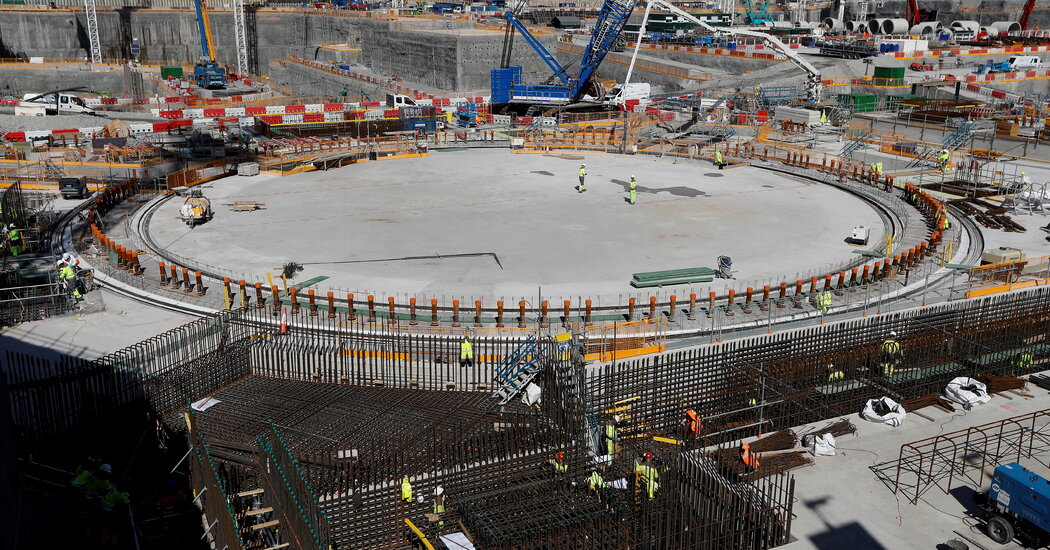
With small nuclear energy plants, the potential for catastrophic Chernobyl-like’ events would not happen.  The massive underwater earthquake and tsunami would not have decimated Japan’s nuclear energy capability if the power plants had not been so massive and concentrated on the coast.

Mahaffey implies proper design and training for small, simple nuclear energy facilities will mitigate the world energy crises.  Mahaffey infers nuclear accidents are unavoidable, but human and environmental damage is minimized with smaller nuclear energy plants.

Rolls-Royce recently (in November 2021) announced they are getting into the small nuclear reactor business.

Mahaffey explains that radiation is a naturally occurring phenomenon.  He argues that shutting down nuclear waste disposal facilities like Yucca Mountain in Nevada are a mistake.  Many in Las Vegas oppose President Trump’s resurrection of the Yucca Mountain waste site.

Mahaffey’s point of view is that nuclear power accidents will happen but their consequences can be minimized with smaller plants and better planning for treatment of victims when accidents occur.  He believes nuclear energy benefits far out weigh their risks.

The 2020 Presidential election is over.  President Biden’s campaign speaks to America’s gradual transition from fossil fuels to wind, water, and solar power.  That transition is a potential source for thousands of new American jobs.  Mahaffey persuasively argues there should be a place for nuclear energy in that transition.
UNWINDING EXTREMES

Audio-book Review
By Chet Yarbrough

(Blog:awalkingdelight)
Website: chetyarbrough.blog

The Unwinding: An Inner History of the New America

By George Packer

Narrated by Robert Fass

GEORGE PACKER (AUTHOR)

GEORGE PACKER (AUTHOR) George Parker drives a stake into America’s heart in “The Unwinding”.

George Parker drives a stake into America’s heart in “The Unwinding”.  One listening to “The Unwinding” comes away in anger, fear, and frustration—whether a Republican, Democrat, Tea Partyer, or Libertarian.

Whether a believer in unfettered free enterprise or limited government, Packer offers stories that show America is a troubled land of opportunity. It has become a land of greed; not of the free but of the shackled—a risk noted by Thomas Hobbes in the “Leviathan”.

America is changing Presidents in 2021. Will anything change? Joe Biden represents a history of government organization and regulation. Donald Trump represents destruction of government organization and regulation. It seems a choice between compromise and anarchy.

The shackles come from society’s failure to protect individuals from the tyranny of special interests.  One side argues–free enterprise is shackled by too much government; the other side argues–not enough government protects the general public.

America’s initial response to the coronaviris illustrates how far America has fallen. “Dollars and cents” government supplanted “common sense” government in President Trump’s initial preparation for the covid 19 pandemic.

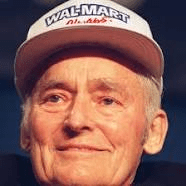
Parker’s stories of people with great wealth, like Sam Walton, or poverty, like Tammy Thomas, or escape from poverty, like Jay-Z and Oprah Winfrey, or invention, like Peter Thiel, Max Levchin, and Elon Musk, or political success, like Colin Powell and Barack Obama, or entrepreneurial ambition, like Dean Price, or political ambition like Jeff Connaguhton–all seem failures, either in morals or self-fulfillment.

Sam Walton becomes one of the wealthiest people in the world by creating a marketing behemoth that offers low consumer prices but drives small business entrepreneurs out of business. Walton offers great prices by buying in bulk and selling in volume with lower margins, partly produced by low wage workers.  On the one hand it is a bargain for the consumer; on the other hand it destroys competition and reduces family incomes.

AMERICAN MANUFACTURING JOBS

AMERICAN MANUFACTURING JOBS (Many lose their jobs when companies are purchased by conglomerates that dismantle the business, out-source product development, and reduce employment by offering buyouts to higher paid long-term employees–all to provide profits to investors.)

Tammy Thomas, born and raised in Youngstown, Ohio, worked in one industry for the majority of her life.  She lost her job when the company she worked for was purchased by a conglomerate that dismantled the business, out-sourced product development, and reduced employment by offering buyouts to higher paid long-term employees–all to provide profits to conglomerate’ investors.

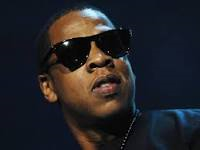
JAY-Z

JAY-Z (BUSINESS MOGUL, ENTERTAINER)

Jay-Z and Oprah Winfrey overcame poverty and the degradation of living in squalid slums by capitalizing on their unique abilities and life stories, stories that reflect on the huge disparity between rich and poor. Born into poverty; they unquestionably achieved success for themselves, but left behind a population with poorer and poorer prospects of escape.

OPRAH WINFREY (AMERICAN MEDIA MOGUL)

OPRAH WINFREY (AMERICAN MEDIA MOGUL) 

Peter Thiel and Max Levchin capitalize on the tech boom.  Peter Thiel becomes a billionaire through entrepreneurial skill.  However, the consequence of market collapse from financial derivatives affects even Thiel’s wealth. Thiel remains in the privileged 1% but Parker infers Thiel turns his attention to dismantling American government with greater reliance on free enterprise.

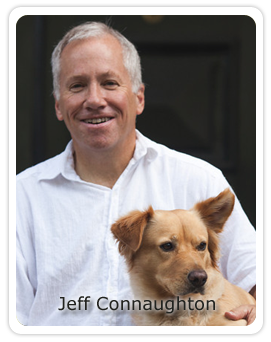
Senator Jeff Connaughton experiences both sides of America’s schizophrenia. Connaughton began as a political operative, left government to become a millionaire lobbyist, and returned to government when the derivative crises reduced his net worth.

JEFF CONNAUGHGTON (US SENATOR, FORMER LOBBYIST, FORMER WHITE HOUSE LAWYER, AND SENATE AIDE FOR JOE BIDEN BEFORE 2009)

(US SENATOR, FORMER LOBBYIST, FORMER WHITE HOUSE LAWYER, AND SENATE AIDE FOR JOE BIDEN BEFORE 2009)

Connaughton’s reaction to the financial crisis differs from Theil’s, in part because of the monumental wealth difference, but also because of their different journeys to wealth. They equally revile the influence of money in government but Connaughton believes government regulation can be effective while Theil, a Libertarian, believes government regulation is the bane of democratic society.

Parker tells the story of Dean Price. Price, a young Republican turned Libertarian (though he voted for Obama) believes America is the land of opportunity.  He struggles, works hard, achieves success, fails, starts over, seems on the road to recovery, and fails again. Price buys into the American Dream by reading Napoleon Hill’s book “Think and Grow Rich”.  He believes–if he can dream it, it can happen.

DEAN PRICE (HALF OWNER OF RED BIRCH ENERGY)

DEAN PRICE (HALF OWNER OF RED BIRCH ENERGY)

Life choices get into Price’s way. His financial problems mount to the point of losing his ownership interest in Red Birch Energy.  Price files for bankruptcy and is faced with starting over.

Price experiences rising gasoline prices and buys into the bio fuel movement of the 21st century.  He starts a company called Red Birch Energy after selling a small fast food chain that he began from nothing. As a part of his original start-up, Price built a fuel discount truck stop on his family farm with one of his restaurants as an anchor.   He takes on partners for engineering and additional financing for bio fuel equipment and farmed canola grain for the production of bio fuel. With rising oil prices, turmoil in the Middle East, and Obama’s election, it appears Price is on the road to great success.

Price takes advantage of his partners by not fully explaining his conflicts of interest in using bio fuels in his own truck stop to stave off collapse of his personal business.  His financial problems mount to the point of losing his ownership interest in Red Birch Energy.  Price files for bankruptcy and is faced with starting over.

COLIN POWELL (AMERICAN STATESMAN-RETIRED FOUR-STAR GENERAL)

COLIN POWELL (AMERICAN STATESMAN-RETIRED FOUR-STAR GENERAL) Powell became the poster child of black Republicans, only to have his reputation destroyed by endorsement of false reports about WMD that compelled the United States to invade Iraq.

Obama’s reputation for change appears a lie as much as a truth.  Government decisions to let bank’ decision-makers escape prosecution galls every American damaged by the financial crises of 2007-2008.  Obama’s unwinding of the financial crises ultimately succeeded but greed remains an alloyed characteristic of American democracy.

PRESIDENT BARACK OBAMA

President Barack Obama (2009-2017)

Price brings his stories together in the “tea party” and “occupy wall street” movements.  The growing distrust of government and burgeoning anti-government beliefs raises hackles and stokes fires of two political extremes. The “tea party” movement wants less government regulation. The “occupy wall street” demonstrators infer they want more government regulation.  The extremes are exhibited as Libertarian on one side and Marxist on the other.

OCCUPY WALL STREET PROTES

Libertarians like Theil want to minimize government intervention in the private sector, including government control of education.  “Occupy wall street” followers want government intervention, subsidization of education, and universal health coverage to equalize opportunity for lower and middle class Americans.

“Tea party” followers want less government while “occupy wall street” factions what more effective and protective government. 

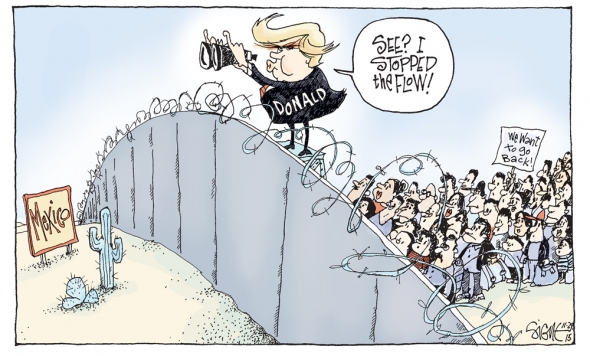
TRUMP'S WALL 2

American democracy is the politics of extremes with each extreme using whatever means necessary to deny success of prudent legislation.  The consequence is a “do-nothing” congress and an ineffectual President.

The unwinding of the financial crises in the dot-com bubble of 2000-2001 and the 2007-08 subprime mortgage crises unfolds in the many stories told by Packer in this disturbing narrative.  (America’s early response to the coronavirus is similarly disturbing.)

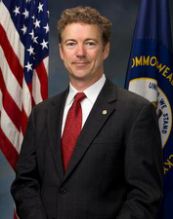
Rand Paul (Kentucky Senator)

A professed Libertarian delays emergency funds to fight the Covid-19 pandemic by demanding an amendment. The amendment is widely understood to be be voted down, but will delay approval.

America is a nation of extremes with each extreme using whatever means necessary to thwart or delay prudent action.  The initial consequence of these extremes is a “do-nothing” congress and an ineffectual President. 

One is left with fear, anger, and frustration after completing “The Unwinding”.  The only consolation is in America’s history of (somehow) overcoming crises. America has been in crises before–in 1776, 1789, 1865, 1929, 1941, 1951, 1967-68, 2001, and 2008.  We will survive the 2020 pandemic.

POLITICS AND ECONOMICS

Audio-book Review
By Chet Yarbrough

(Blog:awalkingdelight)
Website: chetyarbrough.blog

The Wealth of Nations

By Adam Smith

Narrated by Gildart Jackson

ADAM SMITH (1723-1790, AUTHOR OF -THE WEALTH OF NATIONS)

ADAM SMITH (1723-1790, AUTHOR OF -THE WEALTH OF NATIONS)

“The Wealth of Nations” is often referred to but rarely read or listened to in the 21st century. Thirty Six hours of an audio book is punishing. However, one is surprised by Adam Smith’s prescient understanding of the value of freedom and his appreciation of the American and British conflict over American’ colonization. 

“The Wealth of Nations” is not only about economics.  It is about politics as an essential ingredient of economics.

INDUSTRIAL REVOLUTION

Britain was among the mercantile leaders of the world when his book was published in 1776, the year of American Independence. 

Dutch dominance had receded; Spain and France were vying for monarchical rule of Western Europe while Napoleon was soon to dominate the east and west European continent.  British imperialism was on the rise. Britain became the dominant moral and economic power of the 19th century.

Adam Smith’s publication defined and codified economics while recognizing the economic limitation of imperialist expansion. Long before Britain’s ascension to the moral and economic leader of the world, Smith noted the error of denying self-determination to distant colonies.

TRUMP AND FREE TRADE

Contrary to President Trump’s “America First”, Smith believed that whatever is produced at the cheapest price and best quality for the consumer is the guiding principle of “The Wealth of Nations”. 

Smith argued that business regulation should begin with the best interest of the consumer at the forefront of legislation.

In general, Smith argues that trade monopolies are bad and competition is good.  Governments that restrict trade hurt the consumer; therefore, tariffs on foreign goods should be abolished.  To Smith, anything that restricts free trade is bad.

Former Secretary of the Treasury, Jacob Lew agrees with the father of economics–eliminating tariffs imposed on goods…would help ease inflation (Nov 3o, 2021 CNBC article). Concern over job loss in America if trade tariffs are eliminated is absurd when looked at through the eyes of an economy transitioning from industrialization to technology.

Freedom was a big deal to Adam Smith.  The essence of Smith’s view of economics is that the consumer should be the beginning and end point of all economic decisions and actions. In some respect, this narrow interpretation of “The Wealth of Nations” suffers from the same nearsightedness of a more contemporary author, Ayn Rand.

Rand argues that competition, without government interference, is essential to progress.  Both authors ignore weaknesses inherent in human nature that demand some level of government regulation.

On the other hand, government regulation is subject to the same human frailties as business. Laws of “unintended consequence” play out in both political and business decisions.  The consumer is an employee as well as an employer.

The economic consequences of wages that do not meet the basic needs of family survival because of foreign competition, technology, industrial obsolescence, etc. have real consequence to employers as well as employees.  Bankruptcies occur, unemployment rises, the rich become less rich and the poor starve.  Just as Smith’s reviled monopolies, free markets have consequences.

Smith is right.  Rand is right.  But, both are idealistic rather than realistic because of the nature of humankind. They both infer everything works out in the long run when humankind is left alone. 

JOHN MAYNARD KEYNES (1883-1946)

JOHN MAYNARD KEYNES (1883-1946)

John Maynard Keynes noted, we are all dead in the long run.  (In fairness, Smith does acknowledge limited circumstances in which government regulation is justified.)

What is fascinating about Smith’s work is its historical context.  He infers that American colonies have reason for discontent because of British taxation without representation.  He also suggests Britain’s imperialist decisions and actions should be tempered by a cost benefit analysis of what British subjects receive in respect to costs of managing economies thousands of miles away. 

Smith effectively introduced rationality to economics.  Capitalism became a marriage between politics and economics.

One can argue that Britain followed Smith’s advice about imperialism through the 18th and 19th centuries to become the most powerful nation in the world.  But Britain’s grasp of the cost of imperialism began to slip in the 20th century and a decline in economic strength began.  The cost of imperialist policy exceeded the benefit; not to mention, the inherent immorality and unfairness of cultural subjugation.

Visiting “The Wealth of Nations” is a worthwhile journey into history. Is there a 21st century Adam Smith in America’s future or is he/she pottering around Asia, Europe, the Middle East or Africa and not yet recognized?

POLITICAL LOSERS/WINNERS

Audio-book Review
By Chet Yarbrough

(Blog:awalkingdelight)
Website: chetyarbrough.blog

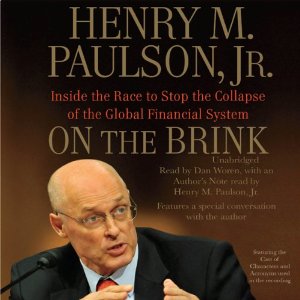
On the Brink
By Henry M. Paulson, Jr.

Narrated by Dan Woren

HENRY PAULSON (U.S. SEC. OF THE TREASURY 2006-2009)

HENRY PAULSON (U.S. SEC. OF THE TREASURY 2006-2009) 

Crisis reveals human strength and weakness.  Perception is not reality, but Henry Paulson, the former Treasurer of the United States, names names and paints pictures of (mostly) men in the 2007/2008 financial crisis.  In his analysis, there are political losers and winners.

How will America’s response to the Covid-19 pandemic be recalled?

This close political race will have a winner and loser. With such a close political race, the loser will be America. Divisiveness and ideological difference will remain a major obstacle in formulating foreign and domestic policy. Covid 19 will run its course. The concern is in not having a pragmatic or politically articulate President who can lead America over the next four years.

GEORGE WALKER BUSH (43RD PRES. OF THE UNITED STATES)

GEORGE WALKER BUSH (43RD PRES. OF THE UNITED STATES) Paulson characterizes Bush as a pragmatist who acts on recommendations from people he trusts.

Paulson reveals himself as a Christian Scientist, a pragmatist, and enigmatically, a somewhat left-of-center, presumably Republican, liberal.  Paulson suggests a Republican left-of-center lean when writing about his mother and wife’s reluctance for him to take the Department of the Treasury position in the Bush administration.  (Paulson’s mother strongly supported Hillary Clinton for President.)

Interestingly, Paulson characterizes George Bush as an equally pragmatic, non-ideological decision maker.  Differences between the two are in the details; i.e. Paulson analyzes his own and other experts’ details and presents informed alternatives and recommendations while Bush acts on recommendations from people he trusts.

BEN BERNANKE (CHAIRMAN OF THE FEDERAL RESERVE 2006-2014)

BEN BERNANKE (CHAIRMAN OF THE FEDERAL RESERVE 2006-2014) Paulson characterizes Ben Bernanke as a brilliant financial advisor, participant, and ally in supporting and executing complex rescue plans for a financial system nearing default.

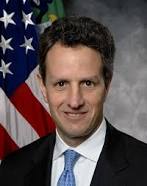
TIMOTHY GEITHNER (U.S. SECRETARY OF THE TREASURY (2009-2013)

TIMOTHY GEITHNER (U.S. SECRETARY OF THE TREASURY 2009-2013) Tim Geitner is shown as a team player that bridges the divide between political and administrative decision-making when plans are formed to rescue Fannie Mae, Freddy Mac, and AIG.

Rahm Emanuel is described as an effective political organization man who is able to get things done in a highly political environment.

Jaimie Dimon (CEO of JPMorgan Chase.)

Dimon is characterized as a rationale business man who is willing to take a risk for the benefit of more than his own aggrandizement.

John Thain seems a competent manager in crisis that makes the best of a terrible situation by moving rapidly to sell Merrill Lynch to B of A before total collapse.

SARAH PALIN (FORMER V.P. NOMINEE, FORMER GOVERNOR OF ALASKA)

Some crisis profiles shown by Paulson are less complementary.  Sarah Palin comes across as a decision maker driven by politics rather than pragmatic results.

John McCain (1936-2018, Former U.S. Senator for Arizona.)

John McCain seems to gravitate to Palin’s perception of reality by political posturing for election results rather than pragmatic solutions for the financial crisis.  Jim Bunning, the former baseball player and House of Representative’s Republican, is shown to be an ideologically driven populist extremist.

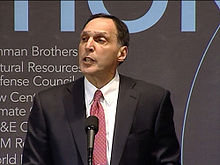
RICHARD FULD (FORMER CEO LEHMAN BROTHERS)

Richard Fuld seems arrogantly delusional about Lehman Brothers’ assets and an ineffective manager in crises.

Ken Lewis (Former CEO of Bank of America)

Lewis appears Machiavellian in grabbing what he thinks are the best and rejecting what he thinks are the worst financial risks in America’s near economic collapse.

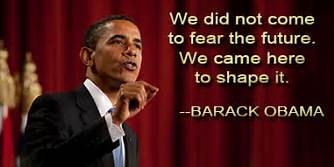
Paulson reinforces perceptions of Barack Obama as a smart guy that grasps the big picture; ditto for Barney Frank, and Lindsey Graham but less so for Christopher Dodd.

BARACK OBAMA QUOTE

Paulson reinforces perceptions of Barack Obama as a smart guy that grasps the big picture; ditto for Barney Frank, and Lindsey Graham but less so for Christopher Dodd.

Paulson suggests that Republican Senator Shelby can drive his point and take control when pushed to act but ideological belief seems to constrain proactive action in the financial crises.  Senator Reid is shown to be a consummate, seasoned political manager in the Senate and Nancy Pelosi an equally dynamic oldster in the House of Representatives.

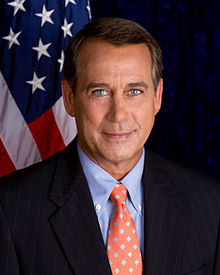
JOHN BOEHNER (FORMER SPEAKER OF THE HOUSE)

JOHN BOEHNER (FORMER SPEAKER OF THE HOUSE) Paulson suggests Boehner is unable to lead his Republican constituency and seems awkwardly suited for either a minority or majority Speaker of the House position.
In contrast, Representative Boehner is unable to lead his Republican constituency and seems awkwardly suited for either a minority or majority Speaker of the House position.
It seems today the decisions made by Bush, Paulson, Bernanke, Geitner, and Congress were correct.  After listening to Paulson’s book, one appreciates these civil servants hard work in doing the right thing.   Today is too soon to tell but Paulson gives outsiders a fascinating glimpse of people making a difference when a nation is in crisis.

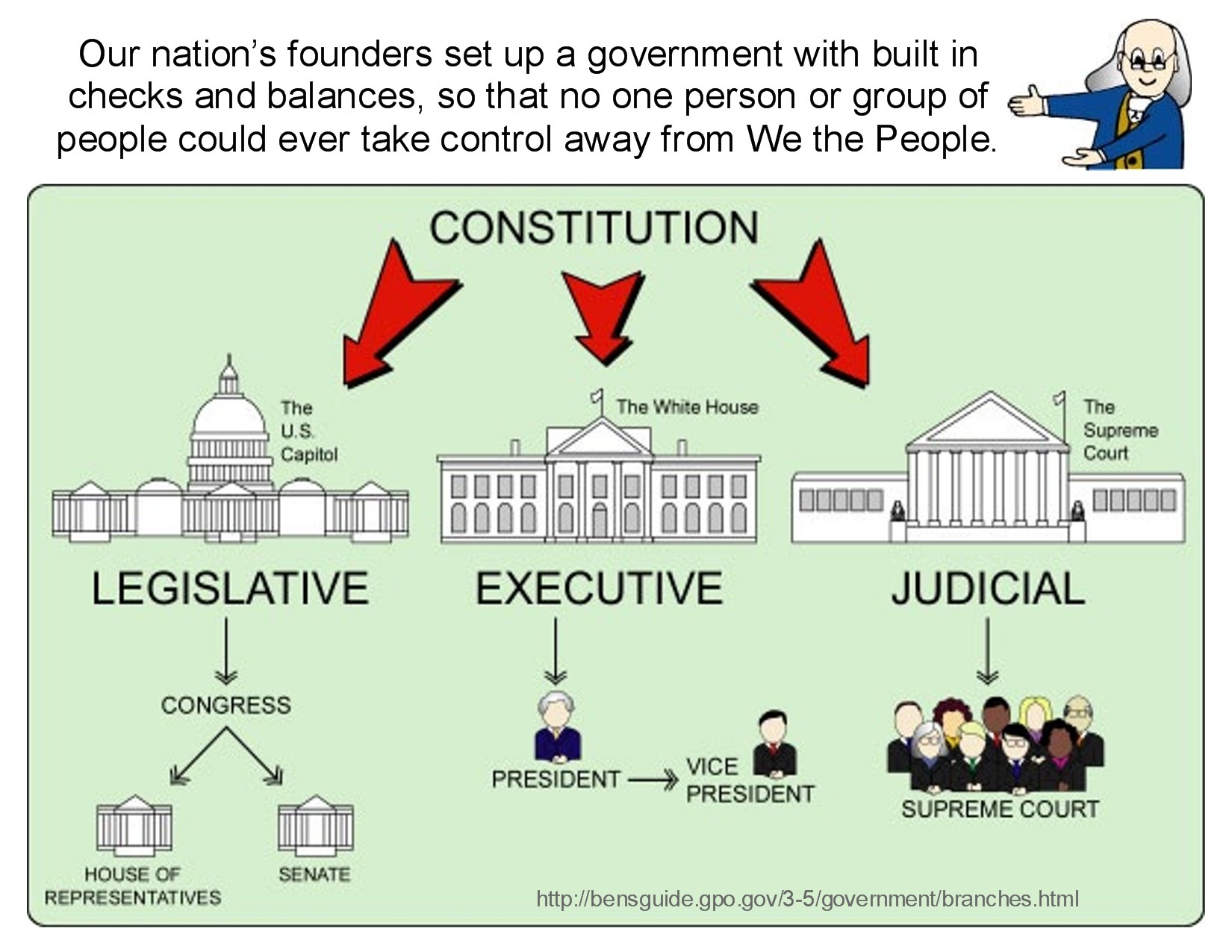
CHECKS AND BALANCES

One wonders who the political losers and winners will be in today’s immigration, world trade, Covid-19 pandemic, and budget deficit crises.

AGE OF UNREASON

Audio-book Review
By Chet Yarbrough

(Blog:awalkingdelight)
Website: chetyarbrough.blog

The Age of American Unreason
By Susan Jacoby

Narrated by Cassandra Campbell

SUSAN JACOBY (NOMINATED FOR PULITZER PRIZE FOR GENERAL NON-FICTION)

SUSAN JACOBY (NOMINATED FOR PULITZER PRIZE FOR GENERAL NON-FICTION)

Susan Jacoby had her book “The Age of American Unreason” published in 2012, long before the election of Donald Trump.  The title is apropos today but the substance of Jacoby’s reasoning is suspect.

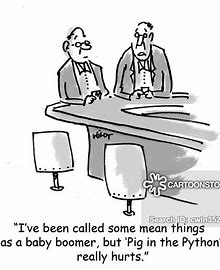
“The Age of American Unreason” interests baby boomers because it capsulizes events of the “pig in a python” era (babies born between 1946 and 1964).

Susan Jacoby’s characterization of this era of “…unreason” is over-generalized.  Jacoby free falls into a blind canyon of liberal bias; beginning with an inference that the word “folks” in speeches rather than “people” suggests demise in American intellectualism.  Considering the intellectual and ethical differences between Obama/Biden and Trump, Jacoby’s “examples and causes” for “unreason” are cringe worthy.

Jacoby writes about conflict between conservative’ belief in creationism and evolution as a cause for “…unreason”.  Many, if not most Americans, meld religious belief with evolution.  Some are agnostic and skeptical, but they have not lost their faith.  Others are genuinely atheistic.  Many current books are written to question the existence of God, but what is new?
Jacoby sites statistical studies that reinforce her opinion without conceptualizing the evolution of religious and philosophical thought.  One is more likely to prove that scientific understanding of creation is accelerating rather than regressing to mythical or spiritual explanation.  But, what is new?  Copernicus and Gallileo are simply replaced by Watson and Crick.

SCIENCE AND RELIGION

Change in religious belief is not revolutionary; it is gradual and evolutionary based on the advance of science. 

Jacoby insists that television, the internet, and the information age are rotting American minds through distraction and substitution.  She believes intellectualism is vilified and popular opinion is more influential and intellectually barren today than in times past.  She dwells on American education system’s failure to reject creationism with exclusive scientific explanation of natural events.

A counter argument is that television, the internet, and the information age have been a boon to humankind.  Ignorance is mitigated by a more interconnected world.  African, Asian, Middle Eastern, and North American populations become better informed about each others lives.  Humans of all cultures become more human.
RISING FROM THE DEAD, Jacoby dwells on American education system’s failure to reject creationism with exclusive scientific explanation of natural events.
RISING FROM THE DEAD

History suggests proving millennial religious beliefs as a mythology is not going to occur in a few generations, if ever.  Jacoby cherry picks information, snippets of questionable studies, speech factoids, and apocryphal stories to support her idea of a growing “…Age of Unreason”.  Her argument is unconvincing.

Jacoby suggests a diminishment of literary education.  Literary education is unquestionably different today than when Ms. Jacoby graduated from college but different is neither good nor bad; i.e. literary education from Tolstoy, Dostoevsky, Faulkner, Charlotte Bronte, Pearl Buck and other literary giants are still being consumed by the public.  Many late 20th and 21st century writers  are now, or will become, equally revered.

21ST CENTURY WRITERS

The medium may be different but the message is the same (after all, Jacoby’s book is available through audio books and e books).  To suggest they are not being consumed, understood, or appreciated today is a distortion of reality.

The same is true for science.  The intellectual advance of quantum mechanics, cosmology, and the science of man is astounding.  Philosophy is grounded on advances in science; with continued scientific advance there will be future philosophical intellectuals like Plato, Spinoza, and William James; in fact, they are probably here now but not with history’s perspective.

Susan Jacoby is a highly sought after writer and speaker.  One admires her reputation as a liberal but liberality is not a license to write junk thought.  Jacoby is right in the title to her book while wrong in substance.  We are in an era of “unreason” in the 21st century but this century is only slightly more than 20 years old.  Some might say it is only in the last three and a half that American “unreason” has become extreme.

LEADERSHIP

LEADERSHIP–“Unreason” is exacerbated by political leaders’ ultra-nationalism and parochial tribalism.  Leadership change will return reason to political debate just as it did in the 1940s, 50s, 60s, 70s; and now, in the 21st century.

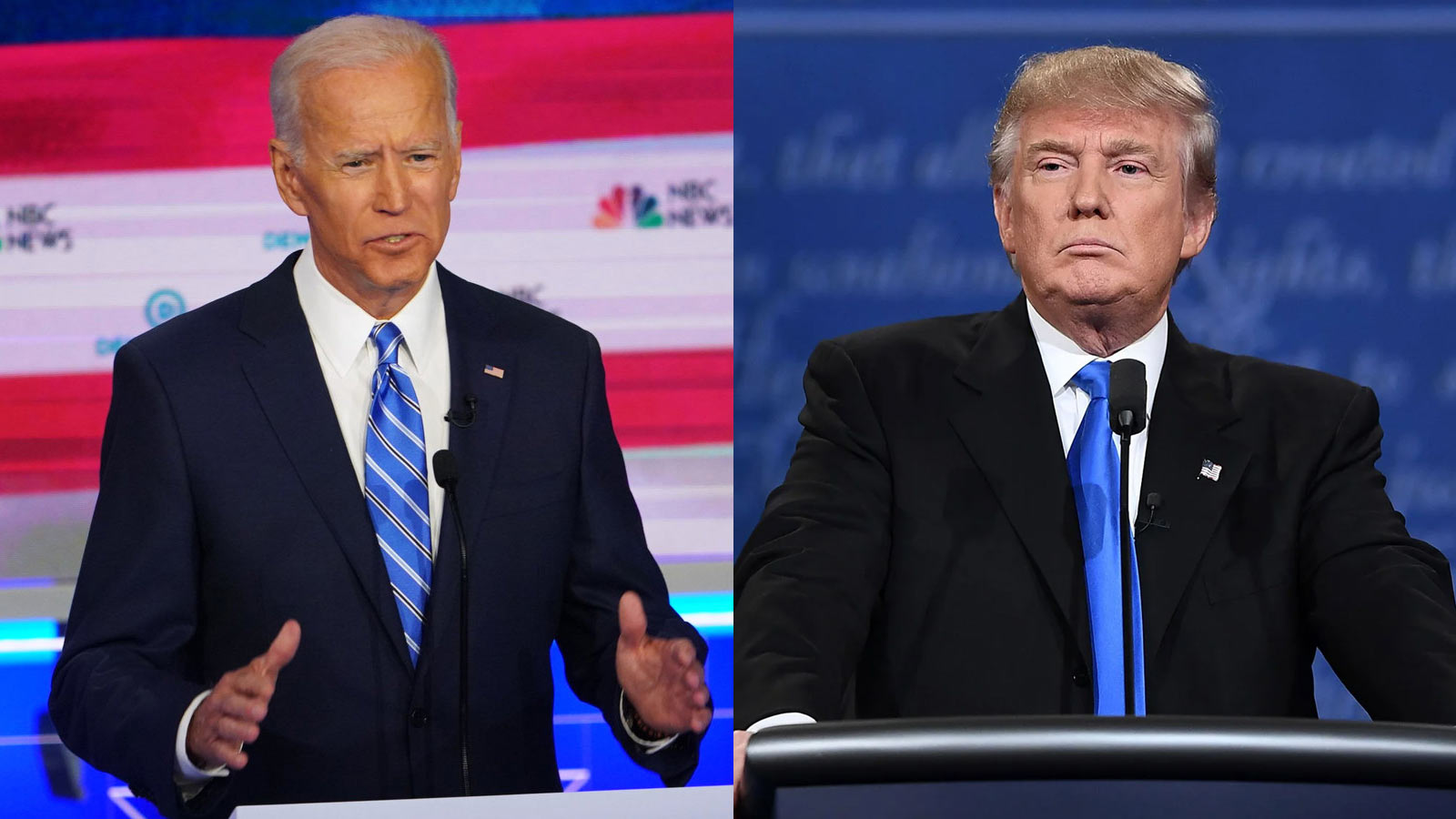
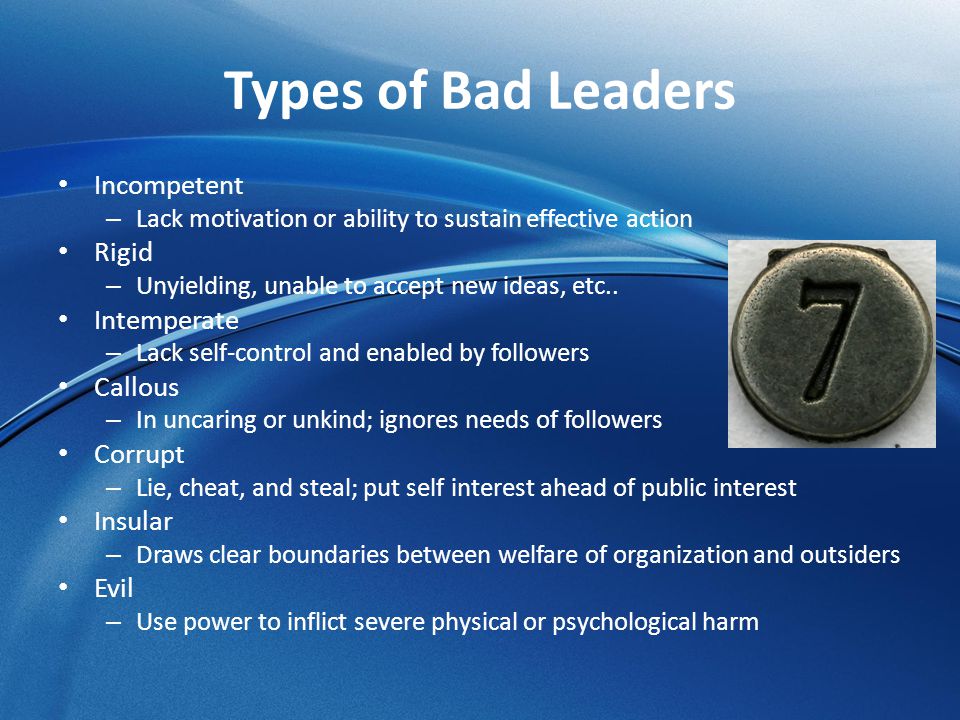
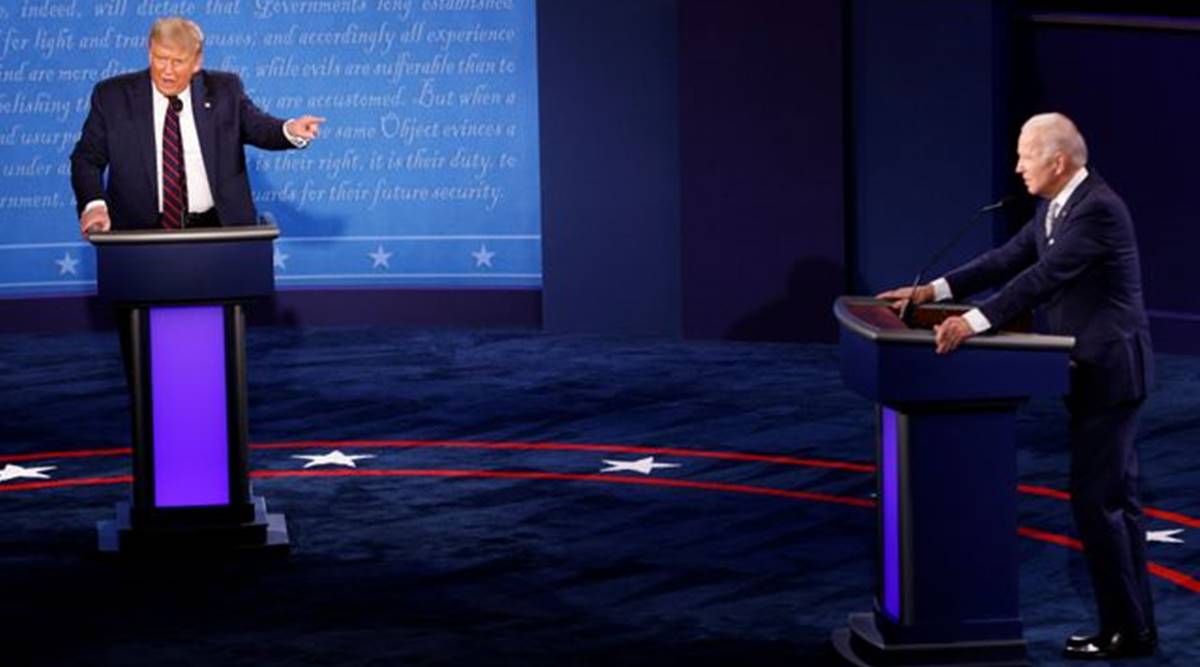
Yesterday’s “debate” exemplifies a type of bad leader that periodically comes from America’s electoral process. Trump embarrasses democracy by dragging it down into an abyss of lies and unreason.

Today’s literature and science are not diminished by a lack of intellectual pursuit, or by speeches that use words like “folks” instead of “people”.  Today’s “unreason” is perpetuated by incompetent leadership; not by a rift between science and religion, or speech.  “Unreason” is exacerbated by political leaders’ ultra-nationalism and parochial tribalism.  Leadership change will return reason to political debate just as it did in the 1940s, 50s, 60s, 70s; and now in the 21st century.