
Books of Interest
Website: chetyarbrough.blog
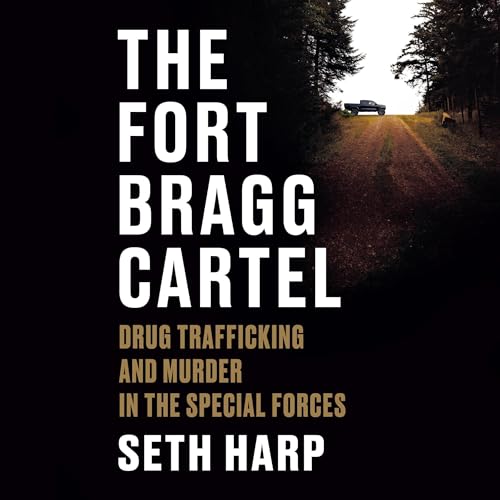
The Fort Bragg Cartel (Drug Trafficking and Murder in the Special Forces)
Author: Seth Harp
Narration by: Dan John Miller
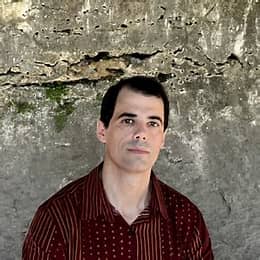
Seth Harp (Author, investigative journalist, foreign correspondent, contributor to Rolling Stone, Harper’s Magazine, The New York Times, and The New Yorker, former Assistant Attorney General for the State of Texas.)
“The Fort Bragg Cartel” is a frightening look at the gray world of a special forces’ organization that recruits and trains American residents who have undoubtedly aided but also undermined the ideals of justice and freedom in America. Personally, as a military veteran, this is a particularly disappointing story of an important governmental organization in America.
Abdul Saoud Mohamed in 1989.
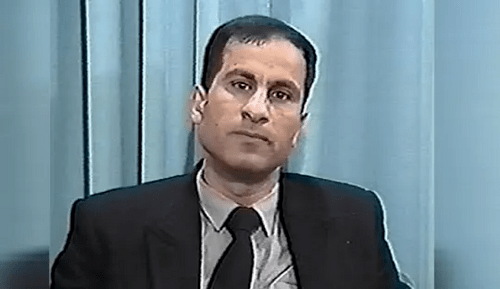
Ali Mohamed (aka Ali Abdul Saoud Mohamed) was a Fort Bragg soldier, a former Egyptian Army officer who Harp identifies as a man who trained al-Qaeda. Mohamed was a participant in a special program for foreign officers at Fort Bragg in the early 1980s. He enlisted as a U.S. Army soldier at Fort Bragg in the 1980s. Harp infers “…Fort Bragg…” has trained and protected a small minority of soldiers who may have contributed to one of the worst disasters in American history, i.e., the disaster of 9/11 that killed 2,996 people in the collapse of World Trade Center in New York City.
Harp’s story begins with a confrontation between an unstable character named William Lavigne (pictured on the left below) and Freddie Huff, two soldiers trained at Fort Brag. Lavigne pulls a gun and threatens to kill Huff. Huff disarms Lavigne and calls the MPs, but the confrontation is covered up. It illustrates how dangerous Lavigne could be and how the military covers up a confrontation that should lead to an arrest and formal investigation. This incident characterizes a disregard for justice by America’s secret service.
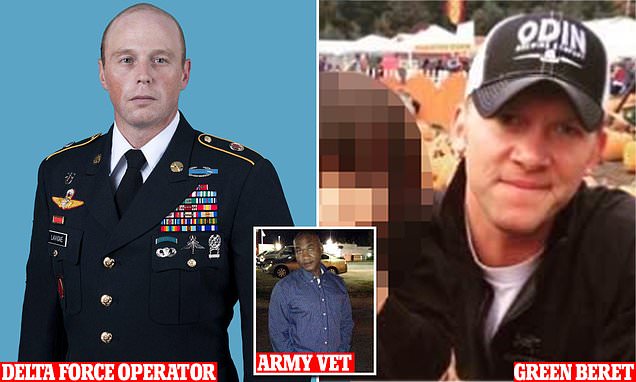
Decorated Delta force operator and Army vet (inset) found murdered on Fort Bragg grounds.
Timothy Moss
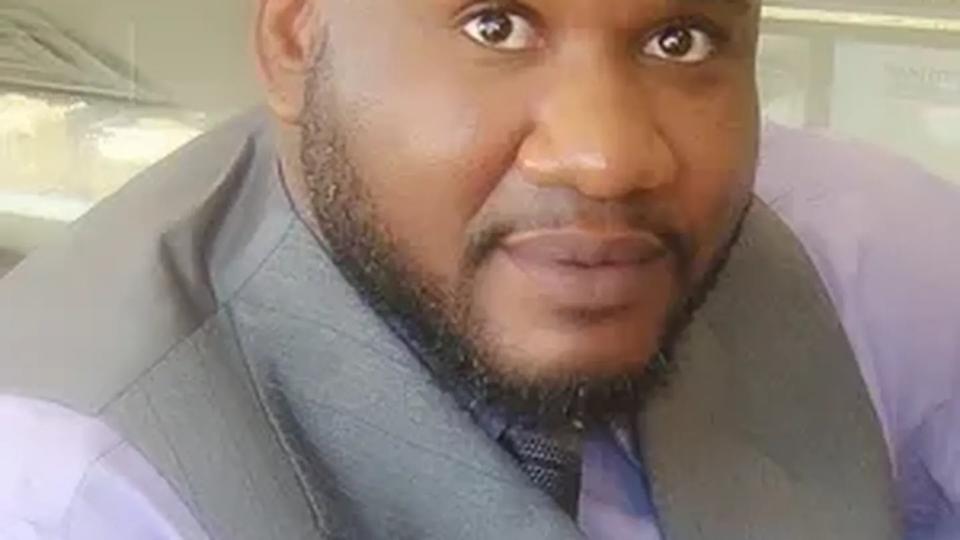
The murder of a special force’s operator named William Lavigne II and a quartermaster named Timothy Dumas (inset picture above) is an entangled story of drug use, drug dealing, and weapons trafficking in the American military. A quartermaster is responsible for managing weapons, gear, and equipment for military operations. Lavigne’s fellow special force’s partner is Timothy Dumas Sr., a quartermaster who uses his role to enrich himself and others who have knowledge of his role and intentions. He threatens to blackmail Afghanistan’ special forces operation because of their criminal activity in cocaine smuggling. Lavigne is not in tune with Dumas’s scheme. Whether Lavigne is not in tune because of his own involvement with drug and weapons trafficking in Afghanistan or because of a patriot’s conscience is unknown.
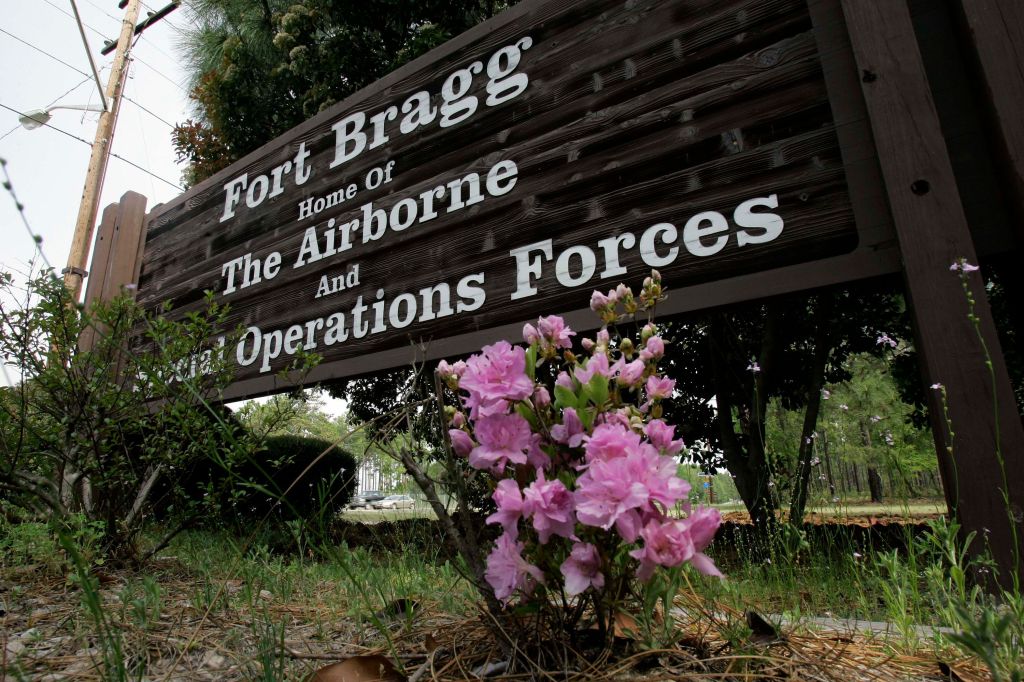
During the Biden administration, Fort Bragg is renamed Fort Liberty. When Trump is re-elected, the name of Fort Bragg is resurrected. Once again, it became Fort Bragg.
Both Lavigne and Dumas are murdered and dumped in a Fort Brag training area. Harp’s investigation of their deaths becomes the story of his book. The author exposes drug use and trafficking networks at Fort Bragg. Harp notes corrupt law-enforcement ties, unsolved deaths, disproportionately high military personnel overdoses, and institutional cover ups at Fort Bragg darken the image of covert actions by the American military. Harp’s story implies criminality is as evident in the military as it is in civilian life. The difference is that there seems little accountability for those who are guilty of drug crimes in the secret service, i.e., at least as shown in this investigation of Fort Bragg.

The flawed nature of human beings.
The military as well as the civilian population of any government are made up of flawed human beings. Those flaws are mitigated by checks and balances designed to protect the general public from the abuse of inherent human rights. Covert and unchecked power in governance is a threat to society because of the nature of human beings. Use of the military as a bully in the playground of nations is psychologically and morally wrong but is proportionately a greater wrong when done covertly.
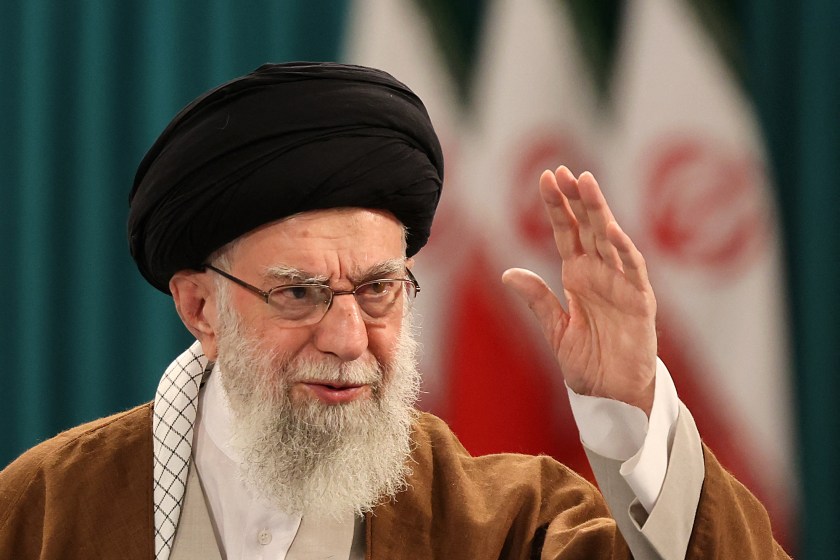
The Ayatollah of Iran was equally guilty of covert actions against other nations.
The covert actions of both Iran and America in the past are examples of what Harp’s story reveals about the danger of secret military plans and acts. Overt bombing of Iran may either be approved or rejected by the public. There is no chance to decide when governments act covertly and illegally if secret service agents are exempt from prosecution. “The Fort Bragg Cartel” exposes a glaring weakness in a secret service meant to protect American citizens. The ironic truth in Trump’s Iran bombing campaign is that every American has a chance to decide.

 REVIEWS AND VIEWS OF LIFE