

Books of Interest
Website: chetyarbrough.blog
The History of the Decline and Fall of the Roman Empire (Volume 1)
Author: Edward Gibbon
Narrated By: Bernard Mayes

Edward Gibbon (Author, 1737-1794, Englishman who received degrees from the Universities of Cambridge and Oxford.)
Gibbon has an interesting background that seemed suited to admittance to the clergy when he became a symbol of militant agnosticism, even though he was more sophist than militant. This first volume of “The…Decline and Fall of the Roman Empire” made him famous.
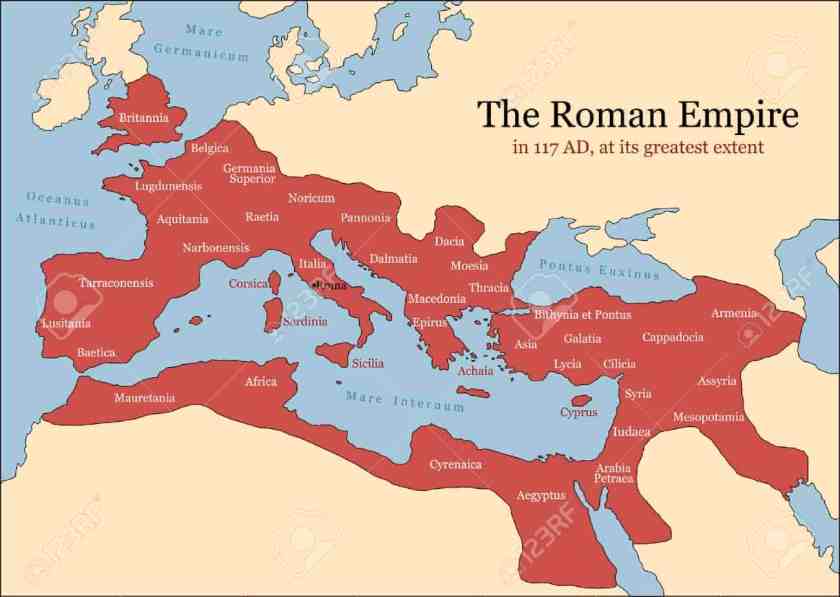
Volume 1 of Gibbon’s history of the Roman Empire is interesting for its relevance to modern day nation-state leadership.
One is inclined to compare the tumultuous leadership of the Roman Empire to the history of one’s own country. There are parallels between good and bad leaders of the Roman Empire and the potential for collapse of today’s nation-states. Thinking of America, even a non-historian knows of leaders like Washington, Lincoln, and the Roosevelts who are considered by most historians and political scientists as great leaders. They managed American crises and had greater overall impact on America’s future than most other Presidents. Of course, America has also had its duds which can only be considered long after their tenure by historians who mitigate subjectivity.

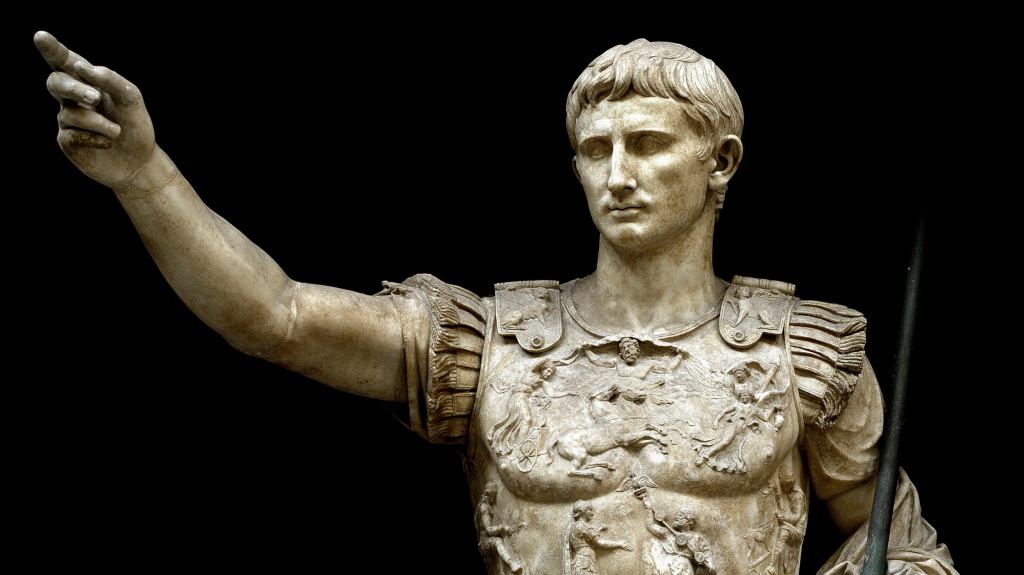
America’s President Washington might be favorably compared to Rome’s first emperor, Augustus. Both exemplified leadership that could bring together disparate interests with a vision of what their nations could achieve in the world in which they lived. Of course, Augustus ruled for over 40 years while Washington led America for only 8. Augustus established an empire while Washington established a singular nation-state. However, both created a period of peace and stability during their terms of leadership.
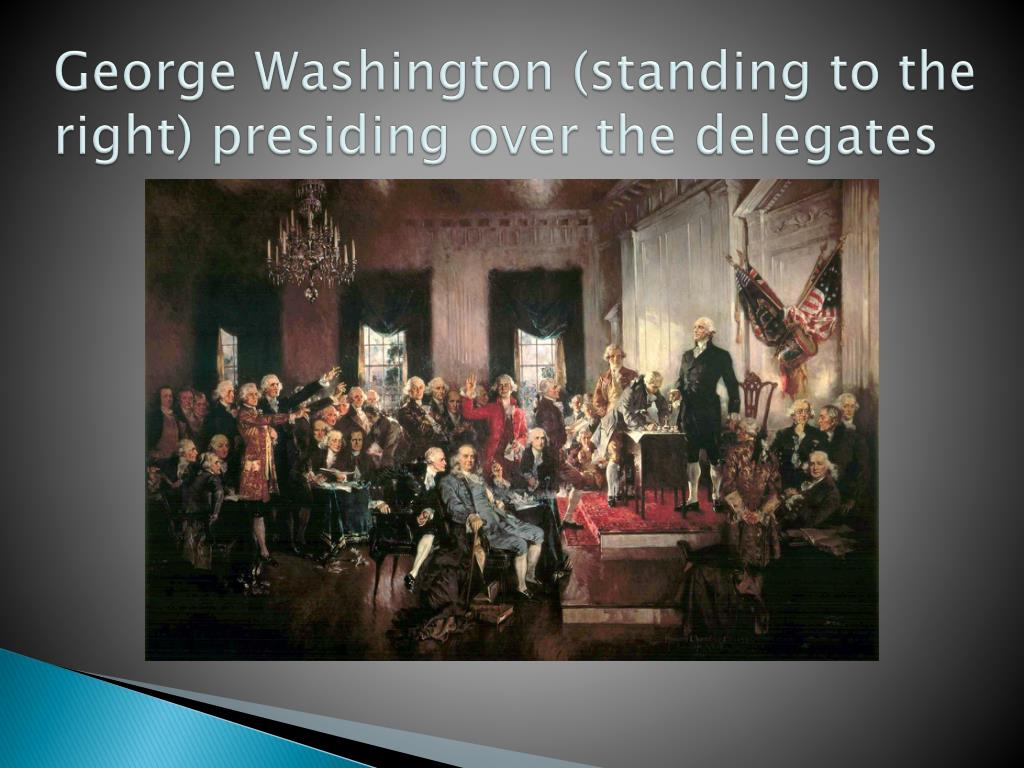
Augustus transitioned Rome from a Republic to an Empire while Washington helped establish the U.S. government by presiding over debates on a constitution that defined the presidency and a system of government’ checks and balances.
Augustus stabilized Rome during years of civil war while Washington led the U.S. through the post-Revolutionary War with Great Britain. Both Augustus and Washington commanded militaries that assured peace within their countries. Washington took command of the Continental Army throughout the war with Great Britain. He organized and trained the troops who had little formal military training. He retreated when necessary and took calculated risks while forging foreign alliances to win American independence from the British. Both Augustus and Washington influenced the economics of taxation to support the administration of government. Though their tenures were quite different, each warranted a system for leadership succession.

Like the great achievements of Augustus in forging an empire, many of Washington’s methods for establishing an independent government have been modified by future leaders. American leadership changes every four to eight years. Surprisingly, despite some long reigning emperors of Rome like Augustus, the average reign is only 5 to 7 years. America’s new Presidents, like Rome’s often acted in ways that would not have been acceptable to their predecessors. Gibbon explains how different emperors shaped the Roman empire through inheritance, military coups, and political maneuvering. Some emperors were assassinated within months of their ascension. American Presidents have been assassinated but inheritance of leadership came from elections, not the power of the military or a leader’s wealth.
The power of a Roman emperor could ignore the Roman Senate and its citizens with the military might at their beckon call.

Successive Roman emperors and American presidents changed the way their governments functioned. The power of a Roman emperor could ignore the Roman Senate and its citizens with the power of the military. In contrast an American President’s government policy changes require a level of cooperation from congress, the judiciary, and the will of the people to make fundamental changes in governance. Gibbon’s history shows Roman emperors handled crises with the power of their position but the same may be argued for America if one considers Lincoln’s actions to preserve the Union with a Civil War. Both emperors and presidents used propaganda, public display, and association with religion to preserve their public image and legitimacy.
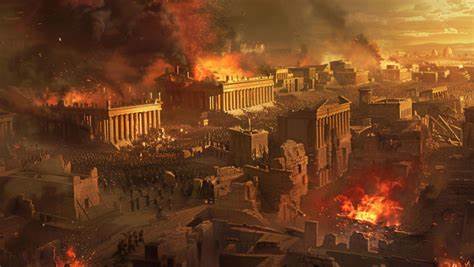
The Roman Empire and the destruction of Carthage.
Gibbon’s history of the Roman Empire in Volume 1 contrasts the good and bad that occur during the growth and survival of the Empire. There are numerous examples of horrific times for the Empire’s citizens. However, the Roman Empire lasted for 1,500 years despite what he called the loss of civic virtue, the rise of religion, military decay, economic strain, and barbarian invasion. Many of Gibbon’s noted reasons for the Roman Empire’s decline are mitigated by the brilliance of the founders of the American Constitution and the “balance of power” principle that created three branches of government. With a balance of power, neither a President, a Congress, or a Court is likely to endorse dictatorship.
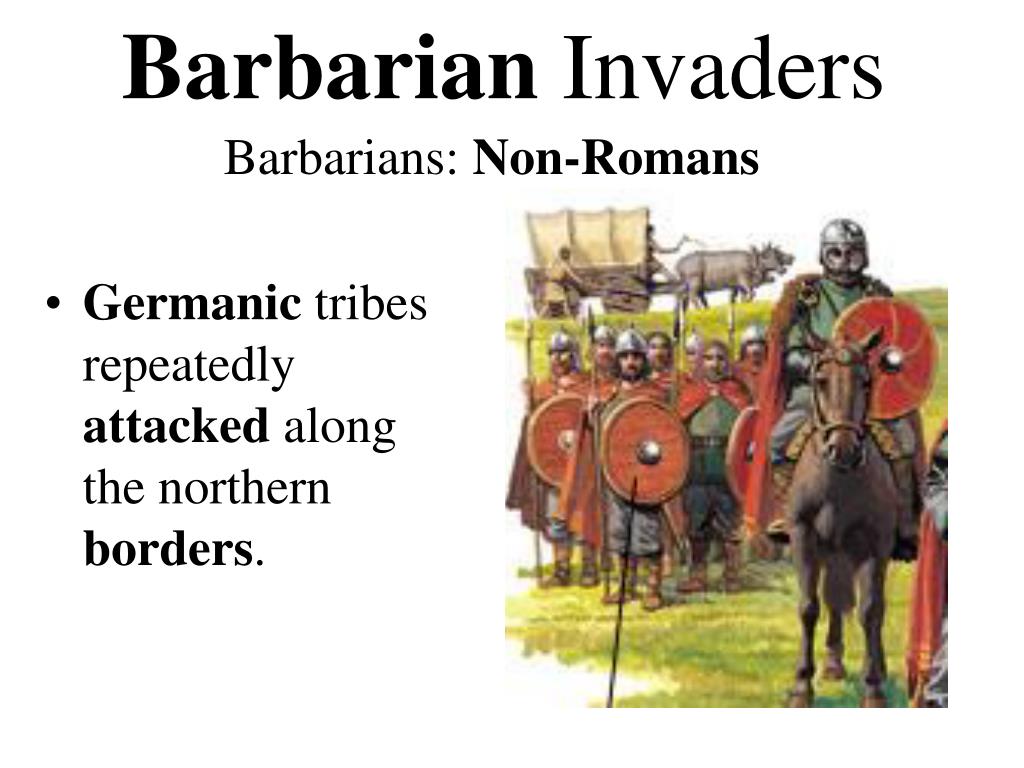
A part of Gibbon’s first volume addresses the conflict between the Roman legions and what are loosely described as the barbarians. Barbarians were the non-Romans of that time.
They were the Germanic tribes of Goths, Vandals, Franks, and Alemanni. There were the Celts of Gaul and Britain, the Huns of Central Asia, the Parthians and Sassanids of the Persian empires, and the Slaves and Bulgars that arrived at the end of the Roman Empire. The distinction between a Roman soldier and a Barbarian is somewhat obscure. Though the Romans were more highly trained and operated within a structured military hierarchy, they exhibited some of the unruliness of the Barbarians who fought in loose tribal warbands. Roman’ equipment and armor were more standardized than the weapons of the Barbarians. Though some might argue the Romans had citizenship and status, they succumbed to mercenary actions just as the Barbarians often did in their tribal communities. A significant difference between the Roman soldier and Barbarians was discipline in battle. Roman soldiers fought in tight formations while the Barbarians fought with hit-and-run tactics. The interesting thought one has about that difference is the mistakes of America in Vietnam and what many consider a defeat by Ho Chi Minh’s hit-and-run tactics.

America declared independence in 1776 which means it has lasted for 249 years. There seems little reason to believe America cannot survive more years, i.e. presuming global warming, nuclear war, virus creation, or some other unimagined catastrophic event destroys human life.

 REVIEWS AND VIEWS OF LIFE