
Books of Interest
Website: chetyarbrough.blog
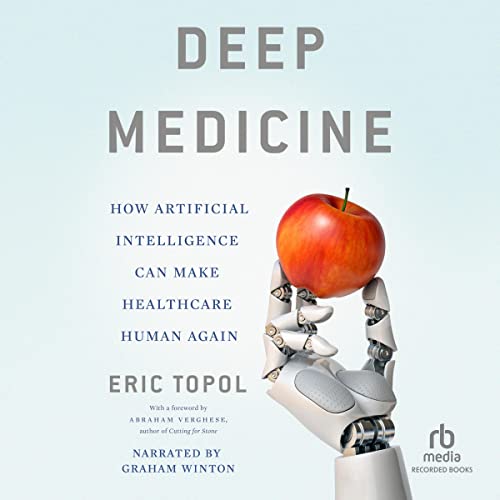
Deep Medicine (How Artificial Intelligence Can Make Healthcare Human Again)
Author: Eric Topol
Narrated By: Graham Winton

Eric Topol (Author, American cardiologist, scientist, founder of Scripps Research Translational Institute.)
Eric Topol is what most patients want to see in a Doctor of Medicine. “Deep Medicine” should be required reading for students wishing to become physicians. One suspects Topol’s view of medicine is as empathetic as it is because of his personal chronic illness. His personal experience as a patient and physician give him an insightful understanding of medical diagnosis, patient care, and treatment.
Topol explains how increasingly valuable and important Artificial Intelligence is in the diagnosis and treatment of illness and health for human beings.
AI opens the door for improved diagnosis and treatment of patients. A monumental caveat to A.I.s potential is its exposure of personal history not only to physicians but to governments and businesses. Governments and businesses preternaturally have agendas that may be in conflict with one’s personal health and welfare.

Topol notes China is ahead of America in cataloging citizens’ health because of their data collection and AI’s capabilities.
Theoretically, every visit to a doctor can be precisely documented with an AI system. The good of that system would improve continuity of medical diagnosis and treatment of patients. The risk of that system is that it can be exploited by governments and businesses wishing to control or influence a person’s life. One is left with a concern about being able to protect oneself from a government or business that may have access to citizen information. In the case of government, it is the power exercised over freedom. Both government and businesses can use AI information to influence human choice. With detailed information about what one wants, needs, or is undecided upon can be manipulated with personal knowledge accumulated by AI.
Putting loss of privacy and “Brave New World” negatives aside, Topol explains the potential of AI to immensely improve human health and wellness.
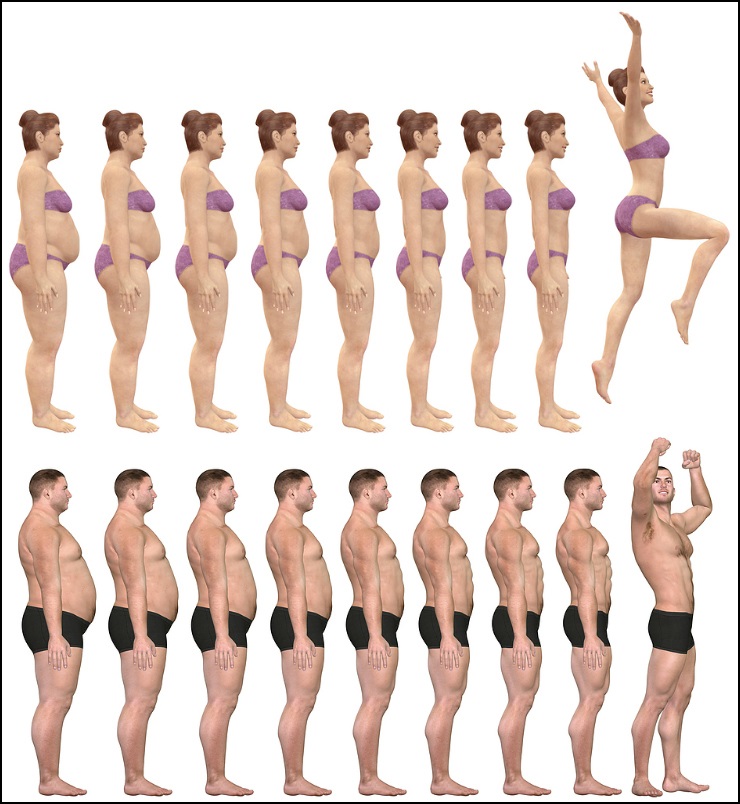
Cradle to grave information on human health would aid in research and treatment of illnesses and cures for present and future patients. Topol gives the example of collection of information on biometric health of human beings that can reveal secrets of perfect diets that would aid better health during one’s life. Topol explains how every person has a unique biometric system that processes food in different ways. Some foods may be harmful to some and not others because of the way their body metabolizes what they choose to eat. Topol explains, every person has their own biometric system that processes foods in different ways. It is possible to design diets to meet the specifications of one’s unique digestive system to improve health and avoid foods that are not healthily metabolized by one’s body. An AI could be devised to analyze individual biometrics and recommend more healthful diets and more effective medicines for users of an AI system.

In addition to improvements in medical imaging and diagnosis with AI, Topal explains how medicine and treatments can be personalized to patients based on biometric analysis that shows how medications can be optimized to treat specific patients in a customized way. Every patient is unique in the way they metabolize food and drugs. AI offers the potential for customization to maximize recovery from illness, infection, or disease.
Another growing AI metric is measurement of an individual’s physical well-being. Monitoring one’s vital signs is becoming common with Apple watches and information accumulation that can be monitored and controlled for healthful living. One can begin to improve one’s health and life with more information about a user’s pulse and blood pressure measurements. Instantaneous reports may warn people of risks with an accumulated record of healthful levels of exercise and an exerciser’s recovery times.

Marie Curie (Scientist, chemist, and physicist who played a crucial role in developing x-ray technology, received 2 Nobel Prizes, died at the age of 66.)
Topol offers a number of circumstances where AI has improved medical diagnosis and treatment. He notes how AI analysis of radiological imaging improves diagnosis of body’ abnormality because of its relentless process of reviewing past imaging that is beyond the knowledge or memory of experienced radiologists. Topol notes a number of studies that show AI reads radiological images better than experienced radiologists.

One wonders if AI is a Hobson’s choice or a societal revolution.
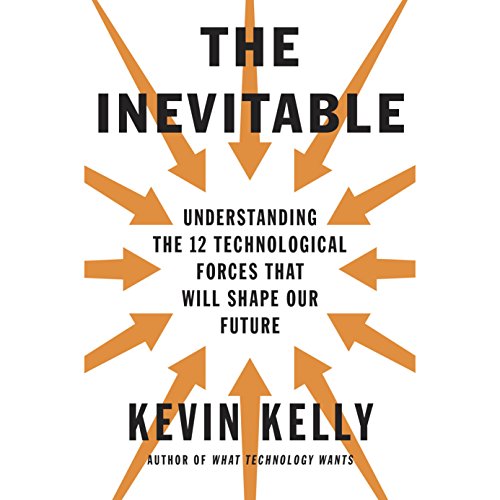
One wonders if AI is a Hobson’s choice or a societal revolution greater than the discovery of agriculture (10000 BCE), the rise of civilization (3000 BCE), the Scientific Revolution (16th to 17th century), the Industrial Revolution (18th to 19th century), the Digital Revolution (20th to 21st century), or Climate Change in the 21st century. Like Climate Change, AI seems an inevitable change that will collate, spindle, and mutilate life whether we want it to or not. The best humans can do is adopt and adapt to the change AI will make in human life. It is not a choice but an inevitability.

 REVIEWS AND VIEWS OF LIFE
One thought on “AI & HEALTH”