

Travel
Written by Chet Yarbrough
It’s been a while since our last trip out of America because of Covid. Poland, the Baltics, and Finland were my first choice because of their troubled history with Russia. The depth and breadth of these five countries’ history is a reminder of what is at stake with the invasion of Ukraine.
In traveling to Poland, the Baltics, and Finland, one’s understanding of political suppression becomes crystal clear. In contrast to the Baltics and Finland, Poland is the most often invaded of the five countries. The Mongol empire invades Poland in the 13th century, the Swedish Monarchy in the 17th, Russia, Prussia, and Austria partition Poland in the 18th, and in two world wars Russia and Germany vie for Poland’s land in the 20th. It is little wonder that Poland chooses to be a haven for Ukrainians when Russia invades Ukraine in the 21st century. Poland understands the hardship of invasion and suppression by a foreign power.

Poland’s sovereignty has been challenged by many invasions, beginning with the Mongol empire in the 13th century.
Genghis Khan (1162-1227.)

Traveling across Poland makes one understand why it has been invaded so many times. Poland’s lush countryside is a reminder of Ukraine’s agricultural reputation as the breadbasket of Europe.
To invaders, the wealth of Ukraine is like the wealth of Poland. Poland’s elaborate salt mine at Wieliczka was established in the 13th century. It played a crucial role in Poland’s economy when salt was referred to as “white gold”. Adding to Poland’s agricultural value is its industrial growth and its obvious economic prosperity; not to mention its strategic location as pathway to East and West European countries.
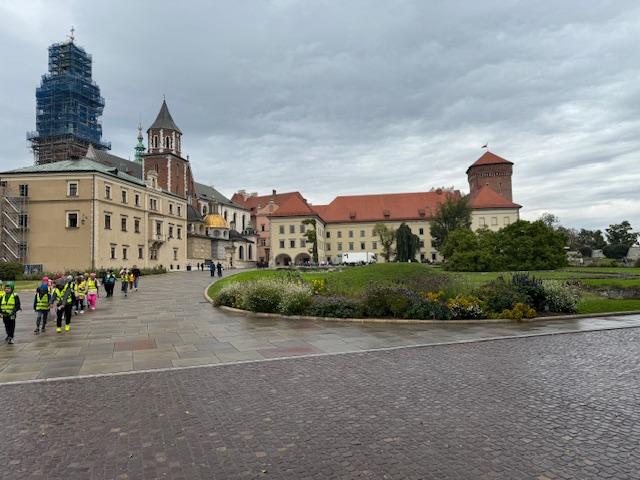
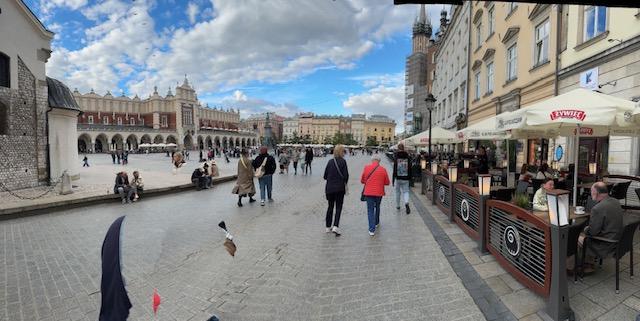
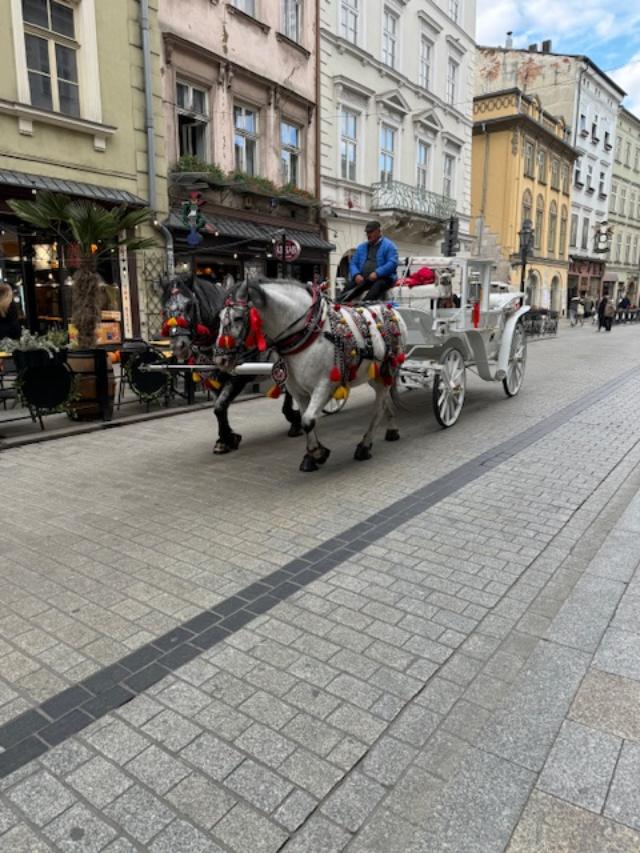

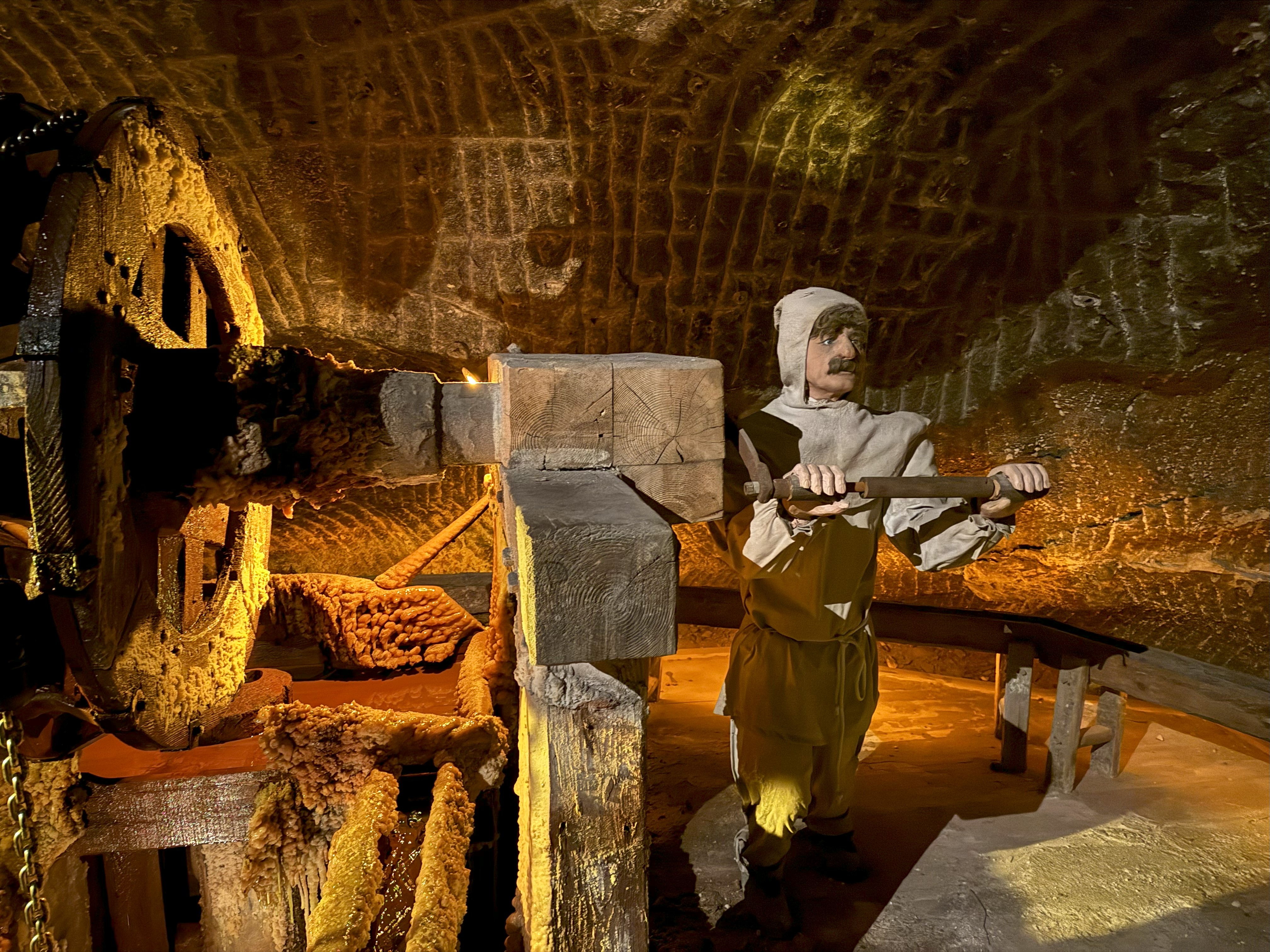

Beyond its wealth, Poland’s culture birthed the great composer, Frederic Chopin and renowned Pope, John Paul II.

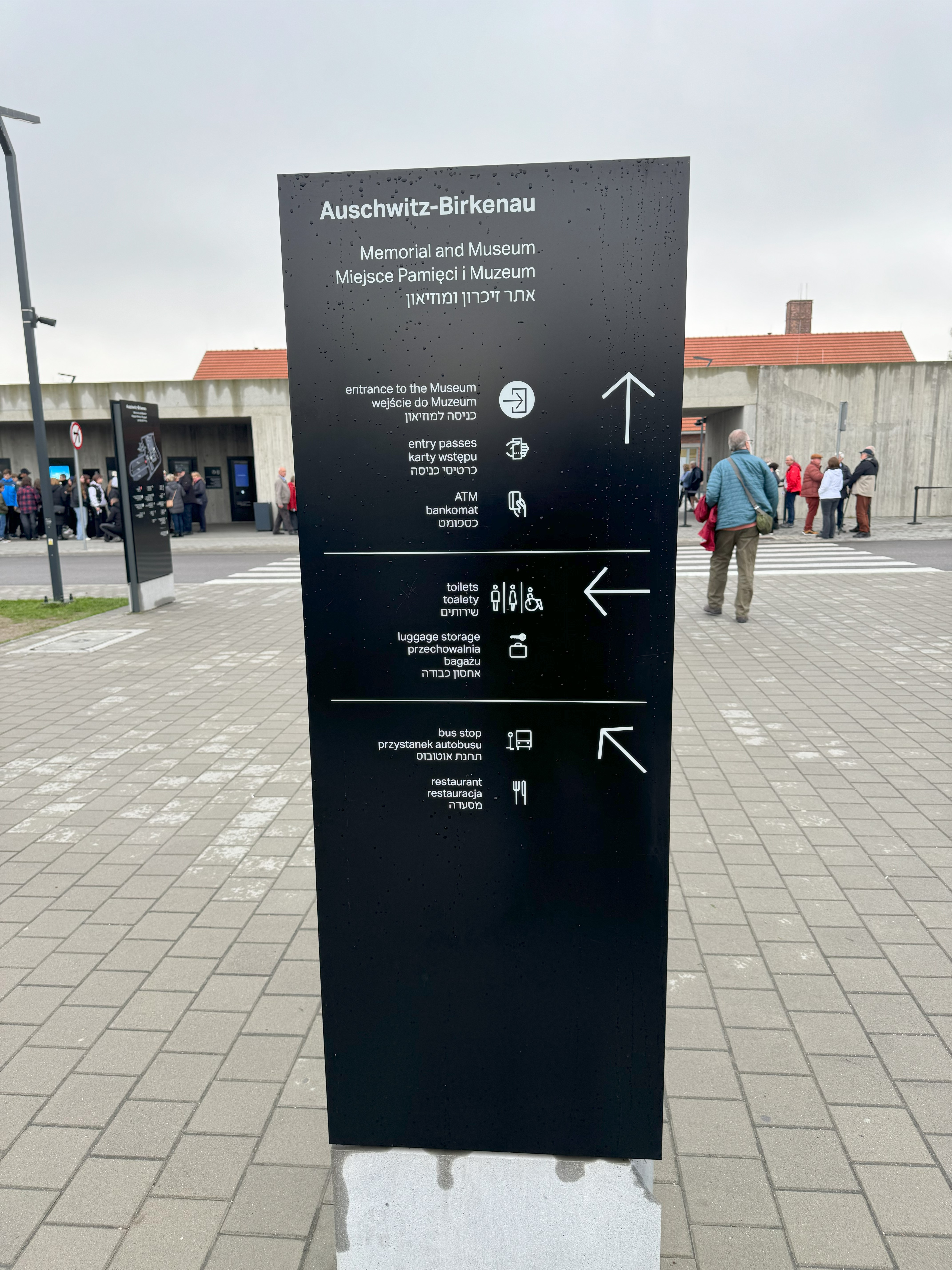
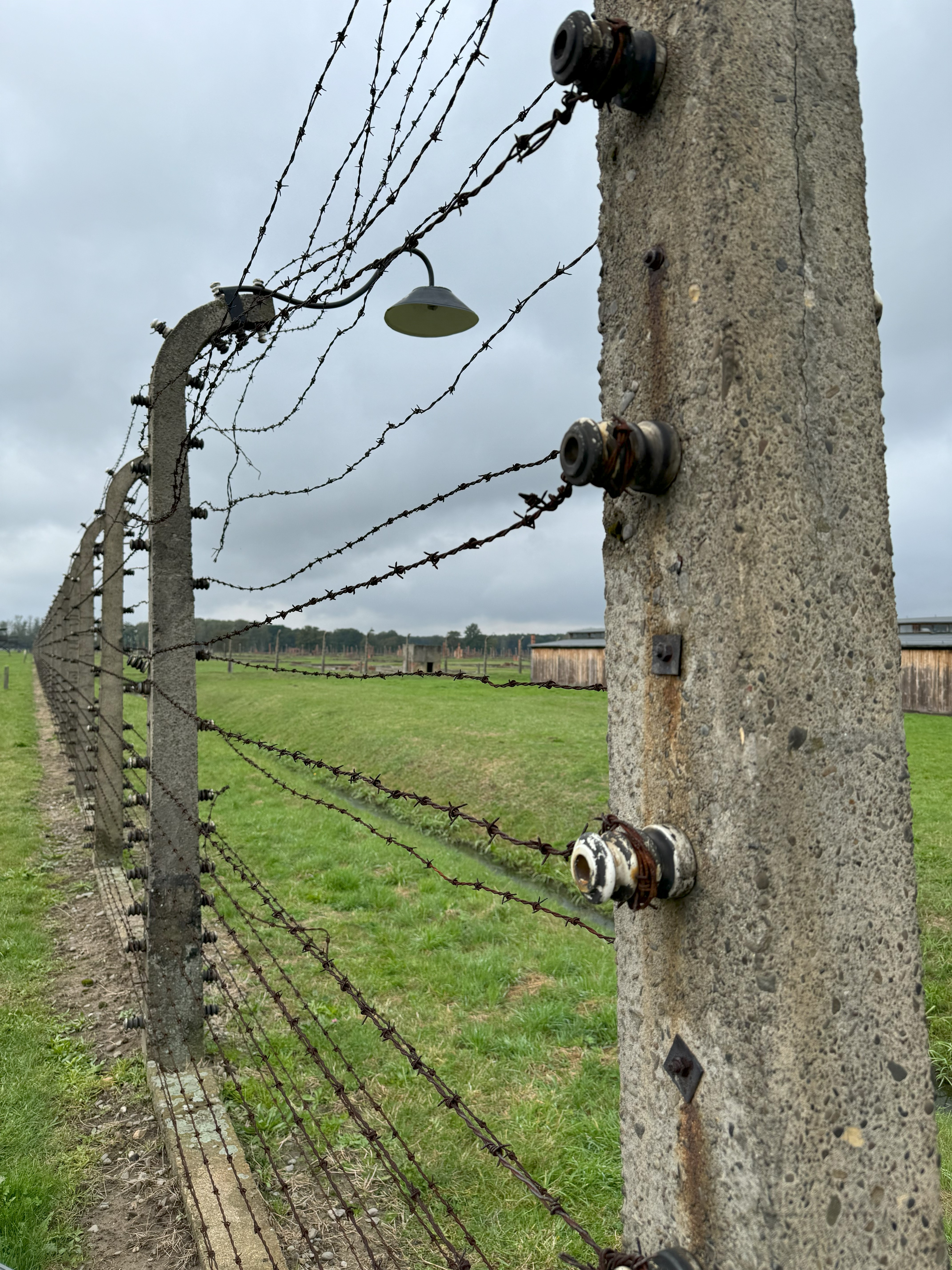
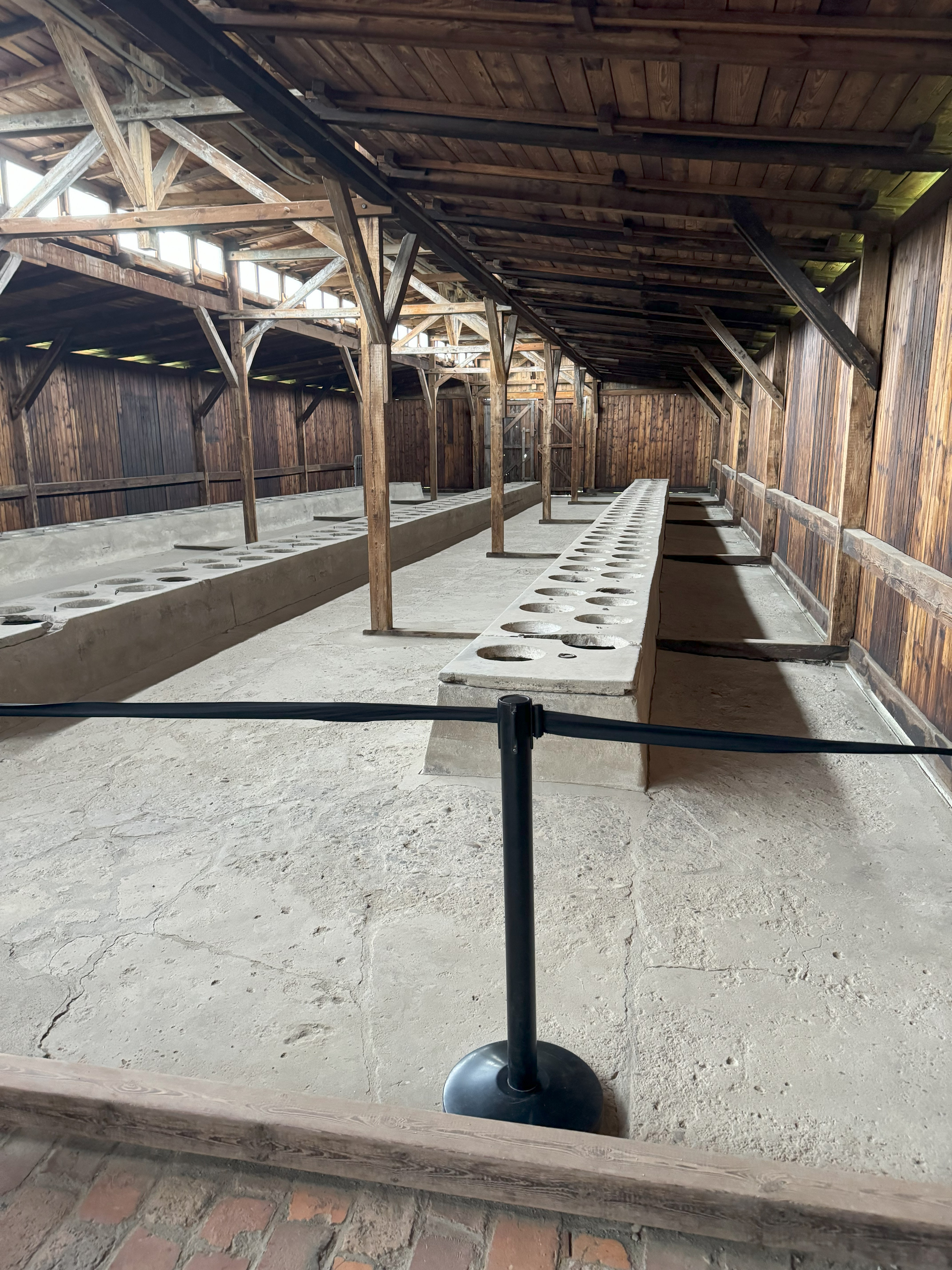
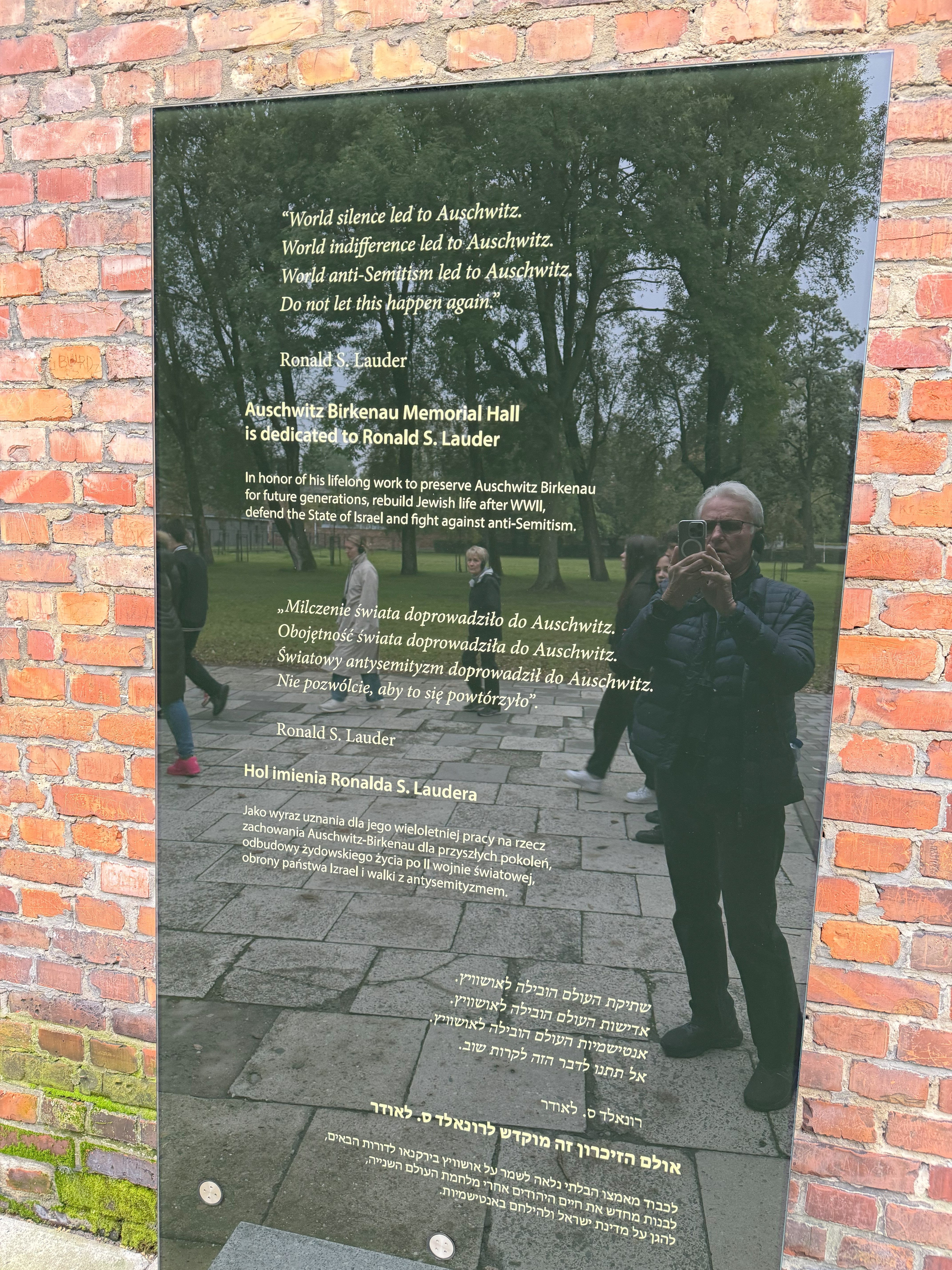
The atrocity of the Holocaust is made real and unforgettable to visitors of the Auschwitz’ death camp in Poland. One shutters with a view of work camps, gas chambers, shoes and clothes of over a million people gassed by the Germans at Auschwitz. Upon liberation of Auschwitz, the German commander is hung from the U-shaped posts erected at the camp. How could this mass murder have happened? Tragically, mass murder is happening today.
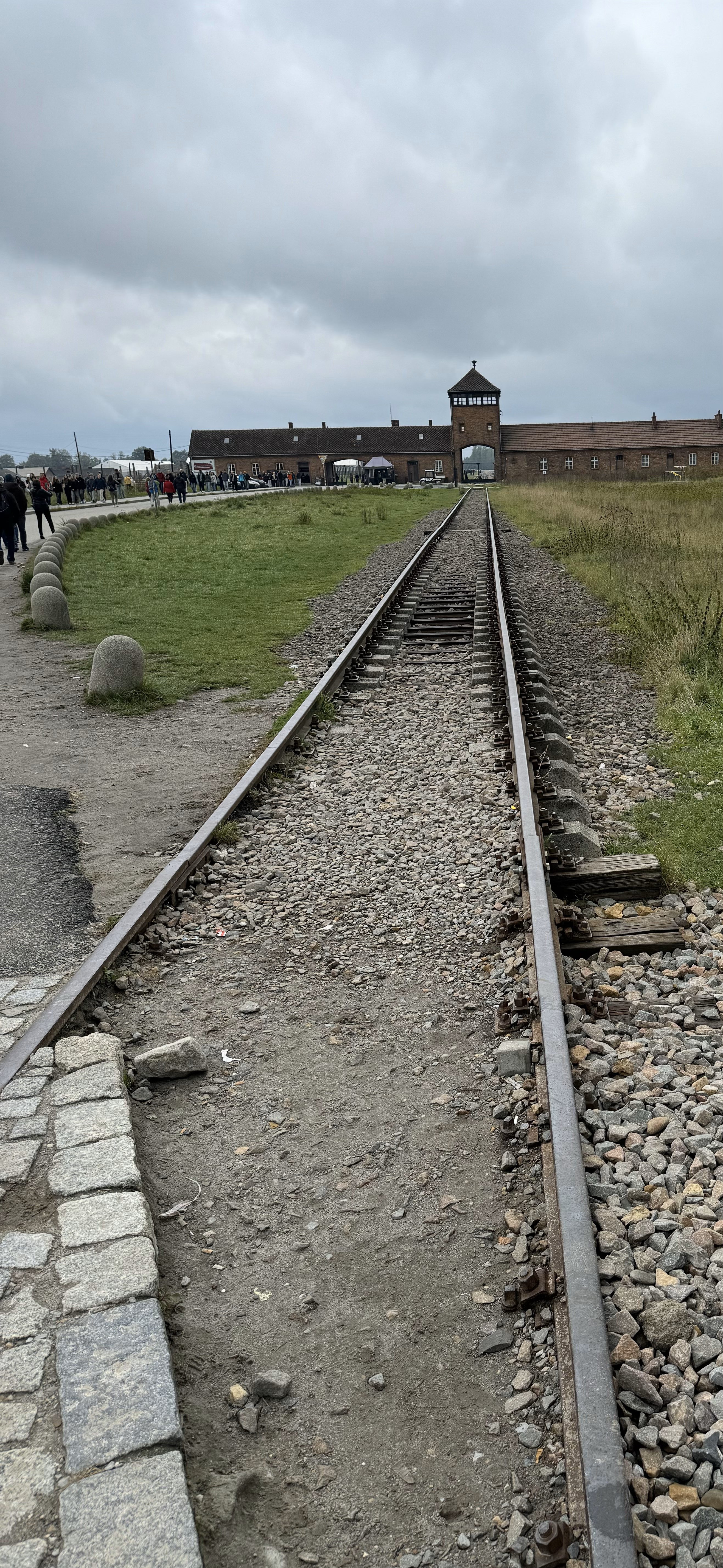


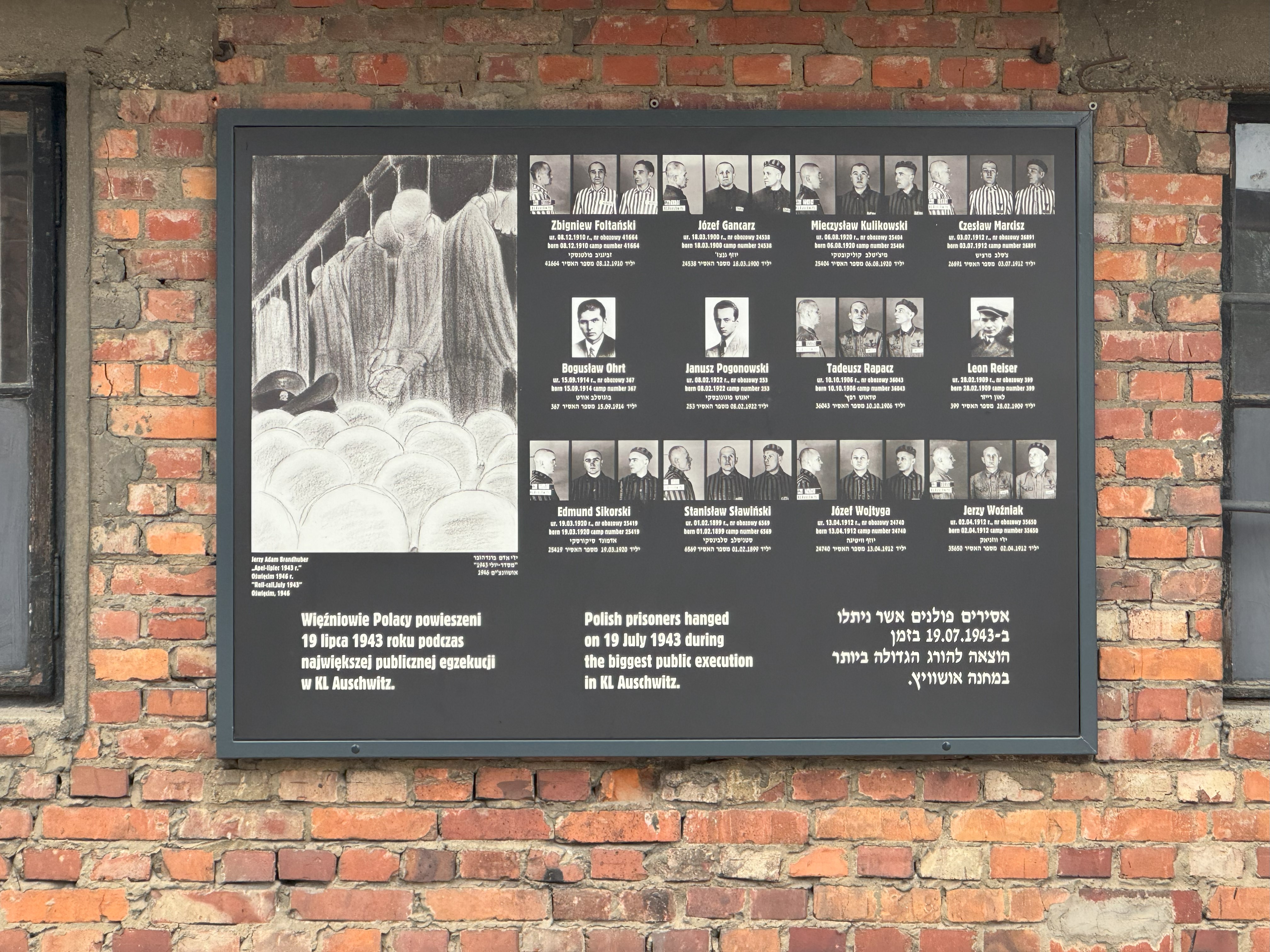

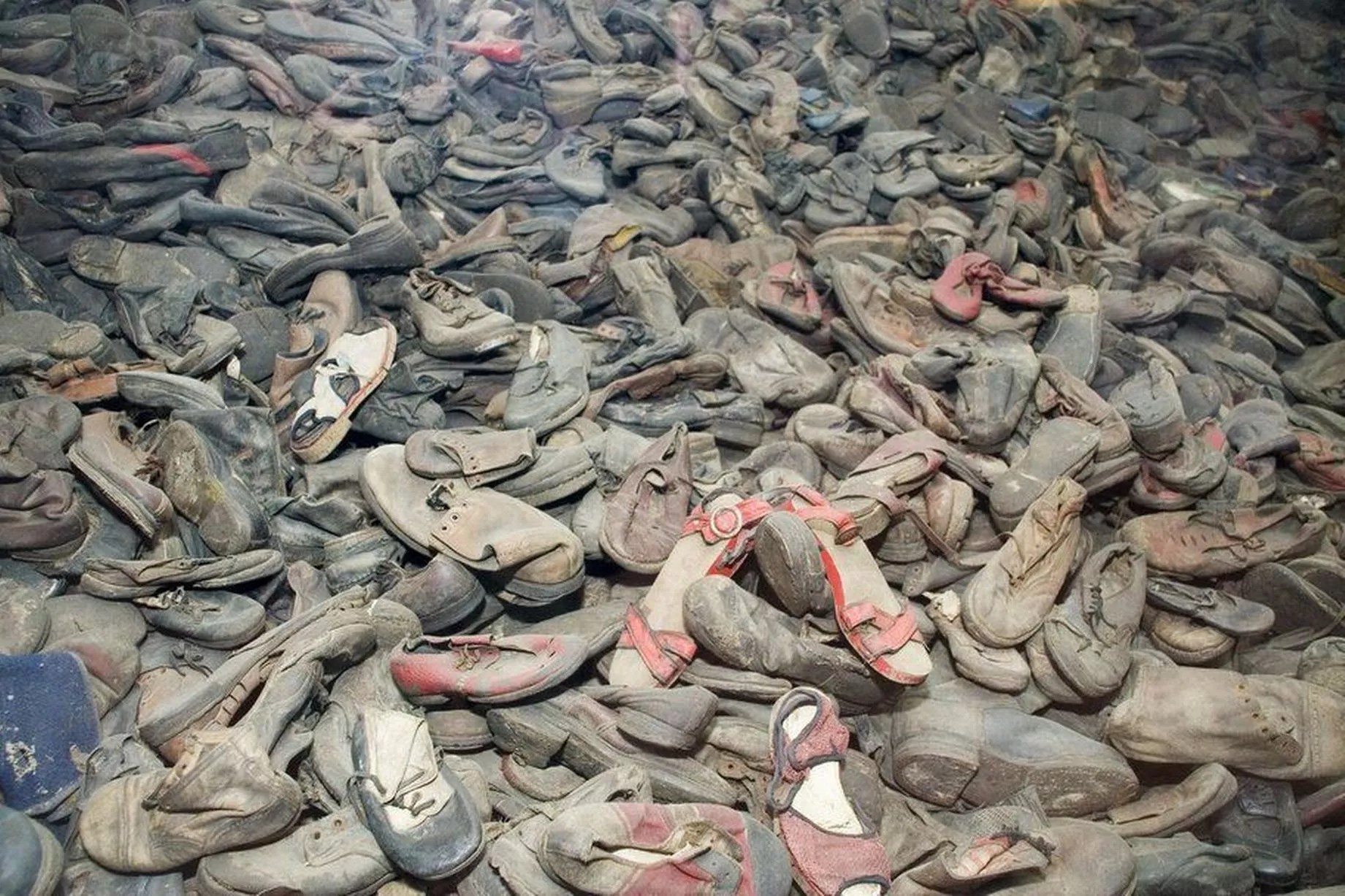
Man’s inhumanity to man is evidenced in Ukraine, Myanmar, Yemen, Ethiopia, Israel, and Gaza. No country in the world that wages war, either defensively or offensively, is without innocent blood on their hands.
After this brief exposure to Poland, we fly to Lithuania. Here we find the atrocity of Stalin’s Russia as the tyrant of the Baltics after WWII. One’s ignorance of the history of Russia’s tyrannical rule is concretely revealed by a woman who is a survivor of Stalin’s takeover of the Baltics in 1945. A version of her story is told in “Between Shades of Gray” which was recommended by our guide on this trip.
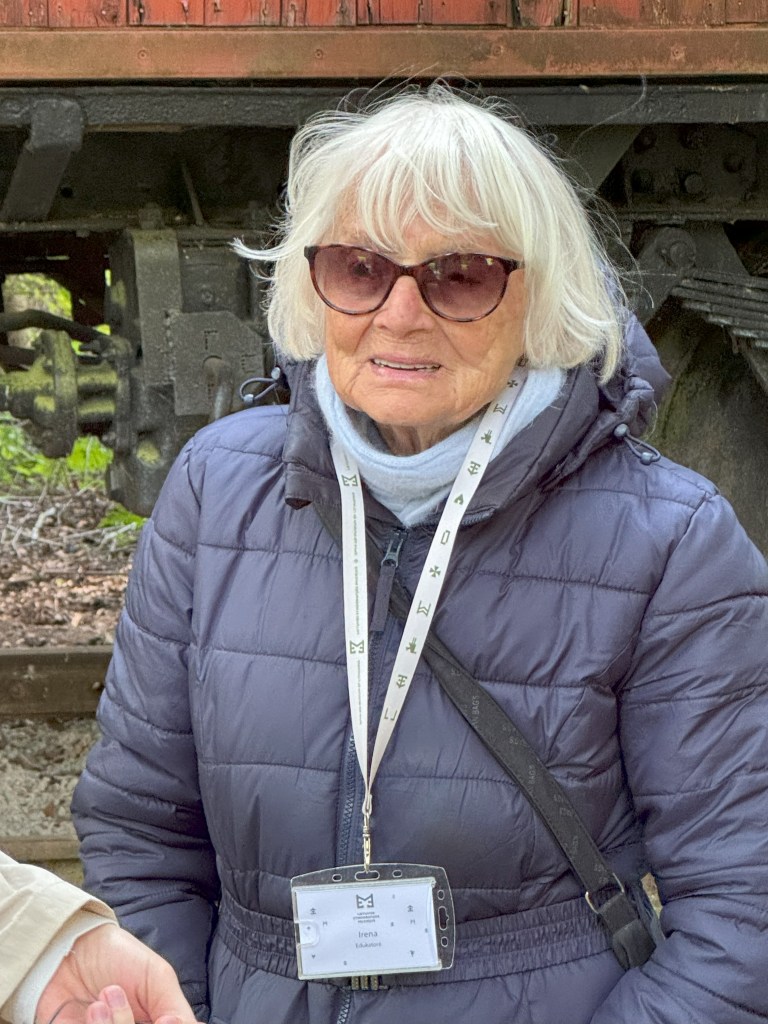
The subject of “Between Shades of Gray” is a young girl and her brother’s survival during Stalin’s invasion of the Baltics. Much of what is written in Ruta Sepetys’ book is a reflection of what this spry octogenarian survivor explains happened to her and her family in 1945. Her name is Lina Vilkas.

Ms. Vilkas explains this is a replica of the rail car used to transport Lithuanians to work camps in Siberia.
One hole in the floor of a similar box car is a toilet for its overcrowded Lithuanian’ prisoners.
The Baltics were ruled by Russia until the early 1990s. Lithuanian independence is declared in 1990: Estonia and Latvia independence in 1991. After touring Lithuania, the cruelty of imprisonment, torture, and murder of Baltic residents is revealed in a tour of jail torture cells, and work farms. The tour evidence is reinforced by vituperative comments by home-hosted’ survivors of Russia’s 45-year dictatorial rule. The fear of reprisal and murder kept most Lithuanians in line. The hate and distrust of Russians seems palpable in the Baltics. Even Gorbachev is viewed by our guide as a mere functionary, not liberator of the Baltics. Forgetting may come with time, but forgiveness seems unlikely.


These pictures are of one of the Russian prisons in which Lithuanian citizens were held. The lower left shows a rubber floored room in which prisoners who were losing their mind were detained. The chamber to its right is a killing chamber where prisoners received a bullet to the back of the head. The bucket above these two pictures is a toilet for a cell, only emptied after smells must have permeated the hallways. Constant surveillance, torture, and demonstrated murders kept Baltic prisoners in line and the general public in fear.
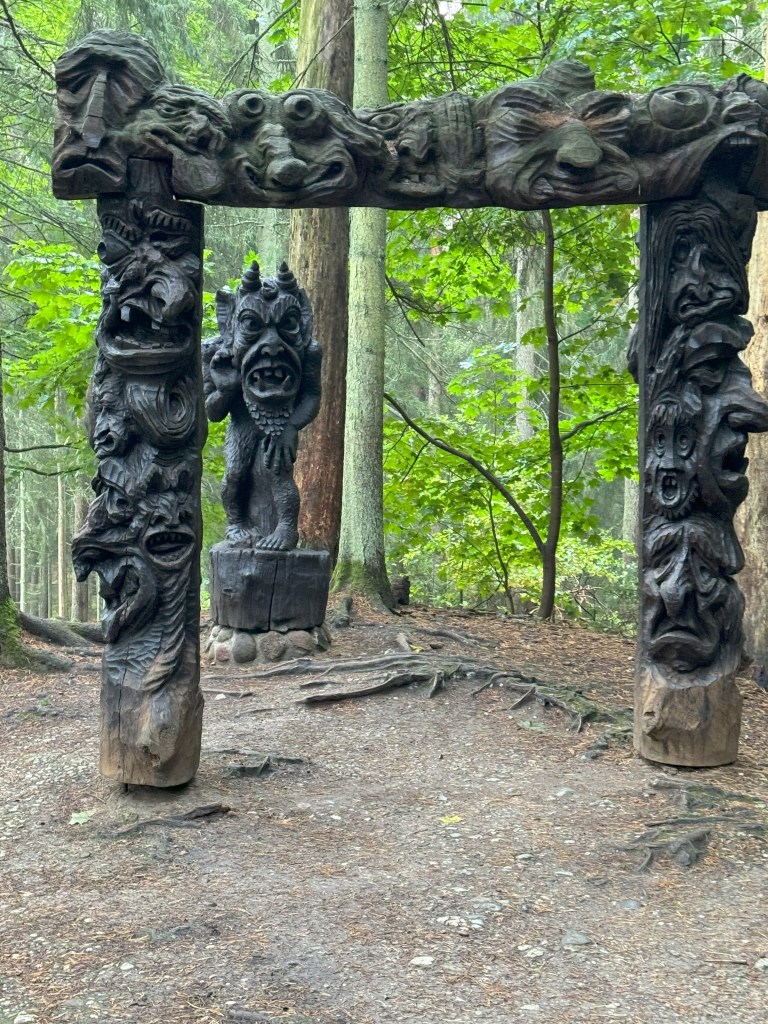
To lighten our tour’s mood, these distressful reminders of Russian torture and murder, a brief trip is taken to a folklore and witches’ park in Neringa, Lithuania.


The most remarkable thing about travelling through the Baltics while listening to guides and economy lecturers is how industrially successful the Baltics have been since their liberation in the 1990s. Taxes are represented as more burdensome than in America, but residents appear benefitted from that tax burden when one sees how prosperous the Baltics appear to short-term visitors. Few homeless people are seen in the city. The cobble stone streets are constantly being repaired; new development is seen everywhere; luxury goods are seen in stores throughout the city.
The fear felt when Russia ruled the Baltics seems gone. Fear seems replaced by optimism for the Baltic’s future as members of the European Union. However, Russia’s invasion of Ukraine represents an ever-present concern to the Baltics new way of life. One wonders if that threat might lead to a military response from the Baltics like that of North Korea’s alleged troop deployment in Russia’s war in Ukraine. That seems doubtful but no one away from armed and deadly conflict can know.
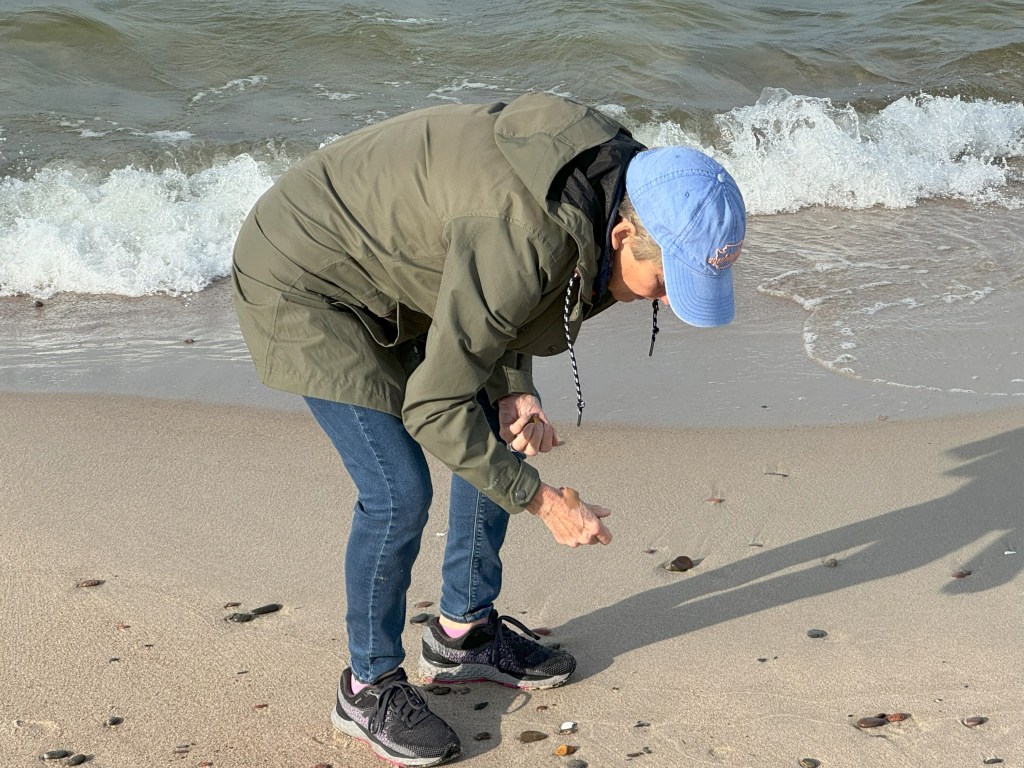
Taking a bus to Neringa, Lithuanian, our guide takes us to a beach on the Baltic Sea. Here, we search for amber, a fossilized tree resin that ranges in color from yellow, to brown, green, blue, or black. Amber is a jeweler and hobbyist collectors dream, found primarily around the Baltic Sea. Few tourists leave the Baltics without a piece of amber to remind them of the trip.
Baltic Sea amber search.
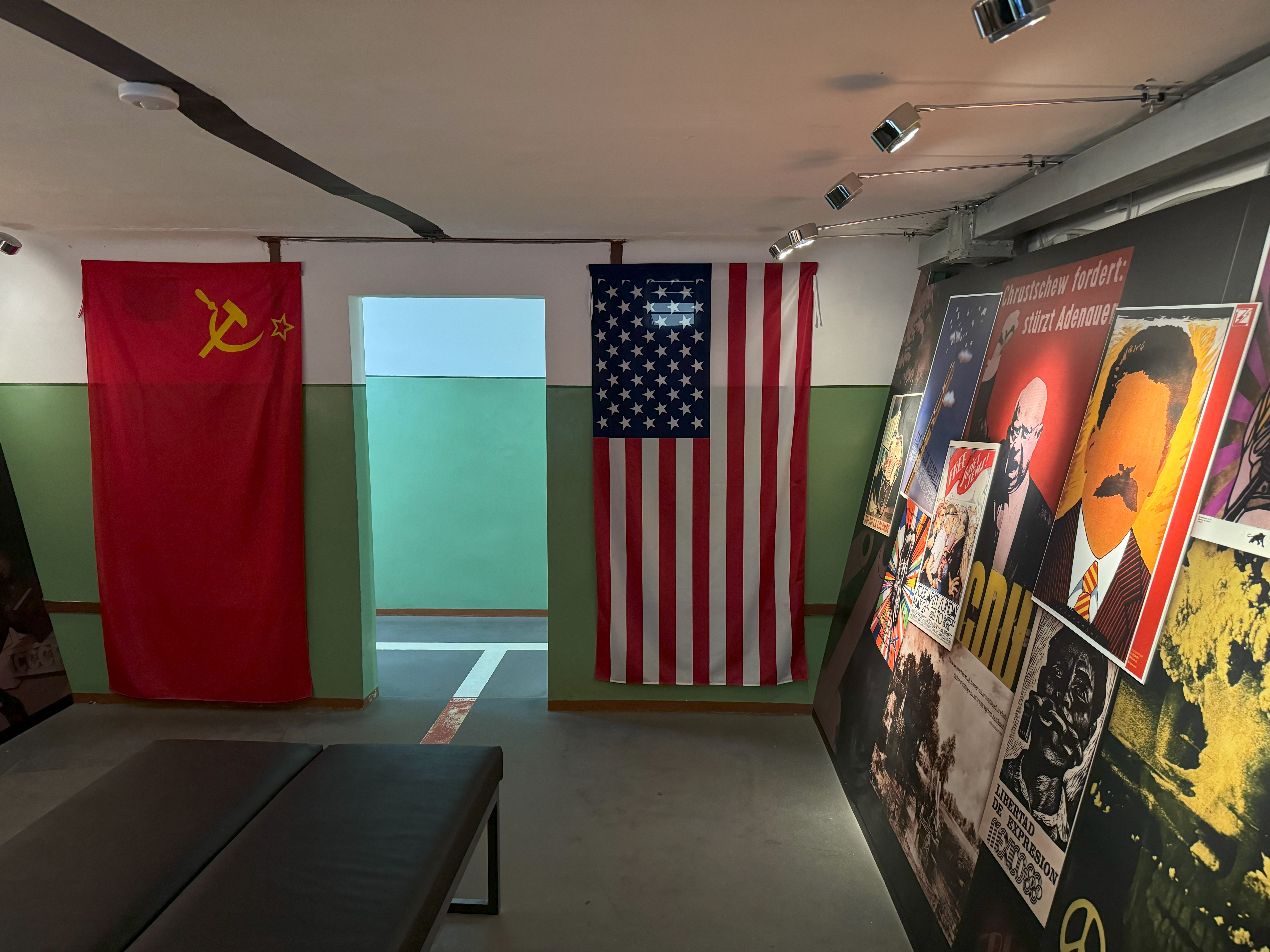
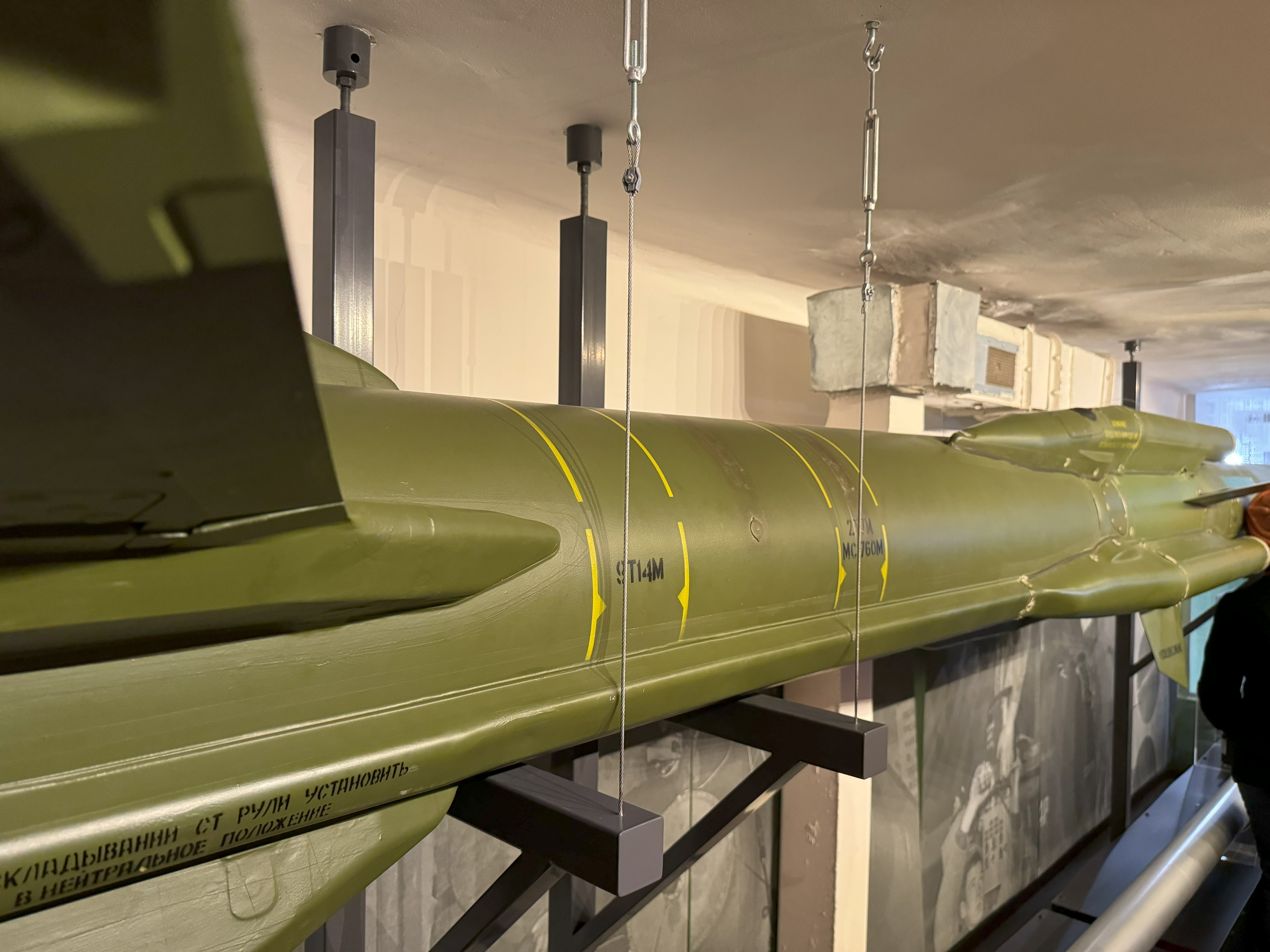
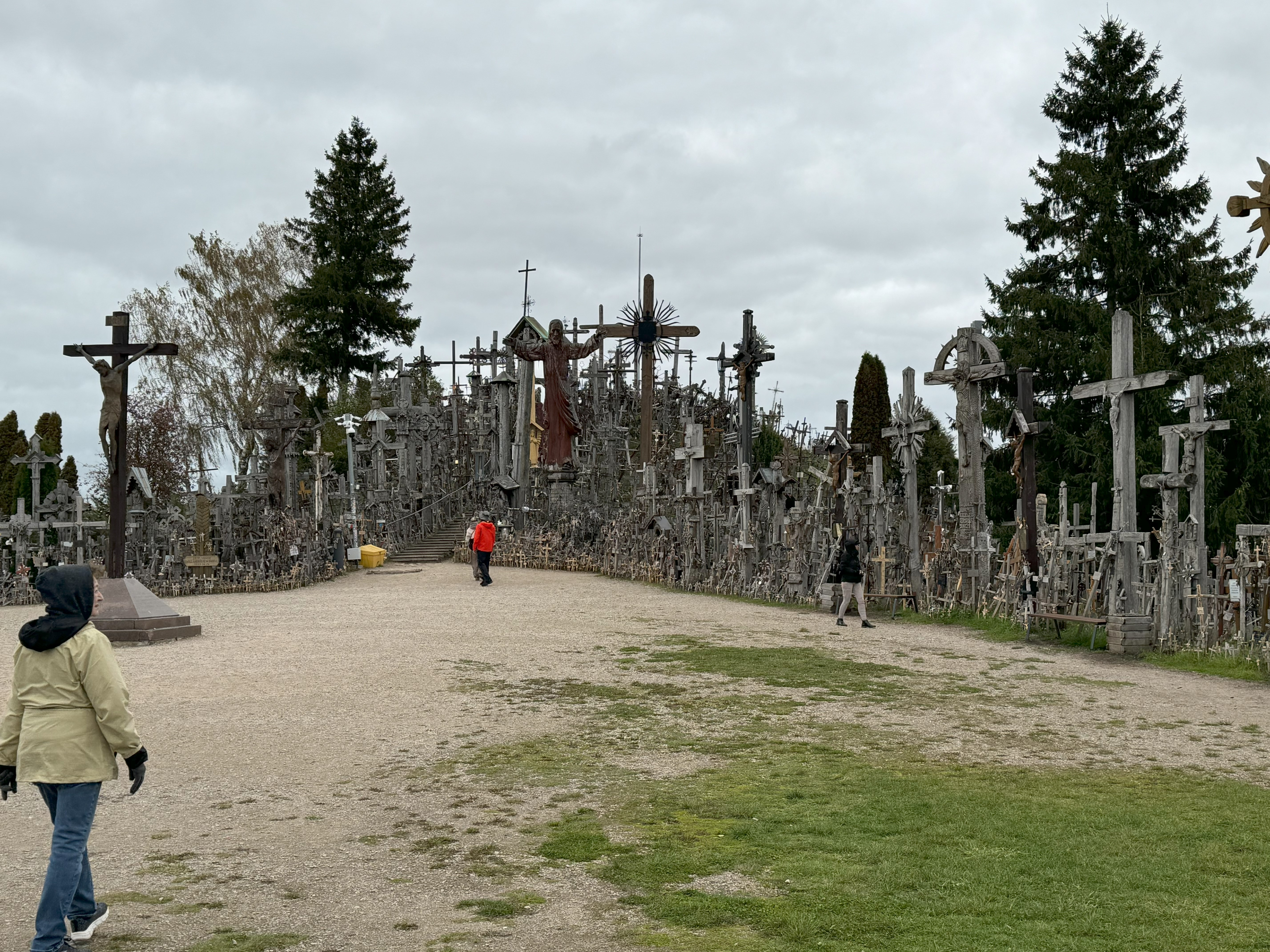
Next, we head to Rukundziai, Lithuania to visit an abandoned and preserved missile base. Later we visit the countryside: a tourist attraction called the “Hill of Crosses”, a cultural heritage site that honors friends and family that have died. Thousands of crosses have been placed to commemorate those who have passed. The jumble of crosses is immense.
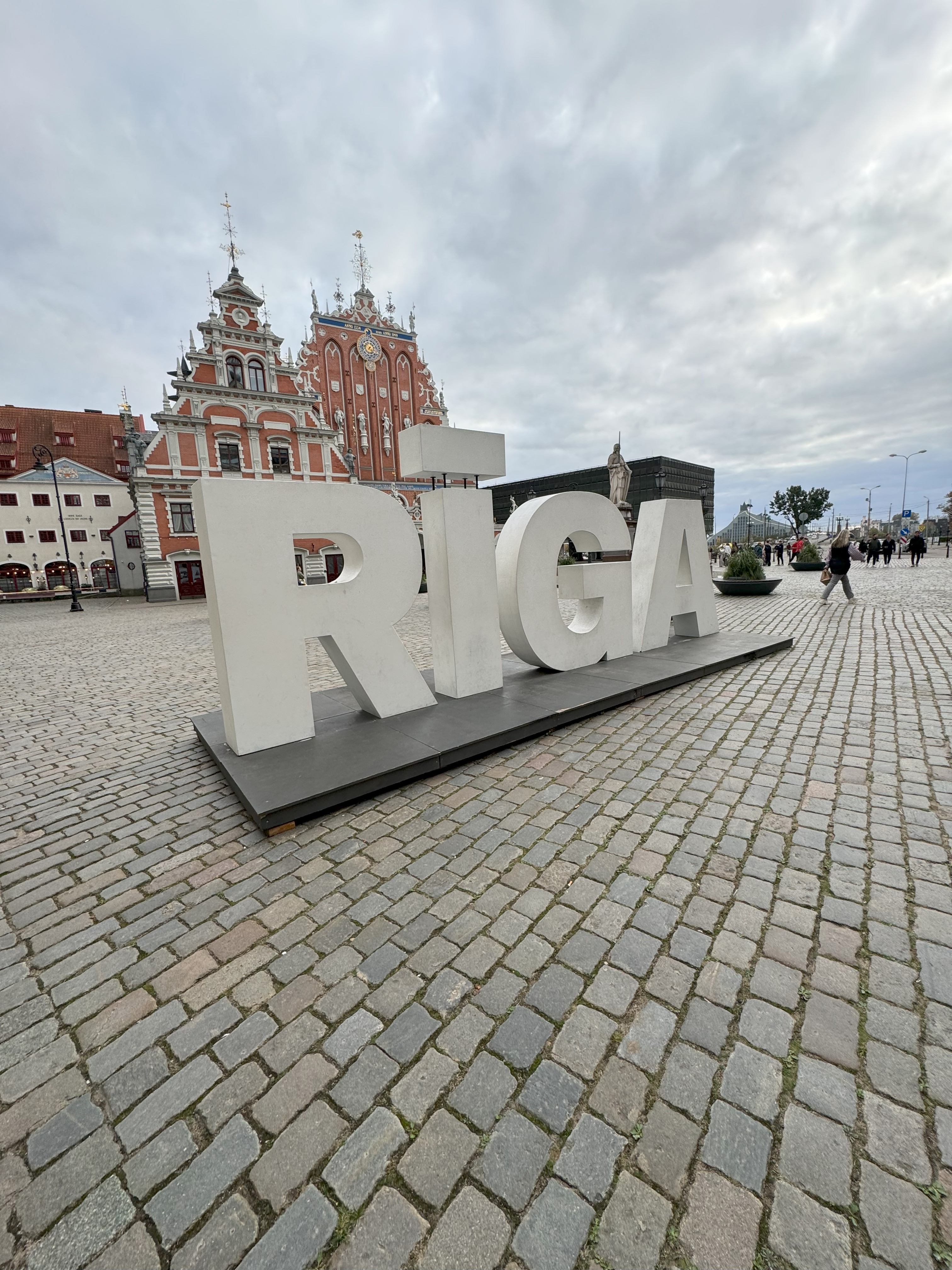
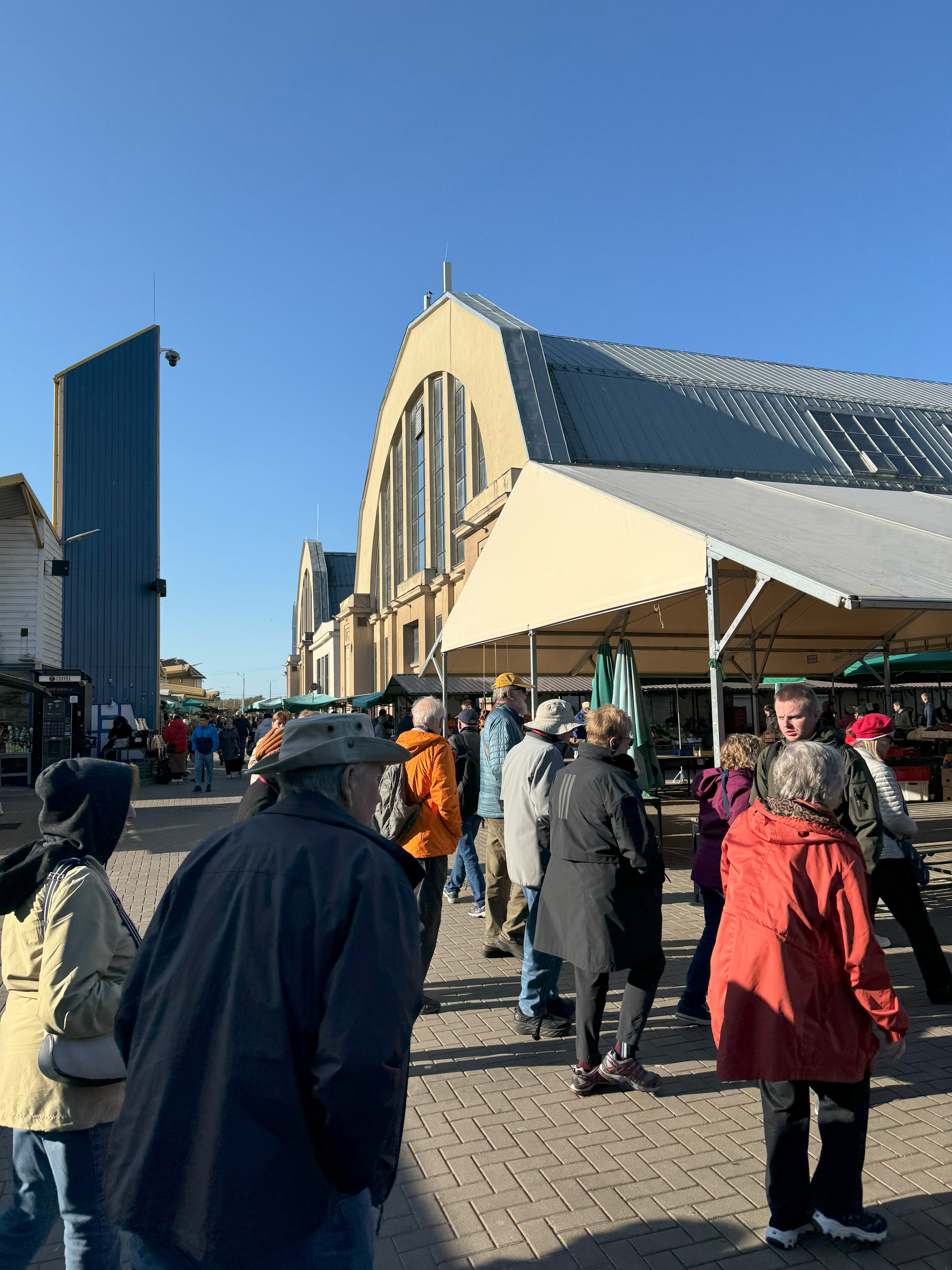
We are on our way to Riga, the capital of Latvia. Here, we visit a massive public market held in five former blimp hangars, reassembled in the heart of Latvia. Every spice and consumer product one can think of seems on display. Flowers are everywhere. Like Lithuania, Riga is a modern city with a well-known University. We spend part of the day in the city but head to the country for a visit to a goat farm. Like Poland and Lithuania, Latvia impresses travelers with its industry, farming, and economic growth.



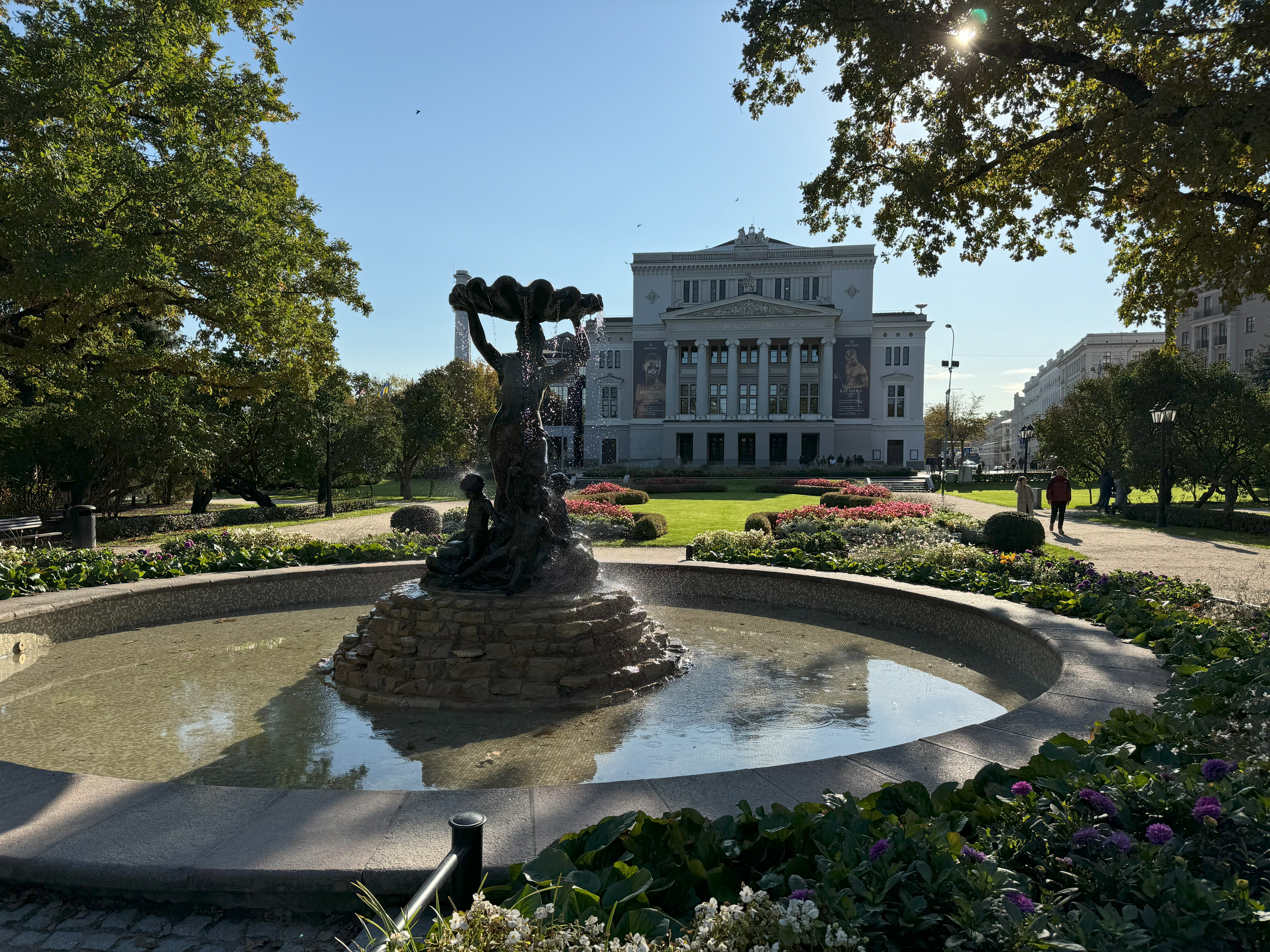
Our final stop in the Baltics is Tallinn, Estonia which will be our port of debarkation to Finland. We visit Peter the Great’s summer home, a massive property which has become a national Russian and West European’ art museum. The Palace was not completed before the King died but its grounds are a sight to behold. Though Peter the Great was a 17th century Russian Czar, he was an enlightened monarch who had interests in science, technology and natural science. From the perspective of Estonian citizens, he brought interest in improving general education for the young.



We depart Estonia by ferry. Our ship is crowded with tourist buses, transport vehicles and citizens from all over the world. The two-hour crossing is a pleasure, accompanied with food, refreshments, and spectacular Baltic Sea views.

What one recognizes on this trip is the great concern the three Baltic countries have of Russia’s invasion of Ukraine.
We take a ten-story ferry across the Baltics to visit Finland.

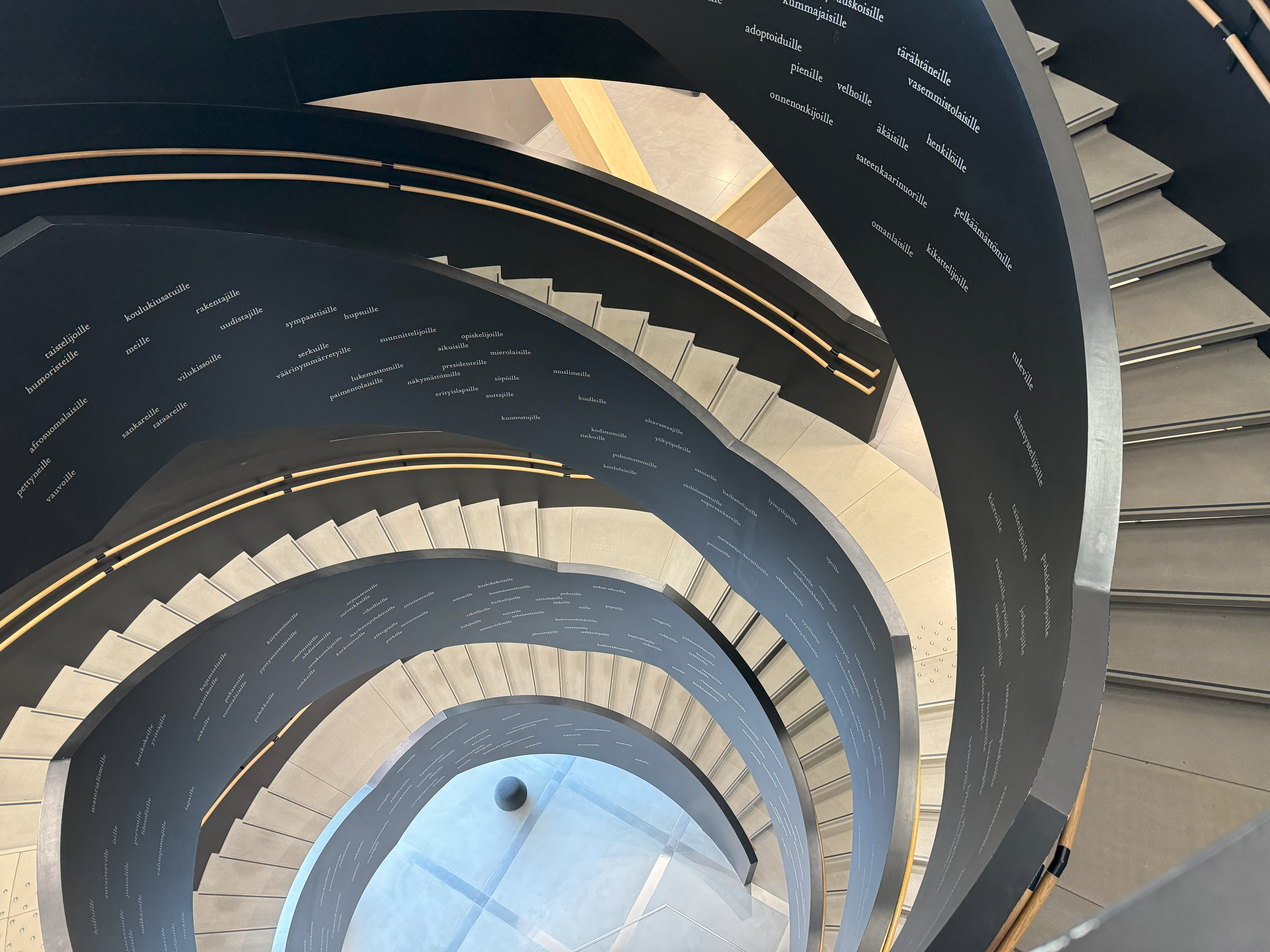
Helsinki is a modern 21st century city, Finland’s capitol. We visit a state-of-the-art library that serves the public with everything from sound studios to AI model makers to classes to private reading/discussion rooms. Finland’s reputation as the happiest country in the world starts with a state-of-the art education system. On a field trip, our 16-person group visits a state subsidized farm in the country. It is a large farm with a short growing season that is supplemented by horse and farm animal stabling during the winter. It is surprisingly managed by a young couple, one of which is a descendant of the original owners. Management seems somewhat lay-back by American farming standards. It appears the farm could not exist without Finland’s government subsidy. The young couple seem underqualified farmers–more like hosts to a culture that would not survive without government help.

As is well known, Finland has a long border with Russia. In defense of their country, the Finns allied themselves with the Nazis during WWII. They are reported to have protected Finnish Jews from the Nazis, but fear of Russian encroachment was judged to require a devil’s bargain during WWII. In a previous trip to Finland, a guide explains a tenuous relationship with Russians that allows easy travel between countries because of their long border with Russia. The Finns are respectful but undoubtedly with watchful eyes. Finland refuses to be intimidated by Russia. By the same token, Russia appears disinclined to interfere with Finnish governance.
Many citizens feel they could be the next target of aggression by Russian oligarchs being led by today’s reincarnation of a Stalin in Vladimer Putin clothes.
The story of Holodomor and today’s Ukraine invasion show the depth of Russian government venality. Our tour of the Baltic countries reveals evidence of Stalin’s brutality and the fear it created in the Baltic countries between 1945 and 1990-91. The same fate may be in store for Ukraine if Putin’s invasion succeeds.
 REVIEWS AND VIEWS OF LIFE