

Books of Interest
Website: chetyarbrough.blog
Fawning (Why the Need to Please Makes Us Lose Ourselves–and How to Find Our Way Back)
Author: Ingrid Clayton
Narration by: Ingrid Clayton

Ingrid Clayton (Author, clinical psychologist, trauma therapist)
“Fawning” as described by psychologist Ingrid Clayton can cause an unconscious trauma when a person appeases, pleases, or over-accommodates others to feel safe. Clayton explains it is a survival strategy for one who deals with another person who is physically or emotionally abusive. Clayton recalls her life as a child with a stepfather who is grooming her for an intimate relationship when she is 13 years old. Clayton manages to avoid that relationship but explains the long-term psychological impact in her life is similar to PTSD.

Post-traumatic-stress disorder is a mental health condition caused by experiences, witnesses, or traumatic events that make one feel fear, stress, or danger. Clayton notes that her life when leaving home at 17 had those symptoms. She pursues a college education, graduates, continues her education to receive a PhD and finds employment as a therapist.
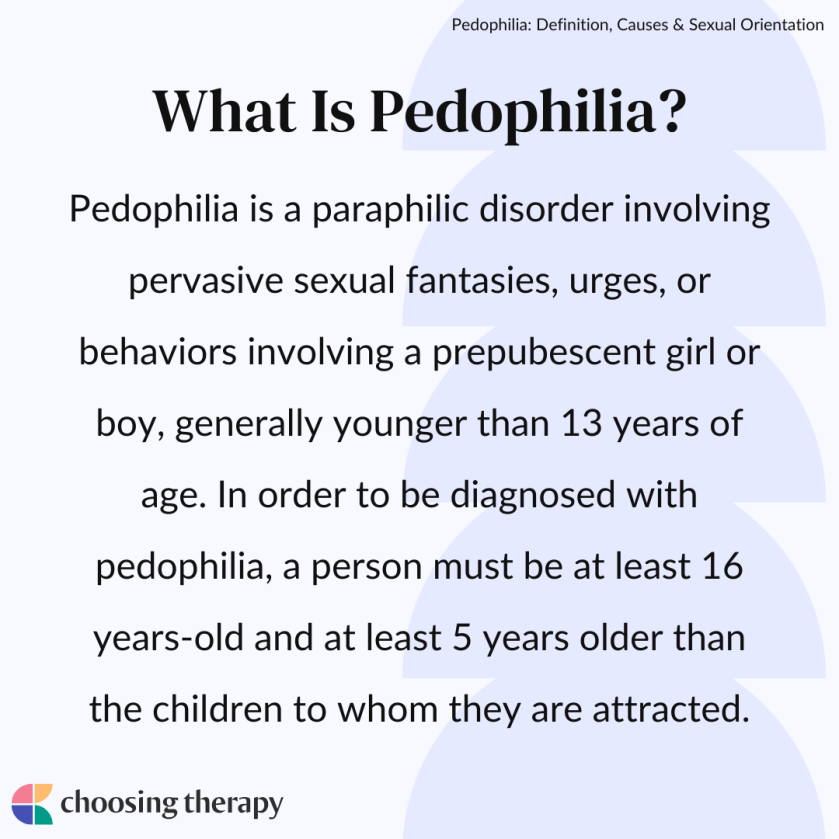
Pedophilia.
At the age of 13, her male stepfather created a grooming environment that created a long-term psychological impact on her life. She matured to feel fear, stress, and danger in developing relationships with others. She wrote “Fawning” as an educated PhD clinical psychologist to explain how a child growing to an adult can “…lose themselves…” with a form of PTSD. She believes she has found a pathway back to relationship’ normality after years of broken relationships. The irony of her realization is that all human beings are “fawners”.
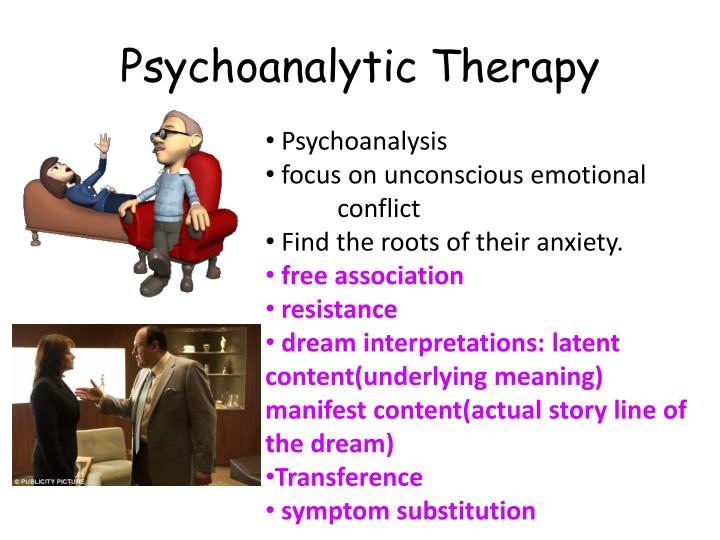
Some will be inclined to put Clayton’s book down as an exaggeration of relationship reality but as she tells of her personal experience and therapy of others, both men and women, her beliefs become disturbingly credible. As one examines their own life (if they have lived as long as this book reviewer) know every human being is raised in their own familial circumstances. Children raised with 1, 2, or no parent families, develop behavior toward themselves and others that can lead to abuse of others which diminish their and other’s humanity. What Clayton shows is how her stepfather grooms her and how she responds based on her own grooming ability. She rejects his advances, a grooming behavior that a parent-child relationship allows with the risk of physical sexual abuse.

There is truth in Clayton’s explanation of “Fawning” as a universal relationship modifier, but it is not always linked to either grooming or abuse. People-pleasing behavior is a universal characteristic of society.
There can be good reasons as well as bad reasons for fawning. Looking at grooming as the only lens one views fawning diminishes its social value. That is certainly not Clayton’s intent but one may come away from her book seeing pedophilia as the primary consequence of fawning. The reality is that rigid family dynamics, cultural hierarchy, and high-pressure workplaces are common examples of fawning. Social cohesion and disruption are a general consequence of human nature influenced by fawning.
Clayton outlines a pathway back from PTSD. Prevention of trauma is of course the best solution. However, if one is a child, prevention becomes more problematic.

Clayton argues it is important to recognize fawning is not a people-pleasing choice but a survival strategy. Rather than feeling fear from what appears to be happening, clearly remind yourself of who you are and what you believe to be right. Recognize other’s motives. Respond appropriately by speaking up if your personal boundaries are being violated. Reflect on who you are and interrupt any motives of others that conflict with what you believe about yourself. The weakness of this pathway seems problematic for younger children. The pathway back for a child seems likely to be after the fact.
There is a risk of pathologizing social skills if one comes away from Clayton’s book thinking that fawning is only a negative characteristic of society. Pedophilia is a terrible societal malady, but society cannot function or improve without fawning.
 REVIEWS AND VIEWS OF LIFE