CYCLE OF ABUSE

“The Beauty in Breaking” is about life as an eternal recurrence that offers some peace of mind in a world troubled by its inhumanity.

Books of Interest
 Website: chetyarbrough.blog

“The Beauty in Breaking” (A Memoir)

By: Michele Harper

Narrated by: Nicole Lewis

Michele Harper (Physician, Author, Public Speaker.)

Leaves fall from the tree to expose the bark and bite of life. Michele Harper’s memoir shakes the tree of American life. Relying on the veracity of Harper’s story, she is raised in a family with a physically abusive father who divorces her mother, an art dealer.

Harper notes her paternal father was physically abusive.

After Harper’s paternal father leaves Harper’s mother, Harper notes he offers some financial assistance to Harper in college. Harper explains she passes some of that assistance on to her mother while attending Harvard. Harper earns a BA in psychology. She goes on to acquire a medical degree from a New York university to become an emergency room physician.

Harper’s story touches on the complexity of life as a Black American. She marries a white man while at Harvard, but they divorce at his choice. The failure of their marriage is shown to be hard for Harper, but she is driven to succeed and moves on to educate herself in her chosen field of work.

Harper’s experience of childhood abuse, her personal marriage break-up, and work as a physician in three different emergency room positions, are lessons for life and living.

Her focus is on overcoming her trials to be good at her job even though much is beyond her control. The notion of not knowing what crises you will face in a medical emergency room, let alone a doctor’s experience as a Black American, offers a unique perspective to Harper’s memoir.

Abuse comes in many forms.

There is child abuse that occurs in many homes throughout the world. There is being a minority in a culture controlled by a majority that discriminates against those who are different. There is inequality of opportunity that creates an underclass that is trapped in an eternal cycle of poverty. Harper is denied promotion to Administrator in her first hospital job because she is a woman. Her supervisor notes a woman, let alone a Black woman, has never had the Administrator’ job in that hospital. Misogyny triumphs once again.

Harper chooses to leave the hospital that denied her the promotion.

As an administrator in another hospital Harper sees the consequence of poverty. Poverty seeps into nearly every culture in the world with its accompanying violence, compounded by weak to non-existent gun control laws in the United States. Harper writes about her encounter with a young boy who has his sneakers stolen by a bully at school.

Harper interviews the young Black grade school child who is thinking about getting his shoes back with a gun.

Harper calls a child services employee to explain her concern about the child’s access to a gun at his home. The child service’s person explains she sees this in many children’s homes where poverty is one lost job away from a family being on the street. This young boy’s parents both work to keep the family housed and fed. The social services person explains gun accessibility and violence are common in poor black neighborhoods. Where poverty is a fact of life, child services can only go so far to change what is toxic in a child’s environment. Gun availability is beyond the control of Harper or child service’s employees. The extent of Harper’s intervention is limited to raising the issue with the young boy’s parents–with the hope that they will act to be sure no gun becomes available.

Harper finds a third job as a VA hospital administrator. She interviews a female patient seeking psychological help. In the interview, Harper is told by the patient she had been raped by her supervising sergeant and another soldier in Afghanistan.

She became pregnant and decided to have an abortion. That experience continues to traumatize her life. She seeks help to overcome its affects. Harper becomes the patient’s lifeline for the counseling she needs to overcome her abuse.

There seems no “…Beauty in Breaking” as one nears the end of Harper’s memoir but one begins to realize the “Beauty…” is “…in Breaking” the cycle of abuse.

The cycle can be broken with exposure, rehabilitation, caring, and acting to remove the causes of abuse. Harper’s memoir shows how it is done. Breaking the cycle of abuse is a long, laborious process that begins with people focusing on incidents of abuse and acting to mitigate its causes and consequences. “The Beauty in Breaking” is Harper’s way of exposing abuse and illustrating what can be done about it.

Harper’s ultimate theory for the resolution of human abuse is belief in Lifes’ recurrence. Her theory is that every life is eternal. When one dies, they will be reborn into another life. Harper comes to grips with her life as it is and makes it better through meditation. Her belief about life as an eternal recurrence offers her peace of mind about the people she saves or loses in a hospital emergency room.

SOCIAL DYSFUNCTION

Rooney’s story is not a comforting tale but a reflection of social dysfunction that threatens humanity.

Books of Interest
 Website: chetyarbrough.blog

“Normal People” (A Novel)

By: Sally Rooney

Narrated by: Aoife McMahon

Sally Rooney (Irish author and screenwriter.)

Sally Rooney infers high school is a testing ground for one’s conduct and place in society. High school is a highly formative period because of its social influences. It is a testing ground for leaders and followers. However, students do not arrive as blank slates. Every person has a genetic inheritance and family relationships, some come from wealth, some from poverty, some from close families, others from broken homes with emotionally close or distant parents. Rooney reveals how high school students bring learned experiences that test one’s social and intellectual abilities. Rooney’s main characters, Marianne and Connell come from different socioeconomic backgrounds who become intimately close but socially isolated.
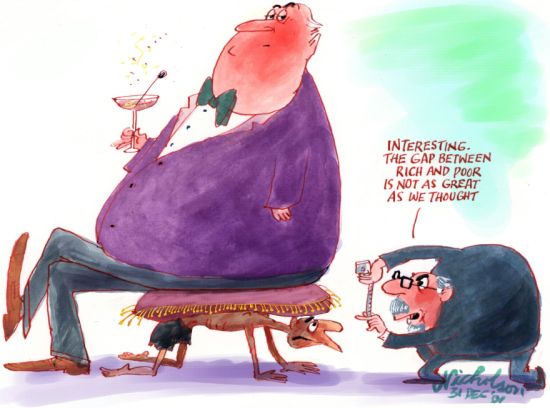
Mariane comes from a wealthy Irish family, Connell from a poor Irish single parent family. Both are gifted with high intelligence and low self-esteem. Mariane’s self-esteem is largely caused by her mother’s and sibling’s ridicule. Connell’s low self-esteem seems to come from poverty while being raised by a single supportive mother. Mariane and Connell become lovers in high school. It is Mariane’s first sexual experience and Connell’s first meaningful relationship.
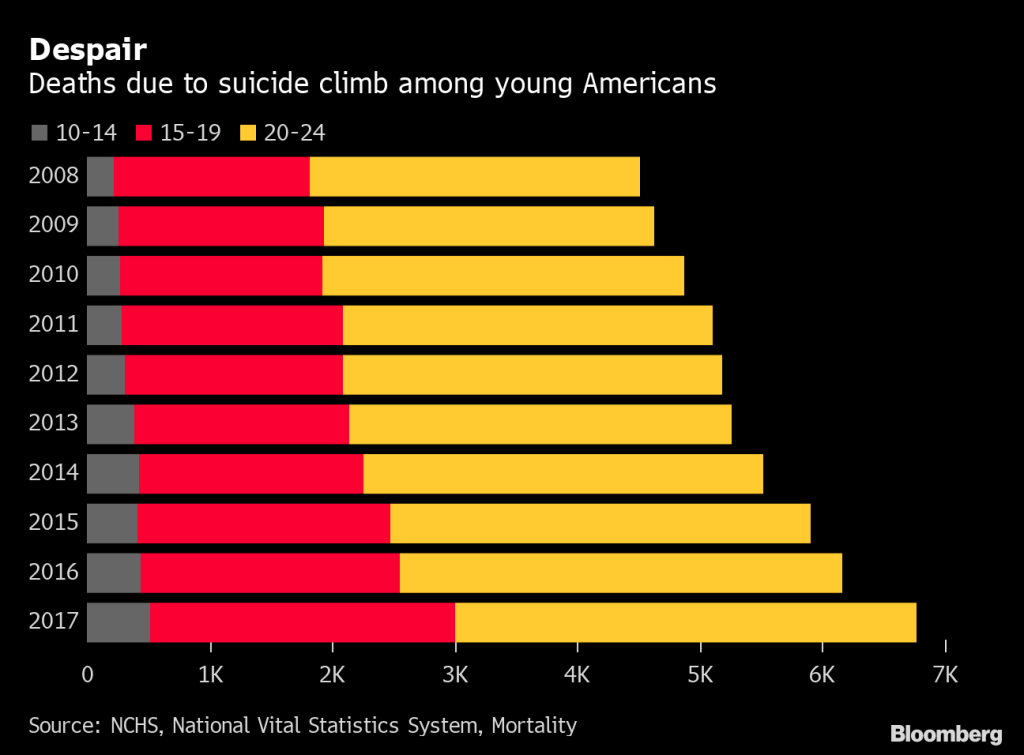
That tragic event of a young friend’s suicide makes Mariane and Connell re-evaluate their lives. Despair over their non-committal lives reaches a crisis reflected in the statistics noted above.

Rooney explores Mariane’s and Connell’s on and off again romance through their college years and later adult lives. Their relationship remains close, but both choose other lovers in their post HS’ years. Mariane’s hook-ups are with self-absorbed, abusive men, while Connell’s appear casual, not deep or lasting. Near the end of the story Mariane and Connell are brought together by the tragic loss of a friend who commits suicide. A listener realizes they are both on a path that could either be self-destructive or redemptive.
In the last chapters, Rooney leaves listeners wondering whether Mariane and Connell will have a life together or revert to their former desperate lives.

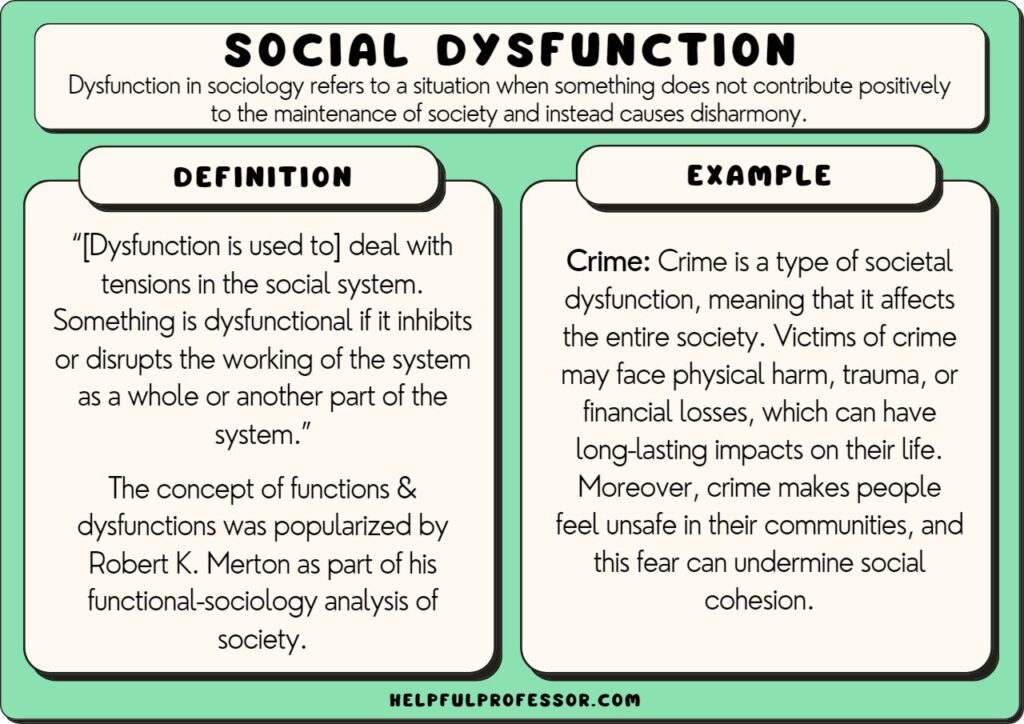
Their relationship mends and the potential for self-destruction seems ameliorated but separation looms over their lives. Apart, they may revert to the damaged personalities of their earlier lives. Rooney’s story is not a comforting tale but a reflection of social dysfunction that threatens humanity.