THE CAPITALIST VEIL

Audio-book Review
By Chet Yarbrough

(Blog:awalkingdelight)
Website: chetyarbrough.blog

THE SOULS OF BLACK FOLK

The Souls of Black Folk

Written by: W. E. B. Du Bois

Narration by:  Mirron Willis
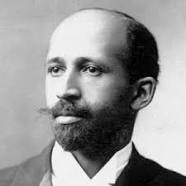
W. E. B. DU BOIS (1868-1963, AUTHOR, SOCIOLOGIST, HISTORIAN, CIVIL RIGHTS ACTIVIST, CO-FOUNDER OF NAACP)

W. E. B. DU BOIS (1868-1963, AUTHOR, SOCIOLOGIST, HISTORIAN, CIVIL RIGHTS ACTIVIST, CO-FOUNDER OF NAACP)

Eventually, doctors will find a coronavirus vaccine, but black people will continue to wait, despite the futility of hope, for a cure for racism.

Editorial comment in the NYT Sunday edition 5/21/2020 by Roxane Gay.

“The Souls of Black Folk” describes a veil of discrimination that covers the face of white America.  Published in 1903, it reflects on the 1863 Emancipation Proclamation, America’s reconstruction failures after the civil war, and a veil that fell like an iron curtain between black and white America.  It is a veil that distorts the truth of human equality.

Slave Family In Cotton Field near Savannah

W. E. B. Du Bois is a great American who finally abandoned his country late in life because he could no longer tolerate the capitalist consequence of social, political, and economic discrimination. He describes discrimination in “The Souls of Black Folk” as a veil, a fine gauzy material that hides the details of black Americans who have the same potential as white overlords. The details are political, social, and economic discrimination imposed by a majority on a minority.  Du Bois identifies that minority as people of color; i.e. specifically black Americans.
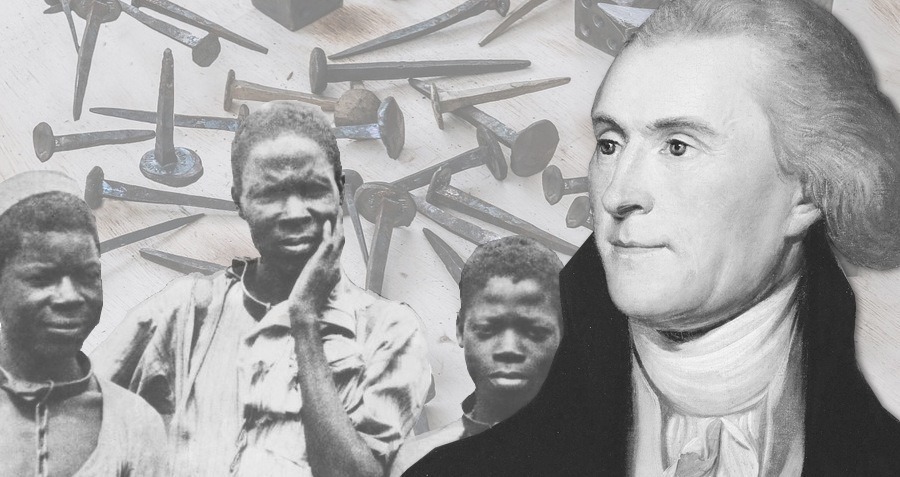
THOMAS JEFFERSON AND SLAVERY

THOMAS JEFFERSON AND SLAVERY (Slave owner that believed blacks are inherently less equal than whites.)

Du Bois is the first black American to receive a PhD from Harvard University.  First he received a bachelor’s degree from Fisk University, a storied black college; went to Harvard to receive a second bachelor’s degree, and on to a PhD.  Du Bois studied black history and wrote “The Souls of Black Folk” to explain what it is like to be black in America.  He began with the end of the civil war and carries it through 1903 when the book is published.

PRISON

Du Bois studied black history and wrote “The Souls of Black Folk” to explain what it is like to be black in America.

Du Bois explains how black Americans are treated, how they feel about it, and how they react to it.  In the clarity of his writing, Du Bois presumes readers will understand humans, of any color, are the same.  Du Bois notes that black Americans are offered freedom without a way of making a living, without education, without any respect by fellow Americans.  Though they were no longer slaves by law they remain slaves to potential employers who see them as less equal, and less capable.  Du Bois notes blacks are denied the tools of education, opportunity for work at a living wage, and the right to participate in the politics of leadership.

SHUCK & JIVE

Without money, power, or prestige blacks are left with deception as their only defense against oppression.  “Shucking and jiving” became a pejorative description of black behavior without white’s understanding its necessity.

Without money, power, or prestige blacks are left with deception as their only defense against oppression. 

COMMUNISM IN THE USA

Du Bois misunderstood the difference between Russian and Chinese revolutions and American capitalism.  The future proved promises of communism were false.  This does not change the truth of Du Bois’s realization that a white majority denies minorities with false promises of capitalist equality of opportunity.

It is little wonder that Du Bois wandered to the idealism of communism with its false promise of equality for all.  White America gave Negroes little alternative.  However, Du Bois misreads history.  The revolution of 1917 may have started with a minority of people called Bolsheviks but they were a part of a white majority.  They promised a future of plenty to an uneducated population who were members of a majority. 

Du Bois clearly shows how black American education, employment, and political participation are subverted at every turn in American history.  Du Bois chastises Booker T. Washington for being an apologist for white suppression. Du Bois sees that, though education is improving for black Americans, they are still denied equal opportunity for employment, and are failing to capitalize on the potential of political power.  Nearing 90 years of age, Du Bois gives up on America.  Ironically, this is in the 1960’s when the Black Panther’s movement is forming.

GREED

The inherent nature of man “to be greedy” makes fools of us all.

Du Bois is a great American because he understood how American capitalism undermines core political beliefs like equality of opportunity and the equality of all human beings.  Du Bois understood the importance of education, equal economic opportunity, and political power.

Du Bois misunderstood that the drive for money, power, and prestige distorts pursuit of the “good” in all forms of government.  Communism, socialism, and capitalism require a Hobson’s choice; i.e. “a choice of taking what is available or nothing at all”.  Even for minorities, it seems capitalism offers the best hope because it attempts to regulate the worst parts of human nature.

STORIES OF AN ERA

Audio-book Review
By Chet Yarbrough

(Blog:awalkingdelight)
Website: chetyarbrough.blog

The Decameronthe decameron

Written by: Giovanni Boccaccio

Narration by:  Frederick Davidson

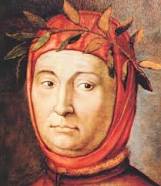
GIOVANNI BOCCACCIO (1313-1375, ITALIAN WRITER, POET, AND HUMANIST)

“The Decameron” is a series of stories about the western world’s comic/tragic society.  Compiled or written by Giovanni Boccaccio in the 14th century, it recalls 100 stories told by seven women and three men over a period of ten days. “The Decameron” pictures humanity as directed by luck, avarice, and lust.  Each story implies human relationship is determined by circumstance, and informed by nature.  The circumstance is societal position.  Nature is the exigency of the emotive moment.

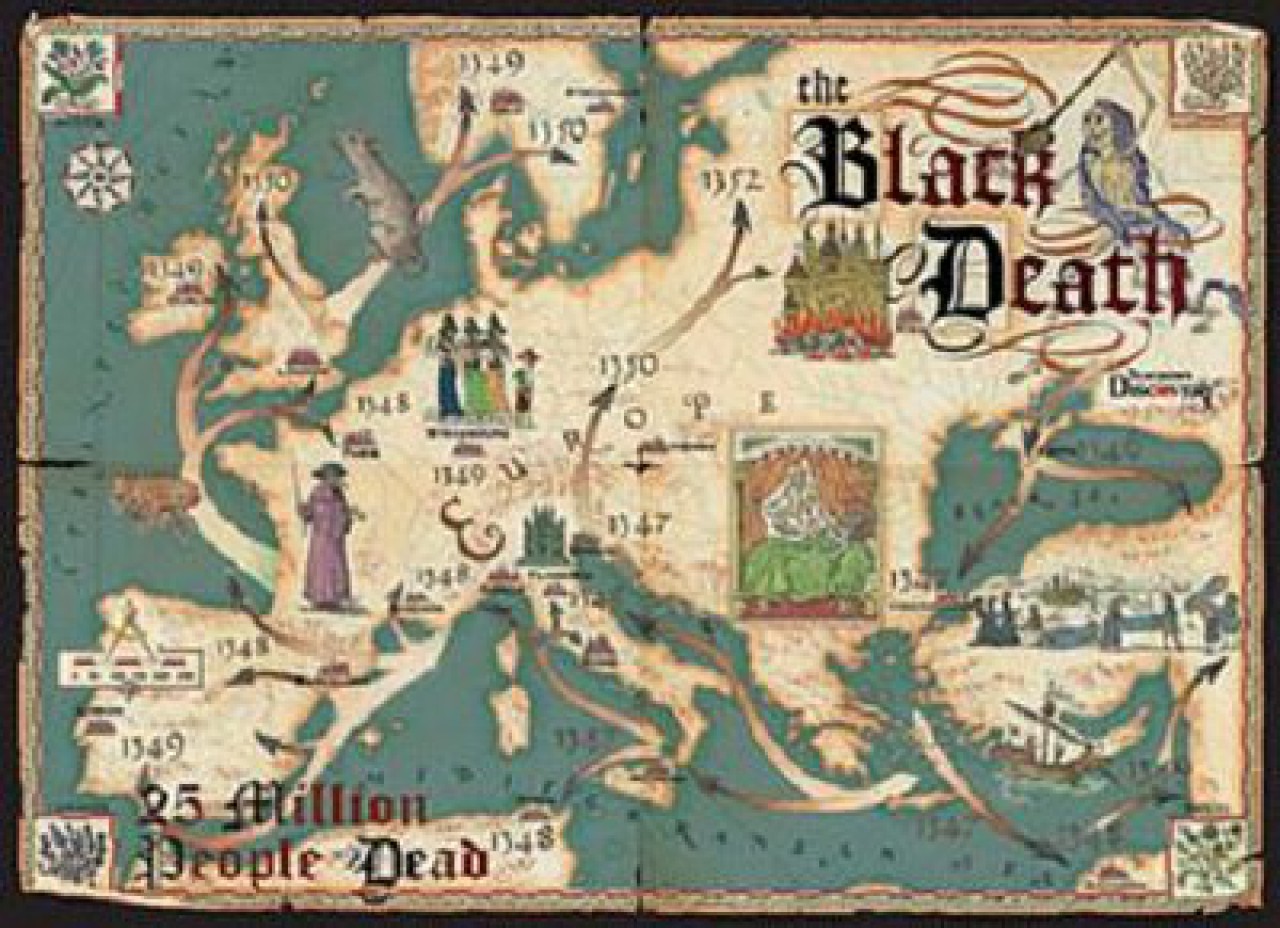
THE BLACK DEATHWritten during or after the spread of the Black Death (1346-53), “The Decameron” skewers belief that God determines one’s fate.  The stories range from raucous to sedate, and sinful to salacious.  Each story implies humans are like wood chips on an ocean.  Humans float into and away from society’s harbor; toward and away from each other, driven by happenstance and nature.  Men are often depicted as lustful beasts; women as lustful manipulators of chance and circumstance.  Corruption of morals is as evident in the priesthood as in the lay public.  In Boccaccio’s world, God may have created the universe but everything after the seventh day is driven by chance and nature.
INEQUALITY IN BOCACCIO
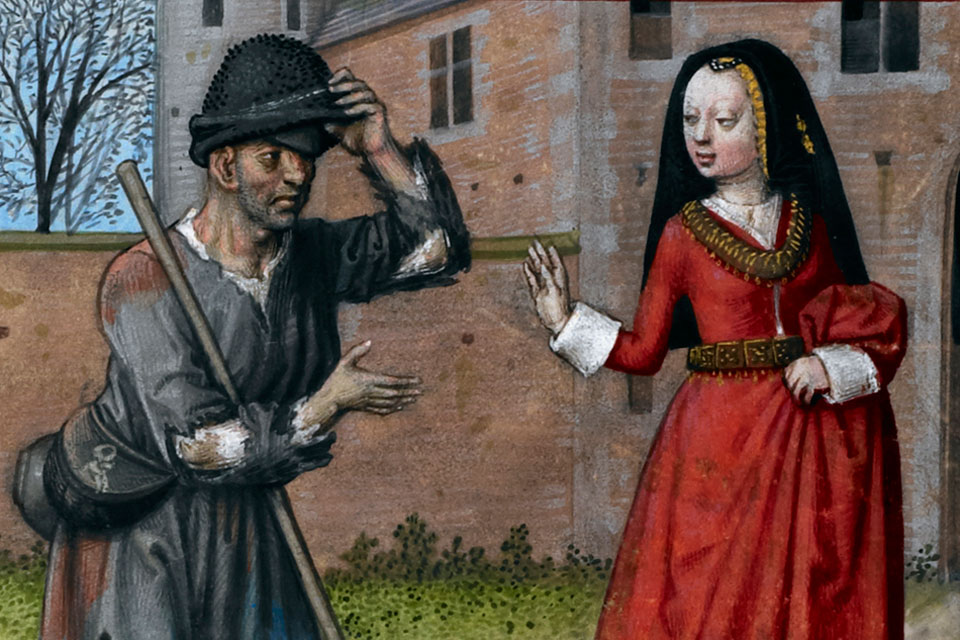
Women are generally shown to be weaker than men but clever and clandestine operatives.

All stories are of tradesmen, merchants, upper class men and women who have the luxury of exercising desires in life beyond the necessity of food to eat and shelter to protect.  Women are generally shown to be weaker than men but clever and clandestine operatives.  Women and men living above the level of abject poverty seem equally consumed by interest in love and lust.  Considering the history of human misogyny, love and lust may have been women’s principle source of security.  For men, love is riven with lust.  Love, most often, seems a fleeting distraction to men.

PRIESTHOOD IN BOCCACIO
The priesthood and upper-class laymen in Boccaccio’s time use the tools of wealth, power, and prestige to seduce women.  In contrast women use guile and sexual favor to clandestinely acquire wealth, power, and prestige

Neither the church or the lay public are shown to be morally superior.  The priesthood and upper-class laymen use the tools of wealth, power, and prestige to seduce women.  In contrast women use guile and sexual favor to clandestinely acquire wealth, power, and prestige.  The exception is the wealthy widow that has some control over the unforeseen consequence of chance.

The comic/tragic events of the stories offer a view of what it is like to live during the dark ages.  Power, not surprisingly, lies in the hands of men but the fairer sex is shown capable of co-opting power with charm and cunning.  Revenge seems equally distributed between the sexes but consequentially more severe for women than men.

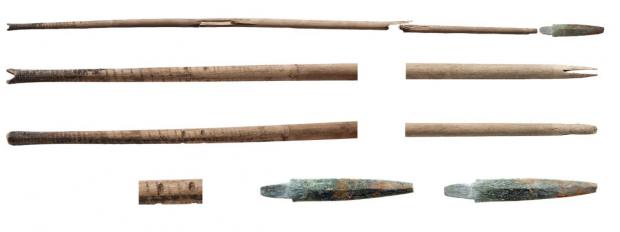
There are some insights to history and society offered by “The Decameron”.  A clever decision by a military strategist is to refashion bows and arrows with smaller slits than common.  The result is that bow carriers on one side of a battle are unable to use arrows invented with smaller slit arrows.  But, wide slit arrows could still be used by soldiers with small slit bows.  This small bow and arrow innovation gave one side of the battle twice the ammunition of the opposition.

ARROW RELICS FROM THE PAST
There are some insights to history and society offered by “The Decameron”.  A clever decision by a military strategist is to refashion bows and arrows with smaller slits than common.

SEXUAL PREDATION (WOMEN AS OBJECTS TO FULFILL MALE FANTASIES)
Then and now, cuckolds and adulteresses share equal billing for shame and condemnation.  However, the double standard for men that wander, and women that survive adultery is shown as appalling unequal then as it is now.

More interesting insights are the rise of a middle class in the dark ages, and the early recognition of organized religion’s corruption.  God is still considered as all-powerful but organized religion is rife with the same sins of all human beings.  Women may have been treated as second class citizens but they still found ways to compete in the drive for money, power, and prestige.  Then and now, cuckolds and adulteresses share equal billing for shame and condemnation.  However, the double standard for men that wander and women that survive, adultery is shown as appalling unequal then as it is now.  Men are forgiven while women are brutalized (sometimes murdered) and left to deal with the consequences of childbirth and poverty.

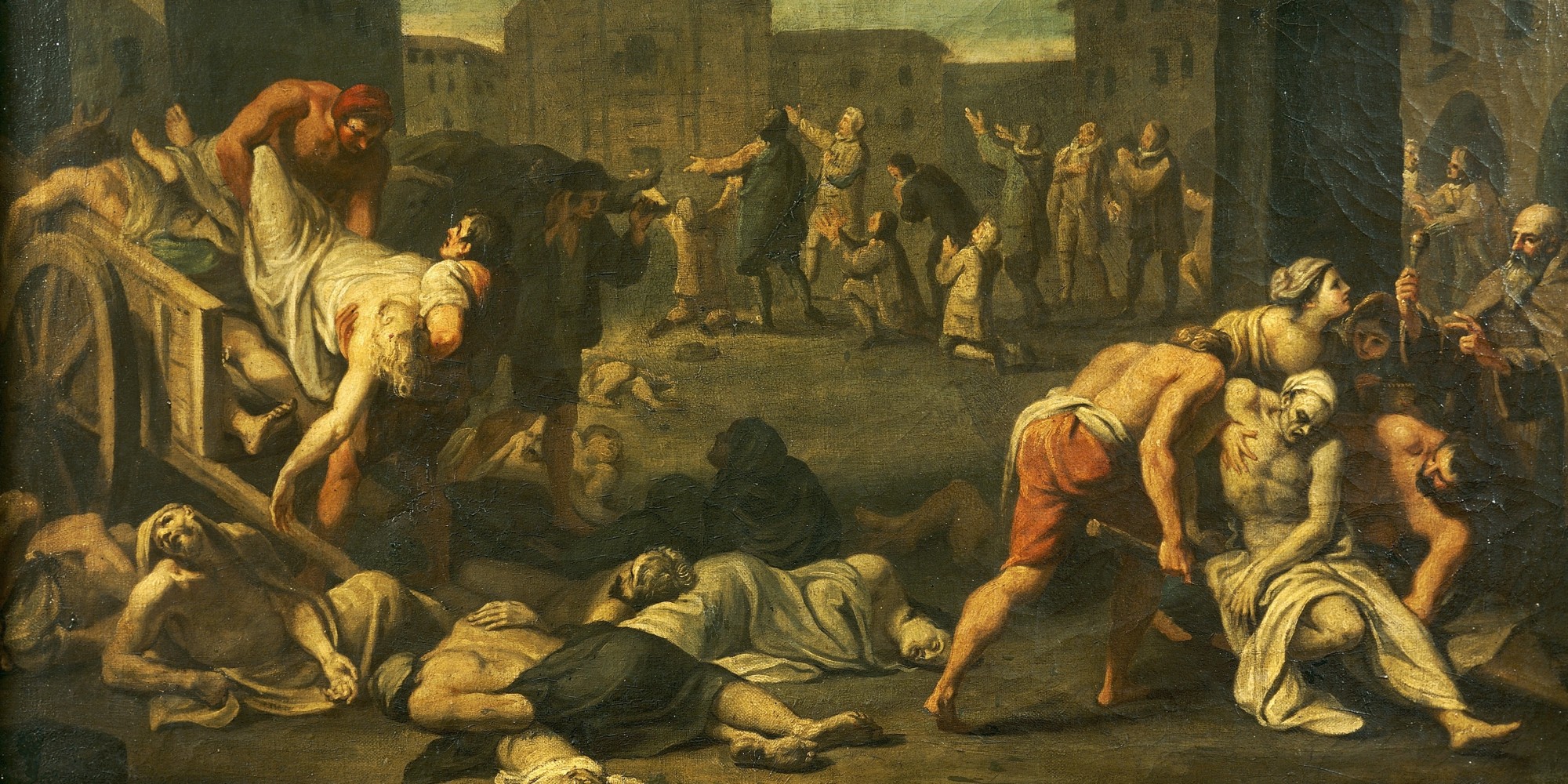
Finally, there is the underlying theme of nature and happenstance that determine the course of life.  There is belief in God but only as Creator.  Humankind is on its own in stories of “The Decameron”.  Buffering by nature pushes and pulls humankind with chance circumstances of the day.  One household is decimated by the plague while next door neighbors are untouched. God seems to have washed His hands of what happens on earth.  Plans of man are perceived as changed by nature’s unpredictability; not by God.

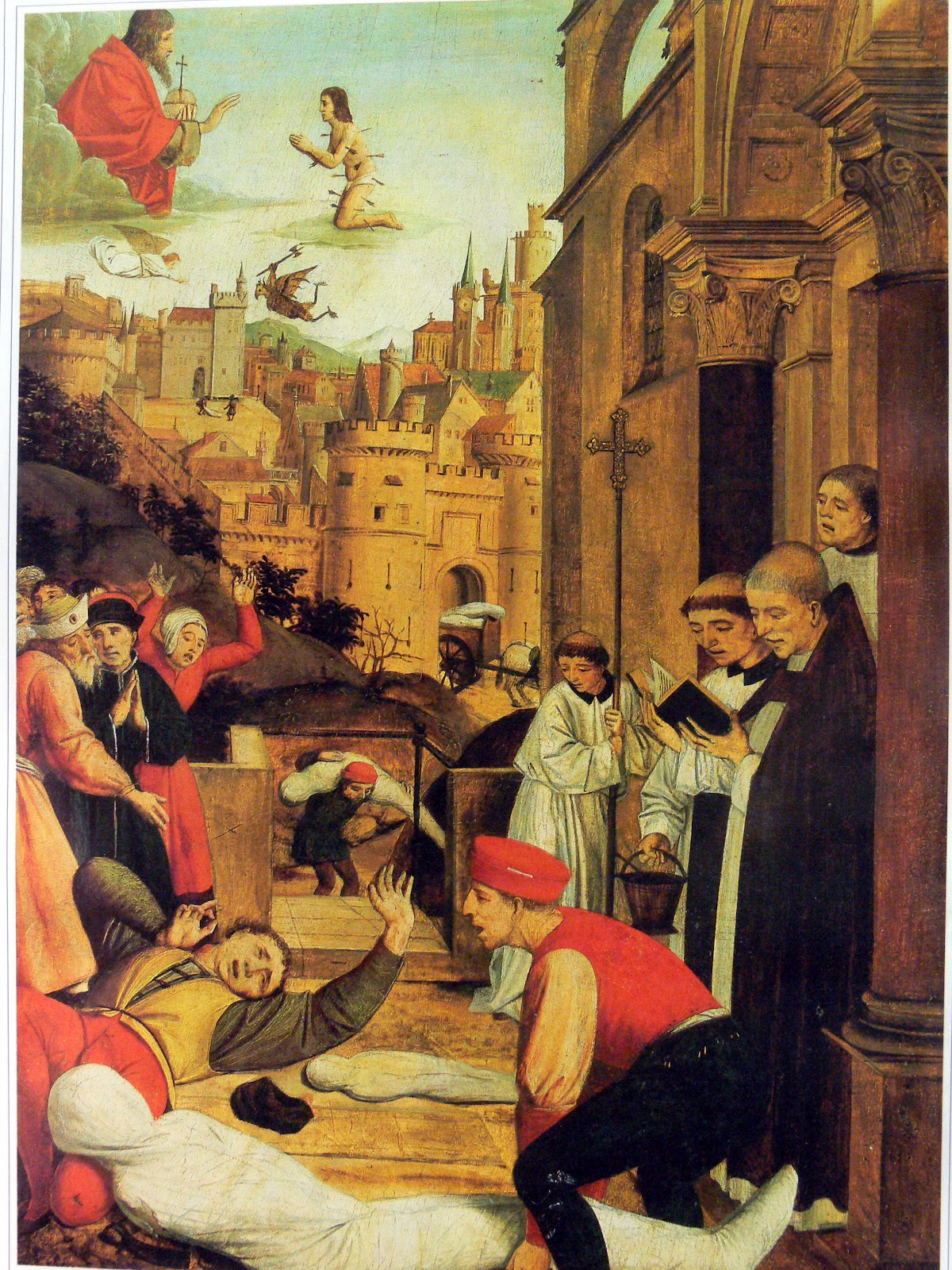
THE PLAGUE
Buffering by nature pushes and pulls humankind with chance circumstances of the day.  One household is decimated by the plague while next door neighbors are untouched. God seems to have washed His hands of what happens on earth.  Plans of man are perceived as changed by nature’s unpredictability; not by God.

Though some may be entertained by this presentation of “The Decameron”, it is not to this critic’s taste.  It is too long.  It is delivered monotonously.  It elicits little laughter.  It ponderously consumes thirty hours of a listener’s time.  However, as noted above, it offers a remarkable picture of life in an era of western world’ upheaval (the current of the black plague) and change (from God’s plan to the unpredictability of nature).