
Books of Interest
Website: chetyarbrough.blog
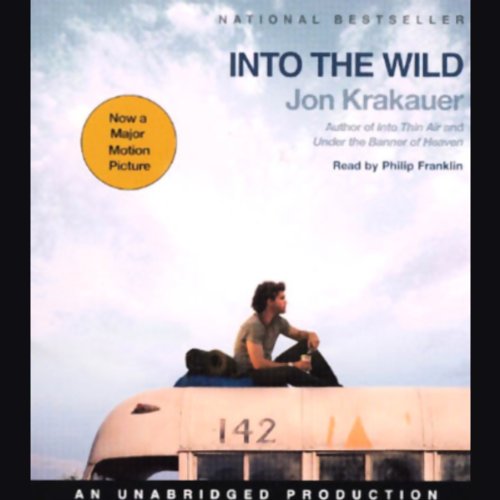
Into the Wild
Author: Jon Krakauer
Narration by: Philip Franklin

John Krakauer (Author, mountaineer, raised in Corvallis, Oregon.)
The main character in “Into the Wild”, tuned in and dropped out. His “tune in” is not to drugs but a wish to understand the meaning of life. Christopher Johnson McCandless chose, after graduating from Atlanta, Georgia’s Emory University, to live off the grid of society, i.e. particularly capitalist society. His degree is a BA in history and anthropology. McCandless chooses to drive around the country, working at dead-end jobs to sustain himself until he finds a place to live in a natural habitat, without the aid of society which he believes keeps him from understanding the meaning of life. He began a “walk about” from Georgia with a plan to explore survival in the frigid wilds of Alaska. McCandless kept a journal of his search for life’s meaning. His journal became the guiding source for Jon Krakauer’s book about McCandless’s brief life.
Christopher Johnson McCandless (1967-1992, died at the age of 24.)

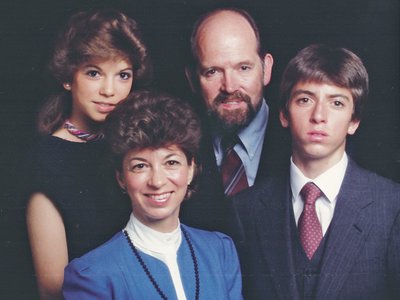
The McCandless family picture with Christopher either before or after enrollment at Emory University.
McCandless came from a solidly middleclass family but rejected capitalism defined by the desire for money, power, and/or prestige. He obviously loved the outdoors and wished to explore the possibility of living off the land with whatever nature had to offer. McCandless rebels against capitalist beliefs when graduating from college. He begins a search for the meaning of life beyond the principles of a capitalist society. He sought understanding by experiencing the attractions and dangers of the American wilderness. McCandless wishes to be free of materialism, his familial relationships, and the conventions of a middleclass capitalist life.
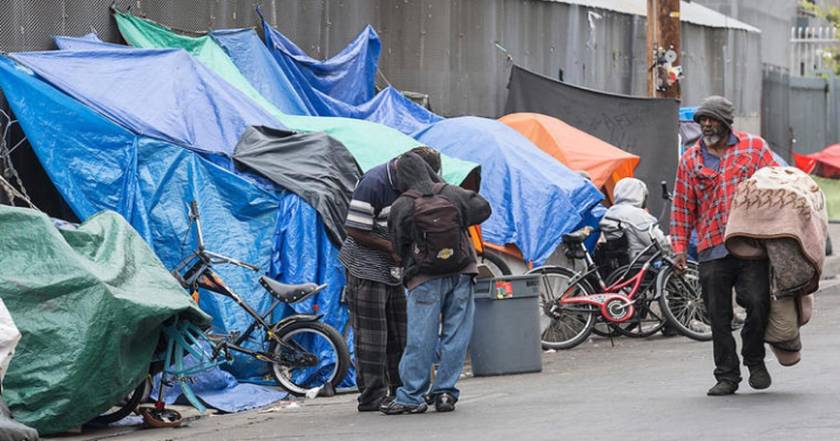
(One wonders if McCandless’s story is part of today’s rising homelessness with people living in tents, sleeping in business doorways and on sidewalks of American cities? Are Americans becoming disillusioned with capitalism because the gap between rich and poor is rising and pushing the middleclass into poverty? Some argue the cost of living is climbing faster than the wages of employment.)

McCandless graduation form Emory University in Atlanta Georgia.
With a BA in history and anthropology, McCandless graduates from Emory in 1990 and leaves Atlanta, heading west. Rather than look for a job or extending his education, he donates his savings to charity, cuts off communication with his family, and journeys to the west in a 1982, B210, Datsun. He heads southwest, traveling to Alabama, Mississippi, Louisiana, Texas, and New Mexico. He spends some time in Arizona with odd jobs and becomes stranded when his Datsun is disabled by a flood. He hitchhikes to California via Las Vegas, goes through South Dakota with his determined destination being Alaska in 1992. Nearly two years have passed since graduating from Emory.
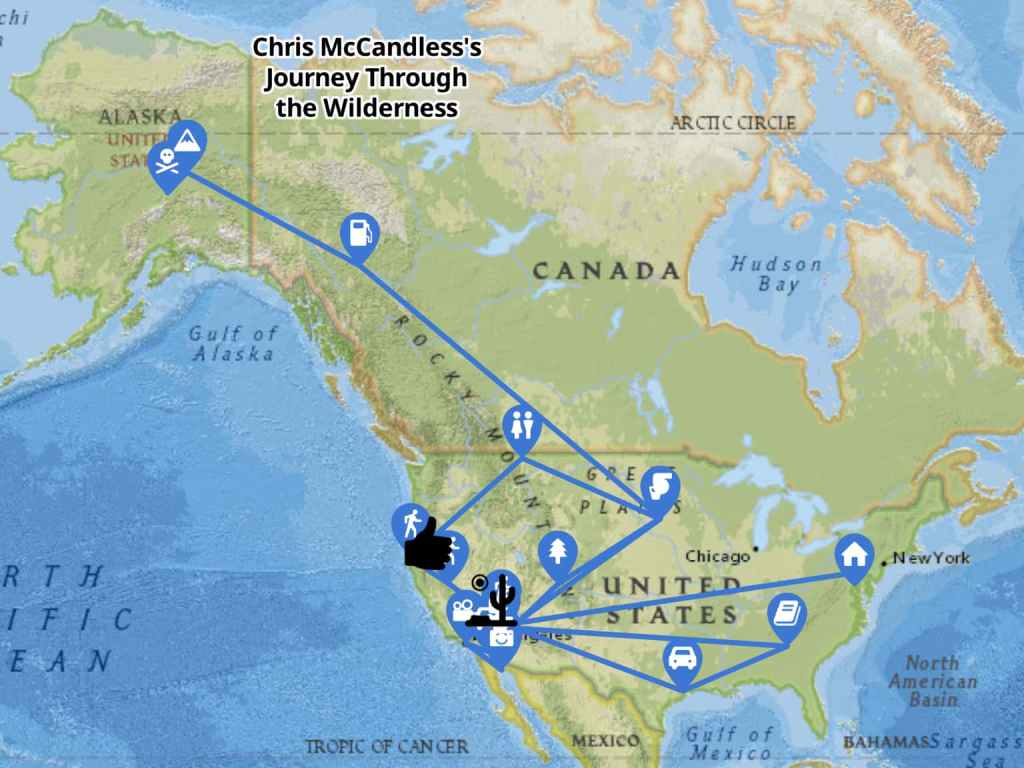
Map showing McCandless’s two years of travel from the East to the West, mid-West, and on to Alaska.
McCandless kept a journal of his travels. The author, John Krakauer, interviews some of the people McCandless meets and/or works for that are noted in his journey. All say he was a nice person and hard worker who dependably showed up for work. However, one employer noted he had to be told to take a shower and wear socks when he came to work at their fast-food restaurant. McCandless was obviously homeless and had no shower facilities in which to bathe. He reluctantly complied as best he could but soon left to find his way to Alaska.
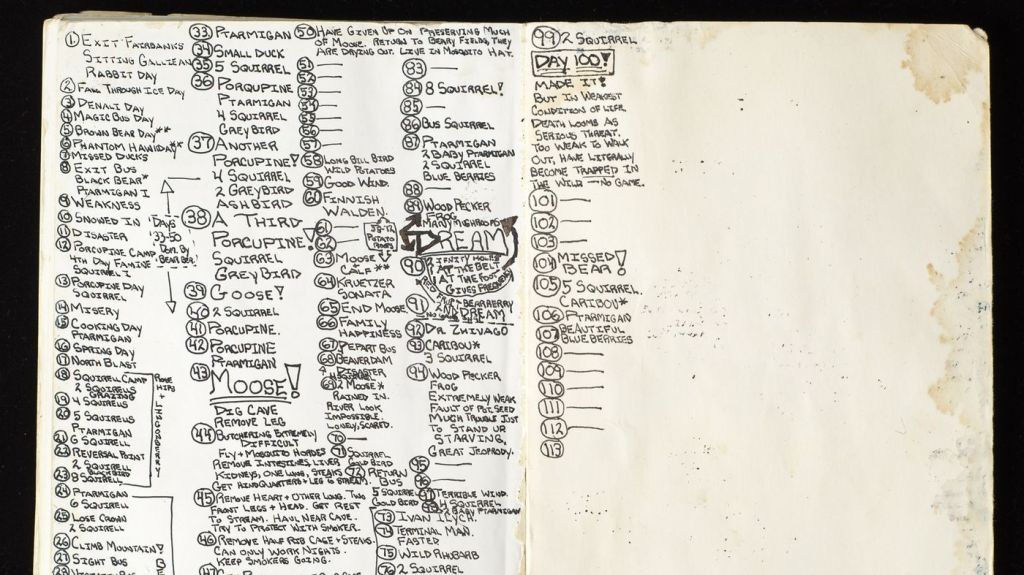
Sample of McCandless’s journal when he called himself Alex Supertramp.
McCandless arrives in southern California. He meets an older (80 something) American named Ronald Franz, a leatherworker, who tries to convince McCandless to give up his wandering life. They become friends but McCandless leaves Franz without saying goodbye as he heads north. The importance of their relationship is shown in a letter sent to Franz by McCandless that explains his inner conflicts. McCandless explains his need for independence and the freedom it gives him to personally connect with himself. By abandoning materialism, wealth, and social expectations, McCandless believes it makes him free. The tension created by McCandless’s belief in social isolation versus human relationship is expressed in his letter to Franz. Being alone is no answer to the conflict one feels toward their family or those who are part of society. Part of one’s identity, belief in who they are, and belief in oneself is reinforced by other people, not in wilderness isolation. This is a lesson of life that McCandless refuses to see or understand. The well-known poet, John Donne, recognizes “No man is an island”. All humans are interconnected which is a truth McCandless refuses to see.

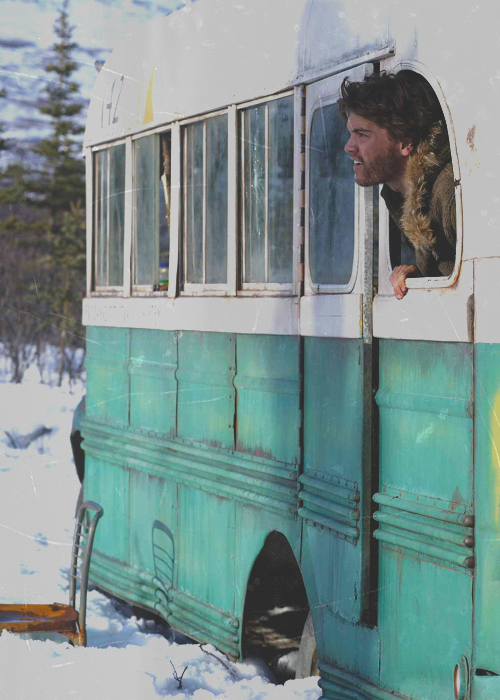
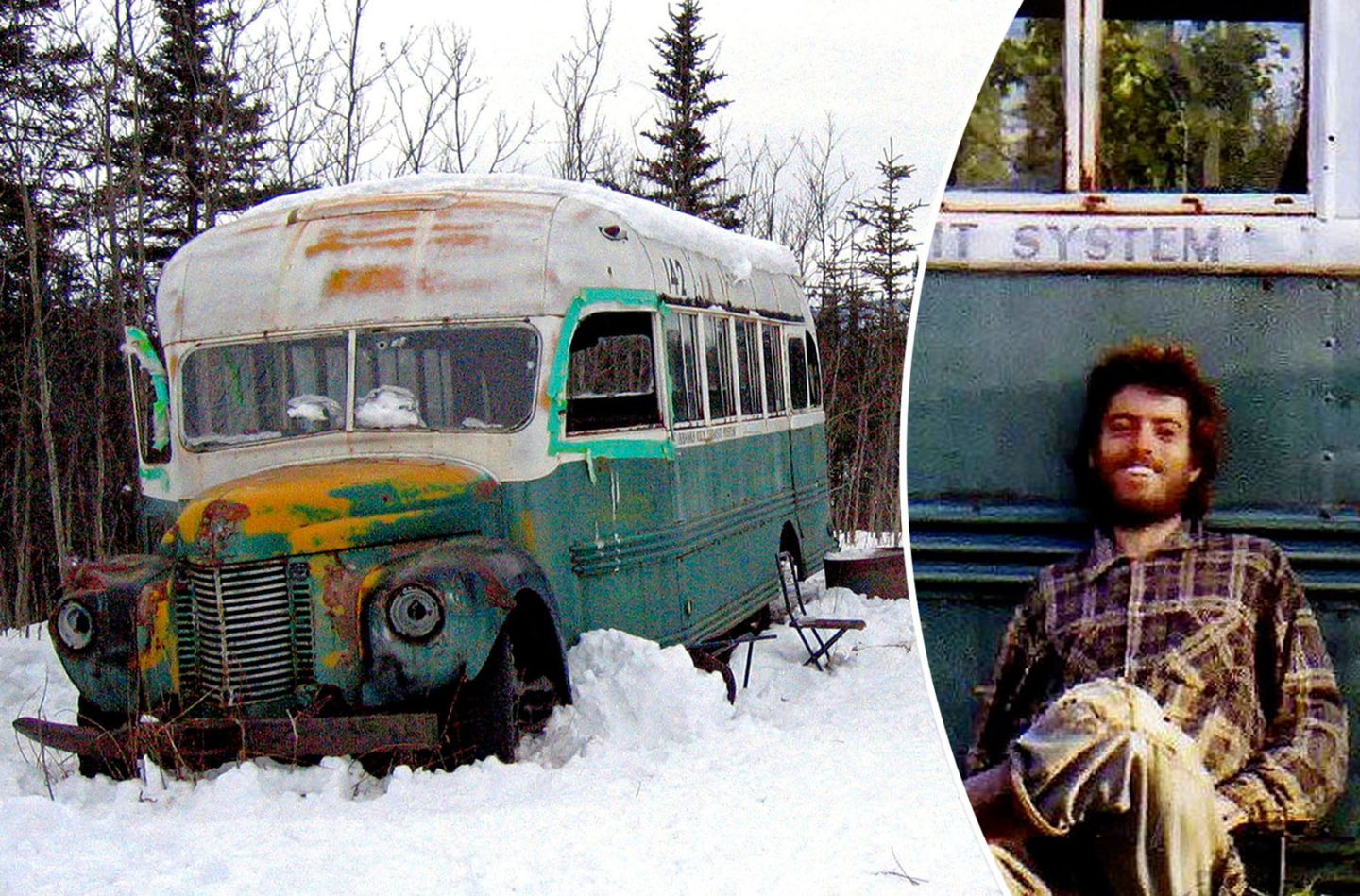
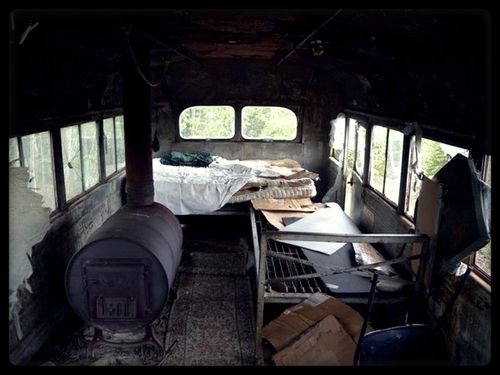

McCandless dies in a Fairbanks city Transit bus he used as a shelter in Alaska. John Krakauer speculates on the cause of death being inadvertent poisoning from eating potato seeds because of McCandless’s hunger, emaciation, and lack of nourishment. If there is meaning in life, McCandless search and isolation is in vain. The story of McCandless’s life is that meaning in life comes from people and nature, not one or the other but both.

 REVIEWS AND VIEWS OF LIFE