

Books of Interest
Website: chetyarbrough.blog
History Matters
Author: David McCullough & 3 more
Narrated By: John Bedford Lloyd & 1 more

David McCullough (Two-time Pulitzer Prize winner for literature.)
As a tribute to David McCullough, his daughter compiled a list of several McCullough essays and public presentations. Though the readings are not narrated by McCullough, they illustrate his great range and understanding of history as a professional writer.

McCullough was 34 years old when “The Johnstown Flood” was released. Until then, he had worked as a writer for publications like the American Heritage magazine.
McCullough’s “History Matters” is a series of essays about famous people, books he has admired, and his success with historical biographies like “Truman”. McCullough’s first success was the story of the “Johnstown Flood”, published in 1968. After McCullough’s success with the “…Flood”, he became a full-time writer. He notes—without support of his wife, the idea of becoming an independent writer would have been impossible. The risk of unemployment and no regular check would have undoubtedly been on McCullough’s mind when he discussed it with his wife.
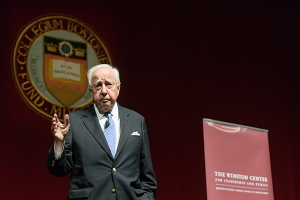
McCullough’s public presentations in “History Matters” are of speaking engagements at universities and various organizations that asked McCullough to address their professional interests.
With the success of his books, in the 1980s, he became a popular and sought-after public speaker. He frequently gave commencement addresses to Universities and Colleges, wrote and presented what he wrote to historical societies and museums. He occasionally addressed government bodies and civic groups arguing for historical literacy to preserve the institutions of American government. One of his most well-known narrations was of Ken Burn’s “The Civil War” on PBS’s American Experience in 1990. McCullough passed away on August 7, 2022, at the age of 89.
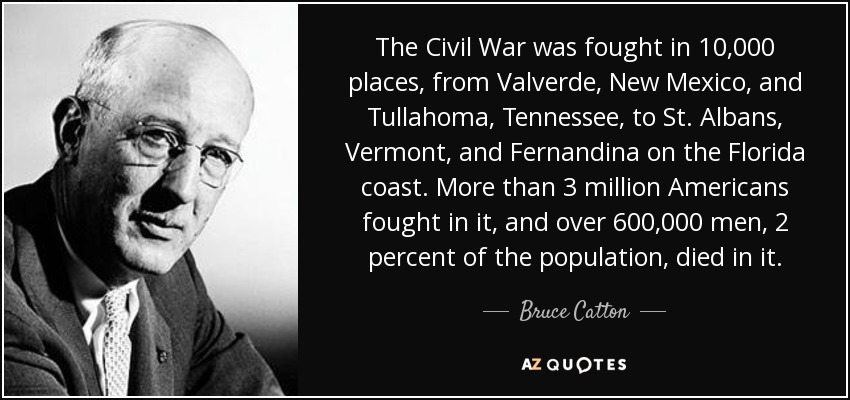
“History Matters” is a short book about a gifted writer who thoroughly researched his subject and wrote about the intimate details of history to give listener/readers the feeling they were “in the room”. He insisted on accuracy and clarity of what he wrote and advised writers to do the same if they wished to be historians. He cites the narrative power of Barbara Tuchman, Bruce Catton, and Paul Horgan as writers who vivified the dry analysis of history. The mix of history and fiction is blended by writers like these to give context to their audiences.


Like Caravaggio’s depiction of Saint Thomas’s doubt and faith in the resurrected Christ, McCullough argues historians must be relentlessly curious.

McCullough felt good historians had to see the world through the eyes and experience of their subjects to tell the truth of history. He argued good historians have to be relentlessly curious about the time of which they are writing. Without careful research and detail, the truth of history is lost.
To McCullough “History Matters” because it vivifies the past in ways that are forgotten and often taken out of the context of their time. He believed Tuchman, Catton, and Horgan practiced what he preached even though some (like me) would suggest even good historians change history of the past because of influences of the present. To minimize those influences, McCullough argues the details of history matter. Without details of the time when history is made, the truth can become distorted. McCullough infers admiring Washington, Lincoln, Grant, Roosevelt, Truman, and Presidents of this century without details of their time distorts the truth of history. From a book lovers’ perspective, this observation is two edged. Historians are human which suggests they have the same social blindness as everyone.

History is revised in every generation.
Abraham Lincoln, Ulysses Grant, Harry Truman and all Presidents have been vilified in their times and revised by future historians. Details are certainly important as McCullough observes in “History Matters”, but truth in history seems dependent on the passage of time and details selected by histories’ scribes. Therein lies revisionist history which may or may not be the truth of history.

 REVIEWS AND VIEWS OF LIFE