

Books of Interest
Website: chetyarbrough.blog
How We Got to Now (Six Innovations That Made the Modern World)
Author: Steven Johnson
Narrated By: George Newbern

Steven Johnson (Author, journalist)
Steven Johnson has written a moderately interesting book about innovation. He writes of six discoveries that came from the experience of everyday life. Glass, temperature, sound, health, time, and light are taken for granted in the 21st century. What Johnson explains is how these six elements were the basis of extraordinary human innovation and change in society.
Barovier Art Deco Murano glass pendant.

Glass has been around for centuries with the earliest found in Ancient Egypt. The heat of desert sands created glass in the form of beads that became jewelry in pre-Christian times. As the world industrialized, glass gathered new uses. Glass became mirrors to reflect human images, lenses for glasses, windows, and structural components of buildings. From the art of 15th-century to Leeuwenhoek’s creation of microscopes to Galileo’s telescopes to strengthening and lightening of high-rise construction materials to invention of fiber-optic cables, glass changed society.

Willis Carrier (1876-1950, designed the first modern air conditioning system in 1902.)
The benefit of cold temperatures helped preserve food and led to wider exploration of the world to avoid the cold. In warmer climates, experience of food preservation and human shelter from heat incentivized society to invent refrigeration for food and air conditioning for buildings. Public health and food safety improved with refrigeration. The cold preserved blood for future medical use and food for later consumption. The value of extreme cold led to cryogenics that aided fertility treatments by freezing sperm, eggs, and embryos for long term biological storage.
Heddy Lamarr (1914-2000, Hollywood star who patented a radio signal device that could change frequencies for secret messages during WWII.)

Johnson explains how sound innovation led to everything from the phonograph to sonar to coded messages during the war years. During WWII, secret communications between military strategists were critical. The often-recalled code breaking story of Alan Turing and the Enigma machine was a breakthrough for Allies to read German secrets. Interestingly, the famous actress, Heddy Lamarr patented a radio signal device for Allied powers’ secret communications.

As cities formed and people congregated in closer proximity, innovations in sanitation, water, and air purification grew to improve public health.
Johnson notes how light innovation grew from candles to light bulbs to lasers that changed the way humans can communicate and live after dark. Thomas Edison and the invention of the light bulb required the management skill of many to spread light around the world.
Thomas Edison (1847-1931)

An innovator’s timing makes a difference because the lack of a consumer can delay change like it did with Charles Babbage and Ada Lovelace in their 1837 concept of a general-purpose computer.

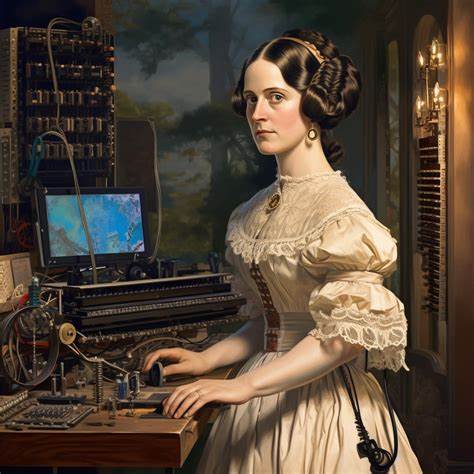
Ada Lovelace, the daughter of Lord Bryon, becomes the first computer software programmer in history. This was nearly 100 years before computer programing became important.
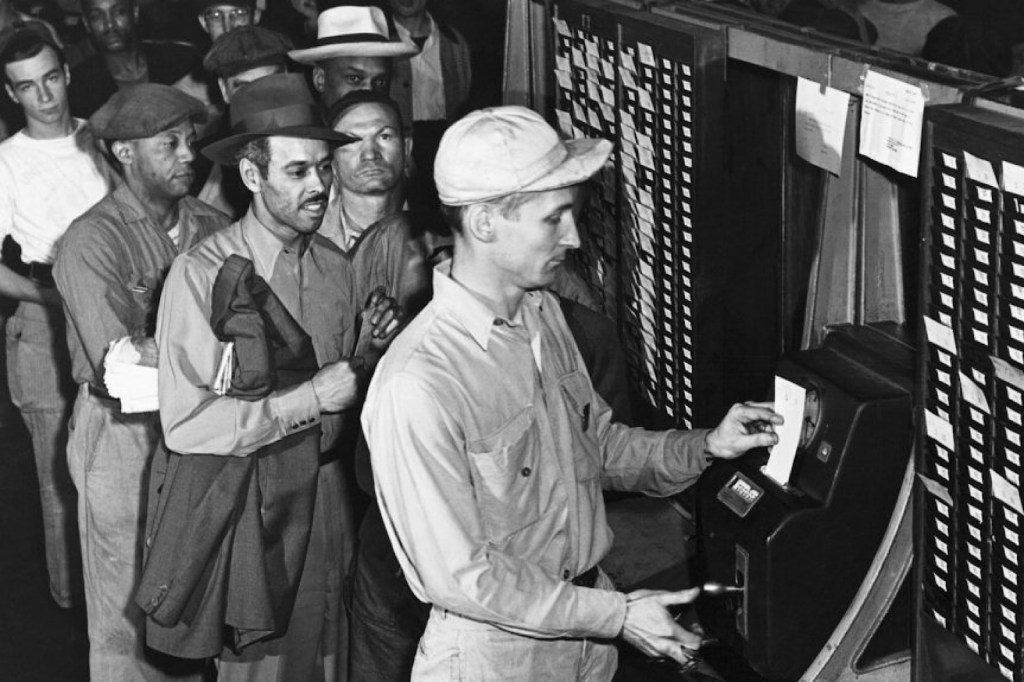
To improve human productivity, time became important. Precise timekeeping improved productivity, navigation, industrialization, and global coordination.
Johnson notes how innovations and societal change does not come from a singular genius. Innovation and social change come from a confluence of geniuses, managers, and consumers. He suggests Barovier, Leeuwenhoek, Galilei, Tudor, Carrier, and Lamarr were geniuses in their innovative ideas about glass, cold, and sound but it is a confluence of ideas, accidents, collaborations, and market desire that made them successful. The same may be said of Edison with light, Jobs with computers, and Musk with electric vehicles.

 REVIEWS AND VIEWS OF LIFE