
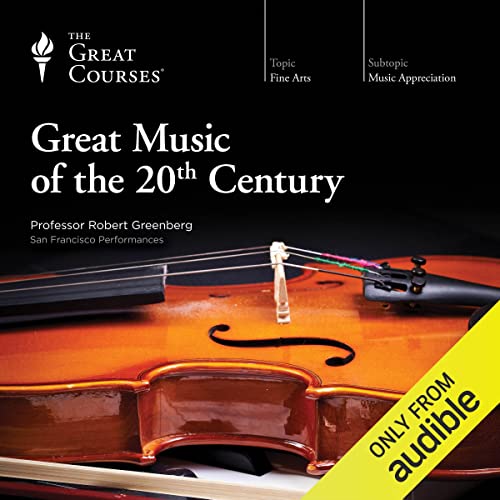
Books of Interest
Website: chetyarbrough.
Great Courses-How to Listen to and Understand Great Music, 3rd Edition (A Cultural History)
By: Robert Greenberg
Narrated By: Professor Greenberg

Robert Greenberg (Great Courses Professor, historian, composer, pianist, speaker, and author.)
This is a history of Great Music by a remarkable professor who fully utilizes the value of audiobooks in his teaching. Though this is a long audiobook, every lecture is a pleasure for a listener who knows little about the history or styles of music. Professor Greenberg’s enthusiasm and pointed opinions about music and its evolution are informative, clearly explained, and fabulously entertaining, particularly for non-musicians.

The professor’s storytelling is highly entertaining. He reviews the history of music anecdotally, interspersed with musical examples (some of which are his own piano playing) and precise definitions of words used in music that offer clarity and entertainment to his audience.
The span of history which Greenberg covers is from ancient music traditions to the progressive development of Western music. He helps one understand what to listen for when attending musical presentations. He spans Renaissance, Baroque, Classical, Romantic, and 20th-century music. From Bach’s Baroque musical production to Shostakovich’s politically tinged symphonies, one learns how music is exemplified and amplified by history.
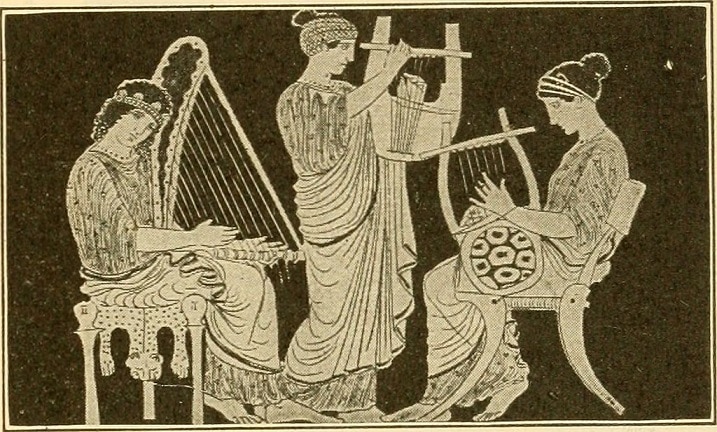
Greenberg begins with ancient Greek and Roman music.
He explains the role of music in Greek tragedies and offers examples of Gregorian chant and medieval polyphony (two or more independent melodies that are interconnected). He notes Bach’s fugues as polyphonic hallmarks of Western classical music that rose in the Renaissance and Baroque periods.
Johann Sebastian Bach (1685-1750, German composer and musician of the late Baroque period.)
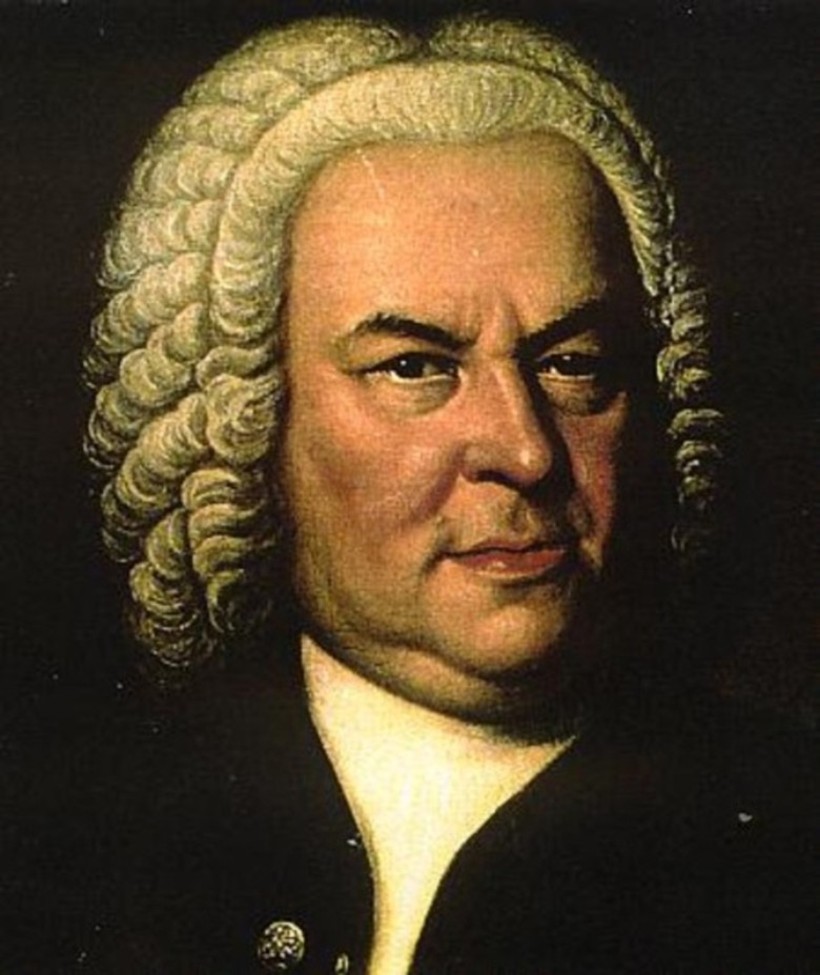
Greenberg provides examples of a fugue and concerto. A fugue is a musical composition with a theme that is interwoven with overlapping voices. He offers the example of Bach’s music.
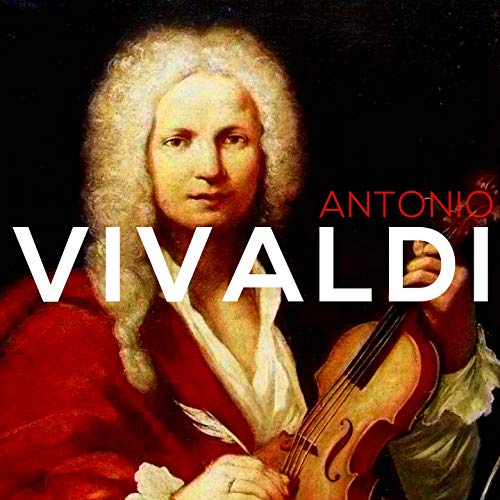
Antonio Vivaldi (1678-1741. Italian composer, virtuoso violinist of Baroque music.)
In contrast, concerto is a solo instrument (or a group of soloists) offering an orchestral presentation infused with dialogue. The Four Seasons by Vivaldi would be an example but the fascinating point is that the dialogue is in music, i.e. no words, but a clear representation of the seasons in an abstract way. You hear the sounds of spring, summer, fall, and winter.
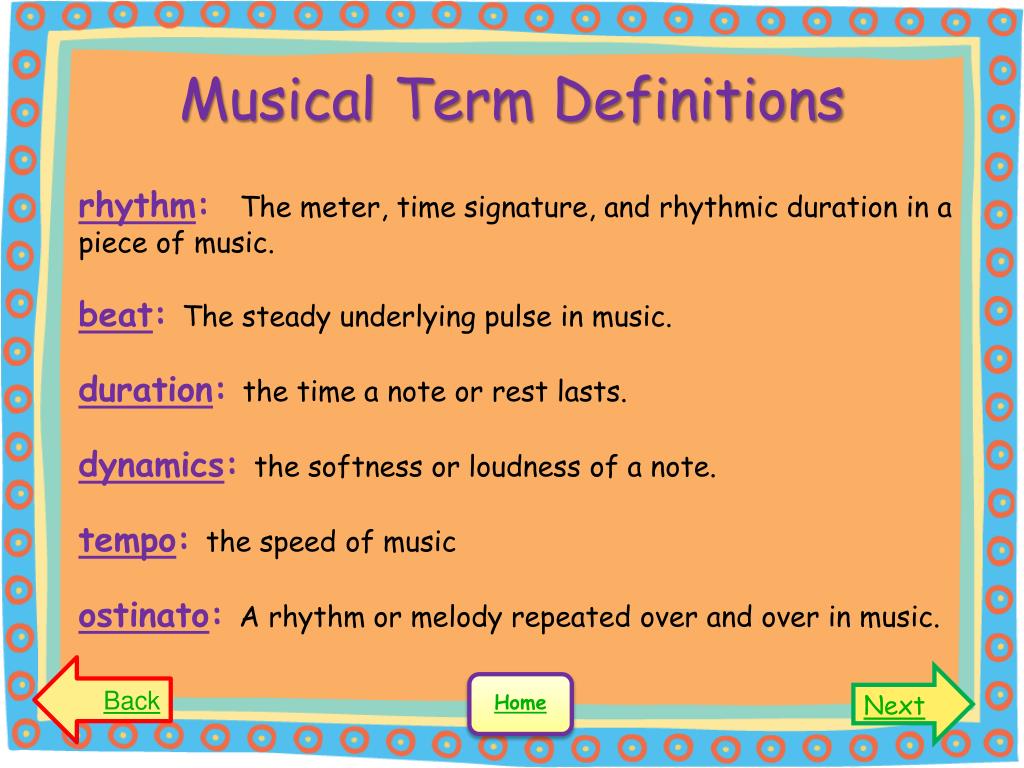
Greenberg also defines a number of musical concepts and terms:
Melody: A sequence of musical notes that are perceived as a single entity, often referred to as the “tune.”
Harmony: The combination of different musical notes played or sung simultaneously to produce a pleasing sound.
Polyphony: Multiple independent melodies played or sung simultaneously, creating a complex and interwoven texture.
Sonata Form: A musical structure commonly used in the first movements of symphonies and sonatas, typically consisting of an exposition, development, and recapitulation.
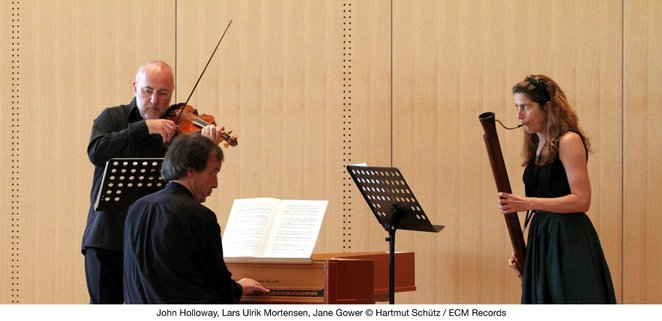
The Professor notes the fundamental difference between German and Italian classical music.
The Italians created opera to illustrate the emotions of life through operatic story telling. Germans highlight intellectual depth and structural complexity. Greenberg notes Italians celebrate the melodic beauty and operatic flair of music. This difference is exemplified by the Catholic church’s sale of indulgences.
Martin Luther (1483-1546)

Greenberg recounts the history of the Reformation. He notes the impact of Martin Luther (1483-1546), the key German figure in the Protestant Reformation who posted the 95 Thesis that criticizes the Catholic Church’s practice of selling indulgences for sinners to get into heaven. The 95 Thesis was a direct challenge to the authority of the Pope to use indulgences to raise money for the Catholic Chruch. Luther believed only faith, an emotionally grounded intellectual belief, could pave one’s way to heaven.
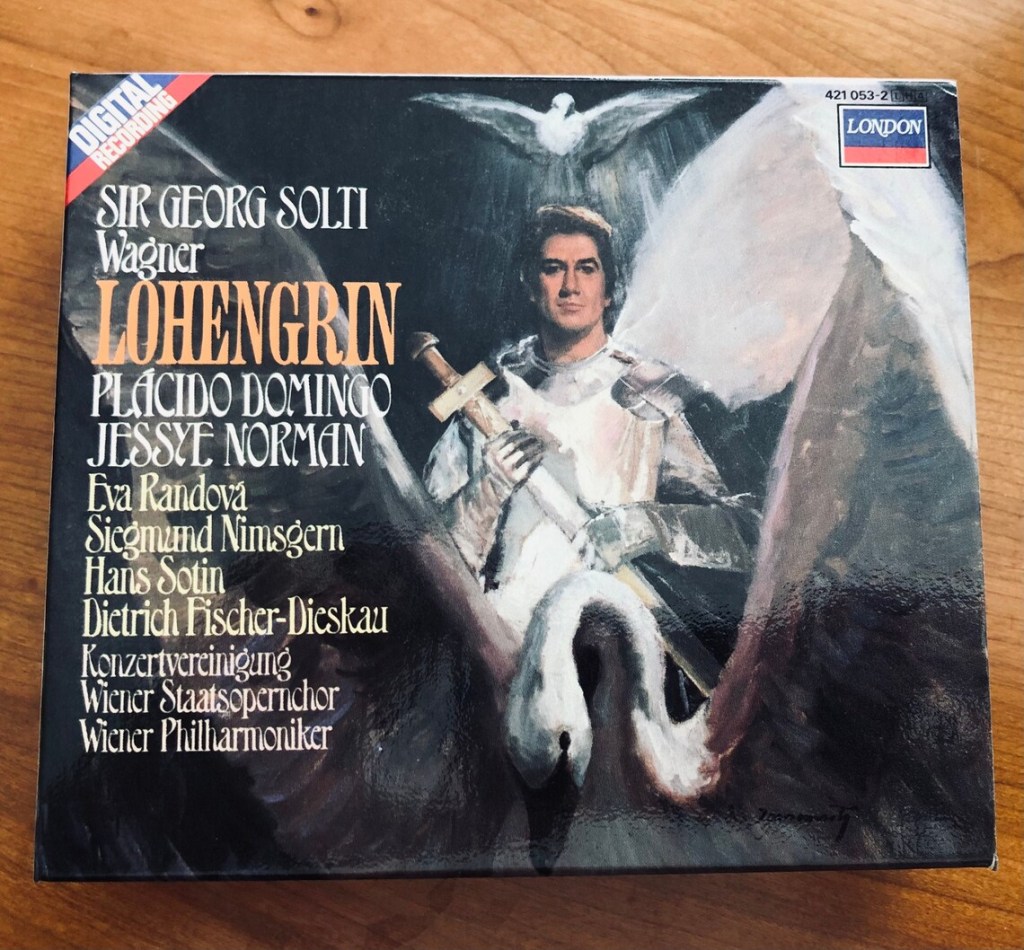
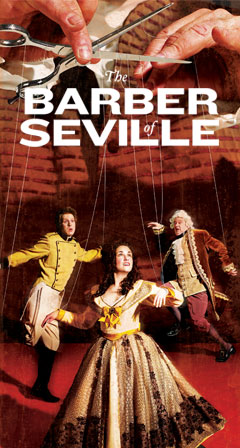
Rather than an Italian Rossini or Puccini opera, German operas have complex narratives with composers like Wagner and Straus who are exploring ideas like destiny, heroism, and the human condition. Both German and Italian operas engage emotions, but German operas tend to explore philosophical, mythological, or psychological themes while Italians focus on heart-wrenching human emotions.
Listening to the examples of Professor Greenberg’s views on music make this audiobook an immense pleasure. It is a long audiobook but one who takes long walks will be highly entertained by the Professor’s insight to music of the world.

 REVIEWS AND VIEWS OF LIFE
One thought on “MUSIC APPRECIATION”