

Books of Interest
Website: chetyarbrough.blog
Kingmaker (Pamela Harriman’s Astonishing Life of Power, Seduction, and Intrigue)
By: Sonia Purnell
Narrated By: Louise Brealey

Sonia Purnell (Author, British journalist, worked at the news magazine “The Economist”)
Every writer is influenced by the country in which they were born. Sonia Purnell writes an interesting biography of Pamela (Digby-Churchill) Harriman in “Kingmaker” but from the perspective of a British journalist. This is not to argue Purnell’s interesting perspective is wrong but that there is a spin that is nationalist, more than objective, about Pamela Harriman’s life.
During the beginning years of WWII, America avoided the war until Pearl Harbor when it became clear that a policy of isolationism would not work.
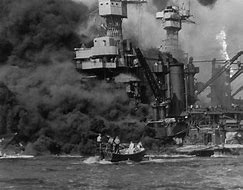
The reluctance of many American businessmen and industrialists like Joseph Kennedy and Henry Ford would not see Hitler for what he was, a fascist racist planning to dominate as much of Europe as Germany’s war machine would allow. Some in the American government, like Franklin Roosevelt, understood Hitler was a threat to all of Europe if not America. Roosevelt maneuvered the government to support England with a Lend/Lease program to defend themselves against German aggression, despite a political majority’s desire for isolationism.

Getting back to Purnell’s history of Pamela Harriman, Purnell explains the important role Pamela played, before Pearl Harbor, that mobilized America’s entry into the war. Pamela Harriman is unquestionably an English patriot. Her close relationship with Winston made her an ideal conduit and influencer in smoothing the relationship between America and the British government. The intimate relationship she developed with Harriman is a tribute to her contribution to the formation of an allied force to defeat Germany.
The massive Lend-Lease program is created in the late 1930s because of the Neutrality Acts that kept America out of direct engagement in the early days of WWII.
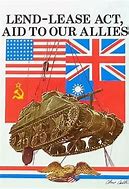
The program began in 1939 as a cash and carry program that evolved into a Lend-Lease program in 1941. American could lend or lease military equipment and supplies to any country that allies themselves with the U.S. if it were to enter into the war. The United Kingdom, Russia, and China were considered crucial to any alliance that might be created to defeat Germany. The complexity and logistics of Lend-Lease required astute management by American managers. Harry Hopkins was its first administrator, but Averill Harriman was needed to become a diplomatic political expediter for the process.
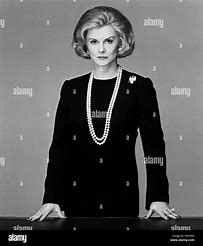
Purnell argues the political process in the American/United Kingdom relationship was smoothed and improved by Pamela Digby Harriman who was married to the son of Winston Churchill, Randolph Churchill.
Randolph has at best, a mixed reputation. He was a heavy drinker, reckless, and rude. He was married and divorced twice and had gambling problems that were a constant debt problem that disrupted Pamela’s life. She became closer to Winston Churchill than to her husband and became much more politically involved and astute than her husband in government affairs. That experience made her a perfect match for building a closer relationship with Avrill Harriman that became an affair between two married adults. Harriman was twenty-eight years older than Pamela but had a reputation as a suave ladies’ man.


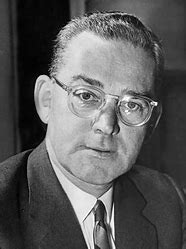

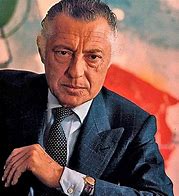

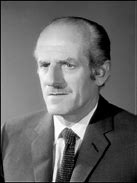
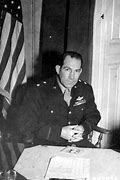


Purnell reflects on the many affairs of Pamela Churchill Harriman beginning with Averell Harriman, then Edward R. Murrow, and proceeding to John Hay Whitney, Prince Aly Khan, Gianni Agnelli, Alfonso de Portago, Baron Elie de Rothschild, Frederick L. Anderson, Sir Charles Portal, and William S. Paley. The story becomes stale.
There is a cloying sense of unfairness in “Kingmaker ” because Pamela’s skill seems trivialized by her sexuality.
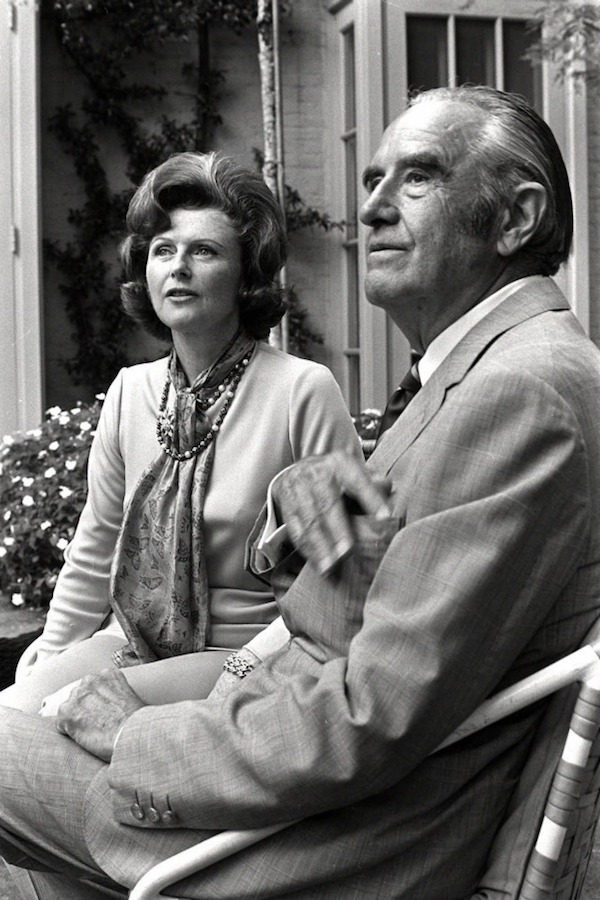
Pamela simply wanted an equal opportunity to succeed in the pursuit of money, power, and prestige, i.e. all the secular objectives men take for granted. Purnell’s biography implies the drive to succeed for women is based on intimacy rather than inherent human equality. Though that is not the intent of Purnell, intimacy has historically been the avenue women have had to take in society to open opportunity’s door.

 REVIEWS AND VIEWS OF LIFE