
Books of Interest
Website: chetyarbrough.blog
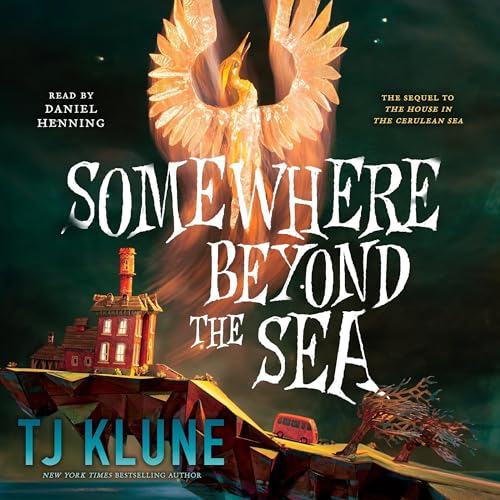
Somewhere Beyond the Sea (Cerulean Chronicles, Book 2)
By: T.J. Klune
Narrated By: Daniel Henning
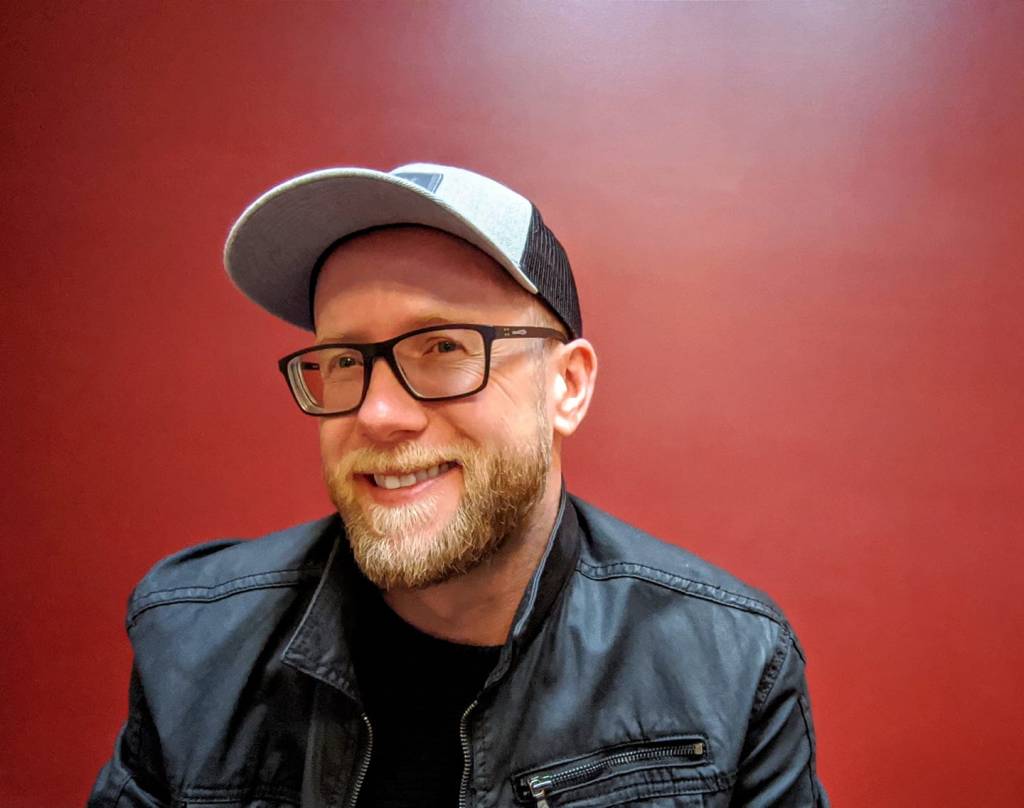
T.J. Klune (Author, winner of the 2021 Mythopoeic Awards)
“Somewhere Beyond the Sea” is a wild ride by an author with an extraordinary imagination. Some listener/readers will be inclined to reject Klune’s book because its flights of imagination obscure the author’s social criticism. This is a fantasy novel offering a message about mistakes parents and society make when raising children.
One might view “Somewhere Beyond the Sea” as a simple fantasy novel about extraordinary children cared for in orphanages.

However, every parent of a child will see themselves and the mistakes they may have made in raising their children. Though science explains much of who humans become is genetically determined, the influence of parents and acquaintances affect genetic predisposition. A child may mature to become a Jesus or Hitler without human understanding of why they became the best or worst of society.
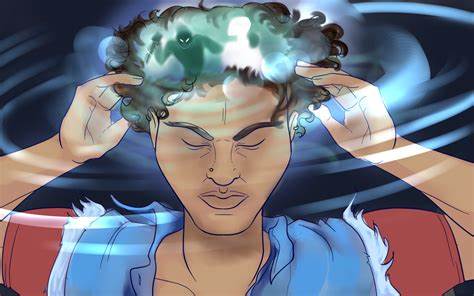
Klune’s fantasy is about an orphanage populated with magical children that have powers beyond rational belief.
They are morphological creatures with powers capable of destroying or creating reality. Being free of parental guidance and raised in an orphanage, the maturity of these children is institutionally influenced. As is true in any orphanage, or any parental home, there are good and bad management practices. As either an orphanage manager or parent, one wonders if they are making the right decisions in the way they are influencing their children.
Klune obviously believes letting children become who they are, as long as they do no harm to themselves or others, is a life goal.

That seems a fine ideal, but parents and institutions are made of humans who are trapped by personal experiences of their own that influence how they raise their children. Some are disciplinaries, others are not. Some are physical punishers of bad behavior; others believe physical punishment only releases a parent’s anger and actually reinforces bad behavior. Despite bad parenting, some children grow to become great contributors to society, regardless of how they were raised, others become criminals of every type.

Does the way we raise our children make a difference in who they become?
There seems no disciplinary practice that guarantees the best outcome of a child raised by either institutions or parents. This is particularly concerning to parents of children who become unhappy and choose to pursue unhealthy relationships, become drug addicts, criminals, or suicide statistics. Parents become victims of guilt. They wonder how they might have been better managers of their children’s lives, thinking that could have made the difference.
Klune’s fantasy offers no clear answer to “the best way” to raise children, but he crystalizes how important they are to the future of the world.
 REVIEWS AND VIEWS OF LIFE