
Books of Interest
Website: chetyarbrough.blog
Everything is Tuberculosis (The History and Persistence of Our Deadliest Infection)
Author: John Green
Narration by: John Green

John Green (Author, YouTuber, and philanthropist.)
“Everything is Tuberculosis” is an apt title for John Green’s book but unlikely to attract many listener/readers. However, those who have read John Green’s books are attracted to his story because of the humor and insight he offers to living life. Green offers an interesting human perspective about a disease that kills hundreds of thousands of people every year and is both preventable and curable. Recognizing this critic’s own biases, “Everything is Tuberculosis” is a belief that there are only two important issues for human species’ survival, i.e., world peace and personal health. “Everything is Tuberculosis” deals with the principal of health while others write about world peace.
Tuberculosis transmission.
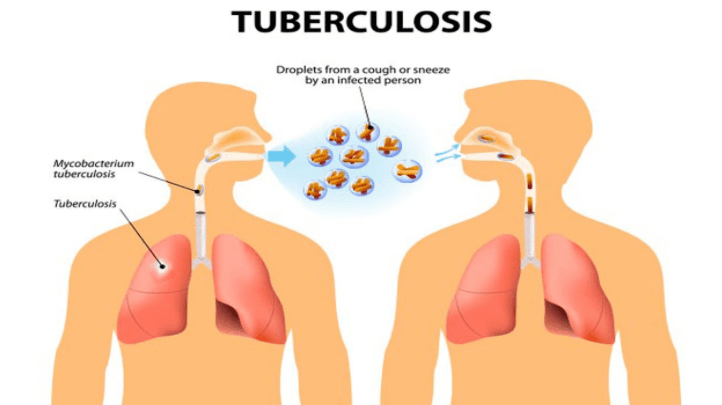
Peace is only indirectly addressed in “Everything is Tuberculosis” while health is the primary focus of Green’s book. Today, approximately 1.23 million people die from tuberculosis every year. Surprisingly, it remains the deadliest curable infectious disease in the world. An estimated 10.7 million people are presently diagnosed with tuberculosis. This high infection rate is for a disease that is curable and preventable. Green explains in countries with high rates of poverty, undernutrition, overcrowding, high HIV infections, and poor medical services tuberculosis becomes a greater killer of human beings than any other infectious disease.

The fear and anxiety of Covid mimics the fear of tuberculosis.
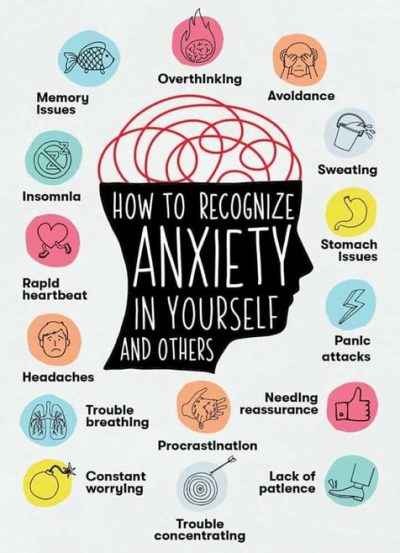
Green personalizes his story by being its main character. He writes in the first person and uses his personal anxiety driven thoughts to explain tuberculosis’ illness and vulnerability. As a child, Green recalls his own illnesses and anxieties that required hospitalization. He contrasts his life of economic security with the lives of many people in the world that have little to no economic security. He views tuberculosis, not as a scientist or patient, but as an observer of poverty in Sierra Leone and the personal life of a young boy with the disease.
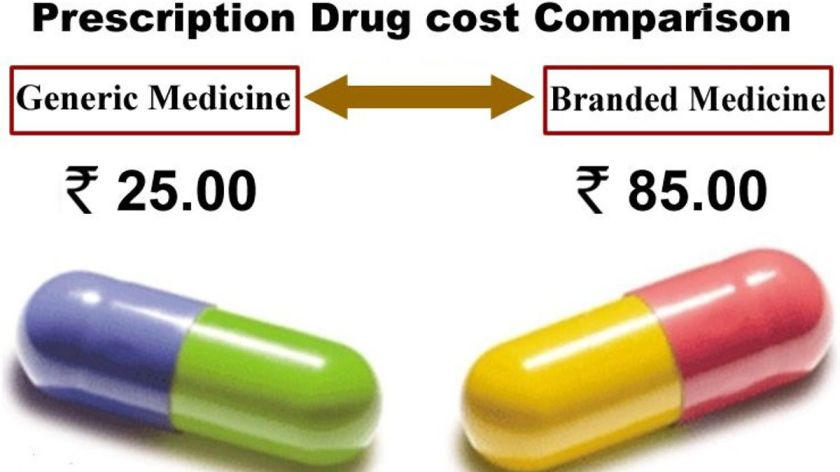
The cost of medication.
The young boy’s recovery experience is on-again/off-again, in part because of his father’s skepticism about the effectiveness of drugs and his belief in God, but also because of a failure of experimental drug treatments from other tuberculosis patients that die. There is a happy ending when a new drug cure is found and started; the boy recovers, resulting in eradication of the infection. He finishes high school and goes on to college. Other stories of the disease in Sierra Leone show distances patients have to travel, the cost of treatments, and different economically challenged families who are discouraged by continued treatment. Those patients that do not continue the medical treatment often see regrowth of the Tuberculosis bacteria which ends their sons, daughters, fathers, or mother’s lives.
Green’s point is that human beings are dying from tuberculosis, a curable disease that kills; not because it is often fatal, but because of a human-systems’ failure.
TB deaths are a predictable outcome of poverty, undernutrition, overcrowding, political neglect, and global indifference. Green gets at the heart of the problem of societal indifference. The indifference is both political and economic. The political indifference comes from every government that is only concerned about their country’s health and welfare. The economic difference is similar but more pronounced in capitalist countries that focus on profit more than societal benefit. Political difference is in nation-state’ leadership whether countries are democratic or other.
Green questions the profit motive of drug companies that ignore the benefits of drugs that poor societies cannot afford that would cure tuberculosis. At the same time, Green implies the political will of all nations fail to provide known curative drugs for tuberculosis.


 REVIEWS AND VIEWS OF LIFE