

Books of Interest
Website: chetyarbrough.blog
Bottle of Lies (The Story of the Generic Drug Boom
By: Katherine Eban
Narrated By: Katherine Eban

Katherine Eban (Author, American investigative journalist focused on public health issues.)
Katherine Eban’s book is tedious, but it tells a story that challenges the generic drug industry and exposes the strength and weakness of capitalism. Eban makes one suspicious of the efficacy of generic drug treatments. Society depends on drug discoveries that can return one to health when struck by known and unknown malefactors. At the same time, Eban indirectly attacks capitalism as a primary force for discovery of life saving drug treatments. Capitalism is motivation for drug manufacturers to discover new drugs, but profit motive and human nature incentivize deception that can harm the public.
America’s police department for the drug industry is the Food and Drug Administration.

The difficulty of a policing function is in human nature and an investigators’ effort to find incriminating evidence that proves guilt. The consequences of poor policing in the generic drug industry are loss of health, and sometimes, life. The FDA is responsible for protecting public health by ensuring the safety, efficacy, and security of human and veterinary drugs manufactured or imported to the U.S.
Just as every police force is not perfect, the FDA has made mistakes and failed to uncover evidence for crime. There have been instances of drug manufacturers around the world, including America, that have adulterated approved generic drugs. (A U.S. generic drug manufacturer, KVK Research Inc in Pennsylvania, pled guilty in 2024.) Generic manufacturers and distributors around the world have misled the public on the efficacy and/or addictive qualities of drugs. A primary source of generic drug manufacturing crimes is the lure of increased profitability.
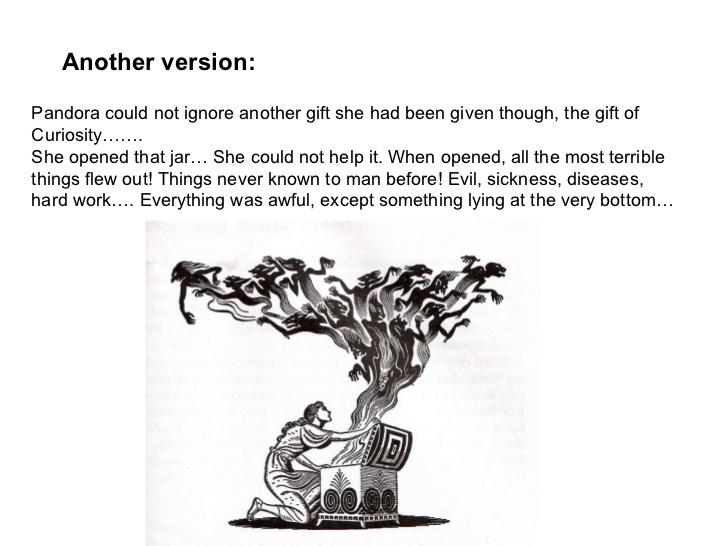
Eban focuses on a pandora’s box opened when the world’s generic drug industry began producing substitutes for previously patented drugs.
Patents for new drugs have a determinate shelf life but expire after a stipulated period of time. One can complain and challenge the price of patented drugs, but patented drugs require a level of scientific experiment and reporting to prove efficacy. When patents expire, there is a rush by generic manufacturers to produce the same drug at a lower cost. The trouble arises when a generic drug’s lower cost is achieved with substituted or reduced ingredients; also, it may be adulterated by poor manufacturing practices.
Eban offers the history of the AIDS’ epidemic to illustrate how generic drugs became supercharged in the 1980s.

Three companies in India and one in South Africa began working with the Clinton Foundation to offer an AIDS’ generic drug that fell to a cost of $.40 per day when patented AIDS’ drugs cost as much as $8,000 per year. Millions of people were at risk, none more than those who live in Africa. However, the effectiveness of the generic drug came under suspicion. It was found that data was being falsely created by India and Africa. It was manufactured data that falsely reported generic drugs effectiveness in treating AIDS. The generic African and India manufacturers were cutting corners in production to increase profits. No one checked the effectiveness of the produced drugs and posted false patient reports. Because the data was not based on patient experience but on falsely created data, it became unclear whether the drug was working. Without any reports showing the generic drug’s effectiveness, incentive grew to continue reducing costs. Manufacturers pushed production, compromised AIDS ingredients, and falsely reported treatment results of patients.

Dinesh S. Thakur (Received the Joe A. Callaway award for Civic Courage in 2014.)
Eban explains how Dinesh Thakur. a former executive at Ranbaxy Laboratories, became a whistle blower who “spilled the beans” on falsely created data sent to the FDA.
Thakur was the Director and Global Head of Research information & Portfolio Management at the Ranbaxy company. He began asking questions of the people reporting the generic AIDS Drug efficacy data. Thakur found that 50% to 100% of information on generic AIDS drug’ efficacy was manufactured and not related to actual use by AIDS sufferers. Ranbaxy Laboratories pleaded guilty of falsifying information in 2003. Ranbaxy agreed to pay $500 million to settle their guilty plea.
Despite the Ranbaxy settlement, the author shows generic drug misinformation is still being produced. Further reviews by FDA inspectors found continuing violations of protocol and testing of generic drug manufacturing and reporting.

Ranbaxy is no longer an independent company. It was purchased by Sun Pharmaceutical Industries Ltd in 2014. Eban explains how FDA inspectors fell victim to India manufacturers malfeasance by accepting luxury hotel accommodations and gifts that clouded their judgement about the companies they were investigating. A bad report from an FDA inspector could and did cost millions of dollars to companies that produced tainted generic drugs.

Eban explains the FDA has changed their policy of giving advance notice of inspections while inferring inspectors are advised to avoid conflicts of interest in their inspections. One takes this inference with reservation because human nature is an immutable force.
The incentive for increased profitability by reducing the cost of manufacturing generic drugs continues to threaten the public. Eban infers the lure of money, power, and prestige, continues to incentivize fudging, if not outright lies, about the effectiveness and safety of generic drugs.
 REVIEWS AND VIEWS OF LIFE