
Books of Interest
Website: chetyarbrough.blog
Gray Matters (A Biography of Brain Surgery)
By: Theodore H. Schwartz
Narrated By: Sean Pratt
The largest part of Dr. Schwartz’s book is about the history of brain surgery. The first chapters address his education for brain surgery and the history of well-known Americans who died or might have survived from its practice. It addresses the consequences of brain trauma of modern times but leaves tumor and disease treatment for the remaining chapters. “Gray Matters” is about the 19th and 20th century history of brain surgery, how it evolved, and the pioneers who most influenced the author. Schwartz personalizes brain surgery by explaining how he treated what he estimates to be over 10,000 patients.
- William Macewen (1848-1924) Scottish surgeon who pioneered neurosurgery,
- Harvey Cushing (1869-1939) American neurosurgeon–father of modern neurosurgery,
- Wilder Penfield, (1891-1976) American-Canadian neurosurgeon–noted for mapping the brain,
- Carl-Olof Nylén (1892-1978) Swedish otologist who pioneered microsurgery with a surgical microscope he designed,
- Wolfgang Draf (1940-2011) German otolaryngologist who pioneered Skull Base Surgery using sinuses as the avenue of entry to the brain.
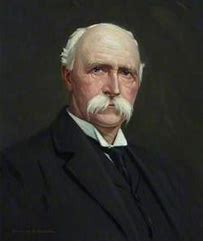

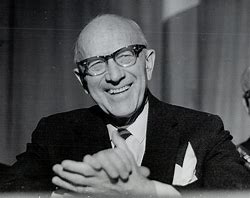
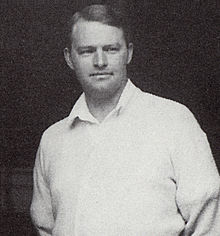
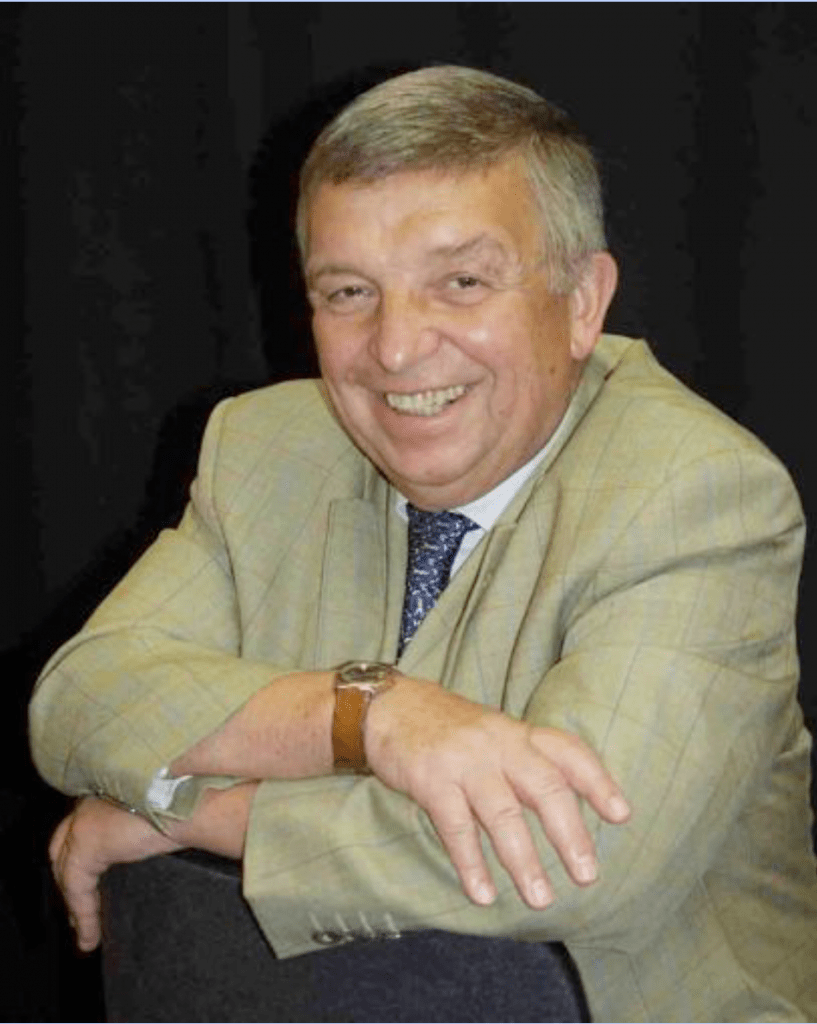
Schwartz identifies Wiliam Macewen (upper left photo) as the pioneer of neurosurgery. He notes Harvey Cushing (upper right photo) is referred to as the “Father of Modern Neurosurgery”. Cushing was the first to employ X-rays to diagnose brain tumors and introduced the use of the elector-cautery device to minimize blood loss during surgery. Dr Wilder Penfield (middle left photo), a Canadian neurosurgeon pioneered brain mapping by stimulating the brain with mild electrical shocks. Brain mapping gave neurosurgeons a guide that let them know what areas of the brain would be affected when making decisions on diseased tissue removal. Microsurgery on the brain is pioneered by Carl Nylen (middle right photo) in the early 1900s. In modern times, Dr. Wolfgang Draf (bottom photo) began using a skull cap microsurgery device to remove brain tumors through nasal passage access. This less intrusive form of brain surgery is used and detailed by the author.
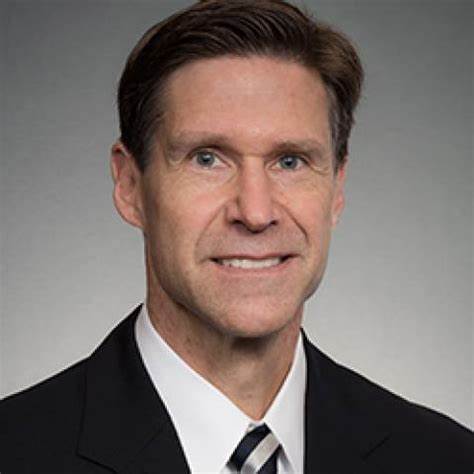
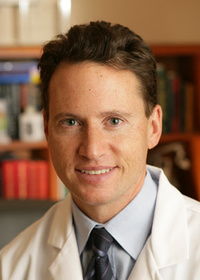
Dr. Kris S. Moe (Board certified surgeon at UW Medical Center, University of Washington Facial Plastics and Reconstructive Surgery.)
Schwartz explains one of his most important training experiences was in Seattle Washington with Dr. Kris S. Moe. Moe pioneered what is called transorbital neuroendoscopic surgery (TONES) that influenced the field of minimally invasive neurosurgery. Schwartz explains how Moe would test patients during an operation to identify areas of the brain being affected during treatment for tumor removal. Schwartz gave the example of a series of pictures shown on a monitor seen by the patient during surgery. The patient is asked to name the object in the picture as the surgeon is operating to determine whether the tumor being excised affects his/her ability to identify the image. In Schwartz first attendance at one of these surgeries, he accidentally spilled the pictures across the operating floor. Moe directed him to reassemble the pictures and went on with the surgery when they were reassembled. The embarrassed Schwartz admired Moe because he never brought the incident up after it happened and completed the operation without criticizing Schwartz.
Two points that offer the greatest value in Schwartz’s history of brain surgery is that those who survive become different human beings, sometimes disabled or cognitively impaired. The second–those who need a neurological operation should look for an empathetic doctor who limits his/her excision of brain matter to what science knows of its consequence.

 REVIEWS AND VIEWS OF LIFE