

Audio-book Review
By Chet Yarbrough
Blog: awalkingdelight
Website: chetyarbrough.blog
This is Happiness
By: Niall Williams
Narrated by: Dermot Crowley

Niall Williams (Irish author and playwriter born in Dublin.)
There is poetry in Niall Williams’ story of a young boy’s life in Ireland in the 1950s. William’s hero is a young boy, nearing manhood, who grows close to a 60 something adult. At an earlier time of the 60-year-old’s life, he jilts a woman on their wedding day. The 60-year-old’ wishes for forgiveness from the jilted woman who marries a pharmacist who dies some years after their marriage.
Whether idyllic or real, “This is Happiness” reminds listeners of the difference between life as it is, life as remembered, and life as it ends.
The young hero thinks the older friend wants to rekindle the relationship but finds his older friend is principally looking for forgiveness. Compounding the hero’s confusion is the older woman’s reluctance to either acknowledge the event or countenance any forgiveness for her jilting fiancé.

The hero works on the electrification of Ireland. He works with the jilting groom to negotiate with Ireland’s landowners on the physical placement of electrical poles to be installed across the country. Ireland’s leadership negotiates with Finland to buy 1,000,000 trees.
The jilting groom is working for the company that is to install the poles, but his primary motive is to meet with the woman he left at the altar. They meet but no mention is made of their past acquaintance and his disreputable behavior. When the young boy hears the story from his older friend, he grows to believe he has some obligation to reconcile the two. His friend had married and divorced while the jilted bride marries a pharmacist whom she marries after her fiancé stands her up. The young boy believes neither his friend nor the jilted bride will be happy without forgiveness.
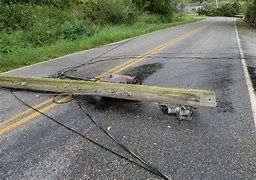
An accident occurs when a pole falls on the young boy and he is taken to a doctor who has three daughters near the young boy’s age.
As he comes to his senses in the medical treatment room, he sees one of the older daughters whom he thinks he loves. The boy’s infatuation grows with the first daughter he meets but later he is surprisingly asked by a younger sister to go to the movies. The younger sister introduces the hero to kissing at the local theater. He begins to think of this younger daughter as something more than a friend. A third daughter is introduced, and the boy concludes he is in love with all three of the doctor’s daughters.
A young boy’s confusion about life’s happiness is his first inkling of love for one and then all three of the physician’s young daughters. Obviously, this is not love but youthful infatuation.

Williams cleverly ties his story together with Ireland’s electrification and power line connections that have to be installed throughout the country. The story of electrification is complicated. There are religious differences, private property, and social concerns of its citizens.

The complication of tying the nation together with a power system is like the complications of building and maintaining human relationships.
The hero works on the electrification of Ireland, works through his dalliance with one of the doctor’s daughters, sadly loses his mother to illness, and chooses a life in the church. He cares for the woman left at the altar with respect for her failing life from old age and an undisclosed illness. The young man learns how one should care for one nearing death. One sees in the dying a sense of acceptance but a wish of the dying to control what remains in their power to control. The care giver needs to respect the dying’s limited power and help only where help is asked or needed.

At last, the jilted bride and errant groom begin to talk about what happened on the date of their unconsummated wedding.
The explanation by the groom may be a lie or an Irishman’s tale, but the jilted bride tells him there is no need for forgiveness. She implies there is nothing that can be done to change the past. In the end, she forgives the errant groom, enjoys his company and the stories he has to tell. She dies with knowledge of the love and care of the people she knows.
The mythical town of Faha, Ireland is a community where knowing is accompanied by responsibility for care of the living, dying, and dead. There are no secrets. Happiness is within the person who chooses to be happy, regardless of life’ events and circumstances.

 REVIEWS AND VIEWS OF LIFE