

Audio-book Review
By Chet Yarbrough
Blog: awalkingdelight)
Website: chetyarbrough.blog
Golden Hill (A Novel of Old New York)
By: Francis Spufford
Narrated by: Sarah Borges

Francis Spufford (Author, received the 2017 Desmond Elliot Prize and Costa Book Award for “Golden Hill”, the author’s first novel.)
Francis Spufford captures a listener’s interest in “Golden Hill” with the idea of an Englishman sailing from London to New York City in 1746. New York City has a population of maybe 20,000, while London is a city of 630,000 to 740,000. What would a young Englishman with a 1,000-pound Bill-of-Exchange want in traveling from London to New York city? In today’s dollars 1,000 pounds would be over $127,000. The hero’s reason for leaving London for New York is not given until the end of Spufford’s story.

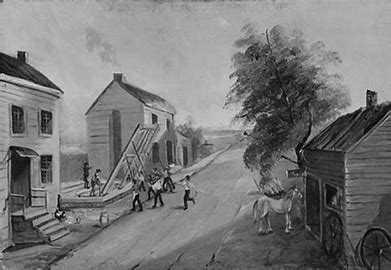

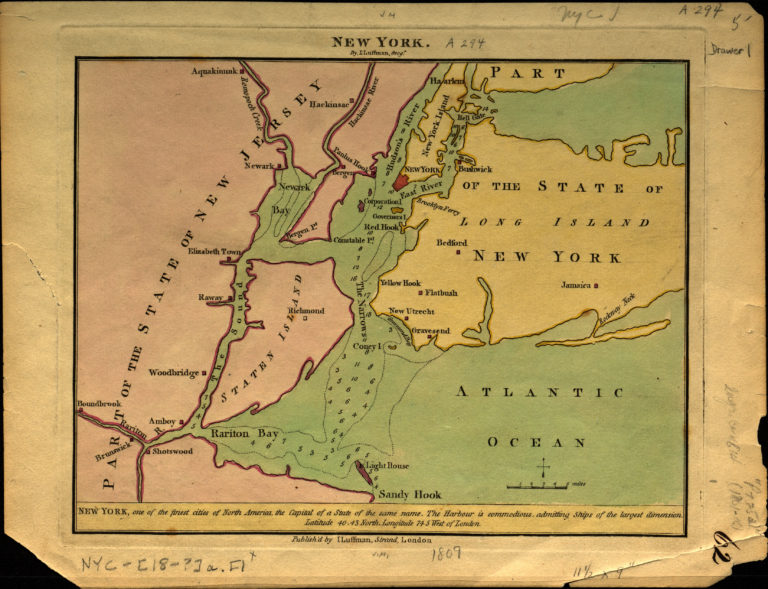
This is New York city in the 18th century. One could walk around the city in a day with its circumference less than a square mile.
This is a fascinating beginning to a story that gets bogged down by too many incidents that are mystifying until the last chapters of the book. The incidents are relevant to what it must have been like in 1746 but some listeners will become impatient for answers that could have been explained earlier.
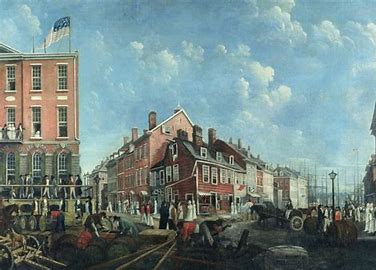
New York City in 1746 is a mecca for protestants from many parts of the world. Spufford implies many New Yorkers are Dutch, a prominent ethnic group in wealthy New York.
Spufford’s hero is found to have a deep understanding of the theatre and its impact on an audience if an actor’s parts are well played. He attends a bad play that has an actress who, in spite of her poor lines, shows talent he recognizes. His appreciation of her acting leads to an unforeseen tragedy. This becomes a clue to the traveler’s perception of others and how unintended consequences impact one’s life. He seems to walk through life as though the City of New York is his stage. He plays his part, but his acting chops end with a mixed review.
Spufford’s hero appears to be accepted by the influential citizens of the city. At least, until it appears the Bill-of-Exhange is not going to be honored. The hero is thrown into debtors’ prison.

Debtors’ prison is an interesting place to write about. Spufford reflects on its barbarity in a confrontation with a fellow prisoner. The Bill of Exchange is eventually honored, and the hero is released. The next chapters address the repatriation of the hero to the Poo Bahs of the town and a woman of interest becomes more enamored with the traveler. The profile of the woman is somewhat unbelievable because of her implied business influence in a time when women have even less power than today.

The hero attends a party set up by leading members of the city that is, in part, to apologize for his mistreatment and to carry out whatever his mission is in the city. An interesting historical point of the apology is that America is primarily a barter system of exchange. Even though the traveler’s security is in English pound sterling, any negotiation for exchange is in goods, not cash. This is fine for the traveler’s purpose, but it reflects a point in American history that is often forgotten. There is no full faith and credit of a bank with gold or some other form of value to back-up American currency.

An interesting point Spufford reminds listeners of is the American’ anti-Catholic sentiment of the time.
One realizes how important Protestantism is in the foundation of America. The hero is almost killed by a mob that believes the traveler is a papist. Some historians have noted Protestantism is one of the deepest biases of early American citizens.

The reason for the hero’s appearance in New York is explained at last. To avoid discouragement of listeners, the purpose of the hero’s journey is not disclosed. “Golden Hill” is an interesting commentary on the tenor of an historic time, and it reveals some founding principles that trouble America to this day. The criticism of Spufford’s story is that it is too clever by half with a denouement too long in its revelation.

 REVIEWS AND VIEWS OF LIFE