

Audio-book Review
By Chet Yarbrough
Blog: awalkingdelight)
Website: chetyarbrough.blog
Detroit Resurrected: To Bankruptcy and Back
By: Nathan Bomey
Narrated by: Jonathan Yen

Nathan Bomey (Author, reporter at Axios, former writer for USA Today and the Detroit Free Press.)
Why is Detroit’s bankruptcy relevant to any American who does not live or plan to live in Detroit? The answer is–Nathan Bomey’s history of Detroit’s “…Bankruptcy…” defines American Democracy.

The story of Detroit’s bankruptcy exemplifies American Democracy’s strengths and weaknesses.
American Democracy’s strength is shown by Detroit’s recovery from bankruptcy in less than a year and a half. On the one hand, Democracy’s weakness is shown by the arrest of its corrupt Detroit Mayor, Kwame Kilpatrick, who is convicted for racketeering and theft that results in a 28-year prison sentence. (Compounding that weakness is the oft indicted and vilified American President, Donald Trump, who commutes Kilpatrick’s sentence after 7 years of his 28-year sentence.)
Kwame Kilpatrick (Mayor of Detroit 2002-2008.)

Detroit’s debt reaches back to Coleman Young’s tenure as Mayor of Detroit; not because of theft or malfeasance but because of the desire of the mayor to make Detroit better. Coleman is characterized as a polarizing figure whose combativeness endeared him to blacks but riled some white Detroit residents. Some suggest Young is unfairly judged by his detractors.
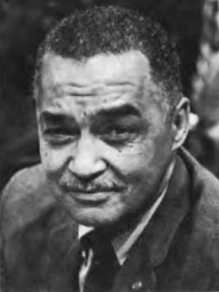
Coleman Young (Mayor of Detroit 1974-1993, Born in 1918, Died in 1997 at the age of 79.)
Young was the first African American to lead a major American city (the fifth largest city in America at that time). He completed a number of public works like the Renaissance Center, the Detroit People Mover, and the Joe Louis Arena.
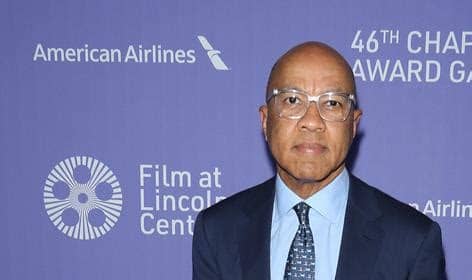
The Americans pictured below come from many different walks of life, with Republicans, Democrats, Independents, racial, religious, and ethnic differences. They are charged with a responsibility to heal broken promises between American citizens and their local government. The following pictures are only a partial list of “movers and shakers” showing the diversity of Americans who martialed settlement of an $18 billion dollar debt to achieve the goal of getting Detroit out of bankruptcy.



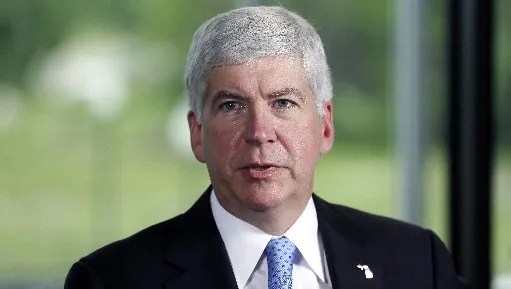
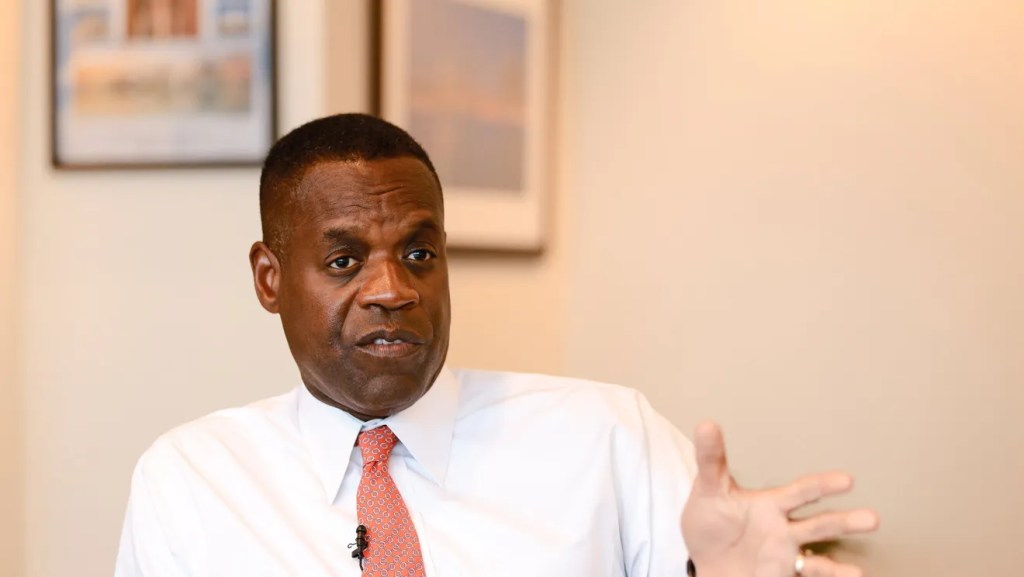




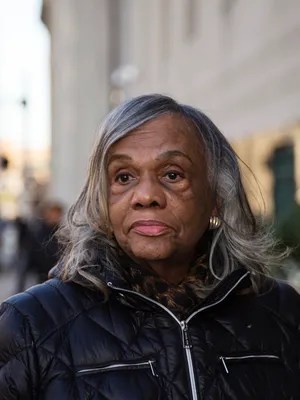

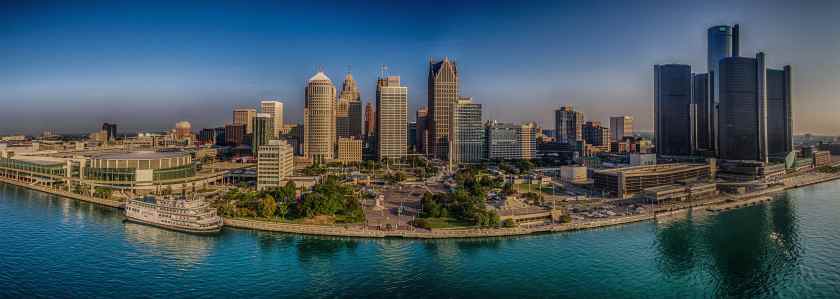
The city of Detroit filed for Chapter 9 bankruptcy on July 18, 2013, with a city approved plan on November 7, 2014. That plan paves the way for its exit from bankruptcy. Chapter 9 is a form of bankruptcy that only applies to American local governments because of their continuing responsibility for public service while declaring bankruptcy. It is similar to a Chapter 11 bankruptcy, but a local government’s reorganization requires a state-appointed oversight board to review actions by the reorganized government body. The difference between Chapter 11 and Chapter 9 is that Chapter 11 eliminates an enterprise while Chapter 9 leaves a government jurisdiction in place because of its continuing public responsibilities (the provision for the health, safety, and welfare of its citizens).
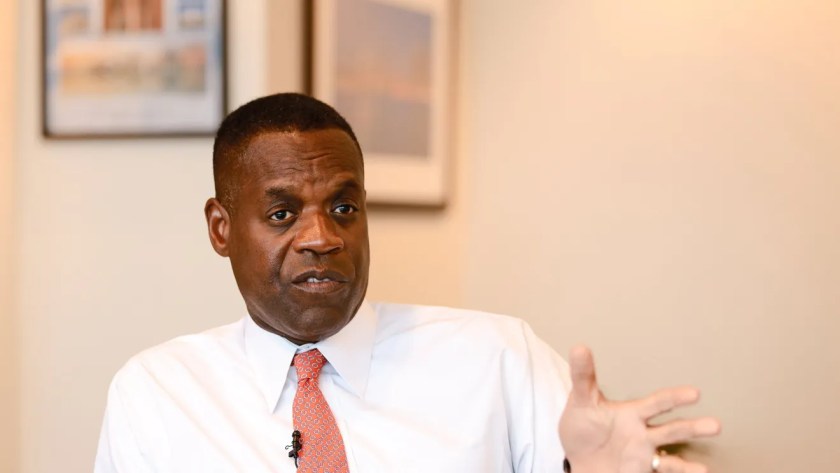
Bomey’s history infers no one could have done more than the middle-aged attorney, Kevin Orr, in his management of the Detroit bankruptcy. Orr is a successful bankruptcy attorney in the Jones Day legal firm who agrees to leave the firm to manage Detroit’s fiscal crises through what promises to be a complicated and difficult bankruptcy. Orr’s ability to gain support of the governor of Michigan, Rick Snyder is the beginning of a partnership to save the motor city. These two men set the table for a “…Resurrected” Detroit.
Chapter 9 is a complicated process because it involves so many assets and liabilities that have to be reconciled while continuing care for local government’s citizens. This is the job taken by Kevin Orr. In addition to a city’s physical assets and their maintenance, Orr is the responsible managing agent for Detroit’s underfunded and poorly staffed services. Both working and retired employees of Detroit expect to be paid for present and past work for the city. The money needed to carry out that responsibility requires everyone to take a financial “haircut”. The magnitude of responsibilities in a city of 639,000 residents and thousands of pension-dependent former employees seems impossible. All of Detroit’s citizens and pensioners are at the mercy of a judicial system and Orr’s administration, over which they have no control and limited influence. Bomey explains how Orr’s impossible task is systematically accomplished with the help of Americans coming from nearly every ethnic, religious, and racial category in America.
Settlement of Detroit’s bankruptcy is approved by U.S. Bankruptcy judge Steve W. Rhodes on November 12, 2014.
- The city would receive $194.8 million from the state of Michigan over a period of 10 years to help fund the city’s pension system. (a bail out approved by the Governor, Rick Snyder)
- The city would issue $1.28 billion in bonds to pay off its creditors. (Pennies on the dollar.)
- The city would transfer control of its water and sewer department to a regional authority .
- The city would create a nine-member financial review commission to oversee its finances for at least 13 years.
- The Detroit Art Collection would remain intact without jeopardizing an estimated value of over a billion dollars.
The settlement is no bed of roses for past and present Detroit employees or for investors and banks that financed Detroit’s former mishandling of government business. Pensions were cut by 4.5% with eliminated future cost-of-living adjustments and steep reductions in medical coverage for citizens who are the least likely to be able to afford an income reduction. Both UBS and Bank of America had to right off much of their loans to Detroit. Bond holders had to settle for pennies on the dollar.
Bomey’s history of the Detroit bankruptcy shows human freedom, within the framework of rule-of-law, releases the great strength of human diversity and creativity. Without freedom, diversity, and creativity Bomey shows how and why governments fail, i.e., either sooner or later. That is the lesson of Bomey’s history of “Detroit Resurrected”.

 REVIEWS AND VIEWS OF LIFE
One thought on “AMERICAN DEMOCRACY”