

Books of Interest
Website: chetyarbrough.blog
“Tomorrow, and Tomorrow, and Tomorrow” A Novel
By: Gabrielle Zevin
Narrated By: Jennifer Kim, Julian Cihi

Gabrielle Zevin (American author, screenwriter, Harvard graduate.)
Listening to fiction is considered by some to be a waste of time. What is missed by that opinion is the insight authors have of the society in which they live. As a reviewer from the baby boom generation, it is interesting to find what an author of the 1977 to 1983 generation (called Xennials) think about American life. Xennials grew up in the gaming generation, gaming is an experience some in the “boomer generation” do not understand and have little interest playing.
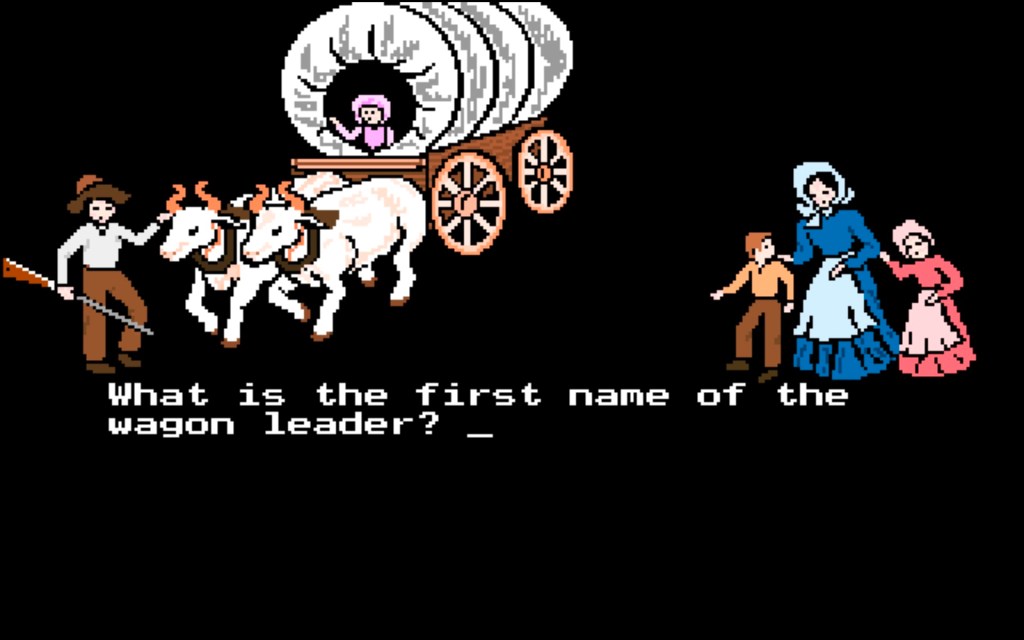
Gabrielle Zevin writes an insightful introduction to her view of the Xennial generation’s view of 21st century American society. The author’s insight is limited to an estimated 10 percent of the Xennial population because her main characters have high intelligence quotients. Her characters have intellectual tools that get them into an Ivy League university. Zevin offers a vivid picture of high achievers in America.

Gaming is viewed by many Boomers as a waste of time and money but to those in the industry, it is a way to gain wealth and fame. Gaming is a sophisticated way to represent life in a virtual world.
Whether rich, poor, educated, or uneducated, gaming has an appeal to many who wish to escape the real world. Zevin tells a story of her generation and how a few become wealthy in the gaming industry. Her clever story shows how three teenagers from different racial, economic, and social backgrounds become successful entrepreneurial gamers. The only common denominator of her main characters is higher than average intelligence but despite that qualification, their life’ experiences have broad appeal to a listening audience.
“Tomorrow…” begins in a hospital with Sam and Sadie. Sam is in the hospital because of a crushed foot from a sports car’ accident that kills his mother.

Sadie is at the hospital because she is visiting her sister who has cancer. Sam and Sadie meet in a commons area of the hospital where Sam is playing a computer game. Both are high school age and are familiar with computer gaming. Sam responds to Sadie’s questions about the game he is playing. Reader/listeners find this is the first time Sam has talked to anyone for the weeks he has been in the hospital. When the nurses find that Sam is talking to Sadie, they ask her to visit regularly to aid Sam’s recovery. The two children become friends.

When Sam finds Sadie was visiting him because of the nurse’s ask, he is upset because it implies Sadie does not necessarily care for him as a friend.
As a young boy, Sam chooses to reject Sadie’s friendship. Some years after their breakup in the hospital, Sam sees Sadie catching a local train near Harvard, a university they are both attending. Sam calls out to Sadie, and they have a brief conversation. They become reacquainted and eventually renew their friendship. This renewal is a lesson about misunderstandings between people and false beliefs about each other because of poor communication. The story goes on to illustrate consequences of other relational misunderstandings.
Sadie takes a class on programing from a Harvard professor who becomes Sadie’s lover, another human relational mistake. The professor is married, and the relationship evolves into one of physical abuse.

The professor returns to his wife and Sadie decides to move to California with her friend Sam to start a company with the help of Marx, a friend and roommate of Sam’s at Harvard. The money for a gaming company start-up presumably comes from Sadie’s and Marx’s upper-class families. All three are Harvard graduates but Sam is a scholarship student that has little money. Their first invented game is a financial success. Start-up money is undoubtedly important, but it is the intelligence and education of the three characters that makes the company a success. Their company and their social relationships evolve. Their second game is a dud, but future games continue their business success.

There are stresses in the relationships between these three entrepreneurs.
Sadie is initially the more expert programmer of the two coders (Sam and Sadie). She is somewhat frustrated by Sam’s public face for the company because of his public identification with the gamer’ character created in their first successful game. She resents the public’s belief that Sam’s coding for the company and its success are more important than her technical contribution. Sam and Sadie come close to abandoning their friendship because of the public’s perception of the creators’ successful game release.
Sadie eventually marries Marx, the business manager, with Sam somewhat ambivalent about their relationship.

Despite Sadie’s discontent about Sam’s identification with their success, Sam grows jealous about her relationship with Marx. The three characters deeply love and respect each other but the dimension of intimacy between Marx and Sadie become a stressful dynamic for the trio. This is life, and all people of any age, education, or intelligence can see themselves in Zevin’s story.

Nearing the end of “Tomorrow…”, Marx is killed by a bullet from two gunman who storm the gaming business’ office because of Sam’s support of same-sex marriage in their latest successful game.
Sadie is pregnant and is grief stricken by Marx’s death. American gun violence and hate crime are shown by the author as a measure of modern times. The name of the gaming company that Sadie, Sam, and Marx form is “Unfair Games” which seems an ironic assessment America society.
Unlike a gamer’s reboot of virtual life, real life does not reboot. One wonders if gun violence in America is influenced by gaming, as well as Americans’ misrepresentation of the “…right to bear arms” in the Constitution of the United States.

 REVIEWS AND VIEWS OF LIFE