
Blog: awalkingdelight
Books of Interest
Website: chetyarbrough.blog
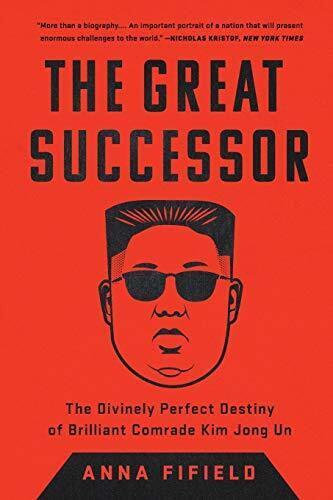
“The Great Successor”
“The Divinely Perfect Destiny of Brilliant Comrade Kim Jung Un”
By: Anna Fifield
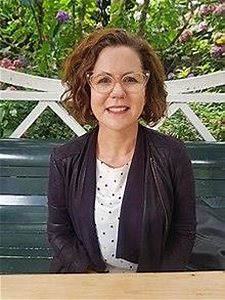
Anna Fifield (Author, Asia-Pacific editor at The Washington Post.)
Anna Fifield offers a cloudy picture of today’s authoritarian leader of North Korea in “The Great Successor”. The reclusive and secretive nature of North Korea’s leadership makes Fifield’s analysis of Kim Jung-Un somewhat compromised. Her analysis is based on interviews of estranged North Korean’ exiles, other book writers, and news reporters about a regime that is notoriously opaque.
Despite the potential bias of secondhand information, Fifield shows a leader who exercises despotic control over 26 million people.
Kim Jung-Un (Supreme leader of North Korea.)

Fifield argues that North Korea’s government control is based on a cadre of carefully screened and highly benefited sycophants that obey Kim Jung-Un’s orders. At the age of 28 or 29, on December 17, 2011, Kim Jong-Un became the leader of North Korea after the death of his father, Kim Jong-il.

Kim’s most definitive action after appointment is to discredit his uncle, Jang Song-thaek who had government power and great influence in North Korea’s relationship with China and other sympathetic countries.
Fifield suggests Kim Jong-Un’s youth required assertiveness for him to show leadership legitimacy. The 67-year-old, Jang Song-thaek is accused by Kim of attempting to overthrow the state. He is executed on December 11, 2013, two years after Kim’s ascension. Fifield argues this action by Kim sent a message to his government employees and the public that he is in charge of North Korea.
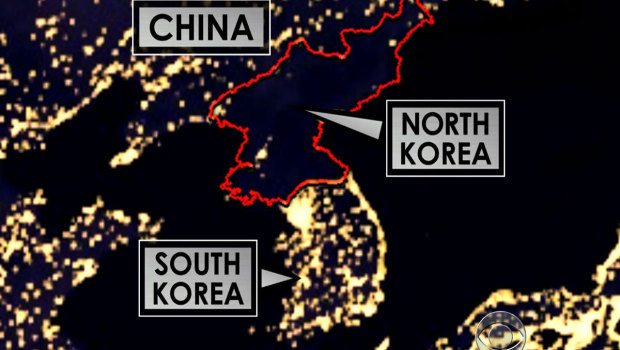
Fifield notes two critical factors that aid Kim Jong-Un’s control of North Korea. One is the fear created by his governments control of surveillance and propaganda. The other is his tolerance for an underground capitalist movement that bribes public officials while providing citizens added income.

Fifield infers Kim Jong-Un is smart, his actions calculated, and his control of the country formidable. A primary example of Kim’s calculation is the story Fifield tells of his negotiation with President Trump. Kim manages to be the first leader of North Korea to meet with a President of the United States. Trump complimented Kim as a “strong guy”, a “great negotiator” and that he had a “very good relationship with him”. Fifield explains Kim’s success with the nuclear bomb program encouraged him to redirect his focus to modernizing the country and its economy.
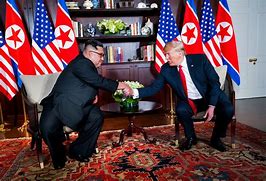
Kim praised President Trump while leaving the idea of nuclear disarmament as a possible negotiable issue in return for American help with the economy. Fifield suggests Kim has no intention of abandoning his nuclear bomb program.
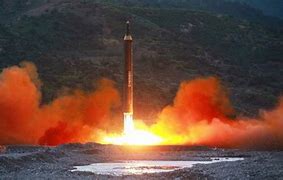
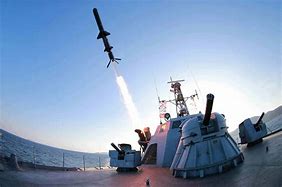
Fifield suggests Kim’s focus became the economy with an increased incentive to normalize relations with America. (In 2023, Kim’s failure to improve relations seems to have reignited his nuclear bomb ambitions with more testing and further rocket delivery tests.)
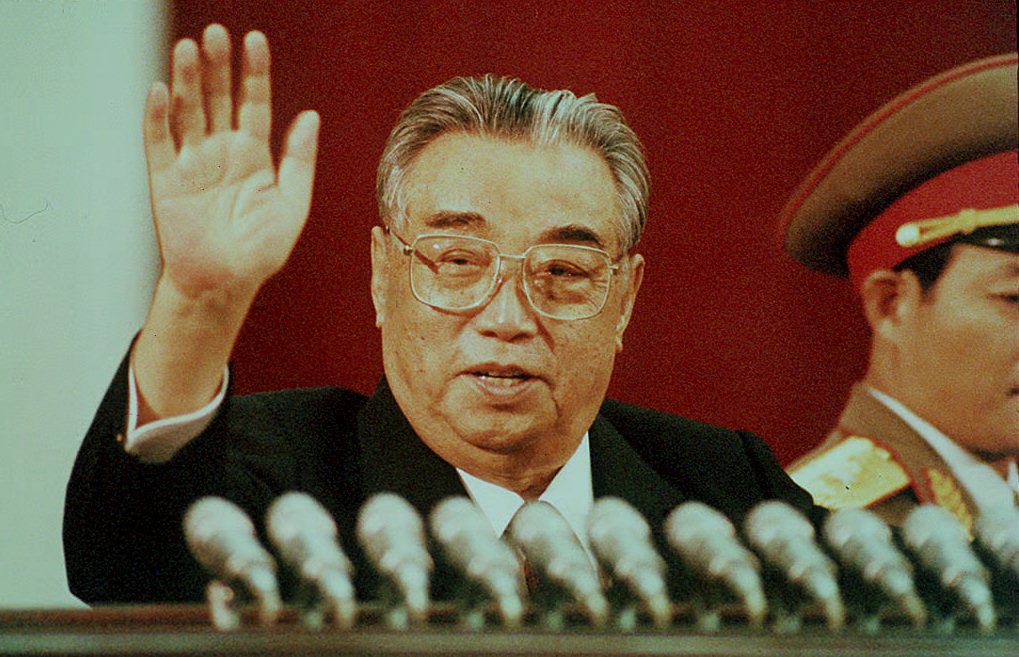
Very little was known about Kim Jung-Un before his ascendence to leadership. He received his early education in North Korea and Switzerland. He was strongly supported by his mother who promoted him to the then leader of North Korea, Kim il Sung, who wanted continuation of the Sung dynasty, the Mount Paektu bloodline, of which Kin Jun-Un represents.

Kim Jung-Un has two sisters, one half-brother, and one brother. The younger brother, born in 1981, Kim Jong-chul (on the lower right), lives a low-profile life in Pyongyang with no interest in government. The half-brother, Kim Jon-nam, was assassinated in Malaysia in 2017. The older sister, Kim Sul-song (upper left) is a worker in the propaganda department that supports Kim Jong-Un and his leadership but has more recently been sidelined. A sister who is younger than Kim Jung-Un is characterized as a publicity diplomat. She appears accommodating within the limits of Kim Jun-Un’s influence and control.
Fifield’s book is interesting but not particularly enlightening. Kim Jung-Un may be on the world stage for a long time. The Ukraine invasion by Russia, along with China’s support gives North Korea added weight in world affairs. Like the longevity of Putin, and Assad, Kim Jung-Un is as likely to stay in power as long as the people who protect him are living better lives than the majority of their country’s citizens.

 REVIEWS AND VIEWS OF LIFE