
Audio-book Review
By Chet Yarbrough
Blog: awalkingdelight)
Website: chetyarbrough.blog
Heart: A History
By: Sandeep Jauhar
Narrated by: Patrick Lawlor

Sandeep Jauhar (Author, Cardiovascular Physician, opinion writer for The New York Times.)
“Heart” is a history of cardiovascular medicine, personalized by Sandeep Jauhar, a cardiovascular physician. Jauhar’s history of cardiovascular medicine is not for squeamish listeners. It is a personalized account of advances in cardiovascular medicine by a physician whose personal life is interwoven with the ravishes of heart disease. Jauhar addresses the history of heart ailments, his family, his patients, and physician/inventors who advanced the treatment of heart disease.
Heart disease remains the top medical cause of death according to the Centers for Disease Control and Prevention (CDC) and other statistical agencies.

Jauhar notes the heart is a critical organ of the human body, but its essential function is as a pump for blood. It is a muscle. With its contraction, blood carries the nutrients and oxygen of life to organs of the body. When that pump malfunctions or stops, life is in jeopardy. Jauhar’s history of the “Heart” recounts advances in medical treatment for the heart’s repair and maintenance.

There are several reasons why Jauhar’s history is difficult for listeners to hear.
- Many of the most important advances in cardiology are dependent on animal experimentation before human application. To animal lovers, the thought that animals, whether they have awareness or not, are used to test pacemakers, heart transplants, and human drug treatments for heart ailment. Their earts are stopped and restarted. Animals die from tests being run by doctors and clinicians searching for answers and treatments for heart disease and other medical maladies. The human reason for this method of research poses the question–who would want sons, daughters, or parents treated without tests for the unknown consequences of experimental drug treatments and physical interventions?
- Descriptions of pain and anxiety of heart disease symptoms are explained with details that may scare listeners who have been diagnosed with heart disease.
- The balance between living and dying, pain and nothingness, is a constant presence in conversations between physician and patient. Stories of individual patient and mass casualty events are a part of Jauhar’s history of “Heart” disease and treatment.
- Jauhar views major advances for heart disease treatment are near their end in the 21st century.
Jauhar offers many stories showing how research and great inventions have mitigated the consequences of heart disease. The key to that observation is that inventions and interventions mitigate but do not cure the disease.
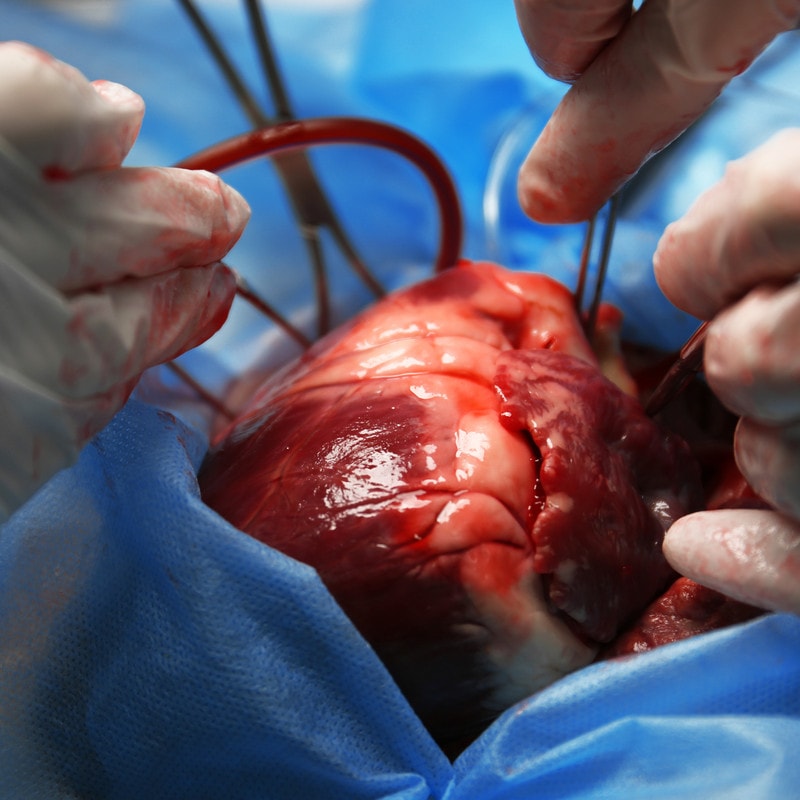
Jauhar explains an abnormal heartbeat called an arrhythmia led to the invention of an implanted mechanical electrical conduction system to automatically shock the heart when an arrhythmia occurs in a patient. The shock can be painful. However, without that shock, an arrhythmia stops the flow of blood to vital organs which may lead to death or disability. The idea of the shock creates anxiety in some patients that can induce further arrhythmia which repeats the shock. Jauhar reports one patient asks to have the implant removed because of its repeating shocks. Jauhar notes the patient dies soon after the removal of the implant.
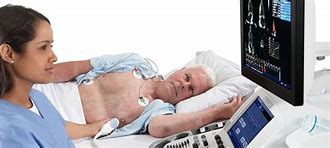
Three-dimensional echocardiography has significantly improved diagnosis of cholesterol build-up in blood vessels that can be mitigated with drugs. Statins have been shown to reduce high cholesterol. As with any drug therapy, there are unintended consequences when something new is introduced to one’s blood stream. Muscle pain, digestive problems, and mental fuzziness can be side effects from statin treatment. As one grows older, the first two may be manageable but with age who wants to be fuzzy headed. Clarity of thought seems more and more a sadly missed luxury as we age.


Jauhar notes better diet and exercise, and no smoking are important benefits to those who have hereditary heart disease. Jauhar suggests anger management and quieting one’s thoughts through meditation offers benefits to those who suffer from heart disease. Don’t get mad and don’t try to get even because both aggravate the heart muscle.

Jauhar explains a number of inventions have led to short- and long-term treatments for cardiovascular diseases. From the example of stab wounds to congenital heart malfunction, the medical profession has invented machines that can take over the hearts’ function during surgery. More time for operation on the heart is provided to the surgeon with the use of the artificial heart pumping machines.

Christian Barnard (Resident surgeon at Grotte Schuur Hospital in Cape Town, S. Africa, Born 1922. Died 2001.)
Heart transplantation’s history is reviewed by Jauhar. The first heart transplantation was by Christiaan Barnard in 1967. The patient lived for 18 days after the surgery. The average life span for a heart transplant has risen to 10 years but the supply of healthy human hearts limits its potential. Jauhar notes the Jarvik-7, named after its inventor, is the first mechanical heart pump but its refinement has failed to repeat the success of human heart transplants. Its practical use has been limited to short term use for time to find donated hearts and extend patients’ lives during surgery.
Jauhar tells of his experience in New York on 9/11. It is a horrific story told by many writers but not with any more stomach-turning clarity than that which a participating doctor imparts.

Jauhar ends his book with the loss of his mother who may have died from a heart attack. He suggests there are other conditions that may have led to her death, but his point seems to be–live as healthy a life as you can because death is a part of every life, and fulfillment is in one’s health.

 REVIEWS AND VIEWS OF LIFE