

Audio-book Review
By Chet Yarbrough
Blog: awalkingdelight)
Website: chetyarbrough.blog
The Dream Palace of the Arabs
By: Fouad Ajami
Narrated by: Qarie Marshall
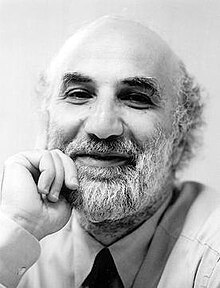
Fouad Ajami (Author, Lebanese American, professor and writer on Middle Eastern issues.
Fouad Ajami’s book should be listened to more than once, particularly by those who have little understanding of Middle East culture. Earlier, “The Dream Palace of the Arabs” is unsatisfactorily reviewed.
After re-listening to Ajami’s book, a major point missed in the first review is Ajami’s poignant and tragic examples of Arab despair in the Middle East.

That despair is not about freedom but about care for traditions of the Middle East’s ancient and diverse cultures. The monumental discovery of oil roiled religious and ethnic differences in the Middle East. Foreign and local self-interests interfered with the peripatetic freedom of Arab cultures. Adding to that loss of freedom, the discovery of oil changed the relationship between rulers and the ruled.

Just as America is made of many races, ethnicities, and religions, it is the responsibility of government leaders to care for all its people.
In the 21st century, the Middle East has established borders even though they may not be of their citizens own choosing. The responsibility of leaders in any country is to care for their citizens. Government leaders that have recognized borders are responsible for the care of everyone within their country. When leaders fail to care about all people within their borders, they risk civil war. America has, at times, failed to care for all its citizens in its young historical life. However, those failures have not, at least not yet, led to national dissolution.
Lebanon’s Golden Age 1950-1970

Lebanon became one of the first 21st century Middle Eastern countries to realize a diverse society can be peaceful and prosperous with leaders that know how to care for all citizens within its borders. It is known as Lebanon’s “Golden Age” which lasted from the 1950s to the mid 1970s when a civil war began. When Lebanon’s leaders lost sight of the necessity of care for everyone, including Maronite Christians, Suni and Shia Muslims, and Druze within their borders, peace and prosperity declined. The same loss of care for others by leadership is true in all countries of the world made of different races, cultures, and religions.

Ajami notes Sadat is assassinated because he was seduced by American influence. That influence displaced Sadat’s care for all Egyptian citizens.
This is only partly America’s fault. Ultimately, it is a respective nations leader’s decision on how to care for their own citizens. Ajami notes Saddam Husein is abandoned by his army when America invaded Iraq because he did not care for all his people. It is the same failure that may occur in Syria and Iran if their leaders fail to learn the importance of caring about all of their citizens, not just those who believe what their leaders’ believe.
Nizar Qabbani (Syrian diplomat, poet, writer and publisher, became Syria’s National Poet.)
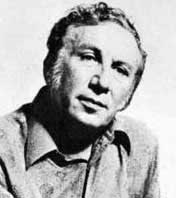
What makes the principle of “care about me” is clearly implied in Nizar Qabbani’s poem quoted in Adami’s book.
“Children of the Stones”
They stunned the world
With only stones in their hands.
They lit the lanterns, and came like good omens
They resisted, exploded and were martyred
And we remained ..polar bears
Heavily armored against heat (feelings)
They fought for us until they were killed
And we sat in or cafes like spitting oysters
One of us looking for business
One.. a new million
One.. a fourth wife
And breasts polished by civilization
One looking in London for a lofty palace
One working as
One seeking vengeance in bars
One, looking for a throne, an army a position of authority
Alas, O generation of treacheries
O Generation of deals
O generation of rubbish

Abraham Lincoln saved America just as great leaders in the Middle East may or may not save their countries.
Leadership that fails to understand and care for all citizens within its borders may last for some years but will ultimately fail. That is the point that is sorely missing in an earlier review of Ajami’s insightful history of the Middle East.

 REVIEWS AND VIEWS OF LIFE
2 thoughts on “CARE ABOUT ME”