
Audio-book Review
By Chet Yarbrough
Blog: awalkingdelight)
Website: chetyarbrough.blog
Post Corona (From Crises to Opportunity)
By: Scott Galloway
Narrated by: Scott Galloway

Scott Galloway (Author, Professor of Marketing at NYU Stem School of Business, founder of several businesses.)
Scott Galloway is a professor of Marketing at NYU’s business school. He uses his experience and education to explain what happened in America during the Covid19 crises and what it revealed about 21st century capitalism. Galloway briefly writes of his boyhood raised by a divorced mother who profoundly influences his life.
Galloway is a self-professed introvert who is both an entrepreneur and business consultant who believes there is a need for government to revise its relationship with business.
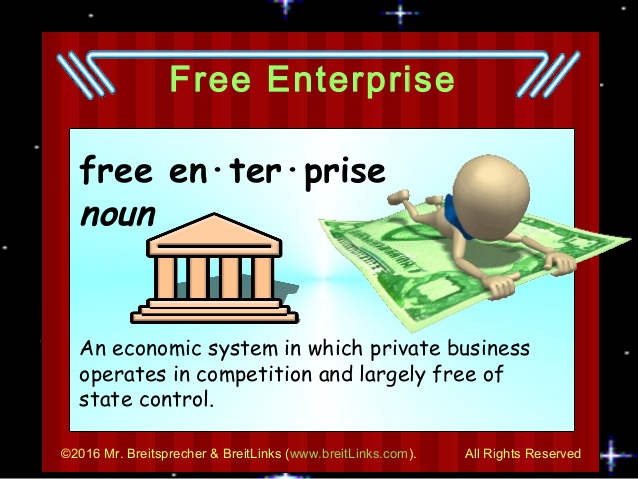
Galloway notes the great power of capitalism is based on freedom to innovate and compete in the world of business. Business produces product and service for the public in return for the cost of doing business and the hope for profit. Galloway’s primary focus is on technology companies that grew from an entrepreneur’s idea to marketplace behemoths. Galloway’s education and experience suggest American government needs to redirect publicly held businesses to change their corporate focus from protecting stockholders to protecting workers.

Galloway argues covid19 accelerated restructuring of the business world.
Business has evolved from face-to-face transaction to internet ordering and delivery. Retail and services industries were gob-smacked by loss of customers who changed their social and purchasing habits because of the contact threat from exposure to the Corona virus that killed over 1,000,000 Americans.
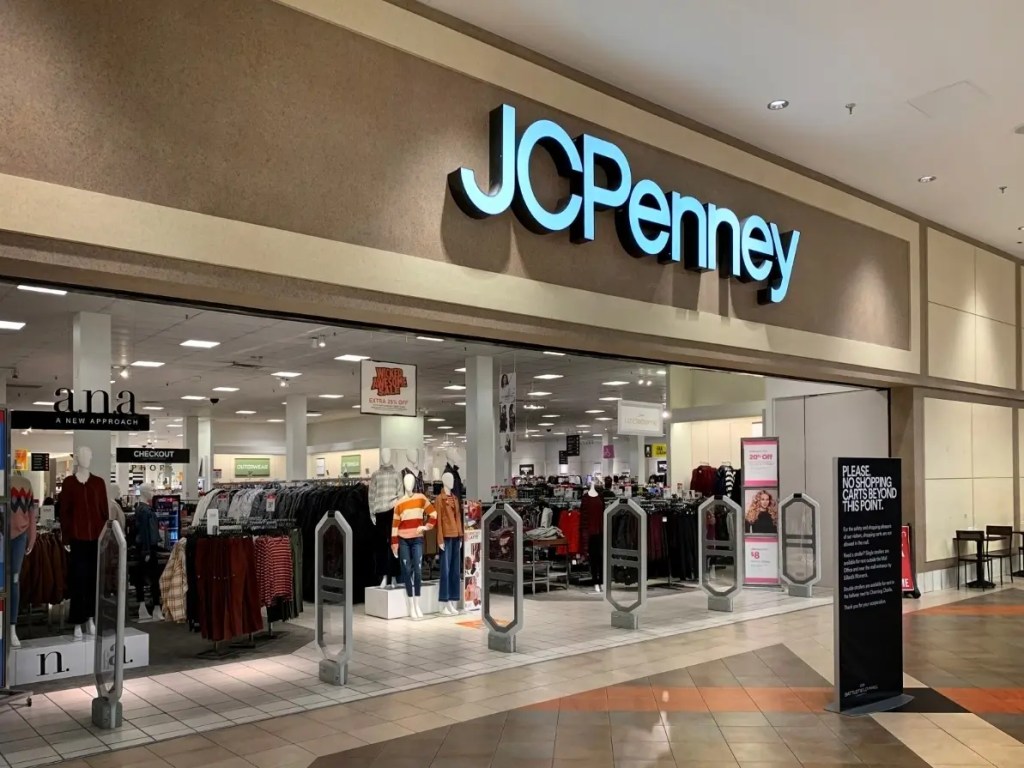
Storied companies like J.C. Penney filed for bankruptcy because they could not adjust to changed social and business environment caused by Covid19. The world is still adjusting to the consequences of the pandemic.
The commercial real estate industry is undoubtedly the next crises for the economy. Having an office or a business away from home became less important with the advent of technology. The internet reduces the requirement of human presence in a central location.

Businesses traditionally driven by touch and feel relationships were made less safe by covid19. With the internet of things and people, it became more convenient for customers to buy product on the internet and work from home. As the threat of covid19 diminished, service industries revived, particularly restaurant and entertainment industries, but on-site retail sales continued to struggle. Exceptions are box stores that offer lower prices or retailers that have mastered the art of internet sales and delivery.
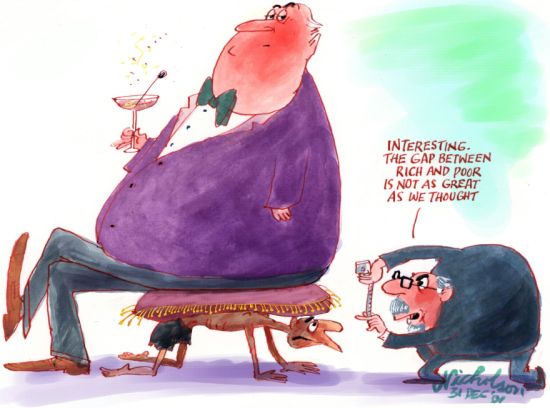
Galloway goes on to note the gap between rich and poor that diminishes human value while increasing wealth of stockholders at the expense of workers.
The median annual income of white families in America in 2019 was $188,200, Black families $24,100 and Hispanic families $36,100. Galloway suggests this unconscionable gap is caused by the failure of government to protect workers rather than stockholders as the business environment changed. Galloway suggests inept regulation by government politicians of the free enterprise economy accelerated the gap between rich and poor.
The election process is unfairly weighted away from public interest toward special interests that contribute huge amounts of money to get people elected that are beholden to their financial supporters.
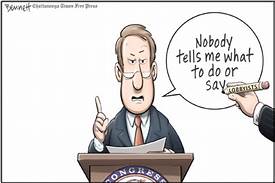
Government lobbyists paid by energy producers, internet scions, automobile manufacturers, and banks were bailed out with government protection of stockholders with little help for workers who became unemployed.
Covid19 benefited tech companies that have changed the face of business commerce in America. Galloway addresses the technological revolution that was accelerated by covid19. Their stock value accelerated at a faster rate than businesses of the industrial revolution. The tech revolution’s change in commerce was equivalent, if not greater than the agricultural and industrial revolutions of the past. The rate of change for business has been greater and more accelerated by covid19.

Amazon, Google, Facebook, Microsoft, and to a lesser extent, Tesla, Netflix, and Twitter (at least prior to Elon Musk’s acquisition) hugely benefited from social isolation caused by covid19.
Galloway optimistically suggests the high cost of education can be reduced by technology. (Maybe, but one wonders about the effectiveness of home schooling during the pandemic. Students fell behind during the pandemic.)
Galloway’s two highlighted potentials of the technology revolution that are not fully realized are education and business. Galloway argues remote learning will improve, and the cost of education will become more competitive and available to the general public. Businesses will become better managed and responsive to the needs of society as better government regulation of the tech age is realized.
The fundamental point made by Galloway is that government needs to change its focus to protection of workers rather than stockholders to realign the gap between rich and poor in the world.
Re-education classes for the unemployed.

Stockholders deserve their fate whether they win or lose the value of their investments, but workers are the driver of business success. Without protection of workers, the American economy will decline, and the influence of democratic capitalism will be diminished. Galloway infers free enterprise in a capitalist society will not regulate itself, but it will improve with prudent government regulation that serves workers first.
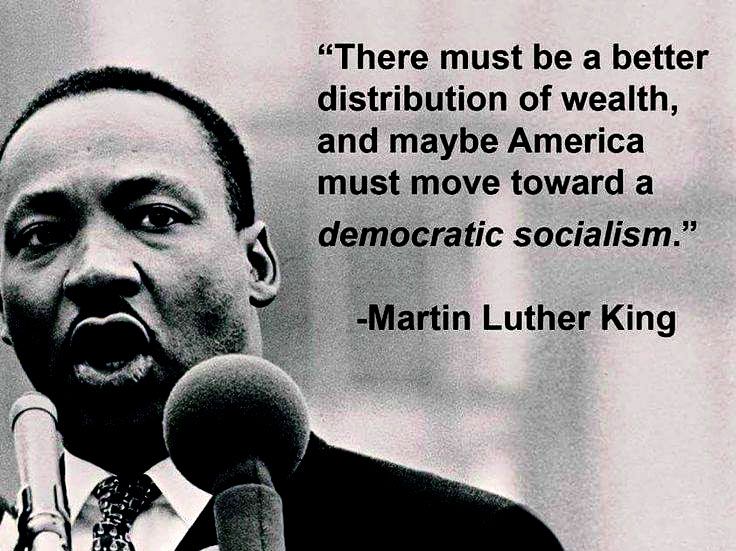
Galloway suggests the benefits of socialism will be best served by prudent government regulation of capitalism. Competition and innovation remain the blood and bone of improved economic equality, but workers are undervalued cells of that business foundation.
Galloway acknowledges the benefits of socialism but insists capitalism is the avenue for realization of the best socialism can offer a nation’s citizens. The conjunction of the pandemic and growth of technology have reduced social contact and created harmful media networks that distort truth, attack cultural difference, and exacerbate division and social conflict.
Business competition and innovation create winners and losers but if the field of play is level, society benefits. Moving fast and breaking things is the mantra of the tech world. It is up to government to regulate business to level the playing field. Galloway argues protection of workers, eliminating money’s influence on elections, and allowing stockholders to lose their investment when businesses fail are keys to improving American capitalism.

 REVIEWS AND VIEWS OF LIFE