
Books of Interest
Website: chetyarbrough.blog
Brideshead Revisited
Author: Evelyn Waugh
Narration by: Jeremy Irons
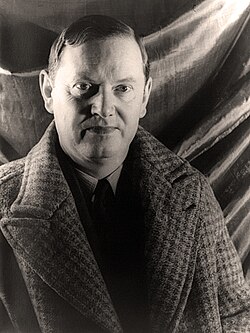
Arthur Evelyn St. Waugh (British Author, journalist, book reviewer.)
The renewed interest in “Brideshead Revisited” today makes one think of America. “Brideshead…” is a novel about Great Britain’s past. Waugh reveals a time when Great Britain is ruled by an aristocratic class that falls into ruin with the return of peace after WWII. America’s wealthy are trying to reassert themselves in the guise of the Trump administration that views America’s past as key to its revival as the most powerful nation in the world.
Trump is not a King.

Trump’s memory of the past is flawed in ways that remind one of the main characters in “Brideshead…”, i.e., Sebastian Flyte, a dying romantic, Lord Marchmain, an elderly member of the imperial class, and Lady Marchmain, a bulwark of religious and moral beliefs are symbols of a past that was religious, self-righteously moral, and wealthy. These three characters reflect the romantic notions of our President who thinks return to white supremacy and the influence of money will make America “Great Again”. Sadly, too many rich Americans and disaffected voters agree with him and manage to reelect Trump for a second term.

The trend of aiding the rich at the expense of the working class is re-invigorated by emphasis on higher education and creativity rather than the nuts and bolts of equal opportunity and economic prosperity that comes from job creation.
Brideshead castle is a symbol of past wealth and power. In Waugh’s story, Great Britain is under the strain of a past that revels in white privilege and control over the many. Similarly, rising economic inequality in America gives power to the few over the many. The theory of capitalism is that every person has equality of opportunity but in practice is distorted by human greed. People with wealth use that wealth to support candidates who believe the current system of capitalism works for them, so why change.
Trump’s tax policy will continue its top tax rate at 37% despite the government’s earlier intent to have it revert to 39.6%.
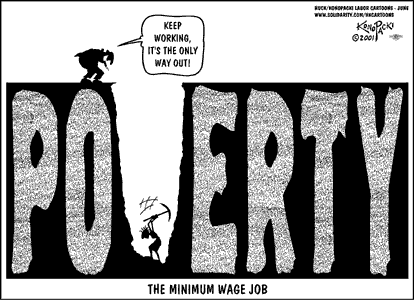
Those who achieve extraordinary wealth act like it is solely dint of effort, which is only a part of the story, not the whole story. Some become wealthy because they have the privilege of inheritance and use that to capitalize on opportunities passed on to their children by providing superior educational opportunities. Others benefit from the luck of finding a job that pays enough to risk investment in self-employment or job change that offers greater income. Those who can afford American taxation, complain about its burden when in truth the greatest burden is carried by the working class, not the rich.
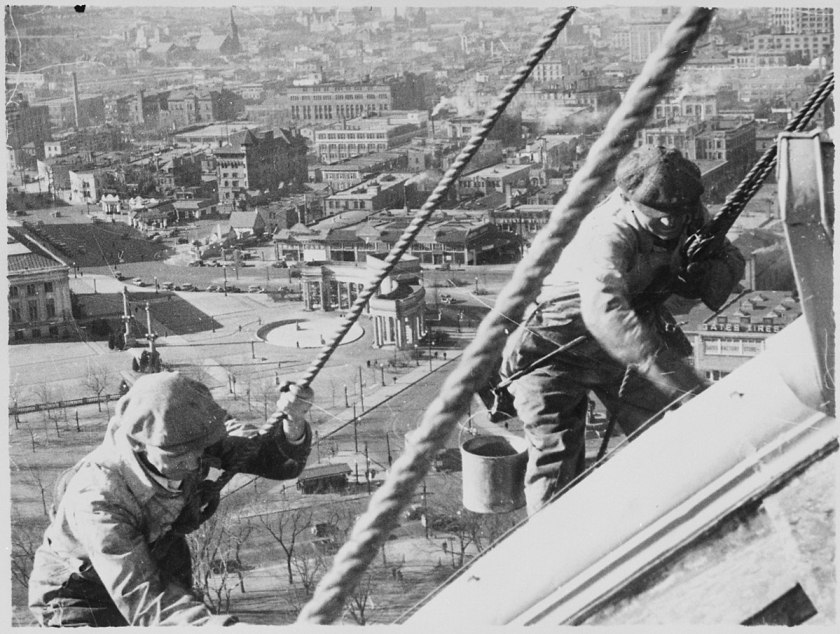
The trend of aiding the rich at the expense of the working class is re-invigorated by emphasis on higher education and creativity rather than the nuts and bolts of economic prosperity that comes from job creation.
America’s rejection of immigrants is a false flag that is flown to appease white Americans. Though this is not the story told in “Brideshead…”, the advantages of being white in Great Britain, and the world it dominated before WWII, is the essence of what the Brideshead castle and its heirs represent. Returning to a past in America is a societal mistake made clear by Waugh’s “Brideshead Revisited”. To avoid decline of American power in the world, taxes must be revised, the rich and middle class must pay more, and equality of opportunity must be provided to all wannabe Americans.

 REVIEWS AND VIEWS OF LIFE