

Audio-book Review
By Chet Yarbrough
Blog: awalkingdelight
Website: chetyarbrough.blog
Something Wonderful (Rodgers and Hammerstein’s Broadway Revolution)
By: Todd S. Purdum
Narrated by: Todd Purdum

Todd Purdum (Author, former New York Times Journalist, writer for Politico.)
“Something Wonderful” is a refreshing break from recent book reviews about war. Todd Purdum writes and narrates an informative biography of two Broadway legends, Richard Rogers and Oscar Hammerstein and their contribution to New York theatre. Purdum explains their music, comedy, and drama changed the rules of Broadway musicals.
Richard Rogers (L) and Oscar Hammerstein (R).

Coincidentally, Rogers’ and Hammerstein’s partnership is in the early years of America’s entry into WWII. Their first collaboration was “Green Grow the Lilacs” which was originally a 1931 one act play, rewritten by Rogers and Hammerstein. It became their first successful collaboration known as “Oklahoma”.
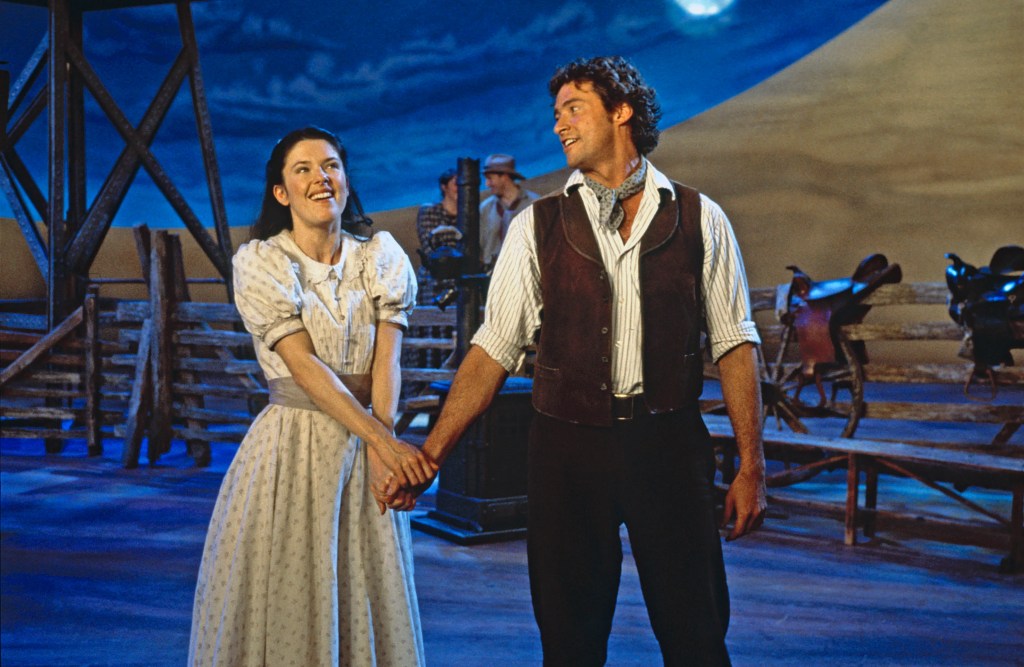

Audiences of today probably remember the movie version starring Gordon MacRae, and Shirley Jones.
However, in the St James Theatre in New York, it ran for five years with 2,212 performances culminating in a Pulitzer Prize in 1944. Not bad, for Rogers’ and Hammerstein’s first collaboration. It was the beginning of a long and storied career for these artists. Purdum notes Hammerstein would write the poetic words (the lyrics) of a song that would be put to music by the genius of Richard Rogers. Purdum explains, though they worked independently, they collaborated in a magical way that changed and broadened the appeal of musicals. The magic came from their work as two independent thinkers within their lanes of expertise. Hammerstein would write the lyrics and Rogers would create the music to fit the words.
The two embarked on a series of hits from 1942 to 1960 with famous works like “Carousel”, “South Pacific”, “The King and I”, and “The Sound of Music”, all of which became successful and entertaining movies for a public that could not afford live productions on “The Great White Way” (the Theater District between 41st and 53rd street in New York). Those of a certain age remember great songs like “If I Loved You”, “Some Enchanted Evening”, “Getting to Know You”, and “My Favorite Things”.
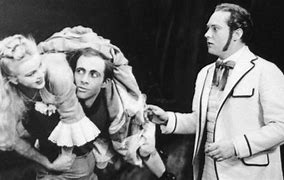

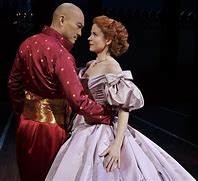
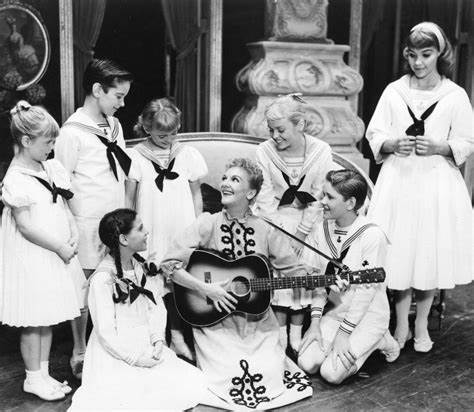
Purdum explains how Rogers and Hammerstein broke many records by changing the rules of musicals. They created memorable melodies by experimenting with different musical styles and performers from opera to folk to jazz. They integrated plot and character to create entertaining, sometimes controversial social commentary, ranging from the comic to dramatic to tragic stories of life.

After their great run on Broadway, Roger’s and Hammerstein’s attentions turn to the movies and the early beginnings of television. Their theatre productions become films that reach a much wider audience. However, translations from stage to film had a host of drawbacks ranging from casting to censorship that affected audiences’ reactions to what were great and successful Broadway musicals.
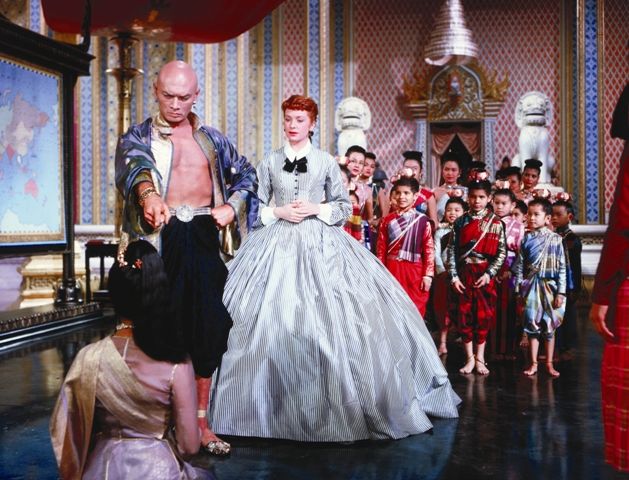
Nearing the end of Purdum’s fine story, these scions of entertainment are nearing the end of their productivity. In 1957, they produced Cinderella for television. An estimated 107 million viewers watched Julie Andrews play the part of Cinderella. The only other Broadway collaboration of note was “Flower Drum Song” that was well received but a commercial flop.
Oscar Hammerstein died in 1960 at the age of 65. The cause of death was stomach cancer.

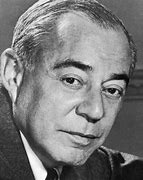
Purdum notes Rogers’ alcoholism, womanizing and often-suffered bouts of depression greatly affected his last years. In 1957 he was hospitalized. He recovered and lived for another 22 years. He died in 1979 after what was called a long (undisclosed) illness.
After Hammerstein’s death, Purdum notes Rodgers could not reproduce the lyrical success of Hammerstein’s poetic alliteration.
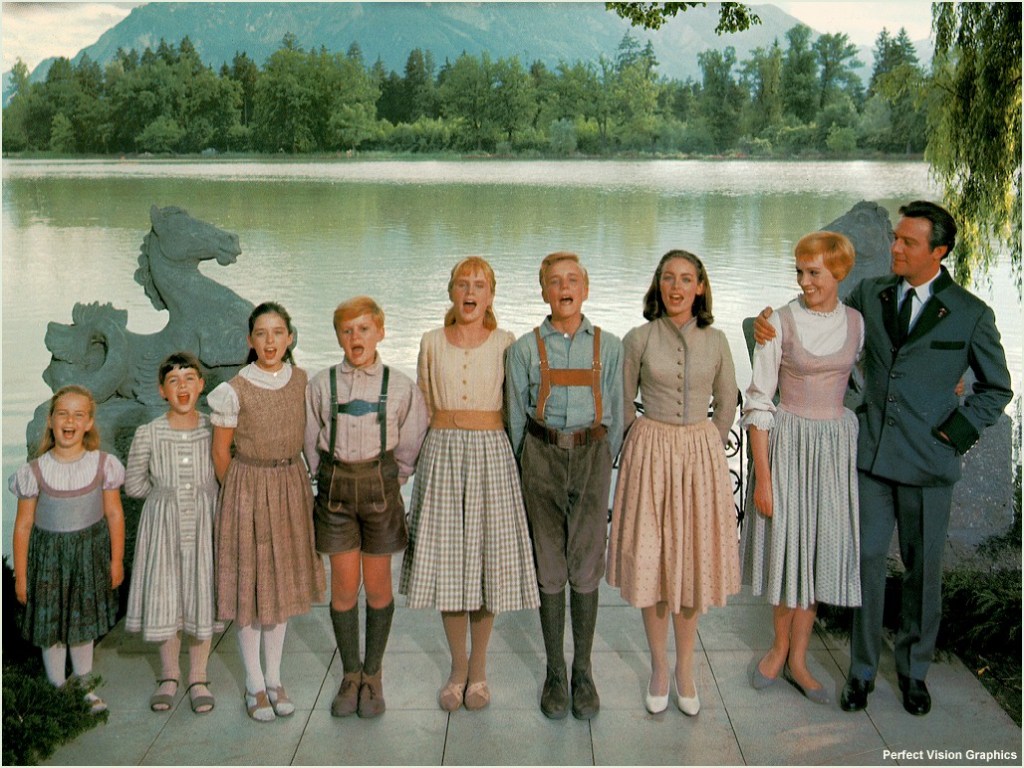
The sad thing revealed by Purdum is that Rogers and Hammerstein never seemed to develop a close personal relationship. Each lived in their own worlds and only met in their musical collaborations, not as friends but as ambitious business associates. Purdum wrote of Rogers’ comment about regretting never really getting to know Hammerstein.
As Orson Welles noted: “We’re born alone, we live alone, we die alone. Only through our love and friendship can we create the illusion for the moment that we’re not alone.” The tragedy of that observation is that Welles infers love and friendship are only an ephemeral illusion.

 REVIEWS AND VIEWS OF LIFE