

Audio-book Review
By Chet Yarbrough
Blog: awalkingdelight)
Website: chetyarbrough.blog
The Song Poet: A Memoir of My Father
By: Kao Kalia Yang
Narrated by: Kao Kalia Yang

Kao Kalioa Yang (Hmong American author. Born in a refugee camp in 1980, graduate of Carleton College (BA)and Columbia University (MFA).)
The essence of Kao Yang’s story is a reminiscence of her family’s life in Laos and then America. Yang is the older of two daughters. She was born after her mother has six miscarriages. They journey to Minnesota after escaping Laos through Thailand. Yang explains how difficult it is for immigrants to survive and thrive in a foreign culture. The story is told by the family’s daughter with an analysis of her father’s diary and her personal experience. Though not clear in Yang’s book, she has four brothers, but Xue is the only son very clearly noted in “The Song Poet”.
Bee Yang is a respected song poet born in a Hmong village in Laos. He passed away on January 14, 2020 in the Midwest.
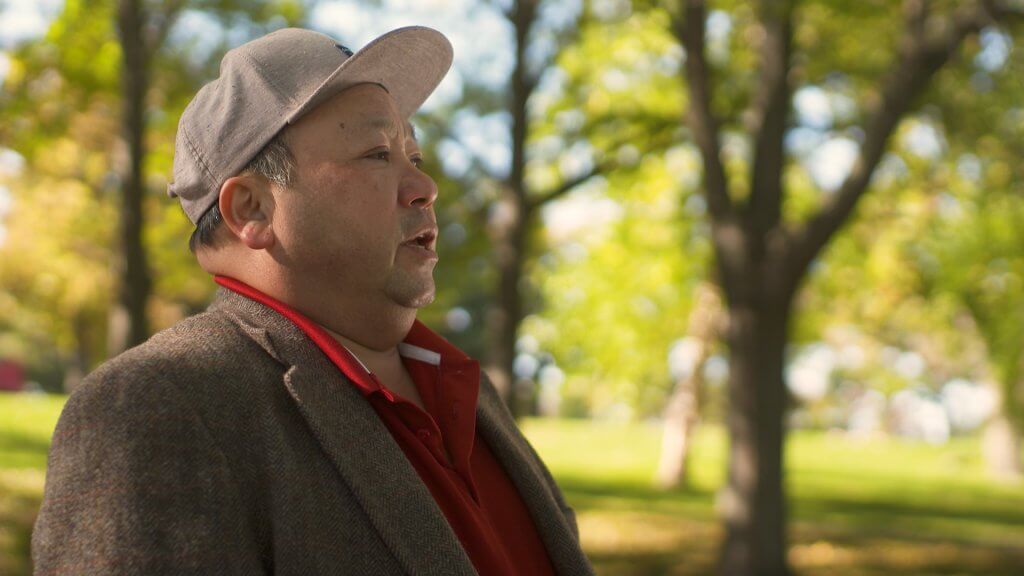
Kao Kalia Yang’s story reminds of a trip taken to Southeast Asia before the Covid19 pandemic. Our guide in Laos is from a Hmong family. The story of his education in Laos, though it largely took place after America’s war in Southeast Asia, reminds one of Ms. Yang’s story of the Hmong in Laos.

The hardship of the Hmong people is difficult to understand for a white American raised in a rural town in Oregon. The only criticism one may have of the story is the poorly produced audio version of the book. As an audiobook, “The Song Poet…” should have been told by different narrators. Its switchbacks in time, and its story of different family members is difficult to follow because of changes in the sex of who is speaking, particularly when it is either the father or daughter.
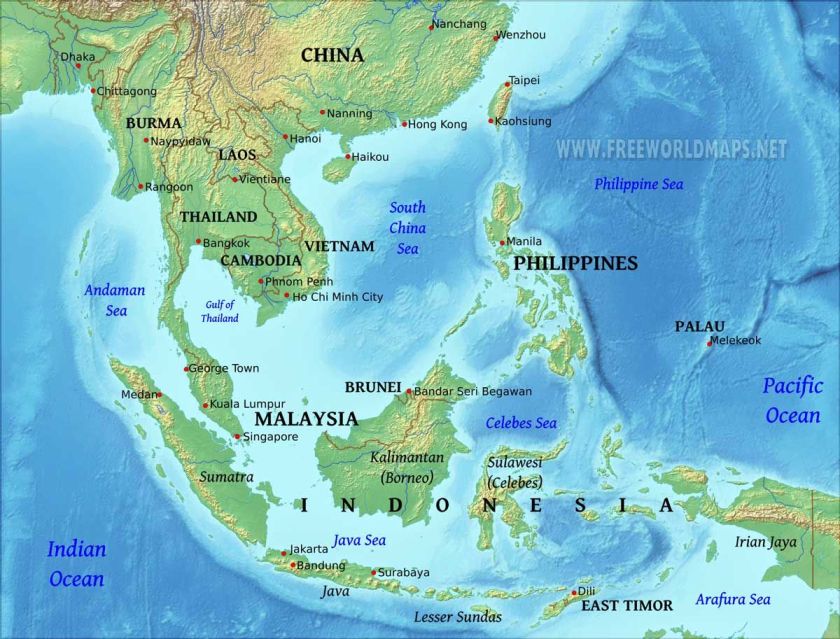
Two insightful reminders given in Yang’s book are immigrant value to America and harsh treatment of Hmong by the communists after the war. Because of their support of a failed effort to stop communism in Southeast Asia, Hmong genocide became a goal of the communist regime.
The genocidal effort to eliminate the Hmong in Laos fails but their isolation is evident in the remoteness of their villages. Our guide had to walk several miles each way to get to his school in a larger community. The Hmong had been recruited by the American government to fight the communist’s invasion of Laos. Some Hmong, just as many South Vietnamese opposed communist rule. When America withdrew, some were evacuated to the U.S., just as later in modern history–some Afghani’s, were evacuated. In either effort, America was only marginally successful.
Yang’s story begins with the death of her father in America. He is “The Song Poet”. Her father left a diary of their family’s life and experience in Laos and America. Her father is one of the Hmong that fought Laos’ communist infiltration during the Vietnam war. Her father falls in love with a Hmong woman before Ho chi Minh’s invasion. After six miscarriages, Kao Yang is born. Kao Yang’s sister is born in America in 1993.
“The Song Poet” is a story of hard work and accomplishment with a strong-willed mother, loving father, and Kao Yang in a Hmong village in Laos. Their grandfather is a village shaman who passes that duty to his son.
Shamans are important, highly respected “medicine men” in Hmong society. The Hmong believe in animism (a belief in the soul of plants and animals that animate the material universe).
After communism takes control of Laos, the family falls on hard times. Her father becomes an illegal drug runner when approached by four thuggish Buddhist’s that recruit him to sell drugs. He is not proud of that part of his life but as a Hmong in Laos, after the American war, one did what they had to do to survive.

Yang’s father goes to work in a metals factory.
How they manage to get to America is not revealed but one presumes it was with the help of Americans who understood what the Hmong had done to resist communism in Laos. They manage to buy a small home in Minnesota. Yang’s father dies from inhalation of metal fragments from his work. The industry did not have a policy of protecting their workers which reminds one of coal and uranium workers facing similar risks and their industries slow responses.
Another aspect of Yang’s life is about what it is like to live in a foreign culture. Yang tells a story of her mother shopping at K-mart with her younger sister and not being able to clearly communicate with a store employee about what she needs.

She could not remember the word “light bulbs” and the employee walks off saying, “I don’t have time for this”. This is an entirely believable story because many of us are impatient with people who do not speak English. The irony of the story is that her 7-year-old daughter feels it is her fault, not the American’s, because she knew the word her mother needed to tell the employee but failed to speak up. The irony is for a 7-year-old feeling responsible for an adult’s failure in a world of adults.

Yang’s last chapters explains how each member of the family relates to growing up in America, particularly when your parents come from a different culture.
Xue breaks from his father’s ambitions for him. He leaves home to begin his own life in a way that did not conform to the life of his father’s expectations. Yang’s father’s diary reveals the wisdom of living life as one chooses, not what others choose–even when the other is your mother or father.

 REVIEWS AND VIEWS OF LIFE